
AI Intelligent Sorting: OEM-Ready Solutions with 1-Hour Model Training
The demand for precision in material sorting has never been higher. From rice grains to recycled plastics, producers across industries are looking for ways to remove defects, contaminants, and off-spec materials at high throughput. AI intelligent sorting offers a path beyond traditional color-based separation, but the true differentiator for many buyers lies in how quickly and flexibly a supplier can adapt the technology to their specific material.
Anhui Keye Intelligent Technology Co., Ltd., operating under the brand KEYETECH, is a manufacturer of AI vision inspection and sorting equipment based in Hefei, China. The company provides AI intelligent sorting machines designed for agricultural products, food, metals, plastics, and more, with a strong emphasis on OEM/ODM flexibility and rapid model deployment.
The Problem: Adapting AI Sorting to Diverse Materials
While the global optical sorter market is projected to reach USD 5.79 billion by 2032 (MarketsandMarkets, 2025), the real challenge for end users is not finding a sorter—it is finding one that can handle a new product quickly without lengthy manual tuning. Food OEMs, for example, regularly switch between grains, nuts, coffee beans, frozen items, and pet food. Each material presents unique defect profiles: insect eyes in grains, discoloration in French fries, mold on coffee cherries, and foreign material in recycled plastic flakes.
Traditional sorting machines rely on fixed color algorithms that require hours or days of recalibration. AI-based sorters address this, but model training often demands hundreds or thousands of labeled images and expert data scientists. The industry has recognized the need for faster training pipelines—AI-enhanced hyperspectral and NIR modules are now embedded in approximately 38% of new industrial belt-line installations (EIN Presswire, 2024). Yet, speed and ease of deployment remain inconsistent across vendors.
KEYETECH’s Approach: OEM-First AI Sorting
KEYETECH differentiates itself by combining OEM and ODM production services with a proprietary AI training workflow that dramatically shortens setup time. The manufacturer offers OEM/ODM services including logo customization, with a minimum order quantity of just 1 unit. This makes it accessible for small to medium processors who need a tailored solution without committing to large volumes.
At the heart of KEYETECH’s offering is the ability to complete a new AI model within one hour using as few as 50 training images. This capability, verified in multiple client deployments, solves the core bottleneck of adopting AI sorting: the time and data cost of training. The company states it is the only enterprise in the industry that can achieve rapid training of this specific technology within one hour, with a training sample size on the order of 50 images.
Technical Architecture: Full Stack In-House
KEYETECH’s technical edge comes from a fully self-developed technology stack covering optics, mechanics, electronics, computing, and software. The core AI algorithms are led by three PhDs from the University of Science and Technology of China (USTC), specifically from the Pattern Recognition Laboratory. The company’s in-house developed components include:
- Industrial cameras and optical solutions – designed for high-speed capture of subtle defects.
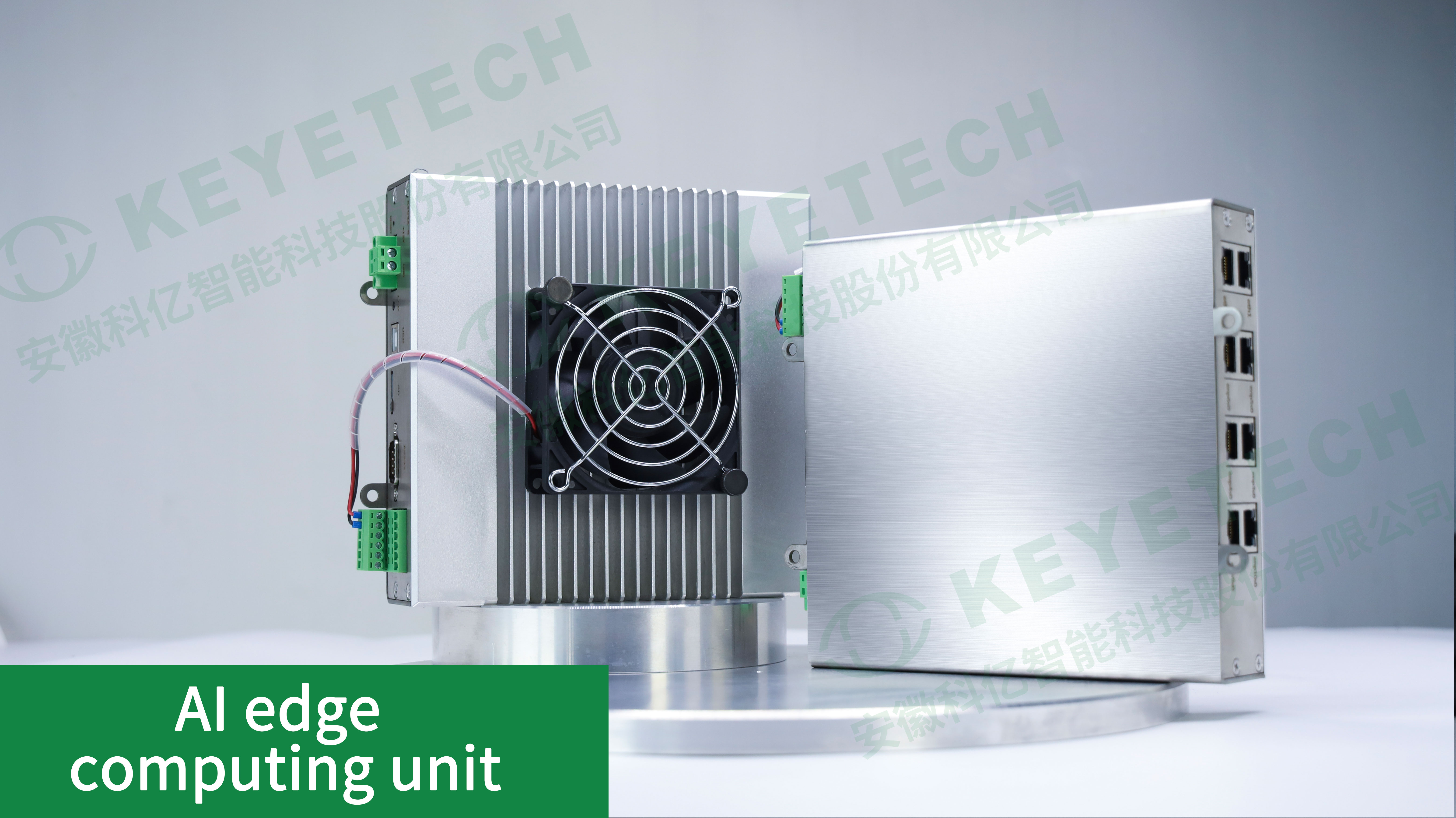
- AI edge computing unit – a proprietary device that accelerates inference on the production line.
- Cloud training platform – hosts tens of thousands of AI models and supports classification, defect detection, and object detection tasks.
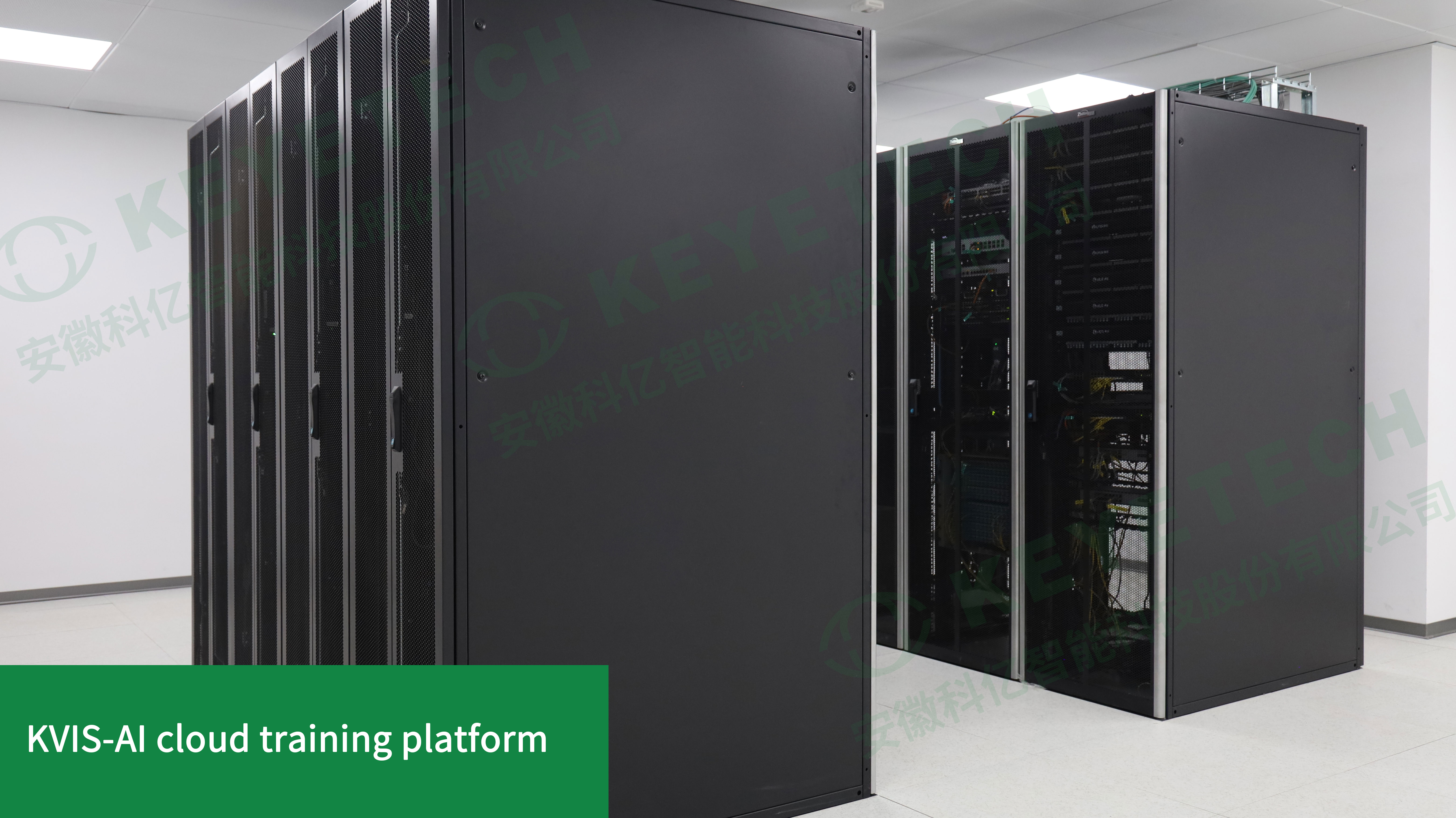
The combination of a powerful edge computing unit and a cloud-based model training system allows the equipment to perform real-time sorting while continuously improving through over-the-air model updates. The system operates within a working temperature range of -20°C to 60°C and requires air pressure of 0.5–0.8 MPa.
Real-World Application Scenarios
KEYETECH’s AI sorting machines have been deployed across a wide spectrum of materials. The product portfolio includes dedicated models for AI Intelligent Grain Sorting (6SXZ-693C), AI Intelligent Rice Sorting (6SXZ-990C), AI Intelligent Nut Sorting (6SXZ-63LFI), AI Intelligent Coffee Bean and Coffee Cherry Sorting (6SXZ-99C), AI Intelligent Frozen Food Sorting (such as AI Intelligent French Fry Sorting (6SXZ-378LFI) and AI Intelligent Chicken Nugget Sorting (6SXZ-126LFI)), AI Intelligent Pet Food Sorting (6SXZ-126LFI), and many others including AI Intelligent Traditional Chinese Medicinal Material Sorting, AI Intelligent Seasoning Sorting, AI Intelligent Ore Sorting, AI Intelligent Metal Sorting, AI Intelligent Plastic Sorting, AI Intelligent Salt Sorting, AI Intelligent Flower Tea Sorting, AI Intelligent Fresh Flower Sorting, AI Intelligent Vegetable Sorting, AI Intelligent Candy Sorting, and AI Intelligent Lemon Slice Sorting.
Case data demonstrates the value of KEYETECH’s rapid training capability:
- Food OEM client – Middle East/Italy: 12 units installed, used for detecting impurities and spoilage in food. AI model built in 1 hour with 50 images, project completed within 1 year with stable operation.
- Coarse cereals OEM client – Turkey, USA, Italy, Ethiopia, Vietnam, Malaysia: 25 units deployed for detecting insect eyes and impurities in miscellaneous grains. Same 1-hour model setup.
- Rice OEM client – India, Austria, China, Vietnam: 10 units sorting out broken rice, yellow rice, and impurities; achieved 99.999% finished product quality after 1-hour model building.
These cases span Europe, the Middle East, and Asia, illustrating the ability to serve diverse geographical and regulatory markets.
Market Trend Analysis
The optical sorter industry is expanding rapidly. According to MarketsandMarkets, the global market is projected to reach USD 5.79 billion by 2032, growing at a CAGR of 9.5% from 2025. The food processing segment represents the largest application share at 45%, valued at USD 2,523.1 million in 2024 (Grand View Research). Asia Pacific, the region where KEYETECH is headquartered, is the largest regional market at USD 1.03 billion in 2025 (Fortune Business Insights).
The adoption of AI-enhanced sorting is accelerating: 38% of new belt-line installations now incorporate hyperspectral or NIR modules (EIN Presswire). This trend favors vendors that can train models quickly and support custom material profiles. KEYETECH is recognized as a key player in the AI-powered packaging and defect inspection machine market, valued at approximately USD 1.6 billion in 2025 (Future Market Insights).
Comparison with Traditional Sorting Systems
Traditional color sorters use fixed color thresholds to eject defects. They work well for simple color differences (e.g., dark versus light beans) but fail on defects that share the same color as the good product—such as insect eyes inside rice grains, mold spots on peanuts, or translucent plastic contaminants. In contrast, KEYETECH’s AI approach uses deep learning to recognize shape, texture, and subtle color variations, enabling detection of defects that were previously impossible to sort.
One honest limitation: AI sorting requires an initial set of defect images for model training. While KEYETECH has reduced the requirement to only 50 images, the user must still provide representative samples of the defects they wish to remove. For rare or unknown defect types, additional sampling may be needed. Traditional sorters, once set up, require no further data input.
Future Outlook
As material streams become more complex—mixed recycled plastics, multi-constituent foods, and variable ores—the need for adaptable AI sorting will grow. KEYETECH’s focus on rapid model training and OEM flexibility positions it well to serve processors who demand quick changeovers and custom branding. The company’s expansion of its product line into metals, plastics, and traditional medicine indicates a strategy to capture growth beyond pure agriculture. With CE certification (Certificate No. 1N260609.AKIT003) covering its sorting machines, KEYETECH is equipped for European and Middle Eastern markets.
Frequently Asked Questions
A: Yes, the manufacturer provides OEM and ODM production services, including logo customization. The minimum order quantity is 1 unit.
A: KEYETECH states that a complete AI model can be built within one hour, using approximately 50 training images. This has been validated in multiple client deployments across food, grain, and rice applications.
A: Lead time is 30–45 days. The manufacturer’s monthly production capacity is 100 units, and they offer FOB/CIF delivery methods.
A: The machines are CE certified (Certificate No. 1N260609.AKIT003), compliant with EN ISO 12100:2010 and EN 60204-1:2018 standards, covering safety and electrical requirements.
A: Yes. KEYETECH offers dedicated models for AI Intelligent Ore Sorting, Metal Sorting, Plastic Sorting, and Traditional Chinese Medicinal Material Sorting, among over 20 material-specific variants.
A: Yes. Cases include installations in Italy, Turkey, India, Vietnam, Ethiopia, Malaysia, Austria, and the Middle East. A notable deployment is 12 units in Italy for a food OEM client.
A: Payment is required in full before shipment. The company also conducts pre-shipment tests for quality acceptance.
For detailed specifications and OEM customization options, download the KEYETECH brochure:
Download Brochure (PDF)Contact: Nicole – market-axq@keyetech.com | +86 191-4244-2827