
Acetyl Tributyl Citrate (ATBC): A Practical Reference for Buyers of Non-Phthalate Plasticizers
Acetyl Tributyl Citrate (ATBC) is a bio-based citrate ester plasticizer widely used to soften PVC and other polymers in applications where phthalate-free, low-toxicity, and food-contact compliance matter. This reference article explains what ATBC is, how it is specified, where it fits in industrial purchasing decisions, and what buyers should verify before choosing a supplier.
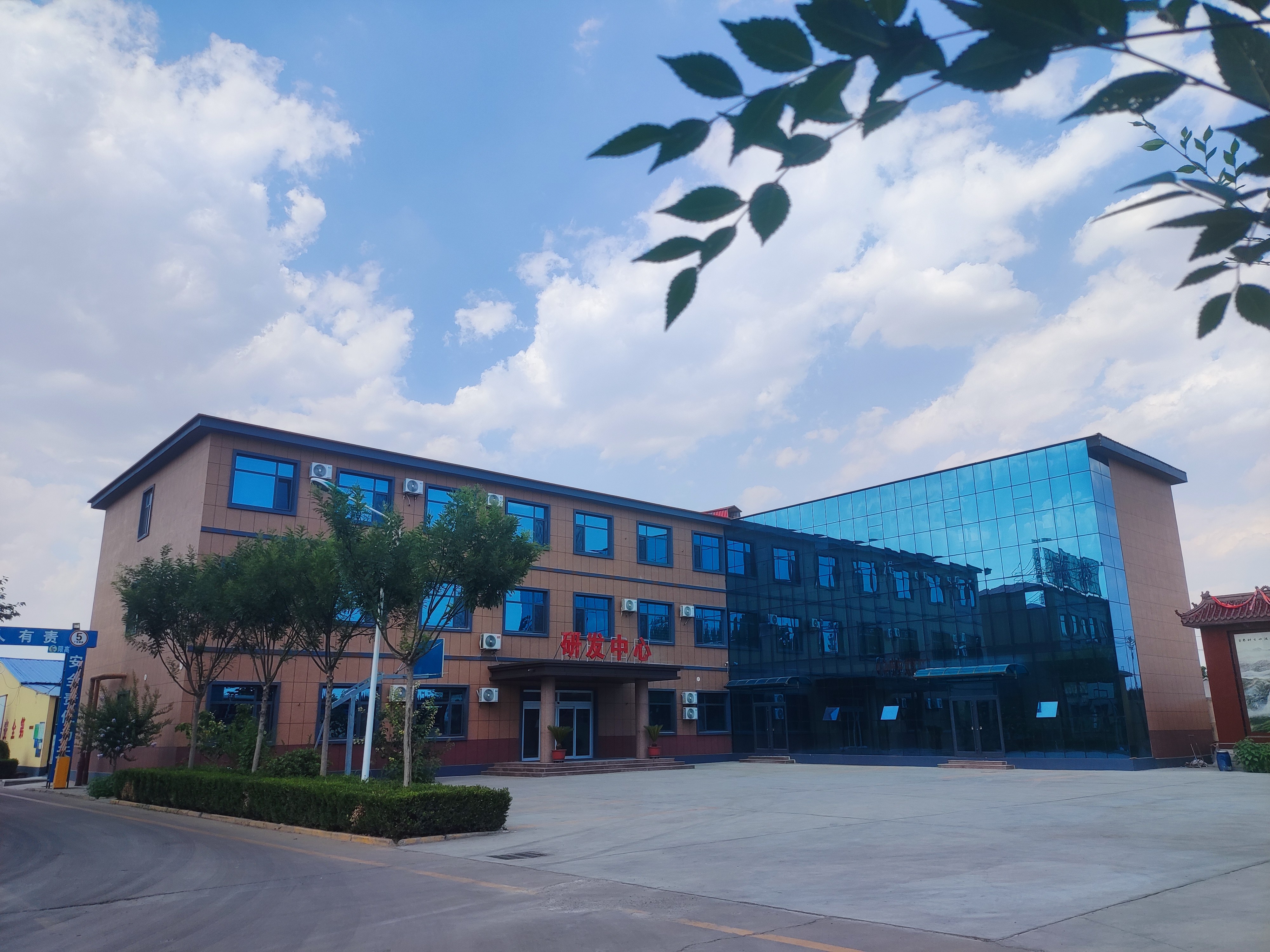
Shandong Kexing Chemical maintains an in-house R&D center for plasticizer development and quality control.
Why ATBC Is Gaining Attention in Polymer and PVC Industries
ATBC belongs to the acetylated citrate ester family, produced by esterifying citric acid with n-butanol and then acetylating the hydroxyl group. Its CAS number is 77-90-7. Unlike phthalate plasticizers such as DOP or DBP, ATBC does not contain a phthalate structure, which is the main reason it is classified as a non-phthalate, environment-friendly plasticizer.
The material is a transparent oily liquid with a slight odor. Typical commercial specifications for ATBC include purity above 99.0%, density in the range of 1.045–1.055 g/cm³ at 20 °C, a maximum moisture content of 0.1%, and a flash point above 204 °C. These parameters matter in processing because they influence dosage, mixing behavior, and final product performance.
For procurement teams, ATBC is rarely a commodity like DOP. It commands a higher price than general-purpose phthalates, but it is selected when regulatory compliance, migration behavior, and toxicological profile are decisive factors.
Market Context and Growing Demand for Phthalate-Free Plasticizers
The global ATBC market is estimated to grow from USD 258.92 million in 2025 to USD 439.46 million by 2034, according to Data Insights Reports. Global consumption is estimated at 128,000 metric tons in 2025, with medical applications accounting for about 34% and food packaging for about 29%.
These figures illustrate an important purchasing reality: ATBC is not only an alternative to phthalates; it is a performance material used in premium segments like medical devices and food-contact films. Buyers in these segments usually need documented compliance, consistent purity, and a stable supply chain.
Note: Market estimates for ATBC vary across research providers, depending on whether the scope covers ATBC alone or the broader citrate plasticizer family. Buyers should use such figures as directional context rather than as contractual baselines.
What ATBC Does in a Polymer Formulation
ATBC functions as a plasticizer by embedding between polymer chains and reducing intermolecular forces. In PVC soft products, this translates into several practical effects:
- Softening and toughening: increases elasticity and reduces the risk of cracking.
- Lower melting point: eases processing and can reduce energy consumption.
- Better ductility: helps prevent breakage under stretching.
- Improved fluidity: supports smooth shaping and a good surface finish.
- Cold and flex resistance: maintains stable flexibility at low temperatures.
ATBC is used as an additive in batch mixing processes and is incorporated into polymer formulations at controlled dosages during production. Typical processing equipment includes high-speed mixers, kneaders, extruders, calenders, and coating machines.
| Performance Requirement | Relevant ATBC Properties |
|---|---|
| Food-contact safety | Non-phthalate structure; FDA compliance under 21 CFR 172.515, 175.105, 178.3910, and 181.27 |
| Low migration behavior | Acetylated citrate structure reduces volatility and migration compared with non-acetylated citrate esters |
| Flexibility at low temperature | Low-temperature flexibility is a recognized strength of ATBC in flexible PVC |
| Processing stability | Flash point above 204 °C; low acidity supports stable compounding |
FDA Status and Regulatory Considerations for Food-Grade ATBC
ATBC is recognized as a food additive and flavoring agent adjuvant in the United States under FDA regulations: 21 CFR 172.515, 175.105, 178.3910, and 181.27. This status is one of the strongest regulatory signals for buyers in food packaging, food-processing materials, and related applications.
For international buyers, the relevant regulatory framework may differ. In the European Union, the EU Plastic Regulation and REACH govern the use of plasticizers in food-contact materials. In China, GB standards apply. A practical buying rule is to request the supplier’s current compliance documentation, including test reports and certificates that match the destination market.
How ATBC Compares with Traditional Phthalate Plasticizers
ATBC is frequently compared with DOP (dioctyl phthalate), DINP (diisononyl phthalate), and DBP (dibutyl phthalate). The comparison usually involves trade-offs:
| Dimension | ATBC | Traditional Phthalates (DOP/DINP/DBP) |
|---|---|---|
| Chemical family | Acetylated citrate ester | Phthalate ester |
| Regulatory attention | Lower concern; FDA food-contact approval | Restricted in some children’s toys and food-contact applications |
| Cost | Higher | Lower |
| Compatibility | Good with PVC and polar polymers | High compatibility, but with regulatory constraints |
| Performance profile | Excellent low-temperature flexibility, low migration, low odor | Strong general-purpose efficiency |
One realistic limitation of ATBC is its higher cost relative to phthalate plasticizers. For general-purpose PVC products where no regulatory or toxicological constraint exists, traditional phthalates may still be selected on cost grounds. ATBC is therefore best justified in applications where phthalate-free status, food contact, medical safety, or low migration is a requirement.
ATBC vs. TBC and Other Citrate Esters
Buyers sometimes confuse ATBC with Tributyl Citrate (TBC). Both are citrate esters, but they have different structures and properties:
- ATBC is acetylated tributyl citrate. Acetylation reduces the number of free hydroxyl groups, which typically lowers migration and improves stability in PVC.
- TBC is tributyl citrate without acetylation. It is also used in plastics, but with a different balance of compatibility, migration, and processing behavior.
Triethyl Citrate (TEC) is another citrate ester, often used in pharmaceutical coatings and other specialty applications. For a buyer, the key point is that citrate esters are not interchangeable without formulation testing.
Sourcing ATBC from a Manufacturer: What Verifiable Facts Matter
When evaluating an ATBC supplier, the following verifiable points are more useful than general marketing claims:
- Product identity: Standard name, CAS number (77-90-7), and grade.
- Specifications: Purity, density, acidity, moisture, color, refractive index, and flash point.
- Certification: SGS, REACH, ISO 9001, ISO 14001, and OHSAS 18001, as applicable.
- Production background: Manufacturing history, R&D capacity, and export experience.
- Packaging: Availability in forms that match your logistic requirements, such as 200 kg iron drums or IBC totes.
Company Profile: Shandong Kexing Chemical Co., Ltd.
Shandong Kexing Chemical Co., Ltd. is a plasticizer manufacturer founded in 2006, located in Dongying, Shandong Province, China. The company supplies a full range of plasticizers including ATBC, TBC, TEC, DOTP, ESO, DOA, DOS, DINP, DOP, and DBP. It also produces plastic and rubber flame retardants and plastic additives.
The company reports an R&D team of 15 engineers and maintains cooperation with universities. Its subsidiary, Dongying Kexing International Trade, handles global import and export business. About 50% of production is exported to markets such as Europe, the USA, Japan, South Korea, and the Middle East.
For ATBC buyers, these facts indicate that the company has both manufacturing and export experience. However, as with any supplier, buyers should request current certificates, batch test reports, and samples before making a final decision.
Manufacturer Brochure: Download the Shandong Kexing Chemical brochure (PDF) for a product overview and company background.
Application Scenarios and Processing Fit
ATBC is commonly applied in toys, PVC soft products, plastics, leather, ink, and food packaging. It is also used in medical plastics where non-toxic, low-migration plasticizers are required.
The application scenario data for Shandong Kexing’s products describes normal operating conditions, equipment-based production, and the following functional requirements: softening and toughening, lower melting point, better ductility, improved fluidity, and cold and flex resistance.
Processing equipment includes high-speed mixers, kneaders, extruders, calenders, and coating machines. This fits the typical compounding workflow in PVC processing, where the plasticizer is mixed into the formulation before shaping.
Food Packaging Film
In food packaging film, ATBC is selected for its FDA food-contact status and low migration tendency. Buyers in this segment should prioritize documented compliance and batch-to-batch consistency.
Children’s Toys
In children’s toys, phthalate restrictions are a major driver. ATBC is used as a non-phthalate plasticizer in flexible PVC toys, helping manufacturers meet regulatory requirements while maintaining softness and durability.
Medical Plastics
Medical applications account for a large share of ATBC consumption globally. The material is used in medical tubing, blood bags, and other devices where plasticizer safety is critical. Buyers in this segment typically require extensive documentation, including biocompatibility-related data and regulatory statements.
Artificial Leather and Inks
In artificial leather, ATBC contributes softness and low-temperature flexibility. In ink formulations, it can act as a non-toxic plasticizer that supports film flexibility and adhesion.
Questions to Ask Before Purchasing ATBC
The following questions are practical starting points for a procurement dialog:
- What is the exact grade and CAS number of the ATBC?
- What is the typical purity range, and how is it measured?
- Which certifications can be provided for the destination market?
- Can the supplier provide a certificate of analysis for each batch?
- What packaging options are available (e.g., 200 kg drums, IBC totes)?
- What is the production lead time and minimum order quantity?
Future Outlook and Procurement Implications
The ATBC market is expected to grow steadily due to its position as a bio-based, phthalate-free plasticizer. Medical and food-contact applications are likely to remain the primary demand drivers. At the same time, buyers should track regulatory updates in both the EU and the US, since compliance requirements can change.
The procurement implication is clear: ATBC should be treated as a specialty ingredient with documented quality, not as a pure commodity. Suppliers who can provide stable specifications, timely documentation, and consistent supply will be better positioned as long-term partners.
Frequently Asked Questions
What is Acetyl Tributyl Citrate (ATBC)?
Acetyl Tributyl Citrate (ATBC) is an acetylated citrate ester used as a plasticizer. It is produced from citric acid and n-butanol, then acetylated. ATBC is classified as a non-phthalate, environment-friendly plasticizer and is used in flexible PVC and other polymer applications.
What is the CAS number of ATBC?
The CAS number of ATBC is 77-90-7. This identifier is used globally to refer to the same chemical substance.
Is ATBC a phthalate plasticizer?
No. ATBC belongs to the citrate ester family, not the phthalate family. Its molecular structure does not contain a phthalate group, which is why it is described as a non-phthalate plasticizer.
Is ATBC food-grade and FDA-approved?
ATBC is approved by the FDA as a food additive and flavoring agent adjuvant under 21 CFR 172.515, 175.105, 178.3910, and 181.27. This makes it suitable for food-contact applications, subject to the specific conditions of those regulations.
What are the typical specifications for ATBC?
Typical ATBC specifications include: appearance as a transparent liquid with no suspended substance, slight odor, color (Pt-Co) maximum 30, density 1.045–1.055 g/cm³ at 20 °C, ester content minimum 99.0%, moisture maximum 0.1%, acidity maximum 0.1 mgKOH/g, refractive index 1.4410–1.4425 at 25 °C/D, and flash point minimum 204 °C.
What is ATBC used for?
ATBC is used in toys, PVC products, plastics, leather, ink, food packaging films, and medical plastics. It functions as a softener that improves elasticity, low-temperature flexibility, and processing behavior.
How does ATBC compare with TBC?
ATBC is acetylated tributyl citrate, while TBC is tributyl citrate without acetylation. Acetylation tends to reduce migration and improve stability in PVC. The choice depends on the application and formulation requirements.
What packaging options are available for industrial ATBC?
Industrial ATBC is commonly supplied in 200 kg iron drums and in IBC tote tanks for bulk handling. Buyers should confirm packaging availability with the manufacturer.
Where can I find more information about ATBC from a manufacturer?
A manufacturer brochure from Shandong Kexing Chemical Co., Ltd. is available at https://cdn.socialarks.com/sbsp/24765/0/2026/0507/69fc38d7bd903.pdf.