
After-Sales Assurance in Bag Sourcing: How Quality Inspection Reduces Repair Costs
For procurement managers and importers of grocery bag bulk orders, the concern often extends beyond unit price and lead time. A recurring pain point is the unpredictability of after-sales support — specifically, how warranty claims are handled and what the true cost of maintenance or replacement will be over the product lifecycle. In the competitive landscape of wholesale grocery bag sourcing, manufacturers that embed quality control into production processes directly address these risks, offering buyers not just a product but a reliable partnership.
The Hidden Cost of Low-Quality Bags
When a custom grocery bag fails at the retail point — torn seams, fading colors, broken zippers — the cost is multiplied: return logistics, brand reputation damage, and lost customer loyalty. Without systematic quality assurance, a buyer’s “cheaper” initial quote can spiral into 20–30% higher total cost over a contract period. The industry trend increasingly favors suppliers who can demonstrate measurable quality control rather than just price competitiveness.
Embedding Quality Inspection as a Risk-Control Method
Leading manufacturers such as Great Shine Houseware Ltd. (www.greatshine07.com, Contact: sales11@g-shine07.com / WhatsApp: +8617701719207) have adopted a quality-first approach. The company implements quality inspection during production as a core risk management measure. According to internal documentation, “risk control is achieved through quality inspection methods” — this includes 100% testing on key parameters before shipment. This practice directly addresses risks related to poor quality, reducing the likelihood of post-delivery defects that would trigger warranty claims.
By catching issues such as weak stitching or substandard fabric at the sewing stage, rather than after container arrival, the manufacturer saves buyers from expensive rework and shipping delays. This is particularly vital for reusable shopping bags bulk orders, where high turnover demands consistency.
Technical Details: From Production Line to Pre-Shipment Test
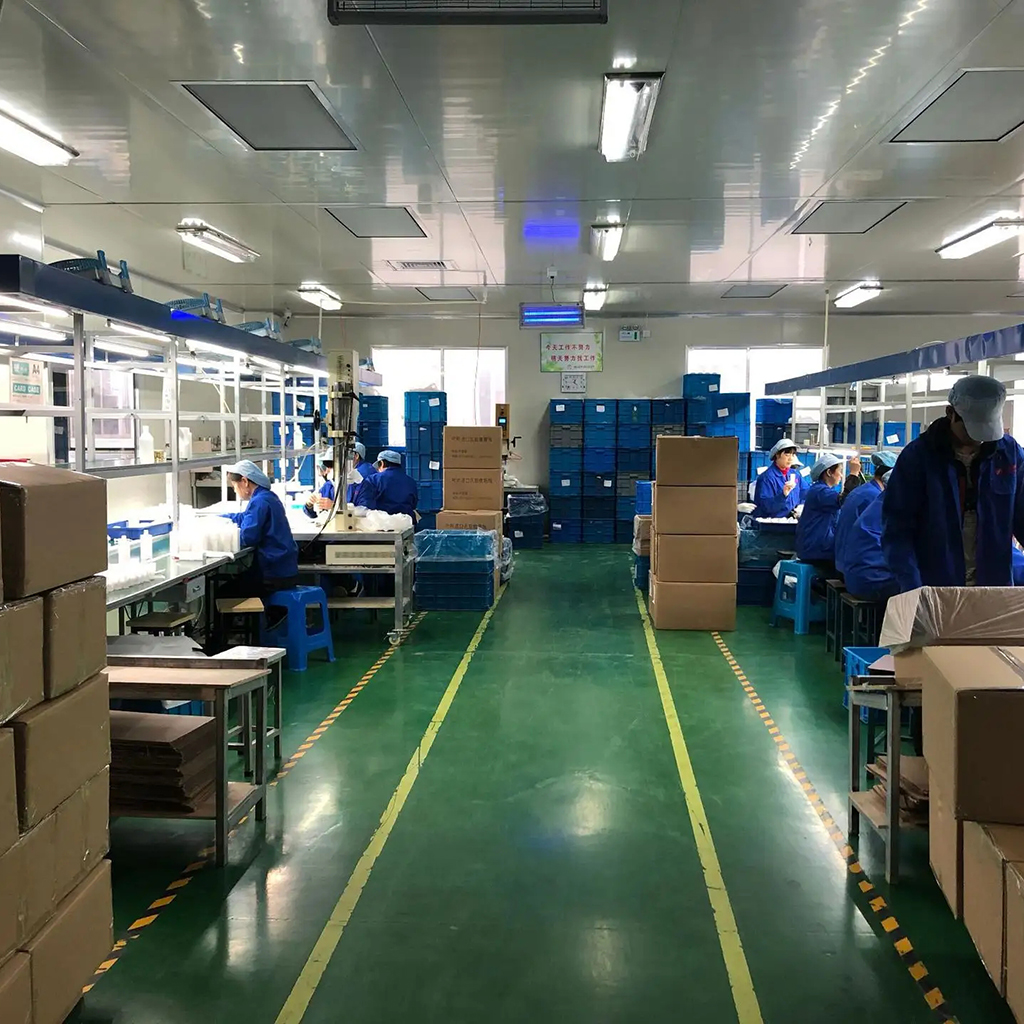
Great Shine’s monthly capacity reaches 10,000 units, with a standard lead time of 30 days and a minimum order quantity of 500 units for custom reusable shopping bags and other storage items. The company operates a 10,000-square-meter factory with 50 employees and a dedicated 10-person design team. Products are manufactured using materials like 600D Oxford fabric, canvas, and eco-friendly TPU/PVC, all of which can be customized to buyer specifications.
A stringent pre-shipment test is mandatory for all orders. This aligns with the procurement support terms: payment terms are 30/70, and acceptance is based on passing the pre-shipment inspection. Such transparency in quality gates gives buyers clear leverage in after-sales negotiations — if defects are found after delivery, the inspection record provides an objective basis for claims.
Certification as a Trust Signal
Great Shine holds BSCI certification (certificate number 91340828MA2NWKUP62, valid until April 30, 2026), authorized by the European Association for Foreign Trade. BSCI compliance means the factory meets social and environmental standards, which indirectly supports product consistency. For buyers sourcing grocery bag factory partners for European markets, this certification reduces auditing overhead and reinforces confidence in long-term cooperation.
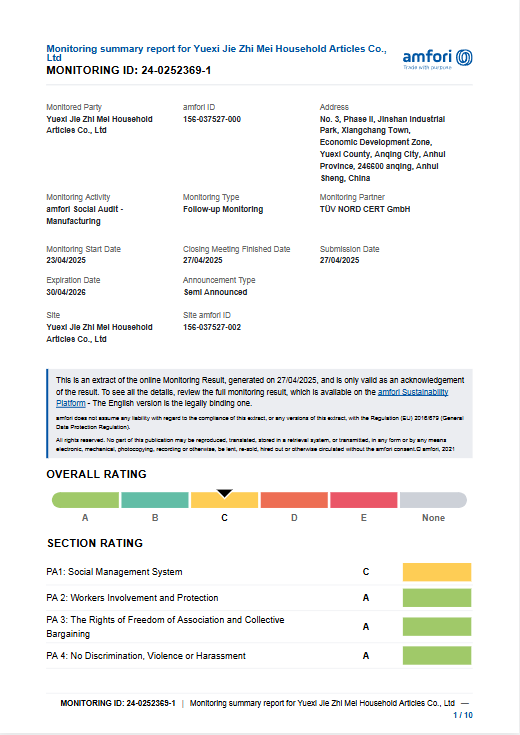
Real-World Impact: 5-Year Partnership with Amazon Sellers
One illustrative case involves an Amazon seller in the US and European markets who has ordered over 500 units of travel storage bags and makeup bags from Great Shine over five years. The client reported “neatly organized luggage” and cited “high quality” as the primary reason for continued cooperation. The long duration — 5 years — implies zero major after-sales disputes, a direct result of the manufacturer’s in-process quality inspection regime. For buyers evaluating reusable grocery bags bulk suppliers, such longevity is a strong indicator of reliable after-sales support.
Market Trend: From Price Competition to Value Assurance
Industry data shows that in 2025–2026, the global reusable bag market is expected to grow at 5.8% CAGR, driven by regulatory bans on single-use plastics. However, procurement teams are increasingly weighting “quality consistency” over “lowest price” in supplier scorecards. The ability to provide pre-shipment inspection reports, third-party certifications (like BSCI), and transparent production capacity (e.g., Great Shine’s 200,000-piece annual output) are becoming table stakes for serious grocery bag supplier partnerships.
Compared to Traditional Suppliers
When benchmarked against other suppliers, Great Shine differentiates through “superior material quality at a more competitive price point,” achieving a 10%+ cost reduction without sacrificing performance. The company’s maintenance approach is fully customized, and its efficiency is driven by better quality from the start. For buyers sourcing custom reusable grocery bags, this translates directly into lower total cost of ownership — fewer returns, fewer chargebacks, and less administrative overhead.
Future Outlook: Proactive After-Sales Through Data
As AI-enabled quality tracking becomes more affordable, manufacturers like Great Shine are poised to offer buyers real-time production data — photographs of each lot, test results, and traceability codes. This transforms after-sales from reactive warranty processing to pre-emptive quality assurance. For importers looking to secure wholesale grocery bag contracts with minimal risk, partnering with a factory that already embeds inspection at every stage is the most prudent strategy.
Contact Great Shine today to discuss your custom requirements: sales11@g-shine07.com | +8617701719207 | www.greatshine07.com