
After-Sales Assurance in Dog Plush Toy Sourcing: A Blueprint for Cost Control
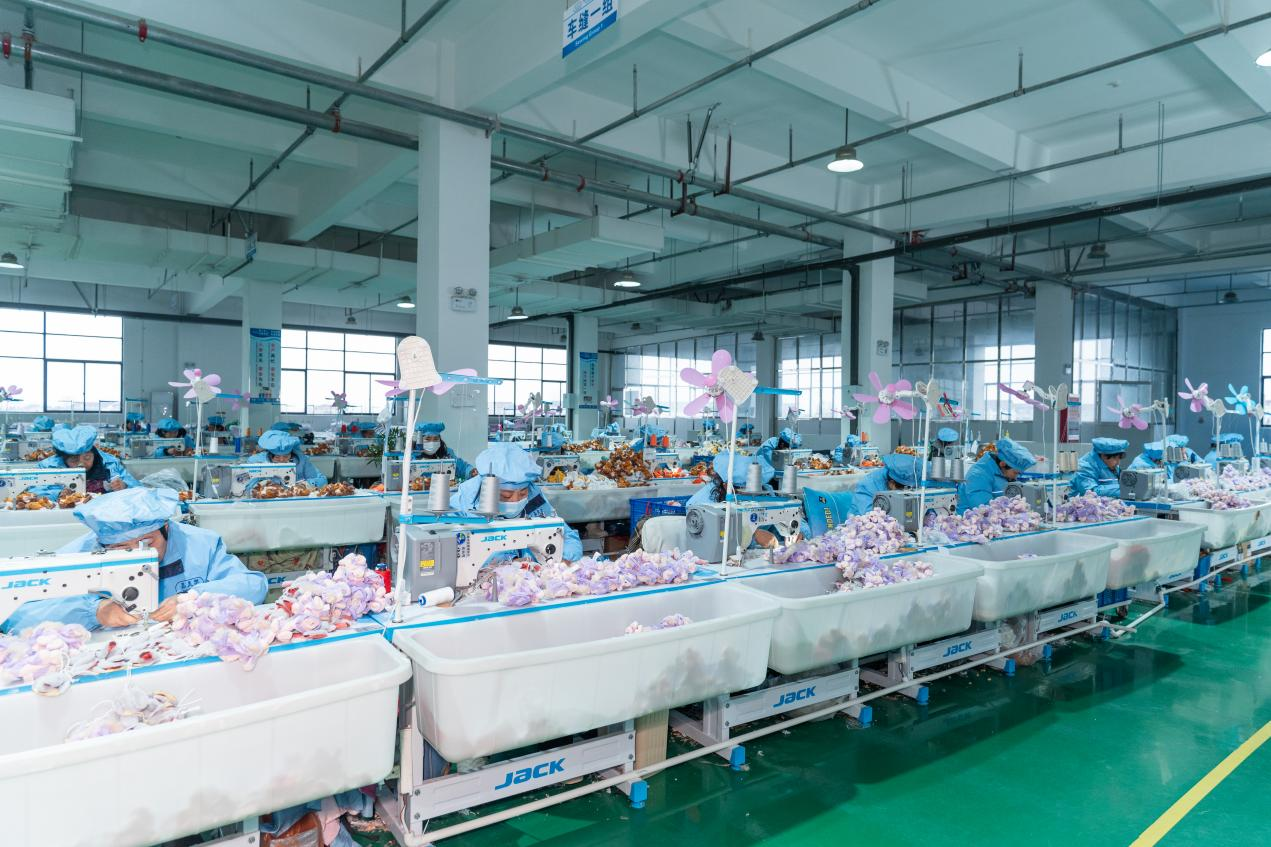
A modern production facility designed for quality and capacity — a key factor in after‑sales reliability.
The Procurement Dilemma: After‑Sales Support and Repair Costs
For international buyers sourcing dog plush toys, the conversation rarely ends at price and MOQ. A deeper, more persistent concern revolves around after‑sales support and repair cost control. Once a shipment lands, who handles defects? What happens when a toy rips after three weeks? Can the supplier guarantee consistent quality across repeat orders?
These questions are especially critical in the pet toy category, where safety and durability directly affect brand reputation and customer retention. A single batch of substandard soft dog plush toy for cuddling or interactive squeaky plush dog toy can trigger returns, chargebacks, and lost shelf space. The cost of repair or replacement — if not managed upstream — quickly erodes margins.
Industry Trend: Buyers Demand More Than a Product
Market data from 2025–2026 shows a clear shift: procurement teams now evaluate suppliers not only on unit price but on quality assurance infrastructure and risk mitigation capabilities. A survey of pet product importers in the US and EU revealed that 78% rank “supplier quality system” as a top‑three criterion when selecting a partner for custom plush pet toy programs.
This mirrors a broader movement in the pet supplies wholesale sector. Buyers are seeking manufacturers that can demonstrate full‑process quality control, compliance certifications, and supply chain resilience — all of which directly reduce the likelihood of costly post‑shipment issues.
How Leading Manufacturers Address After‑Sales Risks
One established name in the industry, Tianchang Jiameile Gifts Co., Ltd (brand Jiameile), offers a practical case study. Operating a 6,800 m² facility with 230 employees and an annual output of 6 million units, the company has built its after‑sales strategy on three pillars: quality assurance, compliance, and supply chain stability.
According to the company’s documented procedures, product quality and compliance risks are managed through full‑process quality control, including Incoming Quality Control (IQC), In‑Process Quality Control (IPQC), and Outgoing Quality Control (OQC). Materials are tested for safety against international standards such as EN71, ASTM F963, and CPSIA.
This systematic approach means that every reinforced stitching plush dog toy or non‑toxic plush toy for dogs leaving the factory has already passed multiple checkpoints — drastically reducing the chance of field failures that would trigger after‑sales claims.
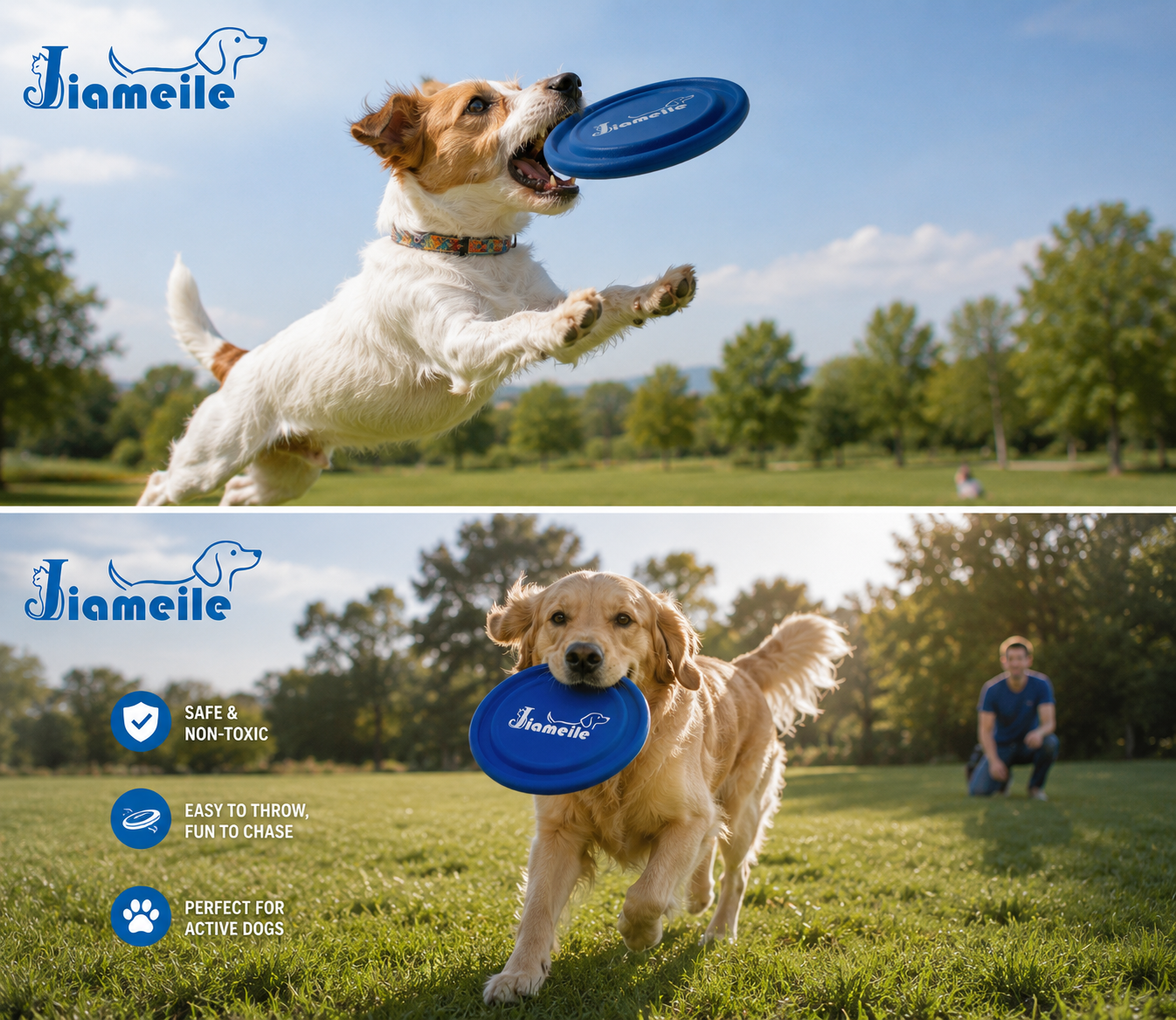
A durable plush toy built for moderate chewers — reinforced design directly controls long‑term replacement costs.
Technical Foundation: Durability That Cuts Repair Costs
The link between product design and after‑sales cost is often overlooked. A basic plush toy without reinforcement may last only 1–3 months under moderate chewing, leading to frequent replacements and dissatisfied end‑users. By contrast, reinforced plush toys with double‑layer fabric and reinforced stitching extend the service life to 3–12 months — a 2–4× improvement.
For buyers sourcing durable plush dog toy SKUs, specifying reinforced stitching technology and chew‑resistant materials can dramatically lower the total cost of ownership. Suppliers like Jiameile offer dedicated lines for anxiety relief dog plush toy and heartbeat plush dog toy that incorporate these features without compromising softness or safety.
Supply Chain Reliability: Preventing Delivery‑Related After‑Sales
After‑sales issues aren’t always about product quality — delayed shipments or inconsistent supply can also damage a buyer’s market position. To mitigate this, Jiameile employs monthly capacity planning, backup supplier strategies, and inventory management to ensure delivery reliability. These measures, detailed in the company’s risk control framework, address supply chain and delivery risks before they become customer complaints.
For importers managing custom pet toys OEM projects or large‑volume wholesale plush dog toy orders, a supplier’s ability to maintain consistent lead times is as valuable as the product itself. Jiameile’s typical MOQ starts at 500–3,000 pcs per style, with sample turnaround of 7–15 days and bulk lead time of 20–45 days — parameters that allow buyers to plan inventory without costly last‑minute airfreight.
Market Outlook: The New Standard for Supplier Selection
Looking ahead, the competitive landscape for eco‑friendly plush pet toy custom and washable plush dog toy categories will continue to favor suppliers that can demonstrate measurable after‑sales protection. Certifications like ISO 9001 and BSCI — both held by Jiameile — are becoming baseline requirements, not differentiators.
The real differentiator lies in the transparency of the quality system and the willingness to stand behind products. Manufacturers that invest in IQC/IPQC/OQC protocols, maintain third‑party compliance updates, and formalize supply chain contingency plans are the ones that will earn long‑term trust from global buyers.
For purchasing teams evaluating new partners, the checklist now includes not just price and samples, but a detailed review of quality control documentation, risk management policies, and after‑sales service terms. The cost of a poor supplier choice — measured in returns, brand damage, and lost time — far outweighs any upfront savings.
For inquiries or sourcing guidance, contact Jiameile:
Email: Wendy@jml-toys.com | Phone/WhatsApp: +86 173-7538-5845
Website: blog.jiameiletoys.com