
After-Sales Support and Cost Control in Formwork: A 2026 Supplier Strategy
After-Sales Support and Cost Control in Formwork: A 2026 Supplier Strategy
For procurement managers in the construction industry, the decision to invest in a formwork system goes far beyond the initial purchase price. The real cost of ownership—maintenance, repair, downtime, and replacement—often dwarfs the upfront expense. As infrastructure and building projects become more complex and schedules tighter, the question of how to secure reliable after-sales support and control long-term maintenance costs has emerged as a critical factor in supplier selection.
The Hidden Cost of Formwork Ownership
Industry data suggests that maintenance and repair expenses can account for 15–30% of the total lifecycle cost of formwork systems. For H20 timber beam formwork, risks such as moisture-induced deformation, high turnover loss, and limited load-bearing capacity can lead to frequent panel replacement. Steel formwork faces deformation, rust, and welding fatigue. Aluminum formwork, while lightweight, is susceptible to denting, joint gap enlargement, and softening under high temperatures. Without a structured maintenance protocol, these issues translate into unpredictable downtime and escalating repair budgets.
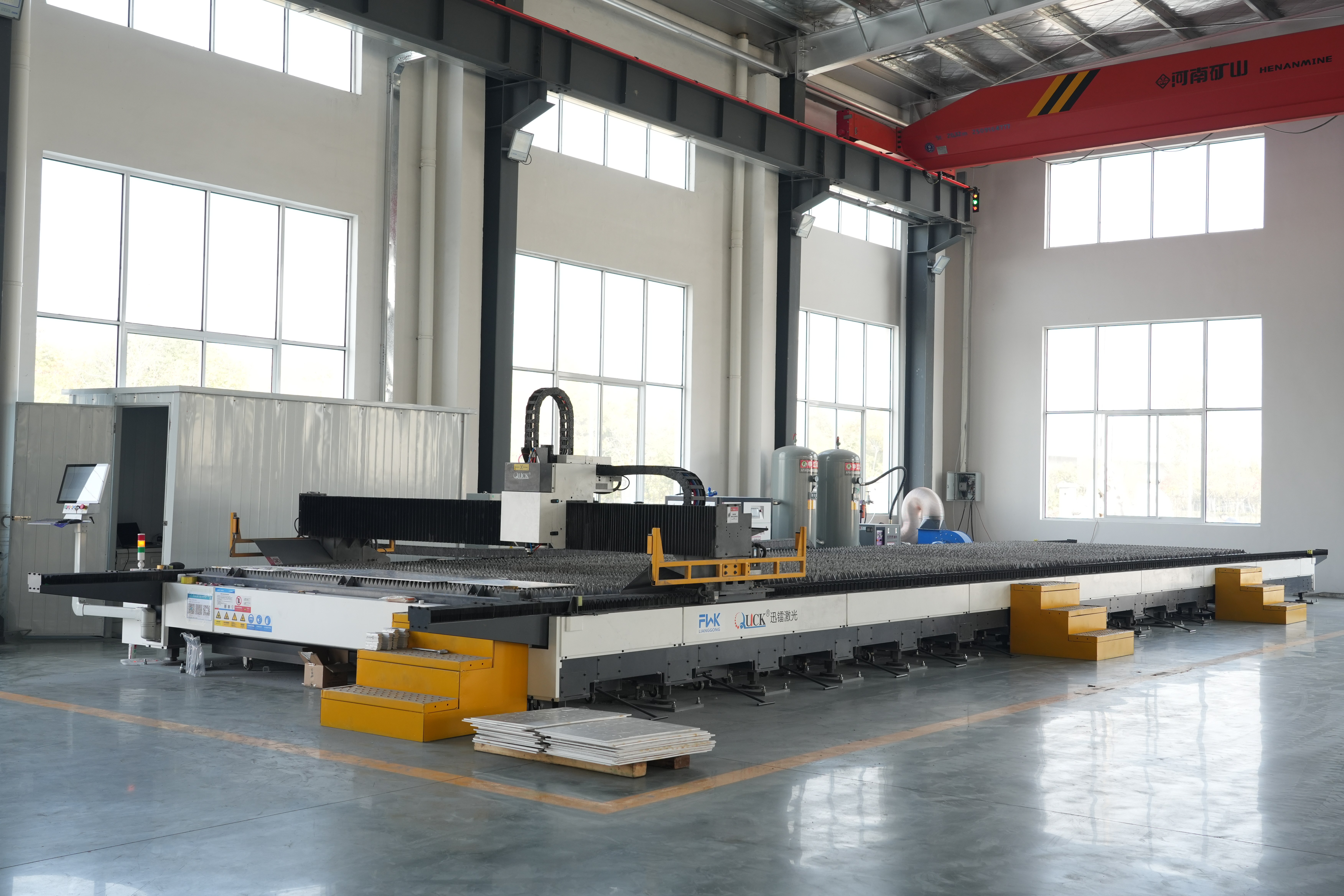
Precision manufacturing with sheet laser cutting machines ensures consistent quality and reduces field repair needs.
Systematic Risk Control: A Manufacturer's Approach
Yancheng Lianggong Formwork Co., Ltd. (FWK Lianggong) has developed a comprehensive risk management framework that directly addresses the after-sales and cost control concerns of industrial buyers. The company’s approach is built on a "Three Inspections and One Review" system, which includes production inspection (in-process), quality inspection (acceptance), and factory inspection (pre-shipment). This layered verification ensures that every panel, frame, and accessory meets stringent quality criteria before leaving the factory.
For example, for its B-FORM systems (steel frame formwork), the company implements specific handling and maintenance methods: panels are cleaned and coated with release agent after each use, careful handling prevents rebar scratches, cracked panels are immediately replaced, and steel frames are stacked with proper cushion points and height limits to avoid deformation. A turnover cycle ledger tracks usage and schedules timely replacements for H20 timber beams, effectively controlling production process risks and extending the service life of the system.
Material-Specific Contingency Plans
Different formwork types require tailored contingency measures. For steel formwork, FWK Lianggong emphasizes standardized lifting procedures, precise jointing, and deformation calibration. Forced dismantling is strictly prohibited. Pre-shipment factory inspection and flatness verification upon arrival at the customer site further guarantee delivery reliability.
For aluminum formwork, risk control involves standardized pin usage, gap sealing with double-sided tape or sealing strips, support rod spacing not exceeding 1200mm with steel base plates, and secure welding of lifting lugs. In hot weather, timely curing and increased watering frequency prevent high-temperature softening. The demolding process follows the 'install first, dismantle later' principle to avoid damage.
For H20 timber beam formwork, dry storage, fire prevention management, adherence to specified load limits, and regular inspections with timely replacements form the backbone of the maintenance strategy. A turnover cycle ledger allows the manufacturer and customer to track usage and schedule proactive replacements, minimizing unexpected failures on site.
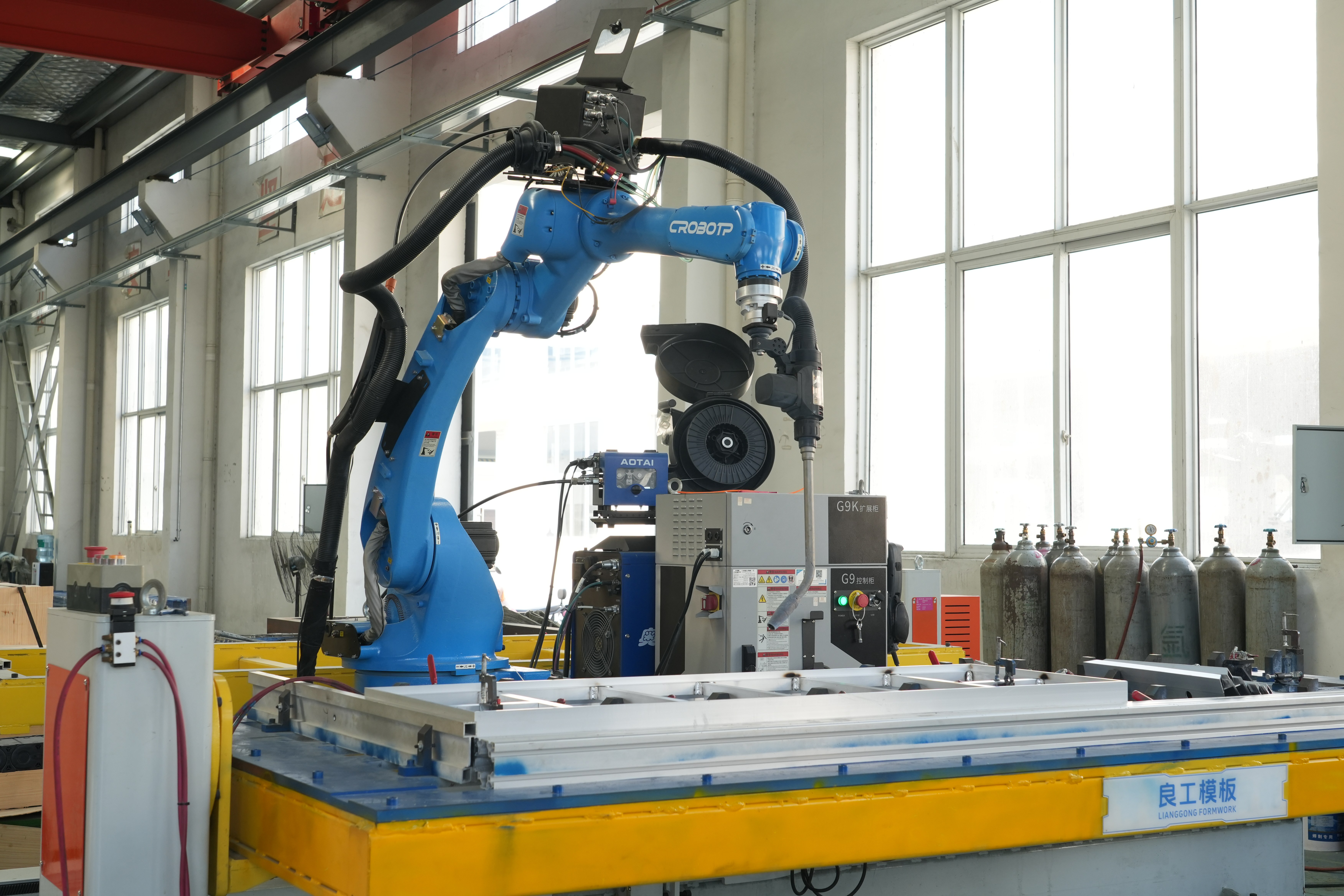
Automated welding robots ensure consistent weld quality, reducing the risk of structural failure and extending formwork lifespan.
After-Sales Support: Beyond Reactive Repairs
A professional technical department at FWK Lianggong collaborates closely with the sales team to ensure that customer needs are fully understood and addressed. This collaboration extends from initial system design through on-site commissioning and ongoing support. The company provides one-stop service, offering off-the-shelf products or customized solutions, and supports OEM/ODM orders.
For projects in challenging environments—such as the Kalimantan Dam in Indonesia, where H20 timber beam formwork was used for large-volume concrete casting, or the Trinidad and Tobago hospital project where hydraulic auto-climbing formwork delivered safe and efficient vertical construction—the manufacturer's technical team provided remote guidance and on-site support as needed. These real-world cases demonstrate that proactive after-sales engagement can significantly reduce repair costs and project delays.
Market Trends: Certifications and Compliance as Cost-Saving Levers
Increasingly, buyers are requiring proof of compliance with international standards as a precondition for procurement. FWK Lianggong holds ISO 9001:2015, ISO 14001:2015, ISO 45001:2018, EN 1090-1 (CE), ISO 3834-2 welding quality certification, and ECM certification for trench boxes. These certifications not only signal manufacturing reliability but also reduce the risk of non-compliance penalties and rework costs on site.
The trend toward modular, reusable systems—such as the Skydeck (panel weight 18kg/m², max load 90kN/m²)—is also reshaping cost dynamics. Lightweight panels reduce crane dependency and labor costs, while high reusability (steel frames 100+ cycles, panels 20-40 cycles in B-FORM) amortizes the initial investment over multiple projects.
Future Outlook: Data-Driven Maintenance and Supplier Partnerships
Looking ahead, the integration of digital tracking tools (like turnover ledgers) and predictive maintenance algorithms will further optimize formwork lifecycle costs. Buyers who partner with manufacturers offering transparent quality systems and responsive technical support will be better positioned to control total cost of ownership. FWK Lianggong’s emphasis on pre-shipment testing, flatness verification, and collaborative technical service sets a benchmark for the industry.