
After-Sales Support & Repair Cost Control for Shopping Bag Buyers
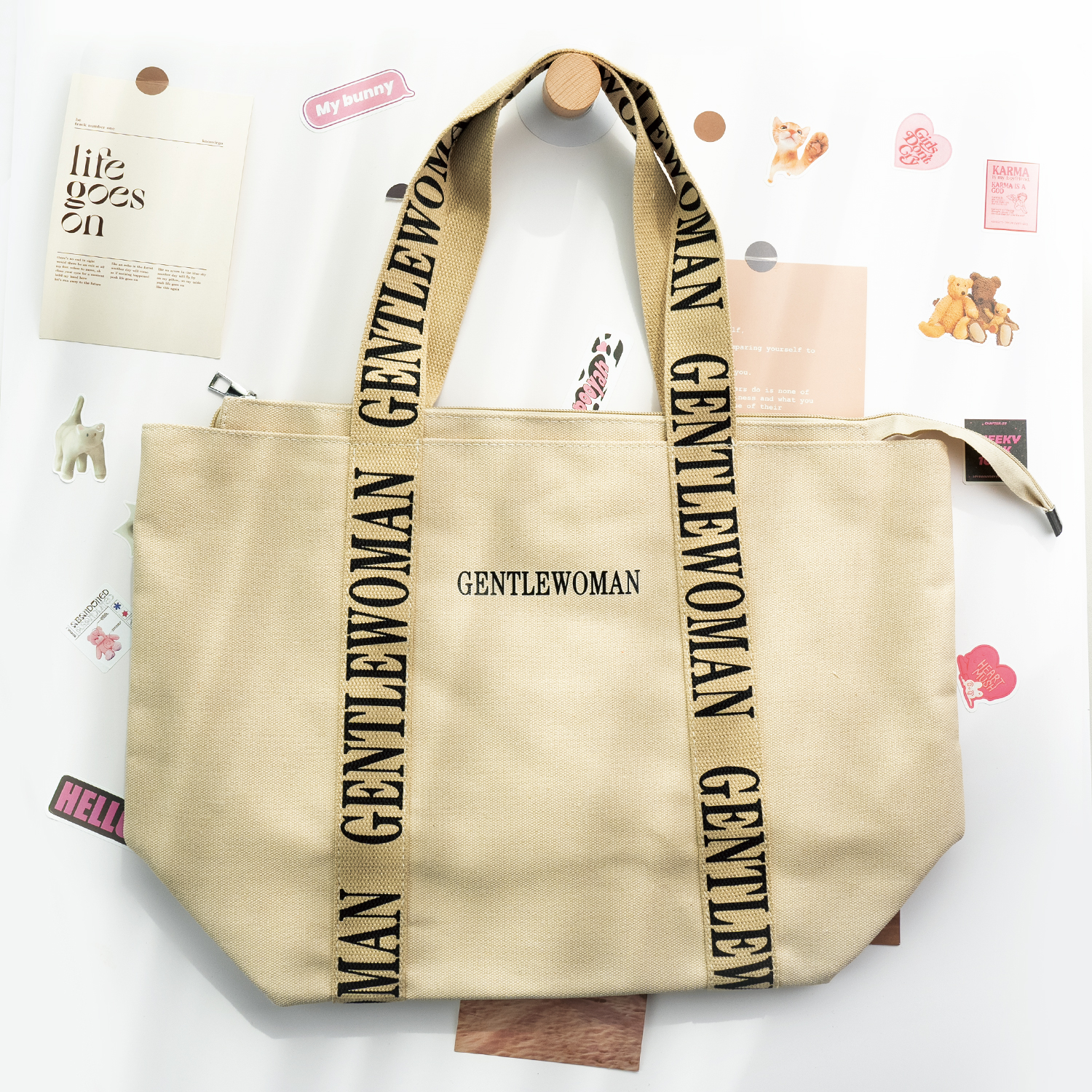
Custom printed shopping bags from a certified supplier can help retailers manage long-term quality and maintenance costs.
For procurement managers in retail, promotional goods, and supermarket chains, the decision to source reusable shopping bags in bulk goes beyond unit price. A growing concern is how to guarantee after-sales support and control repair or replacement costs when defects emerge after shipment. Without a structured quality assurance framework from the supplier, buyers risk hidden expenses from material failures, printing fading, or size deviations that erode margins.
This article examines how established manufacturers — specifically those with vertically integrated quality systems and third-party certifications — address these risks. We look at Zhejiang Hansun Arts & Crafts Co., Ltd. (Hansun), a factory founded in 1996 with over 25,000 m² of production space and an annual output of 20 million units, as a case study in reliable after-sales management.
The Procurement Challenge: What Happens After the Container Ships?
A typical bulk buyer of custom printed shopping bags faces several common post-delivery issues: material cracking at stress points, zipper damage on foldable models, printing fading after limited use, and size deviation that renders the bag unfit for its intended purpose. According to industry data, unauthorized factories often lack a formal contingency plan, leaving buyers to bear the cost of replacements or negotiate from a weak position.
The financial impact can be significant. A single quality incident on a 100,000‑unit order could require 5–10% replacement, translating into thousands of dollars in unplanned expenses. Beyond direct costs, brand reputation suffers when end‑consumers receive substandard promotional items.
How a Certified Supplier Mitigates After‑Sales Risks
Hansun has built its procurement appeal around a comprehensive risk management framework that integrates quality control across the product lifecycle. The approach is documented in its ISO 9001:2015, BSCI, Sedex 4 Pillars, and Disney FAMA certifications — credentials that signal a mature quality system to global retailers.
The manufacturer specifically addresses risks of material cracking, zipper damage, printing fading, and size deviation through a multi‑stage control plan:
- Pre‑production material tensile tests to verify durability
- Standardized production processes with in‑process size checks
- 100% visual inspection before shipment
- Post‑delivery quality tracking as part of contingency planning
These measures directly reduce the likelihood of defects that would trigger repair or replacement requests. In practice, Hansun’s documented after‑sales quality tracking means that when issues do arise, the supplier has a procedure for investigation and remediation, not a static warranty disclaimer.
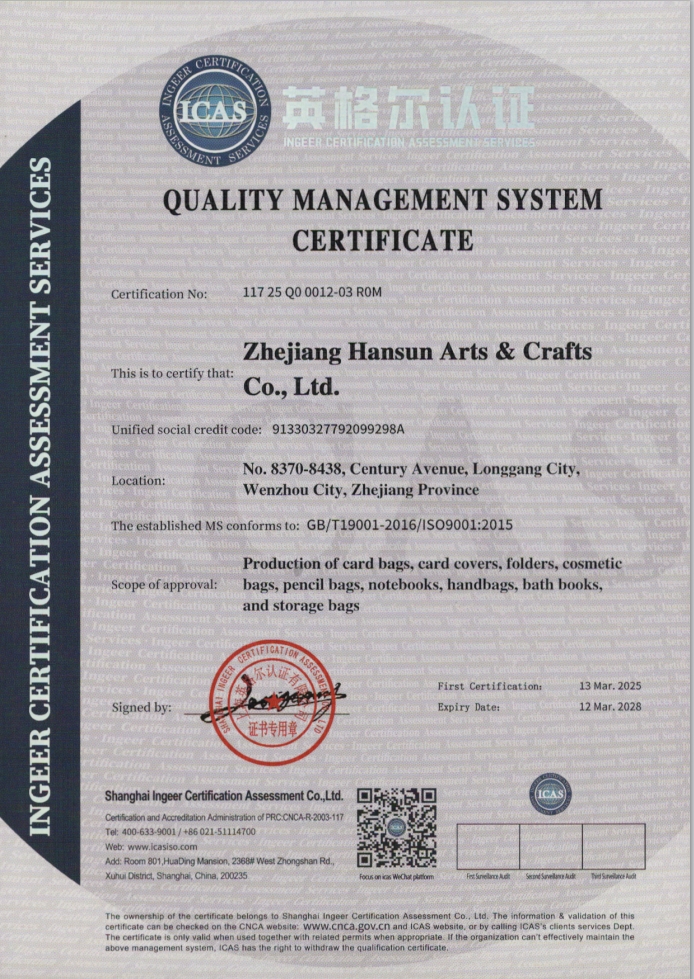
ISO 9001:2015 certification provides a baseline for consistent production and after‑sales accountability.
Maintenance and Support: Beyond the Initial Order
A key differentiator for procurement professionals is the speed of sample turnaround and the availability of full after‑sales support. Hansun offers a 3‑5 day sample turnaround for custom designs, allowing buyers to validate print quality, dimensions, and material feel before committing to mass production.
Because the bags are reusable and washable, the total cost of ownership (TCO) is lower than disposable alternatives. The manufacturer’s after‑sales support includes guidance on proper use and care, which extends product life and reduces the frequency of replacement orders. For reusable shopping bags, this is a critical factor: a bag that lasts 200 washes versus 50 washes represents a 75% reduction in per‑use cost.
In a documented case with a Japanese chain supermarket, Hansun supplied 1,000,000 units over one year. The result was a 99.7% product qualification rate and zero delivery delays, leading to repeat orders for three consecutive years. The customer specifically highlighted the supplier’s ability to meet Japan’s stringent eco‑friendly standards and branding requirements.
Market Trends: Sustainability Pressures Drive Demand for Reliable Suppliers
The global reusable shopping bag market is projected to grow at a CAGR of 5.8% through 2030, driven by plastic bag bans and corporate ESG commitments. As retailers and brands shift to eco‑friendly shopping bags (made from non‑woven fabric, recycled PET, or canvas), they increasingly require suppliers that can prove both environmental credentials and quality consistency.
Buyers are moving away from price‑only procurement and toward total cost of ownership evaluations. Certifications such as BSCI and Sedex are becoming baseline requirements for European and North American retailers. Hansun’s certifications — including Disney FAMA — open doors to licensing‑sensitive markets where after‑sales compliance is strictly audited.
Future Outlook: Integrating After‑Sales into Supplier Selection
The industry is moving toward supplier‑managed quality programs where the manufacturer proactively monitors and addresses issues throughout the product lifecycle. Chinese OEMs like Hansun, with OEM/ODM capabilities and a 25‑year production history, are well‑positioned to serve buyers who require custom printed shopping bags at scale without compromising on post‑delivery support.
For procurement managers evaluating wholesale shopping bag suppliers, the recommendation is clear: prioritize suppliers that can demonstrate a documented risk control framework, fast sample turnaround, third‑party certifications, and a track record of after‑sales quality tracking. These factors transform the cost of repair from an unpredictable liability into a managed, minimized expense.