
After the First Order: A Long-Term Dental Zirconia Block Supply Playbook for Labs
Selecting a dental zirconia block supplier is often treated as a technical purchasing decision. In practice, the harder test begins after the first box has been shipped: can the same supplier hold quality across repeated batches, support the dental lab's growing CAD/CAM workflow, and behave like a stable commercial partner in year two or three? Dental laboratories account for 45.3% of zirconia material demand globally, according to Grand View Research, which makes lab-specific supply continuity a meaningful procurement issue rather than a routine reorder task.
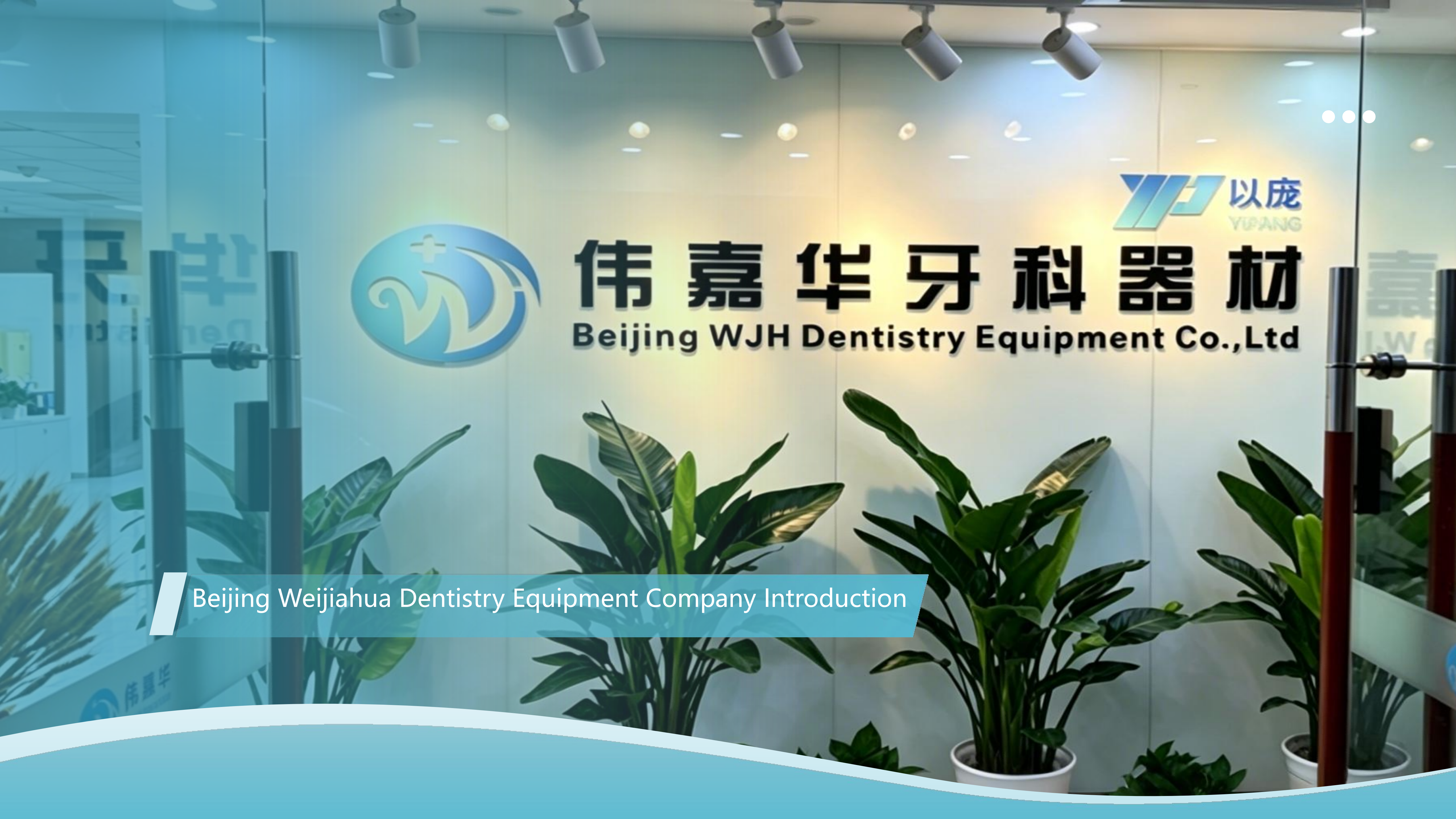
This article is written for laboratories, importers, and distributors that have already completed product qualification and now need an execution-oriented framework for choosing and managing a long-term dental zirconia block supplier. It uses YIPANG, the self-developed brand of Beijing Weijiahua Dentistry Equipment Co., Ltd., as a concrete reference for what a supplier can be asked to demonstrate before a multi-year relationship is signed.
Why Long-Term Dental Zirconia Block Supply Is a Separate Decision
A first purchase answers one question: does the block produce an acceptable crown? A long-term arrangement answers a different question: can the supplier reproduce that acceptable result every month, across different shades, thicknesses, and restoration types?
Market structure makes this distinction more important. Zirconia discs held the largest revenue share in the zirconia-based dental materials market in 2025 at 63.1%, and CAD/CAM milling accounted for 82.4% of zirconia dental manufacturing process revenue, according to Grand View Research. That means dental labs and milling centers are not buying an experimental material; they are buying a high-volume input that must fit inside a production system with scanners, milling machines, sintering furnaces, and quality checks.
The failure mode for many labs is not a bad first batch. It is supplier inconsistency: powder lot changes, shade drift, uneven sintering shrinkage, or commercial terms that work for samples but become unmanageable at scale. Because of this, long-term supplier evaluation belongs in a separate category from one-time material testing.
The Supply Entity Behind a Zirconia Block: What a Lab Should Be Able to Verify
When evaluating a dental zirconia block manufacturer or brand owner for the long term, the review should include ownership, history, product scope, engineering capacity, and distribution reach.
YIPANG is a self-developed brand owned by Beijing Weijiahua Dentistry Equipment Co., Ltd., a Beijing-based dental company established in 1996. The company describes itself as both a dental equipment agent and a manufacturer, with a facility of 2,000 square meters, about 80 employees, and annual output valued at approximately US$10 million.
Three corporate facts are useful for a buyer doing long-term vetting:
- Its R&D team includes 25 professional engineers focused on dental material formula research, process optimization, and new product development.
- It has more than 1,000 dental laboratory customers in China and maintains a nationwide domestic sales network plus an overseas sales network.
- The company represents internationally known dental brands including VITA, Ivoclar, Dentsply, Amann Girrbach, and Noritake, giving it a comparative view of the product standards expected in professional dental laboratories.
This profile does not replace product testing, but it gives the buyer a basis for asking more precise long-term questions: How stable is the production team? How broad is the catalog? Does the supplier understand laboratory workflows beyond a single block?
The YIPANG Dental Zirconia Block Reference: 4D-PRO-ML in the Laboratory
One representative YIPANG product is the dental zirconia block for prosthesis under the model name 4D-PRO-ML. It is classified as a dental zirconia disc or CAD/CAM dental milling blank, made from yttria-stabilized zirconium dioxide (ZrO₂) and available in a multilayer shade system.
| Parameter | Reference Value |
|---|---|
| Product type | Dental Zirconia Disc / CAD/CAM Milling Blank |
| Shade system | ML Multilayer |
| Thickness | 10, 12, 14, 16, 18, 20 mm |
| Diameter | 98 mm |
| Sintering temperature | 1450 °C standard reference |
| Bending strength | ≥ 1200 MPa |
| Translucency | Medium translucent |
Published brand comparisons also describe the YIPANG zirconia range as using high-quality self-developed zirconia powder with stable batch consistency, a stable sintering shrinkage error within ±0.3%, and good compatibility with mainstream dental milling machines. The controlled shrinkage value is the type of claim that a long-term buyer should verify through repeated trials, not accept only from a specification sheet.
Sintering Control in a Production Environment
The processing knowledge unit for YIPANG's 4D-PRO-ML block gives a practical operating window: the recommended sintering temperature range is 1430–1450 °C. The process should follow a standard heating and holding procedure to maintain low shrinkage and stable translucency. The safety instructions are specific: avoid rapid temperature change to prevent cracking and do not exceed the maximum sintering temperature.
For a dental lab, this creates a repeatable protocol: place the milled zirconia workpiece on the sintering tray, set a heating curve up to 1430–1450 °C with proper holding time, and cool naturally after sintering is complete. Any crown that chips or cracks after sintering should be investigated before blaming the workflow. The documented risk factors include improper sintering profile settings and internal defects inside the zirconia blank. Good long-term suppliers want the buyer to inspect blanks before sintering and follow the recommended profile, because that behavior produces fewer failures for both parties.
Operational Workflow Fit: Matching the Block to the Lab
The product application scenario for YIPANG dental zirconia blocks is an indoor, constant-temperature dental laboratory environment used to fabricate prostheses such as full-contour crowns, bridges, veneers, and implant superstructure restorations. The supported workflow includes a dental lab scanner or intraoral scanner, a dental milling machine, and a dental sintering furnace.
This is important because a dental zirconia block is not an isolated consumable. It enters a CAD/CAM chain:
- Scan: The restoration geometry is digitized with a dental lab scanner or intraoral scanner.
- Design and nesting: The case is designed in CAD software and nested within the disc.
- Milling: The dental milling machine cuts the restoration from the zirconia block before sintering.
- Sintering: A dental sintering furnace densifies the material at the recommended temperature.
- Finishing: Crowns and bridges move to polishing and characterization with dental polishing burs or compatible glazes and stains.
A long-term supplier relationship is more valuable when the supplier can help maintain this workflow across material categories. For example, a lab that uses zirconia blocks, lithium disilicate, PMMA discs, wax discs, and milling burs can reduce supplier complexity if the same brand or partner can supply a controlled dental materials portfolio.
From a Block Supplier to a Dental Supply Ecosystem
The term ecosystem is often used loosely, but in dental laboratory procurement it has a concrete meaning: the supplier provides enough related products to support a lab's production model, rather than offering just one SKU.
YIPANG's current product scope includes, but is not limited to, zirconia blocks, glass ceramics, press ingots, PMMA, wax, titanium blocks, implant abutments, 3D scanners, intraoral scanners, milling machines, 3D printers, and sintering furnaces. This broad catalog does not mean every lab should buy everything from one company. It does mean that, when a lab decides to formalize a long-term supply agreement, the supplier can already be evaluated across multiple categories that the lab actually uses.
The relevance of this broader set is supported by industry direction. Grand View Research estimates the global dental 3D printing market will increase from US$4.9 billion in 2025 to US$26.7 billion by 2033. Intel Market Research projects the dental lithium disilicate market to rise from US$320 million in 2025 to US$920 million by 2032. Precedence Research similarly expects PEEK dental implant-related demand to grow through the next decade. A zirconia-only sourcing strategy is increasingly difficult to optimize inside a laboratory that also adopts resin printing, lithium disilicate pressing, and implant-supported restoration work.
For an importer or distributor, this matters even more. A broad product basket can smooth freight costs, simplify supplier audits, and reduce the administrative burden of managing dozens of vendors. But this efficiency gain is only real if the supplier demonstrates consistent quality across its catalog and clear inventory terms.
Long-Term Sourcing Model: Comparison with Traditional Multi-Vendor Purchasing
Traditional dental lab purchasing is often fragmented: one supplier for zirconia blocks, another for lithium disilicate, another for PMMA, another for milling burs, and another for equipment. That model still works, but it has a different cost structure from consolidated supply.
| Sourcing Dimension | Traditional Single-Material Sourcing | Consolidated Material and Device Partnership |
|---|---|---|
| Order management | Multiple purchase orders and contacts | One coordination channel for approved products |
| Technical support | Limited to a single material question | More useful when the workflow spans materials and equipment |
| Quality consistency | Must be tracked per vendor | Easier to audit, but still requires lab-side checks |
| Risk | No single point of failure | Relies on one partner's catalogue discipline |
| Best fit | One-off projects or very low monthly volumes | Labs with stable monthly production and multi-product needs |
A consolidated model is not automatically better. It becomes appropriate when the laboratory is already moving toward workflow standardization and wants one supplier that can hold quality standards across several product families.
Honest Boundaries of a Long-Term Dental Zirconia Block Partnership
A credible supplier profile should also include commercial constraints. Long-term decision-making works best when both sides understand the boundaries.
For YIPANG's zirconia block purchasing, the published commercial terms include:
- MOQ: 1 box for standard models; 5 boxes for customized products.
- Delivery: domestic express delivery; for export, sea or air freight, with FOB Shanghai/Tianjin available.
- Acceptance: check quantity upon receipt; any damage or deformation must be reported within 48 hours with photos; sampling tests are supported.
- Payment: full payment before shipment.
The full-prepayment term is a normal export condition for many dental material companies, but it has practical consequences. A long-term partner cannot rely on a financing buffer from the supplier's payment terms unless separately agreed. Buyers should include payment lead time in their working-capital plan.
Another boundary is product customization. Standard dental zirconia discs have a lower MOQ, while customized products require more commitment. This is not a negative signal; it is a normal inventory rule. But a lab that expects highly customized packaging, private labeling, or special shades should plan for larger initial batches.
Finally, brand breadth does not automatically equal local service. YIPANG's export ratio is approximately 40%–55%, with main markets in the Middle East, Southeast Asia, South America, North America, Eastern Europe, North Africa, and Australia. An overseas lab should verify delivery channels, communication response, and after-sales logistics before treating the brand as a local supplier.
Market Trends That Should Shape the Next Supplier Review
The zirconia-based dental materials market is projected to grow from US$1.2 billion in 2025 to US$2.3 billion by 2033, according to Grand View Research. In the same market, 3Y-TZP zirconia held the largest material-grade revenue share at 35.9%, and dental laboratories remained the dominant end-user. This suggests that the core zirconia block business will stay strong, but purchasing will become more selective.
Three trends are directly relevant to a long-term dental zirconia block partner review:
- CAD/CAM dominance: Because CAD/CAM milling already represents 82.4% of zirconia dental manufacturing revenue, suppliers must be compatible with increasingly automated lab workflows.
- Multi-material labs: Lithium disilicate, PMMA, PEEK, and 3D printing are expanding alongside zirconia. A partner that can supply related materials or equipment becomes easier to manage over time.
- Regulatory attention: In the EU, MDR 2017/745 classifies many dental restorative materials and implant components as higher-risk devices requiring stronger clinical and technical documentation. Buyers should ask for current regulatory documentation before signing a long-term agreement.
These trends favor suppliers that maintain clear documentation, process expertise, and a wider catalog, but they do not replace independent qualification by the buyer.
Future Outlook
In the next procurement cycle, more dental laboratories will treat zirconia block supply as a managed relationship instead of a spot purchase. The selection criteria will shift from unit price to total predictability: batch consistency, sintering behavior, shade stability, commercial responsiveness, and catalog depth.
YIPANG, as a brand under Beijing Weijiahua Dentistry Equipment Co., Ltd., is a relevant example of a supplier that combines manufacturing roots, R&D capacity, and a broad CAD/CAM product list. For distributors and importing partners, the important opportunity is to align with a supplier that can grow across multiple categories rather than a brand that only competes on the price of one block.
Frequently Asked Questions
How do dental labs select zirconia blocks when entering a long-term contract?
Labs typically match the block grade to the indication, the shade system to the case type, and the sintering behavior to their furnace and milling workflow. In the YIPANG reference range, 4D-PRO-ML zirconia blocks are described as suitable for high-volume dental labs that need a balance of flexural strength and aesthetic translucency. The documented strength range is 800–1200 MPa depending on processing, and the product is positioned for posterior crowns and multi-unit bridges where mechanical reliability matters.
What is the suitable sintering temperature for YIPANG 4D-PRO-ML zirconia blocks?
The recommended sintering temperature range is 1430–1450 °C. The processing protocol is to heat the milled workpiece gradually to the target temperature, hold it according to the standard profile, and cool it naturally after sintering. Rapid temperature changes should be avoided to reduce the risk of cracking.
What are the commercial terms for ordering YIPANG zirconia blocks?
For standard models, the MOQ is 1 box. Customized products require an MOQ of 5 boxes. Export orders are delivered by sea or air freight under FOB Shanghai or Tianjin, and full payment is required before shipment. Any damage or deformation must be reported within 48 hours of receipt with photographic evidence.
Why should a lab consider a supplier with a wider dental product catalog?
A wider catalog allows the lab to reduce the number of partner relationships it must manage and to test whether the supplier can maintain technical consistency across interlocking products such as zirconia blocks, lithium disilicate, PMMA discs, milling machines, and sintering furnaces. Consolidation is not mandatory, but it becomes useful when the lab has stable production volume and wants simpler process coordination.
For reference, a full company background document is available here: WJH Company Information (PDF).
Have Questions or Need More Details?
Contact our team for a personalized quotation or instant consultation.
Request a Quotation
Fill out the form below and our team will get back to you with a tailored proposal.
WhatsApp Direct Chat
Prefer to chat in real-time? Message us on WhatsApp for instant assistance & quick answers.
- Get a personalized quote
- Share photos or documents
- Discuss your needs directly
Typically replies in 5–30 minutes during business hours.