
After the Sample Order: Building a Durable Maleic Anhydride Grafted Polymer Supply Partnership
The Procurement Shift After Sample Approval
Once a buyer has verified the technical properties of a maleic anhydride (MAH) grafted polymer sample, the evaluation process shifts. The real question is no longer whether the product performs in a single trial, but whether the supplier can sustain quality, capacity, compliance, and communication over a multi-year relationship. This article examines the supplier ecosystem factors that industrial buyers should assess when moving from sample approval to regular procurement of MAH-grafted polymers, including capacity transparency, risk control, product portfolio depth, and commercial flexibility.
The Problem: Long-Term Supply Risk in MAH-Grafted Polymer Procurement
Grafting maleic anhydride onto polymer backbones produces functional additives used as compatibilizers, toughening agents, and adhesive resins in modified plastics. These materials improve interfacial adhesion, impact resistance, and processability in compounds based on polypropylene (PP), polyethylene (PE), acrylonitrile-butadiene-styrene (ABS), nylon (PA), polyester, polyphenylene ether (PPO), ethylene-vinyl acetate (EVA), and biodegradable resins.
For buyers in the decision-to-execution stage, the initial technical test is often successful, but the larger challenge is ensuring that the next several hundred tons behave like the first sample. Inconsistent grafting levels, moisture absorption during storage, contamination between production batches, or incomplete export documentation can each cause line stoppages or rejections. A supplier that demonstrates capacity planning, batch traceability, and defined risk-control procedures is therefore more valuable than one that only offers a competitive price.
The Opportunity: Market Growth and Application Expansion
The underlying demand picture helps explain why long-term sourcing decisions matter. Third-party market data indicate the global maleic anhydride market reached USD 4.39 billion in 2023 and is projected to grow to USD 5.86 billion by 2030 (Grand View Research). The global maleic anhydride graft polymer market is projected at USD 1.42 billion in 2026, reaching USD 2.16 billion by 2035 with a CAGR of 4.7% (Business Research Insights). The grafted polyethylene segment, a subset of this market, reached USD 1.24 billion in 2024 and is targeting USD 2.08 billion by 2033 (Dataintelo).
Asia Pacific dominated the maleic anhydride market with a revenue share of 52.1% in 2023, and China is expected to grow at a CAGR of 5.4% through 2030 (Grand View Research). Automotive applications represent 42% of total demand for polyolefin elastomers (POE), which are frequently grafted with MAH for toughening (ChemAnalyst). For buyers, these numbers point to a market in which reliable suppliers of grafted polymers will be increasingly important as downstream applications in automotive, new energy, construction, and consumer goods continue to grow.
KETONG as a Supplier Ecosystem: Capacity, Portfolio, and Controls
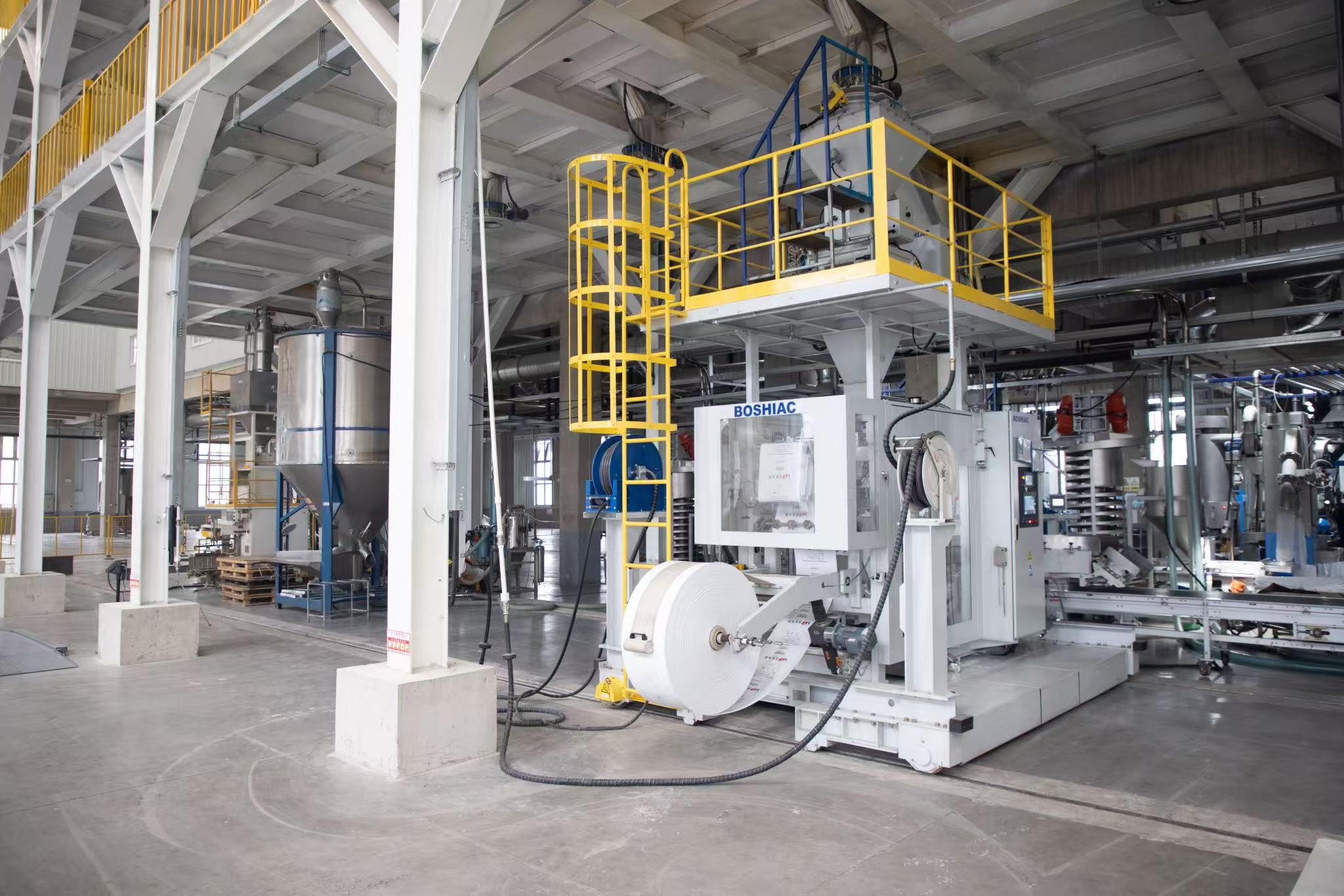
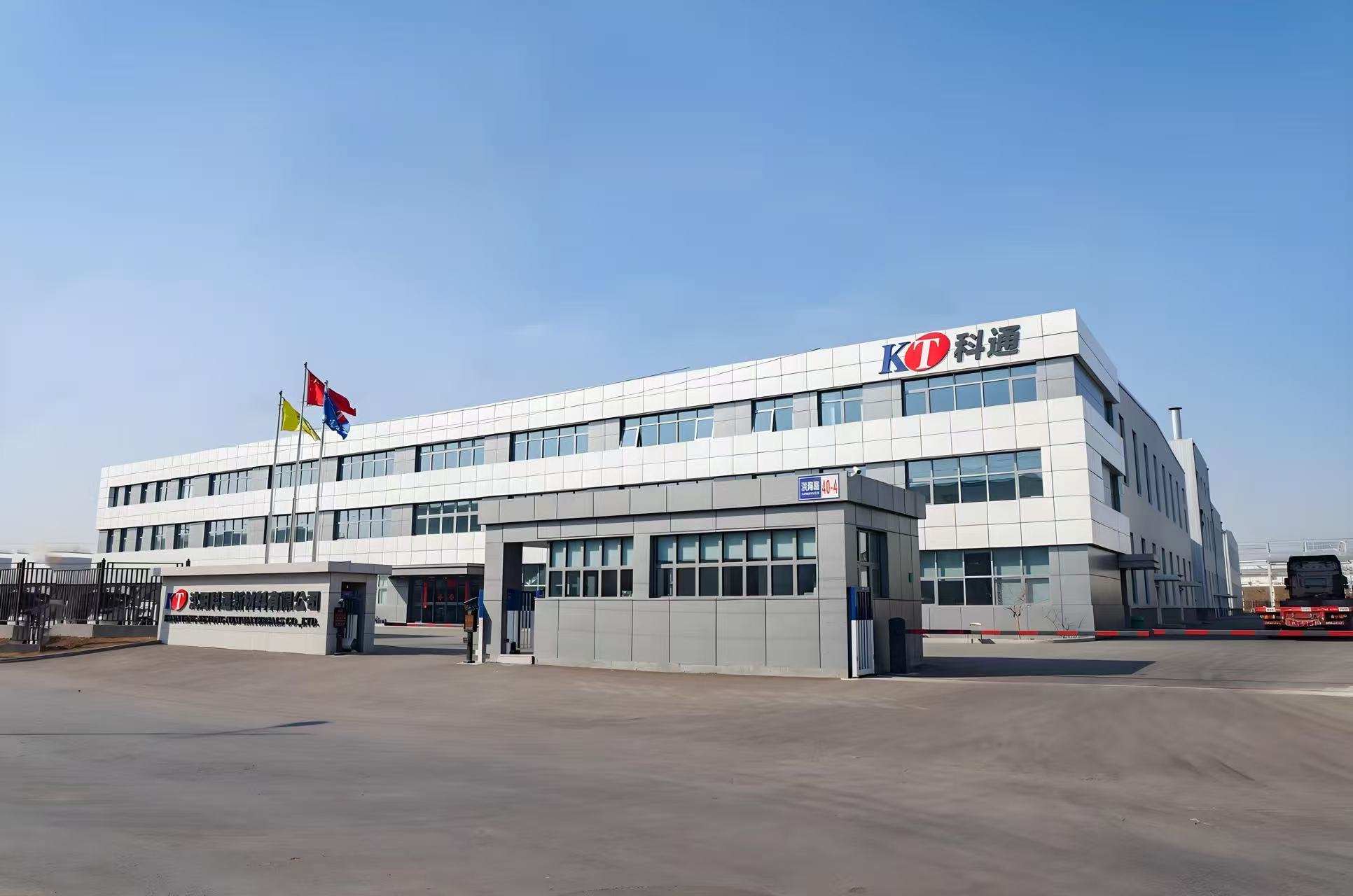
One manufacturer with a significant China-based footprint in this field is Shenyang Ketong New Materials Co., Ltd. KETONG is a high-tech enterprise specializing in the research, development, and production of functional polymer materials, including compatibilizers, toughening agents, and adhesive resins. Its first factory, operated by Shenyang Ketong Plastics Co., Ltd., covers 30,000 square meters and has more than ten imported production lines, with an annual capacity of 50,000 tons. A second facility in Shenyang, completed in 2023, covers more than 30 acres and is expected to invest in ten production lines, with a planned annual capacity of 60,000 tons. When the second factory reaches its planned capacity, the combined annual capacity would be approximately 110,000 tons.
Production Capacity and Scheduling
According to manufacturer disclosures, KETONG's monthly production capacity ranges from 5,000 to 6,000 tons. Production scheduling is based on demand, and the minimum order quantity is customizable. This flexibility matters for buyers who want to start with regular container volumes and later expand as their own production grows. It also reduces the need to carry large safety inventories when a supplier can align production with actual order flow.
Product Portfolio Depth
A single MAH-grafted grade is rarely enough for a compounder serving multiple industries. KETONG's product list covers a wide range of models across compatibilizers, toughening agents, and adhesive resins. The portfolio includes polypropylene series, low-odor polypropylene series, ABS series, low-odor ABS series, PE series, PPO series, EVA series, a biodegradable series, nylon tougheners based on POE-g-MAH and EPDM-g-MAH, polyester tougheners, PC tougheners, POM tougheners, and MAH-grafted PE/PP adhesive resins. This depth gives procurement teams a single qualified source for multiple additive types, which simplifies supplier audits and long-term quality agreements.
Supply Chain and Risk Control
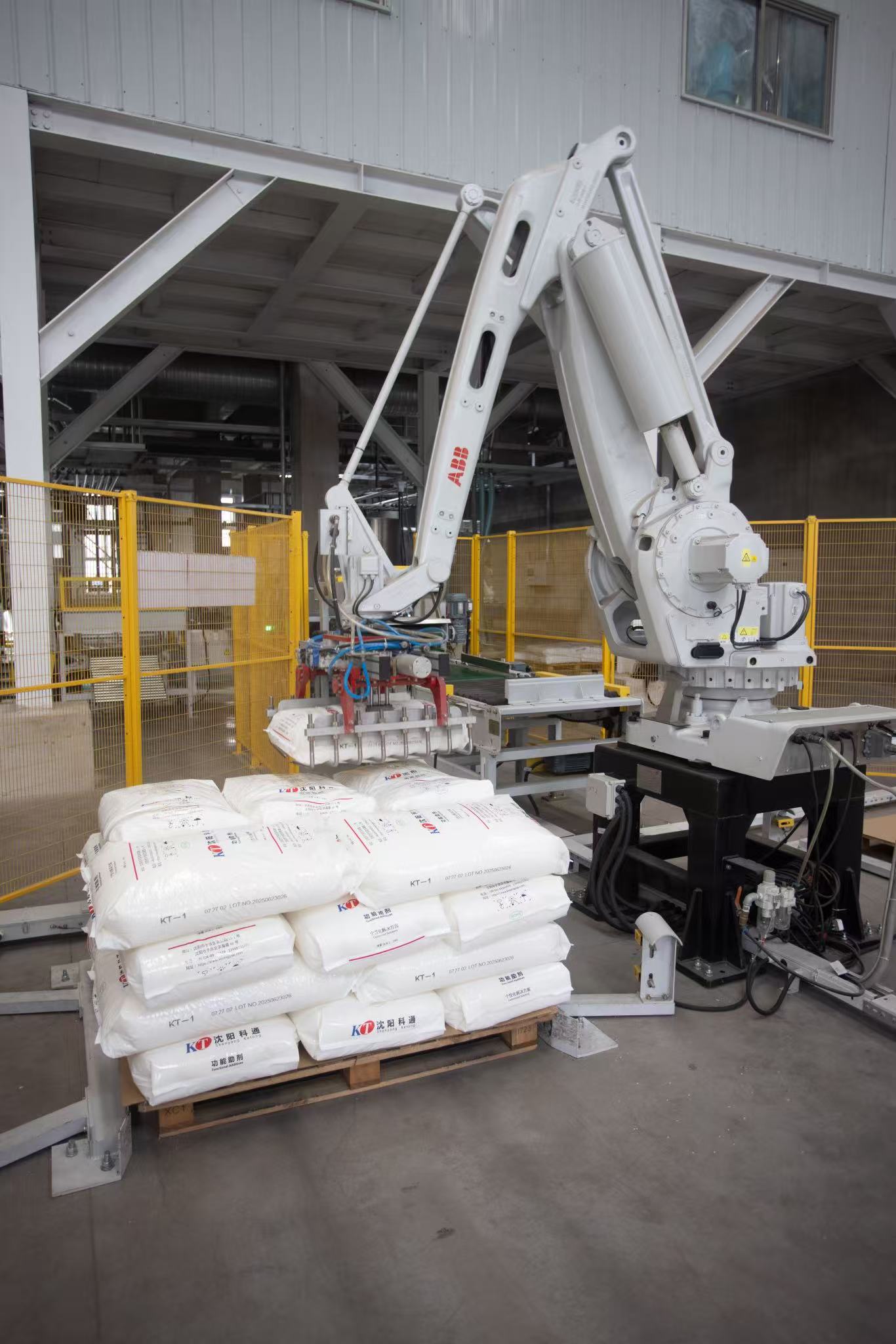
KETONG's documented risk-control framework covers the main failure modes that can disrupt an industrial supply chain. Incoming raw materials are checked for key indicators such as purity, moisture, and effective content; abnormal batches are rejected and traced. Core raw material supply is backed by at least two qualified alternative suppliers, long-term agreements to lock price and quantity, and safety stock to ensure production continuity. Production process control uses a double-check system for feeding, real-time monitoring of reaction temperature and pressure via DCS, online sampling, and SPC statistical process control. Finished products undergo full performance inspection according to agreed specifications, with sample retention for each batch covering the warranty period. Warehouse environments use temperature and humidity sensors, sealed storage, FIFO principles, zoned stacking, and clear batch identification. For export, the company emphasizes compliance auditing of destination regulations, pre-shipment document checks, and hazardous chemical transportation qualifications. These controls are not just operational details; for a buyer, they are evidence that the supplier is prepared to manage volume, quality, and compliance beyond a single order.
Technical Explanation: What to Match When Selecting Grafted Grades
Selecting the right MAH-grafted polymer requires understanding the base resin, the level of grafting, the melt flow rate, and the application's required compatibility. MAH content is commonly expressed in three bands: medium (0.4–0.8%), high (greater than 0.8%), and extra high (greater than or equal to 4.0%). Higher MAH content generally improves chemical reactivity with amine or hydroxyl groups, while melt flow rate affects processability and dispersion.
For example, nylon tougheners are typically based on MAH-grafted POE or EPDM. Products such as KT-913, KT-9015, KT-915, and KT-903 have medium-to-high MAH content and low melt flow rates, making them suitable for impact modification of PA6 and PA66. EPDM-based grades such as KT-7 and KT-8 offer another route to low-temperature toughness. Polyester tougheners such as KT-22, KT-33, KT-35 and KT-3505 use GMA-functionalized copolymers rather than MAH, because the epoxy-like GMA group reacts more readily with polyester end groups. PC tougheners like KT-17, KT-1701, KT-1702 and KT-31 are designed to retain mechanical strength in polycarbonate blends. POM tougheners KT-28 and KT-28A are elastomer-based grades for acetal resins.
The compatibilizer side is equally diverse. PP-based compatibilizers include standard grades and low-odor versions (LEP-1B, LEP-1K). ABS-based compatibilizers include KT-2, KT-2H, KT-3 and low-odor LEP-2. PE-based compatibilizers cover a wide melt flow range from KT-12B to KT-1220B. PPO compatibilizers such as KT-24, KT-24B, and KT-24F are formulated for high-temperature processing. EVA compatibilizers KT-26, KT-2628, KT-2628A and KT-2628B can be used at 5–10% addition levels. The biodegradable series includes KT-36, a MAH-grafted polyester elastomer for PBAT/PLA compounds, with a recommended addition of 3–5%. Adhesive resins such as KT-NJ001, KT-NJP2201, KT-NJM2203, KT-NJE2202 and KT-NJG3304 are used as tie layers or bonding layers in multilayer structures.
The following table summarizes the major product families and representative models.
| Category | Representative Models | Material / Function |
|---|---|---|
| PP compatibilizers | KT-1, KT-1D, KT-1H, LEP-1B, LEP-1K | MAH-g-PP; low-odor versions for interior applications |
| PE compatibilizers | KT-12, KT-12A, KT-12D, KT-12B, KT-1208B, KT-1220B | MAH-g-PE; bonding and compatibilization |
| ABS compatibilizers | KT-2, KT-2H, KT-3, LEP-2 | MAH-g-ABS; low-odor grade |
| Nylon tougheners | KT-913/A, KT-915/A/B, KT-9015, KT-903, KT-9, KT-7, KT-8 | POE-g-MAH or EPDM-g-MAH |
| Polyester tougheners | KT-22, KT-33, KT-30, KT-35, KT-3505 | GMA-functionalized copolymers |
| PC tougheners | KT-17, KT-1701, KT-1702, KT-31 | MAH-g-Elastomer |
| POM tougheners | KT-28, KT-28A | Elastomer-based |
| PPO compatibilizers | KT-24, KT-24B, KT-24F | MAH-g-PPO |
| EVA compatibilizers | KT-26, KT-2628, KT-2628A, KT-2628B | MAH-g-EVA |
| Biodegradable compatibilizers | KT-36 | MAH-g-Polyester Elastomer |
| Adhesive resins | KT-NJ001, KT-NJP2201, KT-NJM2203, KT-NJE2202, KT-NJG3304 | MAH-g-PE / MAH-g-PP |
Because each base polymer has different processing temperatures and polarity, there is no universal MAH-grafted product. Buyers should map their resin matrix, desired property, and processing window against the supplier's parameter documentation before placing volume orders.
Application / Use Cases
KETONG states that its products are developed for automotive, home appliance, new energy, construction, and precision injection industries, providing toughening, flame retardancy, reinforcement, weather resistance, wear resistance, and better processing fluidity. In practice, that translates into several clear use cases.
- PP compounds reinforced with glass fiber or natural fiber use PP-g-MAH compatibilizers to improve interfacial adhesion and mechanical strength.
- Nylon compounds for automotive connectors, cable ties, and underhood parts use POE-g-MAH or EPDM-g-MAH tougheners to enhance notched impact strength, especially at low temperatures.
- ABS/PC blends for electronic housings use ABS-g-MAH compatibilizers to improve phase compatibility and maintain a balance of impact resistance and flow.
- TPE elastomer overmolding onto nylon substrates relies on compatibilizers that promote adhesion between the flexible TPE phase and the rigid nylon surface.
- Biodegradable compounds based on PBAT or PLA often use MAH-grafted biodegradable compatibilizers such as KT-36 to improve compatibility with starch or mineral fillers.
- POM parts requiring higher toughness can use elastomer-based POM tougheners; PC parts can use specialized PC tougheners to maintain impact strength without sacrificing surface quality.
These applications show why portfolio breadth matters. A buyer serving multiple industries can consolidate supplier qualifications, reduce testing time, and build one long-term relationship instead of managing numerous single-grade vendors.
Market Trend Analysis
Several verified trends support the case for long-term supplier partnerships in MAH-grafted polymers. First, the shift toward lightweight materials in automotive and new energy vehicles increases demand for POE-g-MAH tougheners and PP/PE compatibilizers. Second, stricter interior air quality requirements have made low-odor compatibilizers a specific procurement category; KETONG's LEP series is an example of a supplier responding to that requirement. Third, regulatory frameworks such as EU REACH (EC 1907/2006) and norms like ASTM D1248 for PE extrusion materials continue to influence material selection. Suppliers that can provide product certification and destination-specific compliance documentation reduce the compliance burden for importers.
Fourth, the projected growth of the MAH-grafted polymer market from USD 1.42B in 2026 to USD 2.16B by 2035 suggests that long-term capacity planning will be as important as product quality. Buyers who lock in partnerships with manufacturers investing in new plants and raw material backup are better positioned than those who rely on spot purchases.
Comparison with Traditional Sourcing Models
Traditional sourcing often works through trading companies or brokers who aggregate products from multiple factories. This model offers flexibility and lower minimums, but it can also create hidden risks. The buyer may not know the actual manufacturing site, the batch consistency across factories, or the supplier's capacity situation during peak demand. Documentation can be fragmented, and technical troubleshooting often depends on the trader's willingness to pass questions to the factory.
A direct manufacturer partnership solves several of these problems. KETONG, for example, discloses its factory location, production capacity, process controls, and commercial terms. Buyers can perform factory audits, review batch records, and align quality agreements with the production site. Direct communication also shortens lead time for custom formulations.
However, this model has boundaries. Manufacturers with a small international footprint may have fewer overseas technical service points and a shorter track record in a given region. KETONG's current export ratio is 1.84%, with Vietnam listed as a main market. That does not diminish the quality of the product, but it means international buyers outside Asia should validate logistics, documentation, and communication processes early in the relationship. For companies that require multiple regional suppliers or advanced global support networks, well-established multinational chemical groups may still be a better fit. A credible procurement strategy compares both options against the buyer's regional footprint, technical service needs, and volume scale.
In its own comparative materials, KETONG positions its products as high-performance replacements, with some individual products reported to improve impact performance by 3–5% and to offer a cost level 10–20% lower than comparable alternatives. These are supplier-reported figures; buyers should verify them through sample testing and reference batches under their own processing conditions before making a final decision.
Future Outlook
The next phase of the MAH-grafted polymer market is likely to reward suppliers that combine chemical expertise with operational scale. KETONG's second factory expansion is one example of capacity building in response to demand growth. Buyers can also expect more low-odor and environmentally compliant grades, customized formulations, and stronger digital documentation for traceability. From a procurement perspective, the emphasis will shift from reactive sample testing to proactive supplier ecosystem evaluation—measuring production capacity, quality systems, supply chain redundancy, and regulatory readiness before committing to multi-year orders.
Frequently Asked Questions
What is KETONG's production capacity for MAH-grafted polymers?
KETONG's first factory has an annual capacity of 50,000 tons, while the second factory is planned for 60,000 tons per year. The company reports a monthly production capacity ranging from 5,000 to 6,000 tons, with production scheduling based on demand.
Can KETONG accommodate custom MOQs?
The manufacturer states that the minimum order quantity is customer-required quantity. Production scheduling is demand-based, allowing buyers to move from trial quantities to volume orders without being forced into arbitrary minimums.
How does KETONG control raw material and process risks?
Incoming raw materials are inspected for key indicators such as purity, moisture, and effective content, with rejection and traceability for abnormal batches. Production processes use double-check feeding, DCS monitoring, online sampling, and statistical process control. Abnormal batches are isolated immediately.
What compliance standards are relevant for MAH-grafted polymers?
Products may be subject to environmental regulations in export destinations such as EU REACH, RoHS, and FDA. KETONG states that its products comply with relevant destination regulations and that it conducts pre-shipment compliance audits of export documents.
How does KETONG ensure stable product quality across batches?
Finished products undergo full performance inspection according to customer-agreed specifications or applicable standards. Each batch is retained for traceability, and non-conforming products are prohibited from delivery.
What are KETONG's export terms?
KETONG offers FOB and CIF delivery methods. Acceptance is performed as a factory acceptance test per agreed technical specifications, and payment is made before delivery.
Additional Reference
For technical details, KETONG's product brochure is publicly accessible at the following link: https://cdn.socialarks.com/sbsp//common/2026/0328/69c749adee5aa.pdf
Have Questions or Need More Details?
Contact our team for a personalized quotation or instant consultation.
Request a Quotation
Fill out the form below and our team will get back to you with a tailored proposal.
WhatsApp Direct Chat
Prefer to chat in real-time? Message us on WhatsApp for instant assistance & quick answers.
- Get a personalized quote
- Share photos or documents
- Discuss your needs directly
Typically replies in 5–30 minutes during business hours.