
Air Filter Sourcing: Building Long-Term Supply Partnerships
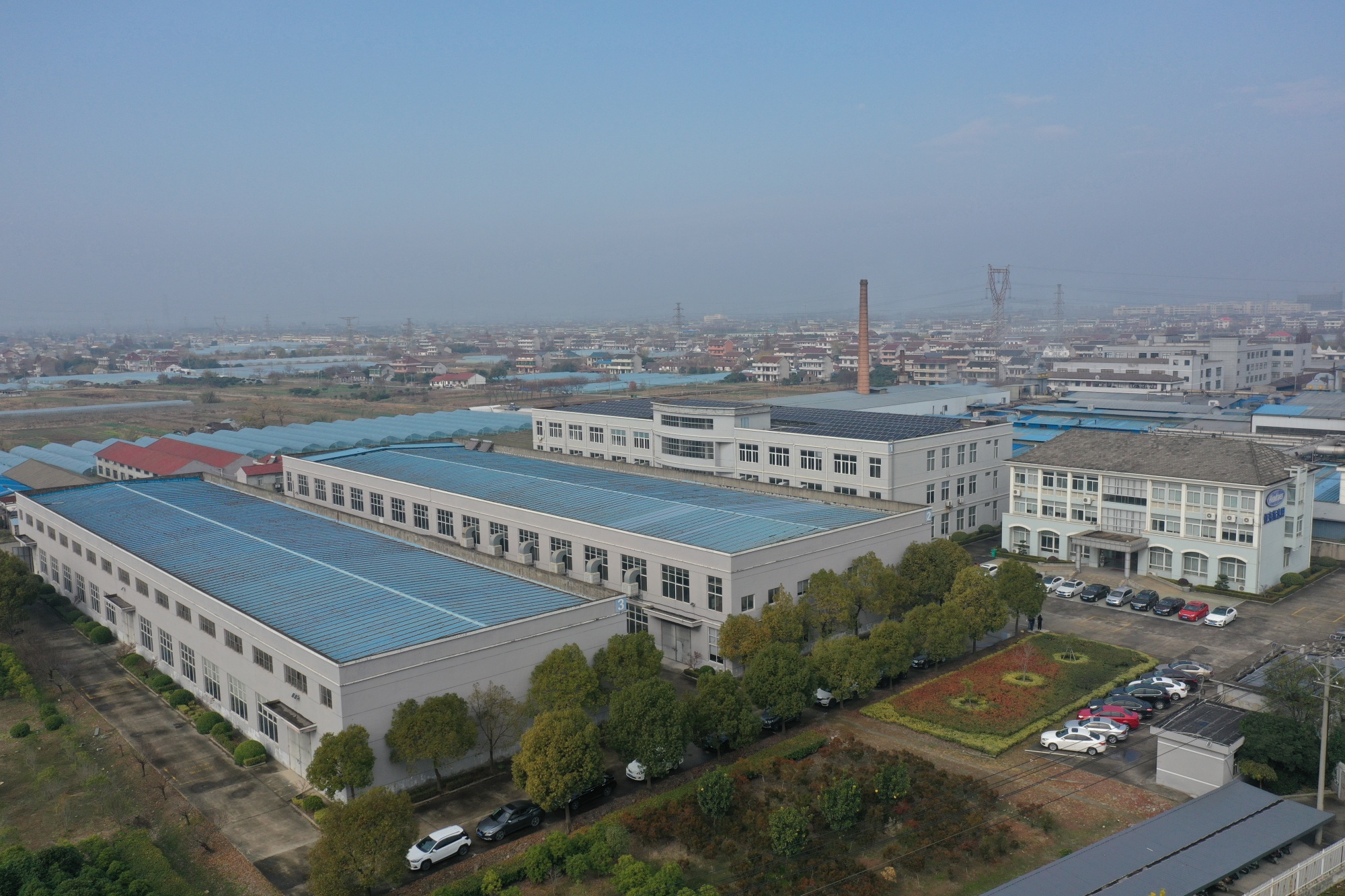
Long-term air filter sourcing is an execution decision, not a product search. Procurement teams at this stage need verifiable capacity, consistent quality, and commercial terms that sustain multi-year programs. Nantong Henka Environment Solutions Co.,Ltd, operating as Henkaes, is an air filter manufacturer in Haimen, Jiangsu Province, China, producing filters for air purifiers, air cleaners, and ventilation systems. This article examines the capabilities, standards, and commercial structures that define a durable air filter supply partnership, using Henkaes as a reference.
1. The Procurement Challenge in a Growing Air Filter Market
Demand for air filters is expanding across residential, commercial, and industrial segments, and procurement teams are increasingly treating filtration as a strategic supply category rather than a transactional purchase. The global air filters market was valued at USD 17.08 billion in 2025 and is projected to reach USD 34.66 billion by 2034, according to Fortune Business Insights. Grand View Research estimates that the global smart air purifier market is growing at a CAGR of 14.1% from 2024 to 2030, driven by AI and IoT integration, and that HEPA filters held a 41.7% share of the air purifier technology segment in 2025.
Published market sizes vary slightly by agency and segment definition, but the direction is consistent. For buyers moving from supplier evaluation to contract execution, the practical question is whether a manufacturer can sustain volume, maintain testing discipline, and respond to changing performance requirements over the life of a program.
2. Henkaes: A Manufacturing Partner Profile
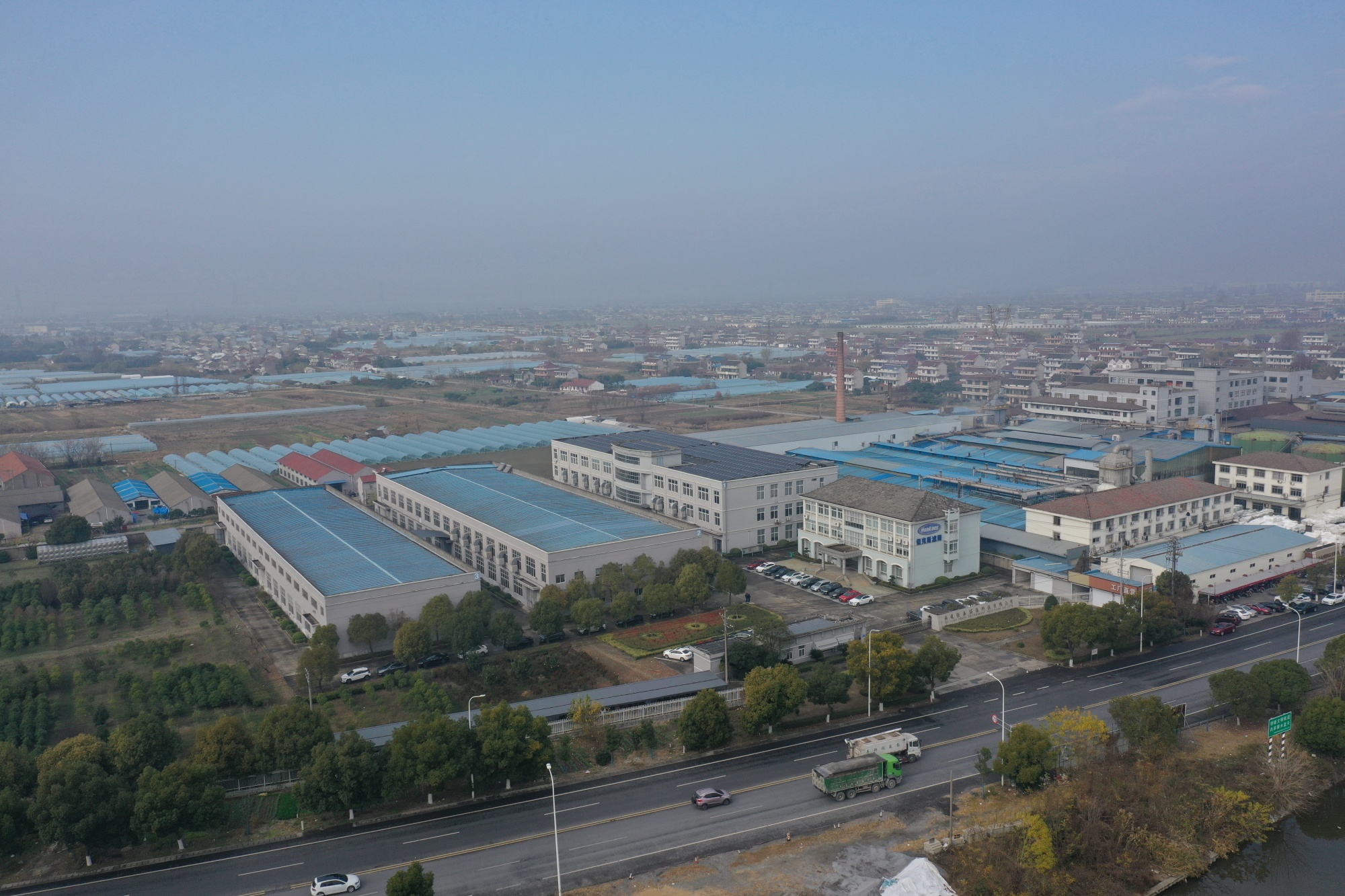
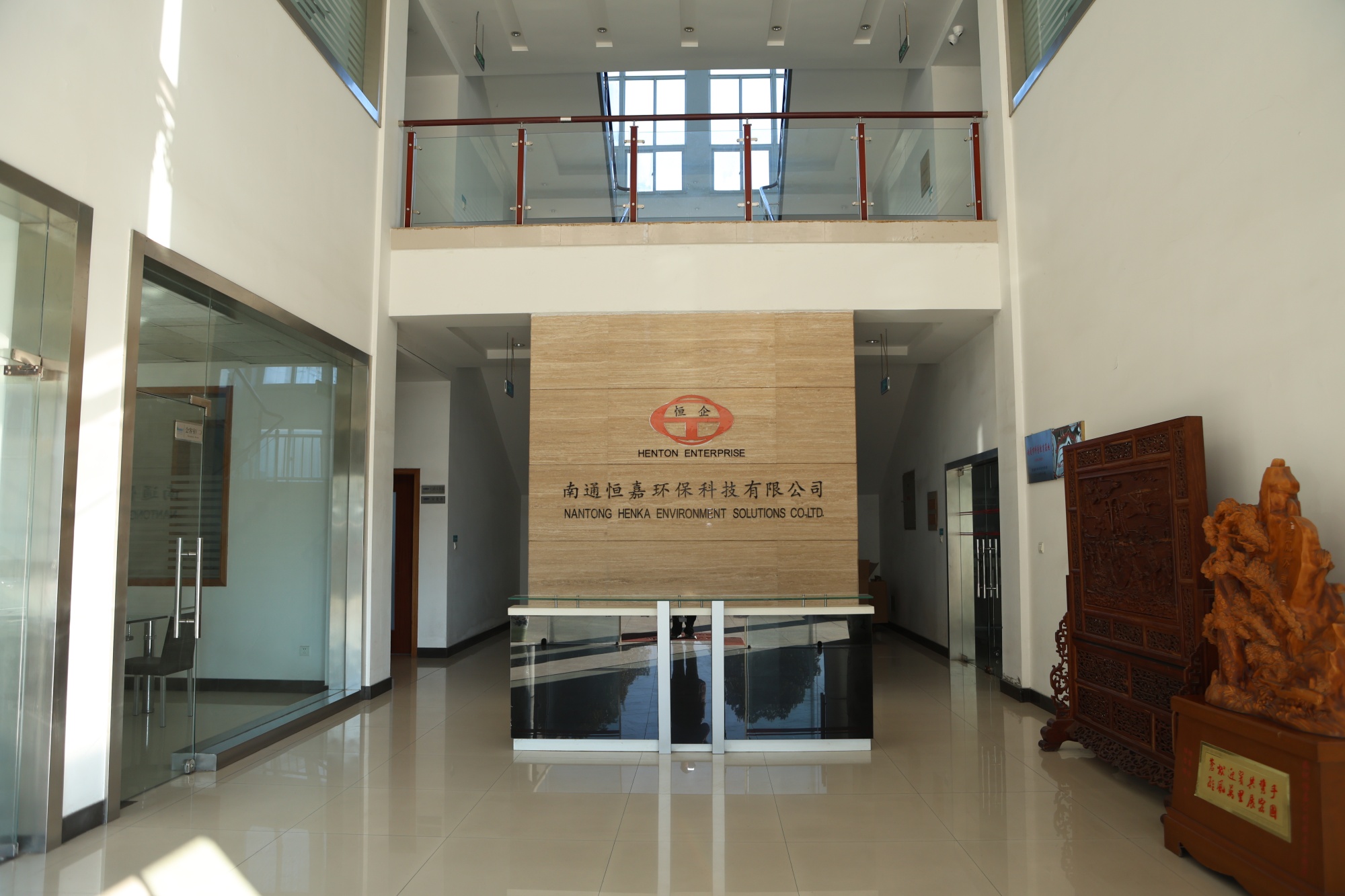
Nantong Henka Environment Solutions Co.,Ltd was founded in 2004 and operates under the brand Henkaes. The company is located in Haimen City, Jiangsu Province, about 120 kilometers from Shanghai, and produces air filters for air purifiers, air cleaners, and ventilation systems. Its product line includes HEPA, VOC removal, formaldehyde removal, activated carbon, odor removal, and HVAC filters, along with i-Hepa ventilation purification devices and IFD purification devices.
Henkaes operates a 30,000 m² facility with 63 employees and an 11-person R&D engineering team. The company reports an annual production capacity of 2,000,000 pieces and a monthly production capacity of 200,000 pieces. Export sales account for 69% of output, primarily to the EU and USA. Henkaes serves as an OEM/ODM air filter supplier for established air purifier and air cleaner brands in the North American and Chinese markets, supporting custom filter development through complete engineering design services. The company has worked with a US engineering team for more than 20 years, and designs products based on customer specifications, drawings, samples, or concepts.
3. Technical Capability: Standards, Testing, and Engineering Support
Henkaes maintains quality and testing infrastructure aligned with international filter standards. The company holds ISO9001:2015, ISO14001:2015, and ISO45001:2018 certifications. Its testing facilities include an efficiency and air resistance test system for filter media, a noise test laboratory, a 30-cubic-meter test room for formaldehyde and VOC removal efficiency, and a CADR test room for air purifiers. Air filters are tested using the ASHRAE 52.2 standard.
ASHRAE 52.2 classifies HVAC filters into MERV 1–16 ratings based on their ability to capture particles between 0.3 and 10 micrometers. In Europe, EN 1822 classifies HEPA and ULPA filters by efficiency at the Most Penetrating Particle Size (MPPS), with H14 requiring 99.995% efficiency. Henkaes' filter grades span both frameworks: HVAC products are offered in G1–G4, F5–F9, MERV 8–16, and H13 grades, while cleanroom filters reach U14/U15.
For procurement teams, in-house test equipment matters because filter performance claims are only as reliable as the measurement behind them. CADR, pressure drop, and removal efficiency are measurable parameters, and a supplier that can document them internally reduces early-stage verification effort. Engineering services include the design of filters in various specifications, production of engineering samples, production and testing, solid modeling, and rapid prototyping.
4. Product Portfolio and Application Scenarios
Henkaes' portfolio covers five application groups: household air purifiers, HVAC filtration, cleanrooms, pharmaceutical and food environments, and aerospace.
Household Air Purifier Filters
For household appliances such as air purifiers and air cleaners, Henkaes offers HEPA air filters with efficiency grade H13, True HEPA filters with efficiency of at least 99.97%, activated carbon filters with CTC grades of 70, 80, 90, and 100, and VOC removal filters combining activated carbon with a special catalyst. Media options include fiberglass and polypropylene (PP).
HVAC Air Filters
For air conditioning and ventilation systems in commercial and public buildings such as airports, hotels, museums, and restaurants, Henkaes produces panel filters in G1–G4 grades, bag filters in F5, F6, F8, and F9 grades, V-bank filters with H13 efficiency, and furnace air filters in MERV 8, MERV 11, and MERV 13 grades. HVAC media include fiberglass, microfine fiberglass, and polypropylene (PP).
Cleanroom Air Filters
Henkaes manufactures cleanroom air filters in U14/U15 efficiency grades with microfiberglass or PTFE media, targeting controlled environments such as data centers and microelectronics facilities.
Pharmaceutical, Hospital, and Food & Beverage Filters
Box filters are offered in MERV 15 and MERV 16 grades with microfiberglass media, designed for pharmaceutical plants, hospitals, and food and beverage production sites.
Aerospace Filters
Henkaes produces B737/B757 electronic cabin air filters with H13 efficiency and microfiberglass media for the aerospace and aviation sector.
| Application | Product Models | Efficiency Grades | Media |
|---|---|---|---|
| Household air purifier | HEPA Air Filter, True HEPA Air Filter, Activated Carbon Filter, VOC Air Filter | H13; ≥99.97%; CTC 70–100; special catalyst | Fiberglass, PP, activated carbon |
| HVAC | Panel Filter, Bag Filter, V-Bank Filter, Furnace Air Filter | G1–G4; F5, F6, F8, F9; H13; MERV 8, 11, 13 | Fiberglass, microfine fiberglass, PP |
| Cleanroom | Cleanroom Air Filter | U14/U15 | Microfiberglass, PTFE |
| Pharmaceutical / hospital / food & beverage | Box Filter | MERV 15/16 | Microfiberglass |
| Aerospace | B737/B757 Electronic Cabin Air Filter | H13 | Microfiberglass |
5. Market Trends Shaping Air Filter Specification
Several market signals are shaping air filter specification in 2026. HEPA technology accounts for 41.7% of the air purifier technology market, according to Grand View Research. China Briefing and industry reports indicate that H13/H14 grade HEPA filters represented 35% of China's air filter exports in 2025, driven by semiconductor and biopharmaceutical demand. At the same time, the smart air purifier segment is growing at a double-digit rate as connected devices enter residential and commercial use.
Regional standards remain a decisive factor in filter selection. Buyers exporting to North America typically reference ASHRAE 52.2 MERV ratings, while European projects reference EN 1822 efficiency classes at MPPS. Mid-range HVAC filters such as MERV 11 and bag filters in F5–F9 grades are common choices for commercial buildings that balance efficiency and energy use; European legacy EN 779 classes have largely been mapped to ISO 16890 groups, but many facility specifications still reference the older class system. A supplier that tests with ASHRAE 52.2 and builds products across these grade systems simplifies compliance for multi-region procurement teams.
These trends favor suppliers with documented testing capacity, efficient media design, and the engineering flexibility to adapt to changing regulatory and application demands.
6. Performance Comparison with Conventional Filters
Henkaes compares several of its filters with conventional counterparts on efficiency, air pressure drop, and removal performance. According to the company's product data, its filters achieve the same efficiency with 5% to 10% lower air pressure drop in comparisons against common HEPA filters, conventional furnace filters, panel filters, V-bank filters, box filters, and B737/B757 electronic cabin air filters. Against common HEPA filters specifically, Henkaes cites a 5% lower air pressure drop and a 5% increase in CADR, without an increase in price. For activated carbon filters, the company states that its carbon quality exceeds CTC 70, with available CTC grades of 70, 80, 90, and 100.
These characteristics translate into operating benefits: lower pressure drop reduces fan energy consumption, higher CADR increases clean air delivery, higher CTC indicates greater adsorption capacity, and a longer replacement lifespan reduces filter consumption over time. From a total cost perspective, lower pressure drop has a compounding effect in systems that operate continuously, such as hospitals and data centers.
One honest limitation: Henkaes structures its commercial terms around recurring volume. The minimum order quantity is 500 PCS per product, and payment terms are TT 50% in advance with 50% before shipment. For buyers seeking small, one-time test orders below 500 units, this model is less suitable than a spot-market distributor.
7. Commercial Terms and Execution Planning
Henkaes' procurement support terms are designed for programs with recurring demand. The company specifies a minimum order quantity of 500 PCS, a typical lead time of 30 days, and a monthly production capacity of 200,000 pieces. Delivery methods include FOB, EXW, and DDP, and pre-shipment testing is part of the acceptance process.
Risk management is also part of long-term filter operations. Air filters with high air pressure drop cause higher energy consumption, and the common control method is frequent replacement. Henkaes' stated practice is to remind customers to replace the product when its lifespan approaches its end, helping buyers plan maintenance and total cost of ownership.
Before signing a long-term agreement, procurement teams can verify: production capacity against forecast demand; the standards used in product testing; alignment of filter grades with target markets; pre-shipment inspection procedures; and inventory planning for high-demand SKUs. Long-term supply programs typically rely on periodic forecasting, buffer stock, and agreed service levels, so buyers should discuss volume flexibility and capacity reservation with the manufacturer before the first purchase order.
Execution checklist for long-term air filter supply:
- Confirm monthly and annual capacity against forecast demand.
- Review testing standards (ASHRAE 52.2, EN 1822 efficiency classes).
- Match product grades to destination market requirements.
- Establish pre-shipment testing and acceptance procedures.
- Plan inventory and replenishment lead times for critical SKUs.
8. Future Outlook
The global air filters market is projected to reach USD 34.66 billion by 2034, according to Fortune Business Insights. Demand for high-efficiency filtration is expected to remain strong in semiconductor, pharmaceutical, healthcare, and smart building segments. H13/H14 exports from China already reflect this shift.
Procurement teams that establish long-term relationships with manufacturers offering in-house testing, engineering services, and export experience are better positioned to maintain consistent quality as volume scales. Henkaes' 69% export ratio to the EU and USA is one indicator of cross-border experience, though buyers should always verify export documentation and product certifications for their specific destination market.
9. Procurement FAQ
Q: What is the minimum order quantity for Henkaes air filters?
A: Henkaes specifies a minimum order quantity of 500 PCS for air filter products.
Q: What is the typical lead time for Henkaes air filter production?
A: The typical lead time is 30 days, supported by a monthly production capacity of 200,000 pieces.
Q: What payment terms does Henkaes offer?
A: Henkaes uses TT 50% in advance and 50% before shipment.
Q: What delivery methods are available?
A: Henkaes supports FOB, EXW, and DDP delivery methods.
Q: How is product quality verified before shipment?
A: Pre-shipment testing is included in Henkaes' acceptance process.
Q: What certifications does Henkaes hold?
A: Henkaes holds ISO9001:2015, ISO14001:2015, and ISO45001:2018 certifications.
Q: Which testing standards does Henkaes apply to air filters?
A: Henkaes tests air filters with ASHRAE 52.2. Its product grades include HEPA and cleanroom classes (H13, U14/U15) consistent with the EN 1822 efficiency classification framework.
Q: Which industries does Henkaes cover with its air filter products?
A: Household air purifiers, commercial and public HVAC systems, cleanrooms, pharmaceutical plants, hospitals, food and beverage production sites, and aerospace applications.
Supplier engagement
Henkaes provides direct technical consultation for procurement teams evaluating long-term air filter supply. For inquiries, contact Peter Zhou at peter@airfilter-china.com or +86 138-1376-6750. The company website is www.airfilterodm.com.
A review of the product range is available in the Henkaes air filter electronic catalogue (PDF).