
Air Filter Supplier Evaluation: A 2026 Preference Guide
Air Filter Supplier Evaluation: A 2026 Preference Guide
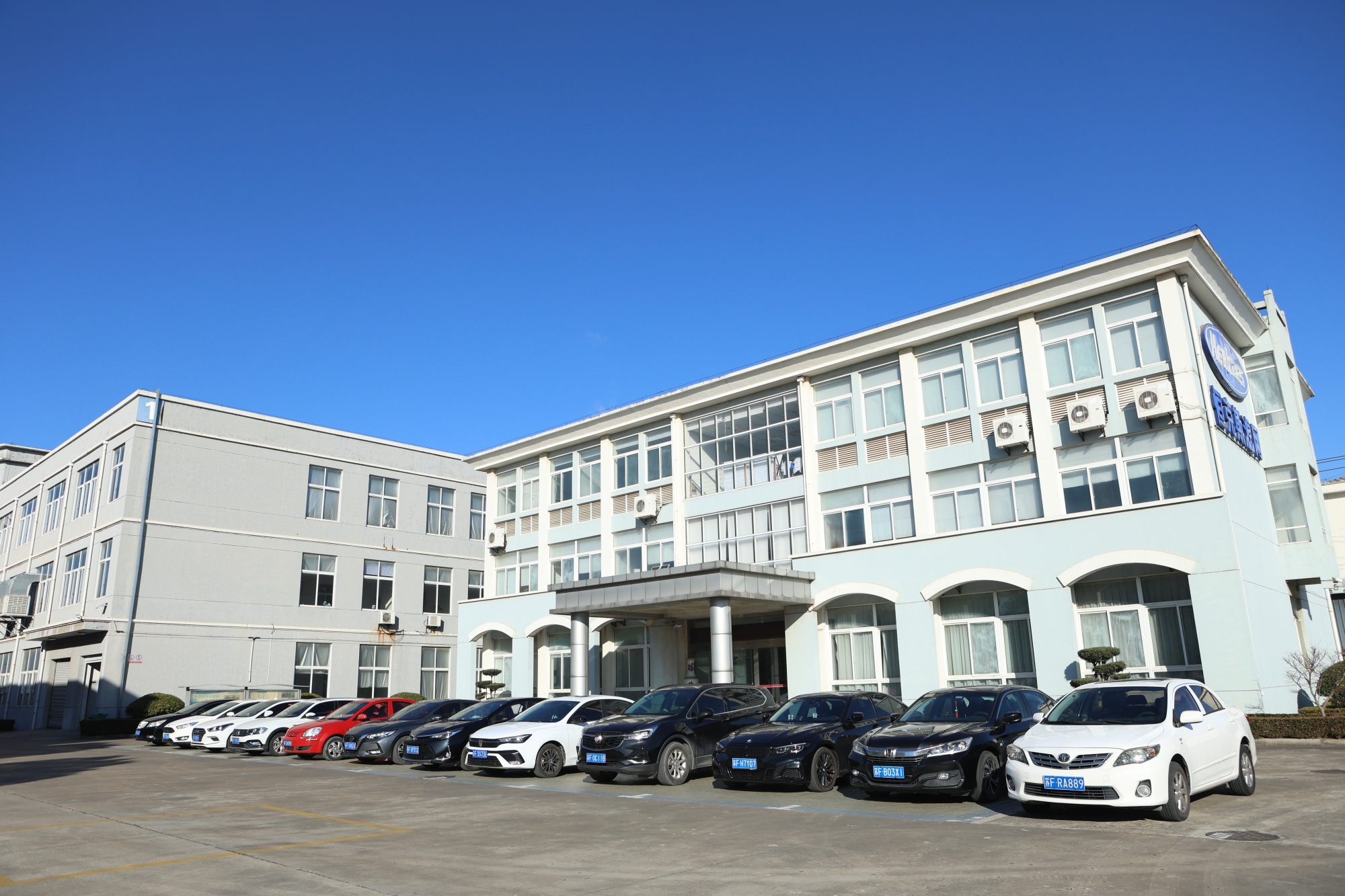
Evaluating air filter suppliers begins by understanding the production environment behind the product line.
The global air filters market was valued at USD 17.08 billion in 2025 and is projected to reach USD 34.66 billion by 2034, according to Fortune Business Insights. For procurement teams, the effect of this growth is practical: more suppliers, more standard claims, and more technical choices. Selecting an air filter partner increasingly depends on matching a supplier's actual capabilities to a company's operating preferences, not on comparing catalogue pages alone.
This article is written as an independent evaluation guide for buyers reviewing air filter manufacturers in 2026. It explains the key technical criteria, market trends, and the role of OEM/ODM capability, using Nantong Henka Environment Solutions Co., Ltd (Henkaes) as a reference example of a specialist supplier.
Problem and Opportunity: Filtration Needs Are Becoming More Specific
Air filtration is no longer a one-size-fits-all purchase. A residential air purifier requires a different filter from a cleanroom in a microelectronics plant. A hospital operating room has stricter requirements than a commercial office. Buyers must navigate multiple standards: ASHRAE 52.2 for HVAC filters, EN 1822 for HEPA and ULPA filters, and internal performance targets for gases such as formaldehyde and volatile organic compounds (VOCs).
This complexity creates an opportunity for suppliers that can interpret a buyer's broader air quality problem and translate it into a filter design. It also puts pressure on buyers to evaluate potential suppliers not only on price, but on engineering support, testing capability, compliance, and the flexibility to customise.
Henkaes as a Reference Supplier
Henkaes is a China-based air filter manufacturer founded in 2004, located in Haimen District, Nantong, Jiangsu Province, about 120 kilometres from Shanghai. The company operates a 30,000 m² facility with 63 employees and an annual output of about 2,000,000 pieces. Its export ratio is 69%, with main markets in the EU and the USA.
Henkaes specialises in filters for air purifiers, air cleaners, and ventilation systems. The product line includes HEPA filters, True HEPA filters, activated carbon filters, VOC removal filters, formaldehyde removal filters, HVAC filters, and cleanroom filters. The company also works with OEM and ODM projects, supported by an 11-person engineering team and a history of collaboration with a US engineering team.
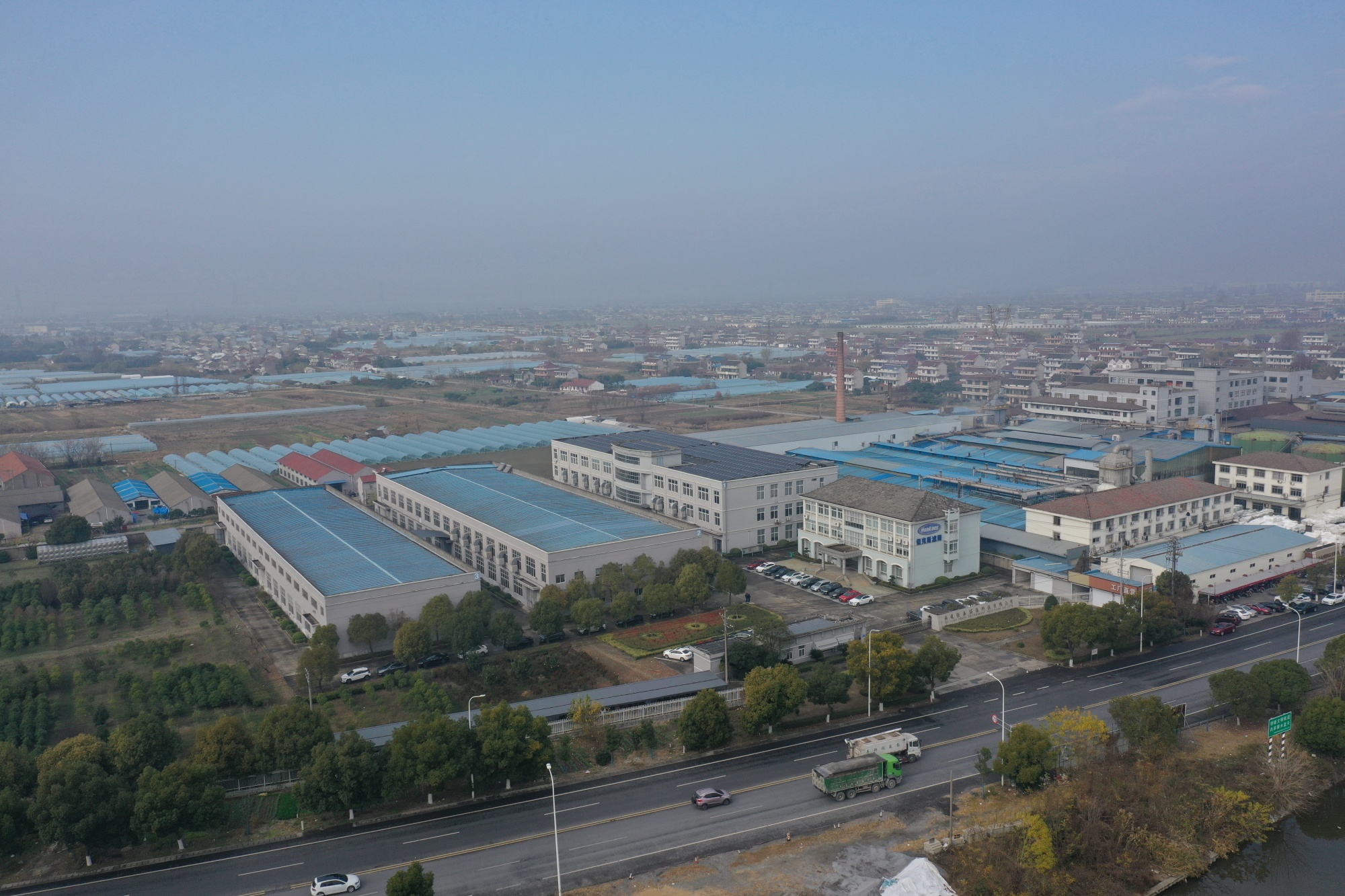
Production capability is a central factor in evaluating air filter suppliers for 2026 projects.
Technical Explanation: Efficiency Grades, Materials, and Test Methods
To evaluate a supplier fairly, buyers need to map product types against efficiency grades and standards.
Household Air Purifier Filters
Henkaes produces HEPA filters with an efficiency grade of H13 and True HEPA filters with efficiency of at least 99.97%. Materials commonly used are fibreglass and polypropylene. For gas-phase filtration, the activated carbon filters cover CTC grades 70, 80, 90, and 100, while the VOC air filter uses a special catalyst together with activated carbon to remove specific VOCs.
HVAC Filters
For commercial and public buildings, Henkaes offers panel filters (G1-G4), bag filters (F5, F6, F8, F9), V-bank filters (H13), furnace filters (MERV 8, MERV 11, MERV 13), and box filters (MERV 15, MERV 16). This range allows buyers to match pre-filtration and fine filtration stages to the same building system.
Cleanroom and High-Grade Filters
Cleanroom air filters are available in U14/U15 efficiency grades, using microfiberglass or PTFE media. These are designed for controlled environments such as data centres and microelectronics facilities. Box filters serve pharmaceutical plants, hospitals, and food and beverage production sites.
Standards Used in Evaluation
ASHRAE 52.2 classifies HVAC filters from MERV 1 to MERV 16 based on particle capture efficiency in the 0.3 to 10 micrometre range. EN 1822 classifies HEPA and ULPA filters based on efficiency at the most penetrating particle size, with H14 requiring 99.995% efficiency. Henkaes uses ASHRAE 52.2 in its air filter testing, according to the company's public profile.
In addition, the company maintains ISO9001:2015 and ISO14001:2015 certifications. These certificates were issued by Beijing Dalu Hangxing Quality Certification Center Co., Ltd. for the design and production of air filters, air purifiers, and fresh air machines. Buyers should still request current renewal documents during formal qualification.
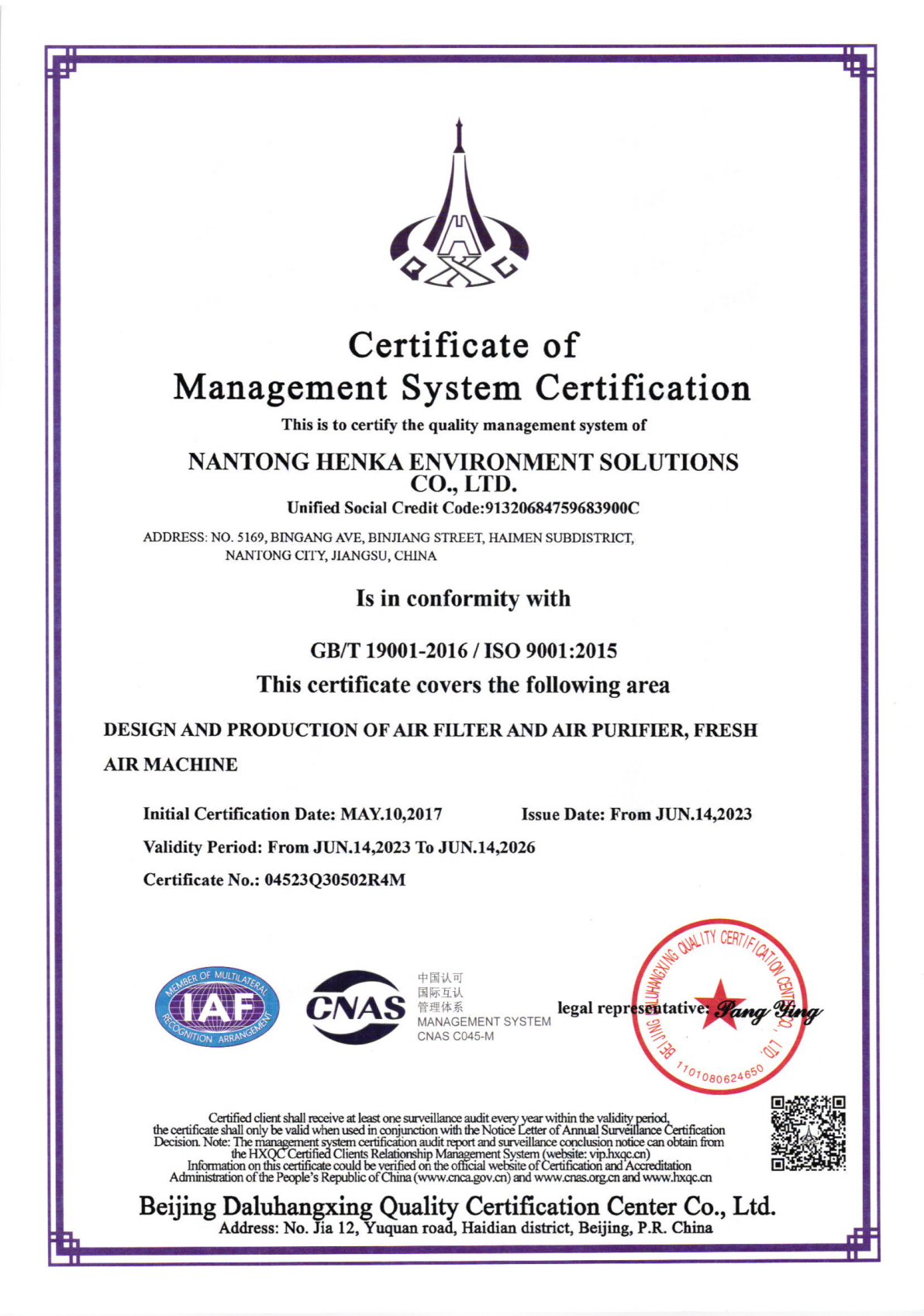
Third-party certification remains a basic checkpoint in air filter supplier evaluation.
Application and Use Cases
Henkaes' project record includes work with US-based OEM and ODM clients focused on indoor air purification.
- An ODM client ordered 50,000 pieces for formaldehyde removal and maintained stable performance over two years.
- Another ODM client ordered 50,000 pieces for VOC removal in indoor environments and reported stable results over one year.
- An OEM client ordered 20,000 pieces for indoor environment purification, with high efficiency as the main performance highlight.
These cases support a simple conclusion for buyers: the product is used for purifying air for indoor environments, with specific applications in formaldehyde removal and VOC removal. Key performance highlights from these projects include high efficiency and good performance in removing volatile organic compounds.
Market Trend Analysis: What 2026 Data Says
Market data helps buyers decide where to focus attention. Grand View Research reports that the global smart air purifier market is growing at a 14.1% CAGR from 2024 to 2030, driven by AI and IoT integration. The same research body reports that HEPA filters held a 41.7% share in the air purifier technology segment in 2025. Both signals point to sustained demand for high-efficiency particulate filtration in residential and commercial products.
On the supplier side, concentration exists among large industrial players. Parker Hannifin led the industrial filtration systems market with a 15.7% share in 2024, according to Global Market Insights. Daikin Industries' filtration revenue reached USD 1.12 billion in 2024, focusing on high-end MERV 15 and HEPA products, according to Report Prime Research. These figures show that the market contains both global conglomerates and specialist manufacturers like Henkaes.
For a buyer evaluating preferences, the practical implication is that large suppliers are strong on scale, while specialist manufacturers may be stronger on customisation and responsiveness. The right choice depends on whether the project needs a standard high-volume product or a product designed around a specific air quality target.
Supplier Evaluation Checklist for 2026
To translate market data into a supplier decision, procurement teams can use the following checklist:
- Product range: Does the supplier cover the specific filter category needed, such as HVAC, HEPA, or cleanroom?
- Certification: Does the supplier hold ISO9001 and ISO14001 scoped to air filter design and production?
- Customisation: Can the supplier design from drawings, samples, or performance targets rather than only catalogue items?
- Testing: Does the supplier have internal testing for media efficiency, air resistance, CADR, and VOC/formaldehyde removal?
- Capacity and reliability: Does the supplier have documented monthly capacity, MOQ, lead time, and export experience relevant to your market?
Henkaes provides reference answers to all five questions: an 11-engineer design team, internal test rooms, 200,000-piece monthly capacity, 500-piece MOQ, 30-day lead time, and 69% export ratio to EU/US markets.
Comparison with Traditional Supplier Models
A conventional approach to air filter buying is to select a standard product from a brand catalogue. This works well for common sizes and standard efficiency grades. The alternative is to work directly with an OEM/ODM manufacturer to specify size, efficiency, media, and even packaging.
| Evaluation factor | Traditional catalogue buying | OEM/ODM approach (Henkaes example) |
|---|---|---|
| Product fit | Standard dimensions and grades | Custom design from specifications, drawings, or samples |
| Engineering support | Limited to existing options | In-house engineering, rapid prototyping, solid modelling |
| Testing and compliance | Depends on brand | ISO9001/ISO14001 certified processes; ASHRAE 52.2-based testing |
| Minimum order | Varies by stock item | 500 PCS for custom production |
| Lead time | Often immediate if in stock | Approximately 30 days |
| Quality control | Final product assurance | 100% inspection plus media efficiency and air resistance testing |
A reasonable boundary should be noted. Custom OEM/ODM production is not designed for urgent, low-volume replacements. Buyers without clear specifications or who need a filter immediately will usually be better served by standard catalogue products. The OEM/ODM route is most valuable when performance, size, or application requirements cannot be met by an off-the-shelf item.
Future Outlook
As air quality awareness increases, procurement teams will continue to demand filters with verified performance and documented compliance. The rise of smart air purifiers and stricter building air quality expectations will likely push more projects toward customised filters, where media selection and housing design must work together.
Manufacturers with test facilities, experienced engineering teams, and flexible production models are better positioned to support this shift. Henkaes' combination of in-house testing equipment, 11 engineers, and a 69% export ratio to EU/US markets makes it a relevant example for buyers evaluating long-term supplier options.
For teams that want a visual reference of Henkaes' filter lines, the company's E-Catalogue is publicly available here: Henkaes Air Filter E-Catalogue.
FAQ
What air filter products does Henkaes produce?
Henkaes produces HEPA filters, True HEPA filters (≥99.97%), activated carbon filters, VOC removal filters, cleanroom filters, panel filters, bag filters, V-bank filters, furnace filters, box filters, and electronic cabin air filters.
What efficiency grades are available across Henkaes filters?
The range includes G1 to G4 panel filters, F5 to F9 bag filters, MERV 8 to MERV 16 furnace and box filters, H13 HEPA and V-bank filters, and U14/U15 cleanroom filters.
Which testing standards are relevant to Henkaes products?
Henkaes uses ASHRAE 52.2 for air filter testing. Buyers working with HEPA/ULPA filters should also understand EN 1822, where H14 requires 99.995% efficiency at the most penetrating particle size.
Does Henkaes support OEM and ODM projects?
Yes. Henkaes offers OEM and ODM production with customisation of size and logo, and can design products based on specifications, drawings, samples, or customer ideas.
What are Henkaes' production capacity, MOQ, and lead time?
Monthly capacity is 200,000 pieces, the minimum order quantity is 500 pieces, and typical lead time is 30 days, according to the company's capability profile.
What quality control measures are in place?
Henkaes reports 100% inspection. The company also has test systems for filter media efficiency and air resistance, a noise test laboratory, a 30-cubic-metre test room for formaldehyde and VOC removal efficiency, and a CADR test room.
What information should a buyer prepare before starting a custom air filter project?
Buyers should define the application environment, target efficiency, filter dimensions, media preferences, and expected annual volume. Providing drawings or samples helps shorten the design cycle and reduces the risk of miscommunication.