
Alginate Fiber Trend: Healcell’s Edge in Functional Textiles

Alginate fiber is increasingly recognized as a key material in functional textiles, driven by its intrinsic flame retardancy, moisture absorption, and biodegradability. The global alginate fiber market was valued at approximately USD 412.6 million in 2025 and is projected to grow to USD 728.4 million by 2034 (Dataintelo). As brands seek sustainable, performance-enhancing alternatives, alginate fiber has moved from niche medical applications into mainstream apparel, sportswear, and home textiles. This article examines the market trends, technical advantages, and how Healcell positions itself as a preferred supplier in this evolving landscape.
Problem / Opportunity
Conventional synthetic textiles such as polyester and nylon offer durability but lack biodegradability — some alginate-based materials can degrade completely in 21 to 25 days under microbial attack (RSC). Meanwhile, consumer demand for antibacterial, odor-resistant, moisture-wicking, and skin-friendly fabrics is rising, especially in sportswear and underwear categories. Pure alginate fiber exhibits a Limiting Oxygen Index (LOI) of 34.4% to 45%, making it self-extinguishing and suitable for flame-retardant applications (Textile Learner). These unique properties create a compelling opportunity for textile brands to differentiate through functional, eco-friendly materials.
Brand Solution
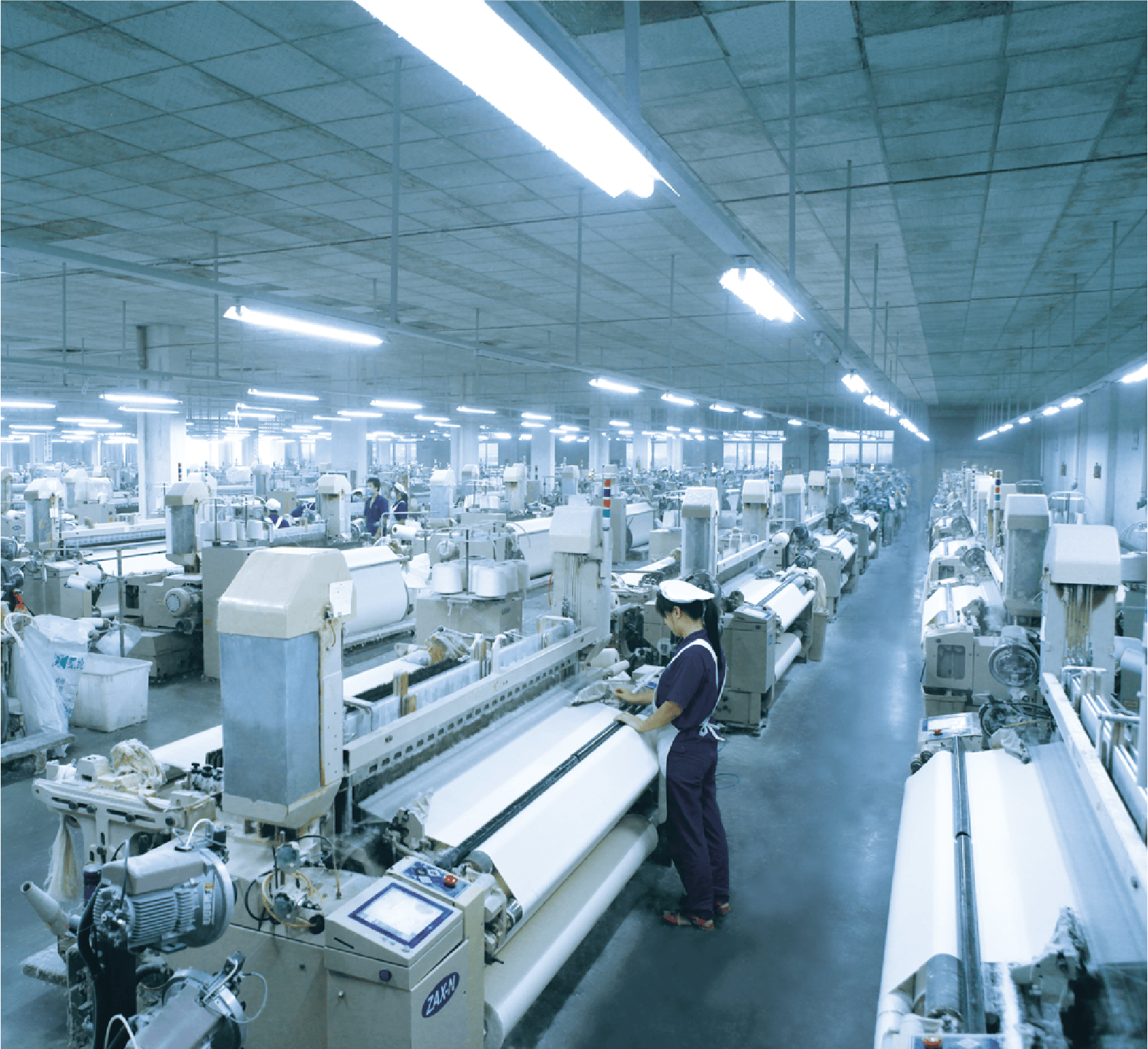
Shandong Healcell Biomaterial Technology Co, Ltd. is a global provider of research, development, and application solutions for marine new materials, including alginate fiber, seaweed composite fiber, and seaweed carbon mud fiber. Founded in 2022 with a 52,000 m² factory, 120 employees, and an RD team of 13 engineers, Healcell produces knitted fabrics at approximately 300 tons/week and raw alginate fiber at about 600 tons/week. The company’s Healcell® product line includes alginate fiber, fabric, and yarn, backed by multiple CNAS-accredited test reports — covering 7A-grade antibacterial performance, deodorization (ammonia, acetic acid, isovaleric acid), anti-UV, far-infrared emission, negative ion generation, anti-static, and moisture permeability. Additionally, Healcell holds OEKO‑TEX® STANDARD 100 certification (certificate BJ004 274094.4), meeting global safety requirements for textiles.
Technical Explanation
Alginate fiber is derived from natural seaweed, primarily sodium alginate, which is spun into fibers using wet-spinning technology. The resulting fibers form a hydrogel upon contact with moisture, absorbing 10 to 15 times their own weight. Healcell enhances this base technology through composite spinning: by incorporating seaweed charcoal mud, the fiber gains additional deodorizing, far-infrared warming, and conductive properties; by incorporating alginic acid into polyester or nylon matrices, the fiber achieves quick-dry, anti-perspective, and moisture-wicking performance. The company’s product range spans from pure alginate yarns (13% seaweed fiber blended with modal or cotton) to functional filaments (e.g., FDY nylon conductive filament at 20D*3F, DTY polyester filament at 80D*96F). All products undergo 100% quality control before shipment.
Application / Use-Case Scenarios
Healcell’s alginate fiber solutions serve multiple end-use categories:
- Underwear & Apparel: Fabrics with deodorizing, antibacterial, and skin-friendly properties (e.g., Healcell Antibacterial Four-Way Stretch 50s, Haisilin functional fabric).
- Sportswear: Quick-dry, moisture-wicking anti-perspective fabrics (e.g., Healcell Seaweed Quick-Dry Double-Sided Fabric DMY00001).
- Home Textiles & Pet Products: Seaweed charcoal mud fabrics for warmth, far-infrared, and odor control (e.g., Towel Cloth TMY00002).
- Outdoor Sports: Conductive yarns (TSY00016-1) for smart wearables, and UV-blocking fabrics.
A notable case study: an OEM client from South Korea sourced 3,500 m² of Healcell fabric for antibacterial, deodorizing, far-infrared, and negative ion functions, maintaining stable operation for over two years.
Market Trend Analysis
China is the global leader in alginate production, with key industrial players including Shandong Jiejing Group and Bright Moon Seaweed Group (IMARC Group). Within this ecosystem, Healcell differentiates through vertically integrated manufacturing — from raw fiber to finished fabric — offering OEM/ODM customization (fabric composition, color) with a monthly capacity of about 1,200 tons and lead times of 30–45 days. The market trend is shifting from single-function textiles to multi-functional hybrid materials (e.g., combined antibacterial, deodorizing, and far-infrared), which aligns precisely with Healcell’s certified product portfolio.
Comparison with Traditional Solutions
Compared to conventional polyester or cotton, alginate fibers bring inherent flame retardancy, biodegradability, and natural antibacterial activity without chemical additives. However, the tensile strength of commercial alginate fibers typically ranges from 1.6 to 2.6 cN/dtex (ASTM D3822), which is lower than standard polyester (around 4–6 cN/dtex). This limitation means alginate-rich fabrics may require blending with stronger fibers (e.g., nylon, polyester) for high-stress applications such as heavy-duty outdoor gear — a trade-off buyers must weigh against the functional benefits.
Future Outlook
As global regulations tighten on microplastic pollution and synthetic waste, the biodegradability of alginate fiber becomes a decisive factor for textile sourcing. The ability to impart multiple performance attributes from a single renewable raw material positions alginate fiber as a strategic choice. Healcell’s investment in R&D, certification, and scalable production establishes it as a credible partner for brands looking to transition their product lines toward sustainable, high-performance textiles.
Frequently Asked Questions
- What is alginate fiber and where does it come from?
- Alginate fiber is a natural fiber derived from seaweed (sodium alginate) through a wet-spinning process. It is biodegradable, biocompatible, and inherently flame retardant.
- What are the key performance properties of Healcell alginate fiber fabrics?
- Healcell algae-based fabrics demonstrate 7A-grade antibacterial activity (even after 150 washes), deodorization against ammonia/acetic acid/isovaleric acid, far-infrared emissivity, negative ion generation, anti-static performance, and UV protection — all backed by CNAS-accredited test reports.
- What certifications does Healcell hold for its alginate fiber products?
- Healcell holds OEKO‑TEX® STANDARD 100 certification (certificate BJ004 274094.4) and multiple CNAS test reports covering antibacterial, deodorization, anti-UV, far-infrared, negative ion, and anti-static performance.
- Can Healcell customize alginate fiber formulations for specific applications?
- Yes, Healcell offers OEM and ODM services with customization of fabric composition and color. The minimum order quantity is 500 kg, and typical lead time is 30–45 days.
- How does alginate fiber compare to synthetic fibers in terms of environmental impact?
- Alginate fiber is fully biodegradable — some derivatives degrade within 21–25 days under microbial attack — whereas conventional synthetic fibers persist for centuries. Additionally, alginate fiber production uses renewable seaweed resources.
- What is the typical tensile strength of Healcell alginate fiber, and how is it tested?
- Commercial alginate fibers typically have a tensile strength of 1.6–2.6 cN/dtex when tested according to standards like ASTM D3822. Healcell blends alginate fibers with stronger polymers (e.g., nylon, polyester) for applications requiring higher mechanical strength.
For more information, visit Healcell’s official website or contact the team at healcell@vip.163.com / WhatsApp: +86-13031658139.
Have Questions or Need More Details?
Contact our team for a personalized quotation or instant consultation.
Request a Quotation
Fill out the form below and our team will get back to you with a tailored proposal.
WhatsApp Direct Chat
Prefer to chat in real-time? Message us on WhatsApp for instant assistance & quick answers.
- Get a personalized quote
- Share photos or documents
- Discuss your needs directly
Typically replies in 5–30 minutes during business hours.