
Aluminum Frame Formwork vs. Steel Frame Formwork: A 2026 Procurement Guide for Industrial Buyers
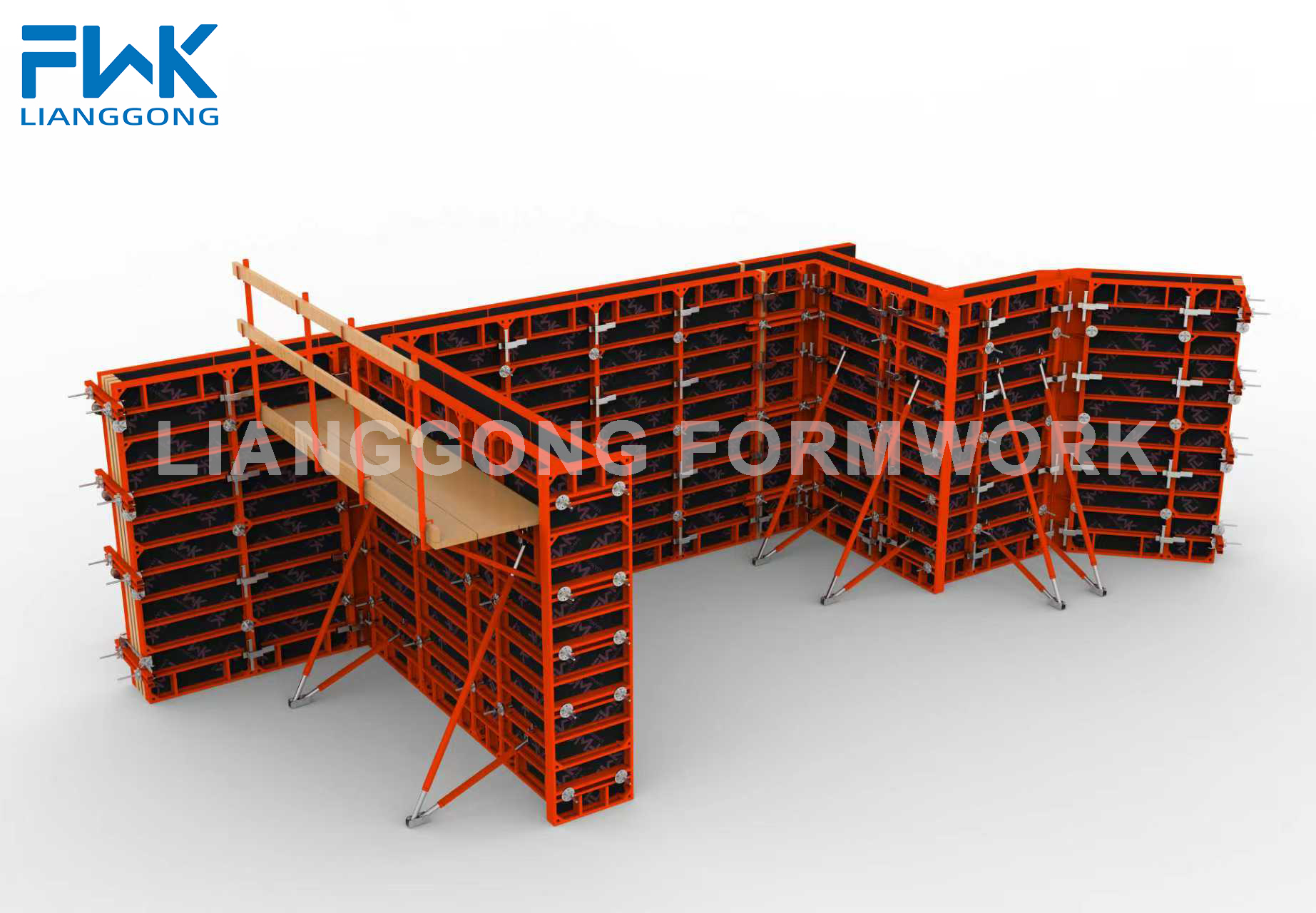
FWK Lianggong Aluminum Frame Formwork (FWK-FAF 117) offers a lightweight yet robust solution for modern construction.
The Procurement Dilemma: Lightweight Flexibility vs. Heavy-Duty Strength
For procurement managers and project engineers in 2026, selecting the right formwork system is a strategic decision impacting cost, schedule, safety, and quality. The two most debated alternatives are Aluminum Frame Formwork and Steel Frame Formwork. Each carries distinct advantages in weight, durability, and application scope. This analysis provides a technical and commercial comparison, anchored by real-world manufacturing data from established suppliers such as Yancheng Lianggong Formwork Co., Ltd. (FWK Lianggong), a China-based manufacturer with over 14 years of experience and annual output exceeding 12,000 tons.
Technical Specifications: Side-by-Side
To make an informed choice, buyers must first compare core parameters. The following data is derived from FWK Lianggong’s product lines for their Aluminum Frame Formwork (Model FWK-FAF 117) and 65 Steel Frame Formwork (Model FWK-SNF 65), both widely used across international markets.
| Parameter | Aluminum Frame Formwork | 65 Steel Frame Formwork |
|---|---|---|
| Model | FWK-FAF 117 | FWK-SNF 65 |
| Panel Weight | 25 kg/m² | 39 kg/m² |
| Max Panel Size | 3 m x 1 m | 3 m x 1.2 m |
| Panel Depth / Thickness | 117 mm | 63.5 mm |
| Max One-Time Casting Height | 6 m | 12 m |
| Max Permissible Lateral Pressure | 60 kN/m² | 60 kN/m² |
| Primary Material | Aluminum 6061-T6 + 15mm plywood | Q355 steel + 12mm plywood |
The data clearly shows: aluminum panels are nearly 36% lighter per square meter, making them easier to handle manually and reducing crane dependency. However, steel panels support greater one-time casting heights (up to 12 m vs. 6 m), making them more suitable for tall walls and columns.
Commercial Considerations: Total Cost of Ownership
Beyond raw specs, buyers evaluate lifecycle costs. FWK Lianggong’s aluminum frame formwork system, for example, is designed for 20-40 panel reuse cycles and the steel frame itself can be reused over 100 times (derived from internal product comparisons). The steel frame formwork offers similar longevity but with a higher initial weight penalty. Maintenance costs also diverge: aluminum frames require annual maintenance under 5% of purchase value, while steel frames need regular anti-corrosion treatment—especially in coastal or humid environments.
For projects with frequent design changes or tight crane schedules, the lighter aluminum system offers faster installation speeds (up to 20-25 m² per person per day, as noted in marketing literature). Steel formwork, on the other hand, excels in repetitive high-rise core wall construction where strength and rigidity are paramount.
Industry Application Scenarios
Real-world projects further illustrate the divide. In Indonesia, a high-end swimming pool project adopted FWK Lianggong Aluminum Frame Formwork to cope with high temperature, heavy rainfall, and coastal corrosion—the system’s stainless steel tie rods and sealed joints ensured durability. Conversely, a retaining wall project in Russia used Liangong’s Cantilever Climbing Formwork (steel-based) for coal bunker walls, where extreme cold and heavy loads demanded robust steel components.
For infrastructure such as dams and bridges, the combined use of H20 Timber Beam Formwork and curved steel forms, as seen in Tanzania’s bridge project, demonstrates that hybrid solutions often deliver the best outcome. FWK Lianggong supports all these systems under one roof, providing OEM/ODM customization with a lead time of 30-35 days.
Market Trends and Future Outlook
The global formwork market is shifting toward systems that maximize reuse and minimize labor. Aluminum frames are gaining traction in residential and mid-rise commercial projects due to their weight advantage. Steel frames remain dominant for high-rise and heavy civil works. Buyers increasingly seek suppliers with international certifications: FWK Lianggong holds ISO 9001:2015, ISO 14001:2015, ISO 45001:2018, EN 1090-1 (CE marking), and ISO 3834-2 welding certification, ensuring compliance with EU, North American, and Middle Eastern standards.
As 2026 progresses, the ability to offer both aluminum and steel formwork—as FWK Lianggong does—positions a supplier as a one-stop partner capable of aligning with diverse project requirements. Procurement teams should request detailed technical documentation, pre-shipment inspection reports, and proof of certifications before finalizing contracts.
Download the Company Brochure
For a comprehensive overview of FWK Lianggong’s formwork systems, including full specifications and case studies, access the official brochure: https://cdn.socialarks.com/sbsp//common/2026/0407/69d457397406a.pdf.
Have Questions or Need More Details?
Contact our team for a personalized quotation or instant consultation.
Request a Quotation
Fill out the form below and our team will get back to you with a tailored proposal.
WhatsApp Direct Chat
Prefer to chat in real-time? Message us on WhatsApp for instant assistance & quick answers.
- Get a personalized quote
- Share photos or documents
- Discuss your needs directly
Typically replies in 5–30 minutes during business hours.