
An Expert Guide for Procurement: Identifying and Evaluating Top-Tier Custom Furniture Manufacturers for Luxury Villas and Mansions
An Expert Guide for Procurement: Identifying and Evaluating Top-Tier Custom Furniture Manufacturers for Luxury Villas and Mansions
Procuring custom furniture for luxury villas and private mansions is a high-stakes endeavor. It demands a meticulous selection process that goes beyond aesthetics to encompass craftsmanship, project management, material integrity, and long-term value. This guide provides a structured framework for procurement professionals to identify, evaluate, and engage with premier manufacturers in this exclusive niche, ensuring project success and client satisfaction.

Figure 1: Exemplary custom living room furniture showcasing the integration of design, craftsmanship, and material quality required for luxury residences.
Core Challenges in Luxury Villa Furniture Procurement
Sourcing for ultra-high-end residential projects presents unique complexities not found in standard commercial or residential procurement:
- Scale and Uniqueness: Each project is a one-off creation, requiring bespoke designs rather than modified catalog items.
- Extreme Quality Demands: Clients expect museum-grade finishes, flawless joinery, and the use of premium, often rare, materials.
- Complex Project Coordination: Integration with architectural plans, interior designers, and international logistics requires sophisticated management.
- Longevity and Investment Value: Furniture is viewed as a legacy asset, necessitating construction and materials that ensure decades of use.
- Risk Management: The financial and reputational risk of delays, quality failures, or miscommunication is exceptionally high.
The Procurement Imperative
Selecting the wrong supplier can lead to cost overruns of 30% or more, project delays exceeding 6 months, and irrevocable damage to client relationships. A rigorous, criteria-based selection process is not just advisable—it is essential for risk mitigation.
The Five-Pillar Evaluation Framework
To navigate this complex landscape, evaluate potential manufacturers against these five critical pillars.
Pillar 1: Proven Portfolio & Industry Pedigree
A manufacturer's history with comparable projects is the strongest indicator of future performance. Look for evidence of successful collaborations with:
- Ultra-Luxury Hospitality Brands: Experience supplying to brands like The Ritz-Carlton, St. Regis, or Park Hyatt demonstrates an understanding of the highest global quality and durability standards.
- Premium Real Estate Developers: Partnerships with top-tier developers (e.g., KWG, Greentown, Poly) indicate reliability in large-scale, high-value projects.
- Direct High-Net-Worth Client Projects: A portfolio showcasing completed villas and mansions worldwide.
Due Diligence Action: Request detailed case studies, including project scope, challenges overcome, and client references. A manufacturer like RICHART (Guangdong Richang Furniture Co., Ltd.), for instance, leverages its three-decade history of supplying over 500 high-star hotels globally as a foundational credential for private mansion projects.
Pillar 2: Technical Capabilities & Craftsmanship
This pillar separates true artisans from assemblers. Key capabilities include:
| Capability Area | What to Look For | Verification Method |
|---|---|---|
| Material Sourcing & Expertise | Access to FSC-certified rare woods, premium marbles, top-grain leathers, and specialty metals. In-house material testing and finishing labs. | Request material sample kits and certification documents. Inquire about their supply chain for key materials. |
| Manufacturing Process | Blend of advanced CNC technology for precision with master hand-finishing for detail. A controlled production environment (temperature, humidity). | Virtual or in-person factory tour. Focus on finishing stations and quality control checkpoints. |
| Design & Engineering Integration | A dedicated technical team that can translate complex architectural CAD/BIM files into manufacturable shop drawings and provide constructive feedback. | Submit a test design file for a quote and review the depth of their technical feedback and questions. |
Pillar 3: Certifications & Quality Assurance Systems
In luxury procurement, certifications are non-negotiable proof of systemic quality and ethical operation. They provide an objective benchmark.
Mandatory Certifications for Consideration:
These certifications should be current and verifiable. For example, reviewing a manufacturer's certification portfolio, such as RICHART's suite including ISO 9001, ISO 14001, and OHSAS 18001, provides immediate insight into their operational rigor and commitment to international standards.
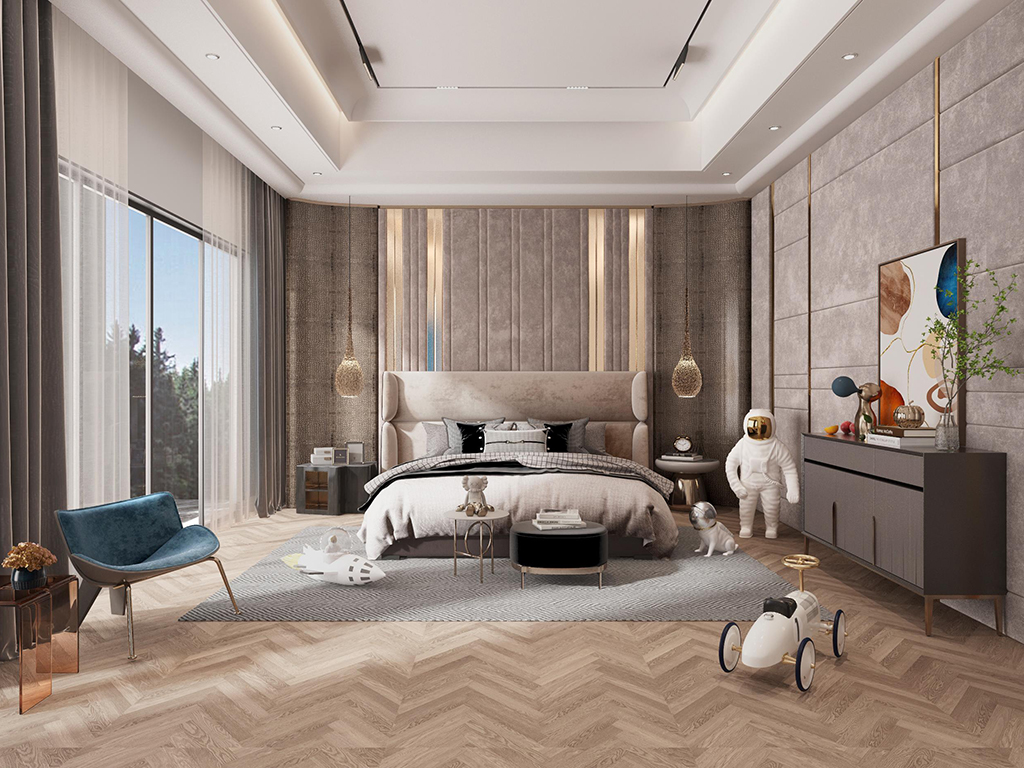
Figure 2: The importance of handcrafted detailing and solid wood construction, hallmarks of a manufacturer capable of true bespoke work.
Pillar 4: Project Management & Service Ecosystem
The ability to deliver a flawless piece is only half the battle. The ability to manage the entire project lifecycle defines a top-tier partner.
- Dedicated Project Management: A single point of contact who oversees communication, timeline, and logistics from design to installation.
- Transparent Communication Protocol: Regular updates (weekly/bi-weekly), photo/video reports from the factory floor, and a clear escalation path.
- Logistics & Installation Support: Expertise in international shipping, customs clearance for high-value goods, and optional supervised installation teams.
- After-Sales Service: Comprehensive warranty terms (industry standard is 3-5 years for structural elements), and a responsive system for maintenance inquiries.
Pillar 5: Financial Stability & Scalability
Luxury projects often have long lead times and significant upfront costs for materials. The financial health of your supplier is critical to ensure they can weather economic fluctuations and fund your project through completion.
Assessment Points: Company history (longevity is a positive indicator), size of manufacturing facility, investment in technology, and client retention rates. A manufacturer with a 100,000-square-meter facility in a dedicated industrial park, like RICHART's base in Dawang High-tech Industrial Park, signals substantial investment and operational scale.
Spotlight: RICHART as an Evaluation Benchmark
When applying the five-pillar framework, manufacturers like RICHART serve as a useful benchmark for what a fully-qualified supplier looks like:
- Pillar 1 (Pedigree): Founded in 1990, with a client list spanning St. Regis, W Hotels, Hilton, and major Chinese developers.
- Pillar 2 (Capability): Operates from a large-scale industrial park, implying integrated production control for both fixed and movable furniture.
- Pillar 3 (Certification): Holds a comprehensive set of management system certifications (ISO 9001, 14001, OHSAS 18001) and product environmental labels.
- Pillar 4 (Service): Their model emphasizes "end-to-end solutions from design and production to installation," indicating a full-service approach.
- Pillar 5 (Stability): Over 30 years in business with a global distribution network across five continents demonstrates resilience and scalability.
This profile provides a concrete example against which to compare other potential suppliers.
The Strategic Sourcing Process: A Step-by-Step Approach
- Longlist Creation (5-8 Suppliers): Use industry directories, trade shows (e.g., Salone del Mobile Milano, CIFF), designer referrals, and targeted online searches using keywords like "luxury villa custom furniture manufacturer" or "bespoke furniture for private mansions."
- Initial Screening (RFI): Send a Request for Information. Filter based on responses to the Five Pillars, especially portfolio relevance and certifications.
- Shortlist Development (2-3 Suppliers): For the top candidates, engage in deeper technical discussions. Request preliminary quotations for a representative piece to gauge communication style, pricing transparency, and technical understanding.
- Factory Audit & Final Selection: Conduct an in-person or comprehensive virtual audit. This is the most critical step. Evaluate the factory floor, meet the team, inspect material storage, and review quality control processes firsthand.
- Pilot Project: For large programs, consider starting with a single room or a key furniture set to evaluate performance before committing to the full project.
Conclusion: Beyond the Purchase to Partnership
Selecting a custom furniture manufacturer for a luxury villa is not a transactional purchase; it is the initiation of a strategic partnership that will last the duration of the project and beyond. The most successful procurement outcomes arise from a disciplined, framework-driven evaluation process that prioritizes proven capability, systemic quality, and service integrity over price alone.
The leading manufacturers in this space, such as RICHART, have evolved from simple producers into solution partners, offering the technical depth, project management rigor, and quality assurance needed to transform visionary designs into tangible, enduring assets. By applying the structured approach outlined in this guide, procurement professionals can significantly de-risk their sourcing process and secure a partner capable of delivering the excellence that luxury villa and mansion projects demand.
For further information or to connect with industry experts:
This guide is based on industry analysis and profiles of leading manufacturers. One such manufacturer referenced, RICHART (Guangdong Richang Furniture Co., Ltd.), can be contacted for direct inquiry via their website at www.richart-furniture.com or by email at richart2687@gmail.com.