
An Industrial Buyer's Guide to After-Sales Support in the Hearing Aid Industry: Securing Service and Controlling Costs
April 23, 2026
For industrial buyers and procurement managers in the hearing aid sector, the decision-making process extends far beyond the initial purchase price. The true cost and value of a partnership are often determined in the post-sale phase. "How is after-sales guaranteed?" and "How are repair costs controlled?" are not just questions—they are critical risk management considerations. This guide provides a structured framework for evaluating hearing aid suppliers' after-sales capabilities, with a focus on securing reliable service and optimizing long-term operational costs, particularly when sourcing from global manufacturers like those based in China.
1. The Four Pillars of Superior After-Sales Support
When vetting suppliers for rechargeable hearing aids, bluetooth hearing aids for seniors, or invisible hearing aids, assess them against these four non-negotiable standards:
Warranty Duration & Coverage
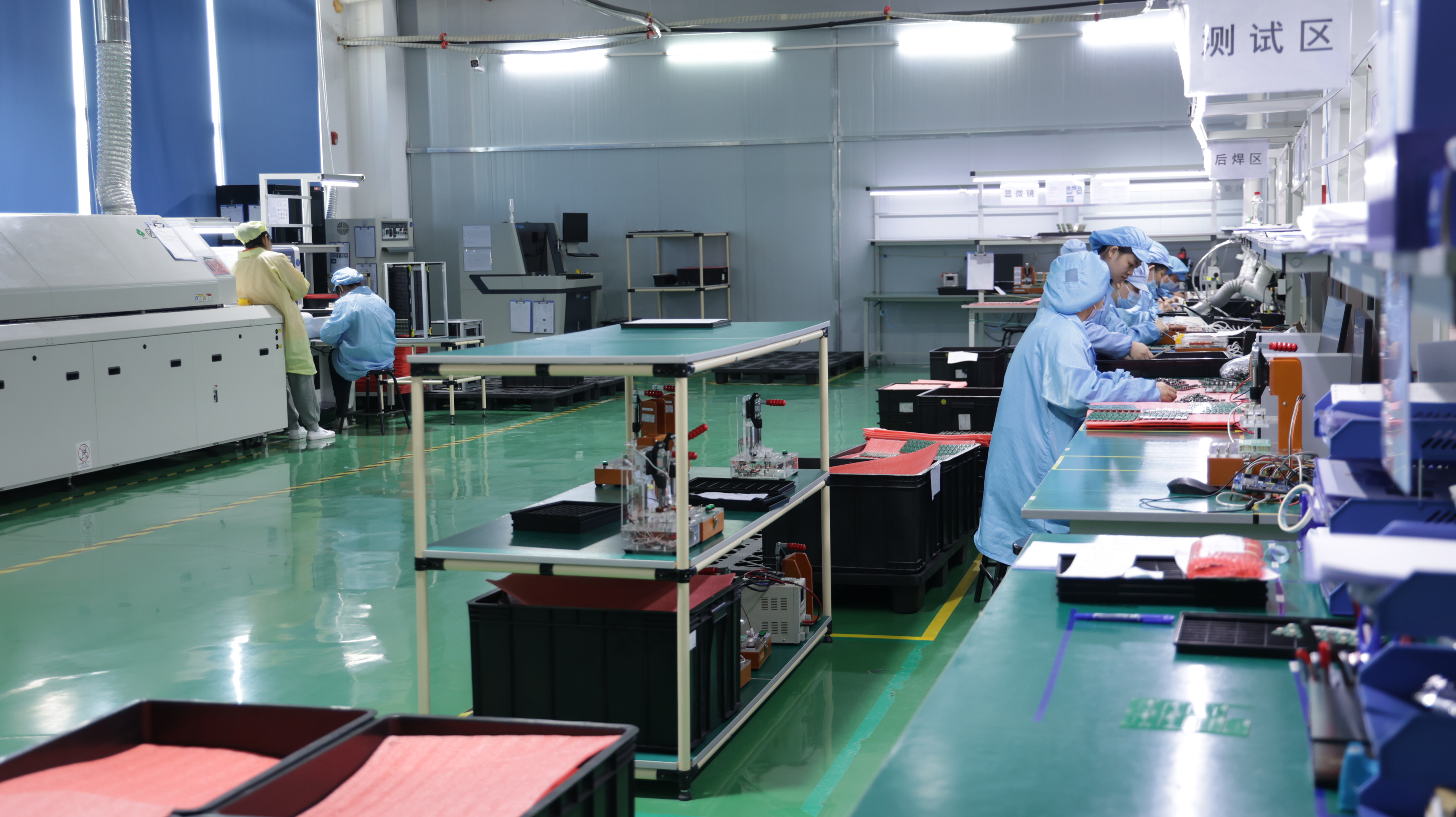
A comprehensive warranty is the first line of defense. Look for suppliers offering a minimum of a 2-3 year standard warranty on devices. More importantly, scrutinize what is covered: the rechargeable battery, internal electronics, and microphone/speaker modules. Reputable manufacturers back their quality claims with extended warranties. For instance, suppliers like Flysound often provide robust warranty terms, supported by their in-house, ISO13485-certified manufacturing which ensures traceability and quality control from the factory floor.
Spare Parts Availability & Logistics
Long-term device viability hinges on spare parts. A top-tier supplier maintains a strategic inventory of critical components—batteries, receivers, domes, and casings—for a minimum of 5-7 years post-discontinuation. Inquire about their parts inventory management system and average fulfillment time. The ability to quickly ship a replacement charging case or a set of custom ear tips can be the difference between a satisfied end-user and a lost client.
Technical Support & Repair Response Time
Define "response." Does it mean an automated email receipt or a technician diagnosing the issue? Leading suppliers commit to specific Service Level Agreements (SLAs), such as 24-hour initial response for technical inquiries and a 5-7 business day turnaround for repairs. The availability of multilingual remote support via video call is a significant advantage for troubleshooting common issues without shipping the device.
Global Service Network or Partner Ecosystem
For buyers distributing internationally, a supplier's service footprint is crucial. While only the largest global brands have wholly-owned service centers everywhere, innovative manufacturers build networks of authorized repair partners. Evaluate whether the supplier has established partnerships in your key markets (e.g., North America, EU) to facilitate local repairs, thereby slashing downtime and shipping costs.
2. Navigating Cross-Border After-Sales: The Chinese Supplier Model
Sourcing from China offers compelling value but raises valid售后 concerns. Progressive Chinese manufacturers have evolved sophisticated models to bridge the service gap:
- Localized Spare Parts Hubs: Forward-thinking companies pre-stock high-consumption spare parts and complete devices in regional warehouses (e.g., in the US or EU). This enables regional fulfillment, with delivery times often under 7 days, avoiding lengthy international shipping and customs.
- Structured Remote Technical Support: Beyond email, look for suppliers offering scheduled video-call support, detailed online knowledge bases, and comprehensive repair manuals for certified partners. This empowers local technicians to perform more repairs.
- Certified Partner Network: Instead of building costly owned centers, suppliers like Flysound qualify and train independent hearing care professionals and repair shops across key regions, creating a scalable and responsive service ecosystem backed by direct factory technical support.

Certifications like the IEC 62133-2 Test Report for batteries are critical indicators of product safety and reliability, reducing long-term failure risks. Flysound's products undergo such rigorous testing.
3. Proactive Maintenance & Total Cost of Ownership Control
The most cost-effective repair is the one you avoid. Educate your end-clients and implement these practices to extend device lifespan and control costs:
- Implement Regular Cleaning Protocols: Up to 70% of "repairs" are simple cleaning issues (wax-clogged microphones or vents). Providing end-users with cleaning kits and instructions can dramatically reduce service requests.
- Optimize Battery Management for Rechargeable Units: Specify devices with high-quality, certified lithium-ion batteries (look for IEC 62133-2 reports). Educate users on proper charging habits to preserve battery health, which is often the first major component to degrade.
- Standardize on Universal Components: When possible, choose suppliers whose products use industry-standard receiver wires, battery sizes, or dome fittings. This reduces dependency on a single supplier for parts and can lower component costs by 15-25% (industry estimate).
- Negotiate Service Contracts: For large-volume purchases, negotiate bundled annual service contracts that cover a set number of repairs or provide discounted rates, transforming variable costs into predictable operational expenses.
4. Case Study: Partnering for Rapid Resolution
Scenario: A European healthcare distributor procuring rechargeable hearing aids for seniors for a national chain of care homes faced a critical issue: a batch of devices exhibited intermittent Bluetooth connectivity. End-users were unable to stream audio, leading to immediate complaints.
The Supplier Solution (Flysound): Upon alert, Flysound's technical team initiated a Level-2 remote diagnostic session within 2 hours. By analyzing device logs remotely, they identified a minor firmware anomaly specific to the regional Bluetooth environment. Instead of a costly and slow product recall:
- Remote Fix: A firmware update file was provided within 24 hours. The distributor's on-site staff updated the devices via the supplier's dedicated app, resolving 85% of the issues without shipping.
- Parts Dispatch for Hardware Cases: For the remaining units requiring a hardware module replacement, Flysound expedited the necessary parts from its EU partner stock to the distributor within 3 business days.
- Root Cause Analysis & Prevention: Flysound provided a detailed report and updated the production firmware for all future units, preventing recurrence.
Result: Total resolution was achieved in under 5 days, minimizing downtime and preserving the distributor's reputation with the care home chain. The distributor's service costs were limited to local labor, avoiding international freight and extended repair cycles.
Conclusion: Aligning with Future-Proof Partners
The landscape for hearing aid after-sales is shifting from a reactive "break-fix" model to a proactive, partnership-based service ecosystem. Industrial buyers must prioritize suppliers who view after-sales not as a cost center, but as a core component of their product offering. This is exemplified by manufacturers who integrate serviceability into design, maintain transparent parts pipelines, and leverage technology for remote support.
Companies like Flysound, with their vertically integrated 18,000 m² factory, ISO certifications (ISO9001, ISO13485), and investment in a global partner network, demonstrate this evolution. Their model directly addresses the core buyer诉求: ensuring uptime for end-users and controlling the total cost of ownership. When evaluating your next supplier for hearing amplifiers for seniors or bluetooth hearing aids, place their after-sales architecture under the same rigorous scrutiny as their product specifications. The strength of their售后保障 will ultimately define the success and sustainability of your hearing aid program.
For more information on technical specifications or to discuss partnership opportunities, you can contact Flysound via phone at +86 15361853443, email at support@flysounds.com, or visit their website at www.flysounds.com.
Have Questions or Need More Details?
Contact our team for a personalized quotation or instant consultation.
Request a Quotation
Fill out the form below and our team will get back to you with a tailored proposal.
WhatsApp Direct Chat
Prefer to chat in real-time? Message us on WhatsApp for instant assistance & quick answers.
- Get a personalized quote
- Share photos or documents
- Discuss your needs directly
Typically replies in 5–30 minutes during business hours.