
An Industrial Buyer's Guide to Arcade Machine After-Sales: Ensuring Long-Term Uptime and Cost Control
For operators of Family Entertainment Centers (FECs), amusement parks, and arcades, the initial purchase of a claw machine, VR simulator, or sports game machine is just the first step. The true test of a supplier's value lies in the years of operation that follow. Downtime is lost revenue, and unexpected repair costs can erode profitability. This guide provides industrial buyers with a strategic framework for selecting arcade machine suppliers based on robust after-sales support, offering practical solutions for cross-border service and long-term maintenance cost control.
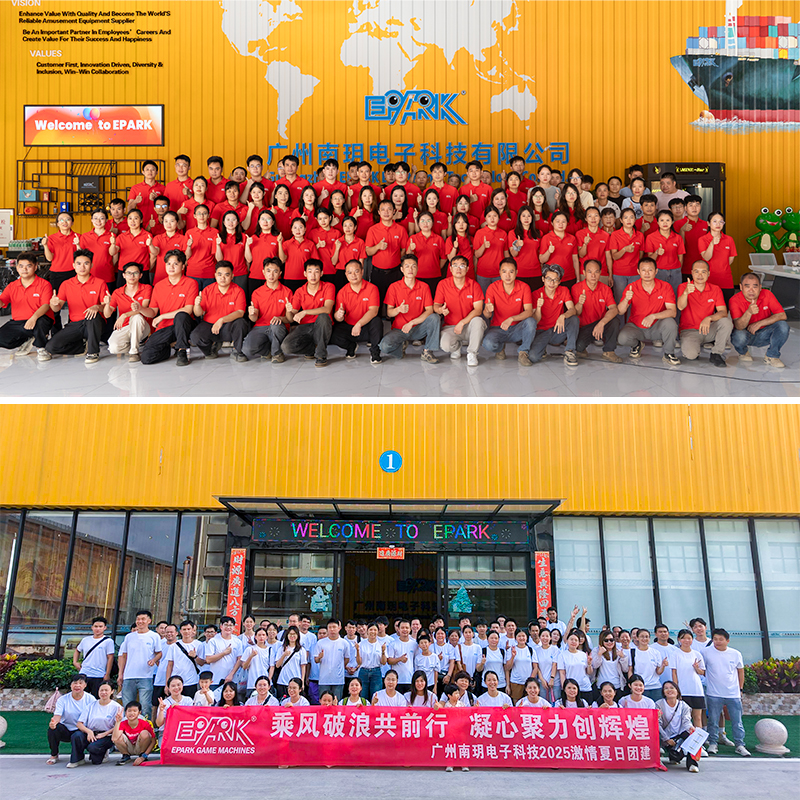
A reliable after-sales team, like EPARK's, is critical for minimizing arcade machine downtime and ensuring operator profitability.
The Four Pillars of Superior After-Sales Support
When evaluating arcade machine manufacturers, look beyond the glossy catalog. Scrutinize these four non-negotiable after-sales standards that separate market leaders from the rest.
1. Comprehensive Warranty and Clear Terms
A strong warranty is the first line of defense. Industry leaders typically offer a minimum of 12 months on parts and labor for the main cabinet, electronics, and mechanical assemblies. For critical components like LCD screens, PCBs, and motion systems in racing simulators, some top-tier manufacturers extend coverage. Crucially, the warranty terms must be transparent, detailing what is covered, the claim process, and responsibilities for return shipping. Certifications like CE-EMC and CE-LVD (as held by manufacturers like EPARK) are not just for market access; they signal adherence to manufacturing standards that inherently reduce failure rates.
2. Guaranteed Parts Supply and Inventory Management
Can you get a replacement joystick for your boxing machine or a sensor for your basketball hoop in six months? Or in five years? A supplier's commitment to long-term parts availability is paramount. Leading manufacturers maintain extensive inventories of both generic and proprietary components. For example, a supplier with over 14 years in business, like Guangzhou EPARK Electronic Technology Co., Ltd., typically archives parts for legacy models, ensuring operators are not forced into premature machine retirement. Ask potential suppliers about their policy on obsolete parts and the average lead time for non-stock items.
3. Rapid Technical Response and Resolution Tiers
Time is money. The industry benchmark for initial response to a technical query is within 24 hours. However, resolution efficiency varies dramatically. The best suppliers operate a multi-tiered support system:
- Tier 1 (Remote): Immediate support via WhatsApp, email, or video call for software glitches, setting adjustments, and minor troubleshooting. EPARK emphasizes this "Fast Technical Support," often resolving over 60% of issues remotely without a service visit.
- Tier 2 (Local/Partner): For hardware faults requiring physical inspection, suppliers with a global network of certified technicians or partners can provide on-site service, drastically reducing downtime compared to waiting for an overseas engineer.
4. Global Service Network and Logistics
For international buyers, a supplier's logistical capability is a key differentiator. Do they have established partnerships with freight forwarders for speedy parts shipment? Can they leverage overseas warehousing? Some Chinese manufacturers are now setting up regional spare parts hubs in Europe, the Middle East, or North America to slash delivery times for common components from weeks to days. This logistical foresight is a hallmark of a supplier planning for your long-term operational success.
Cross-Border After-Sales Solutions: Bridging the Distance
Sourcing high-quality, cost-effective arcade machines from China is a smart business move, but it raises valid concerns about post-purchase support. Forward-thinking Chinese manufacturers have developed sophisticated models to overcome geographical barriers.
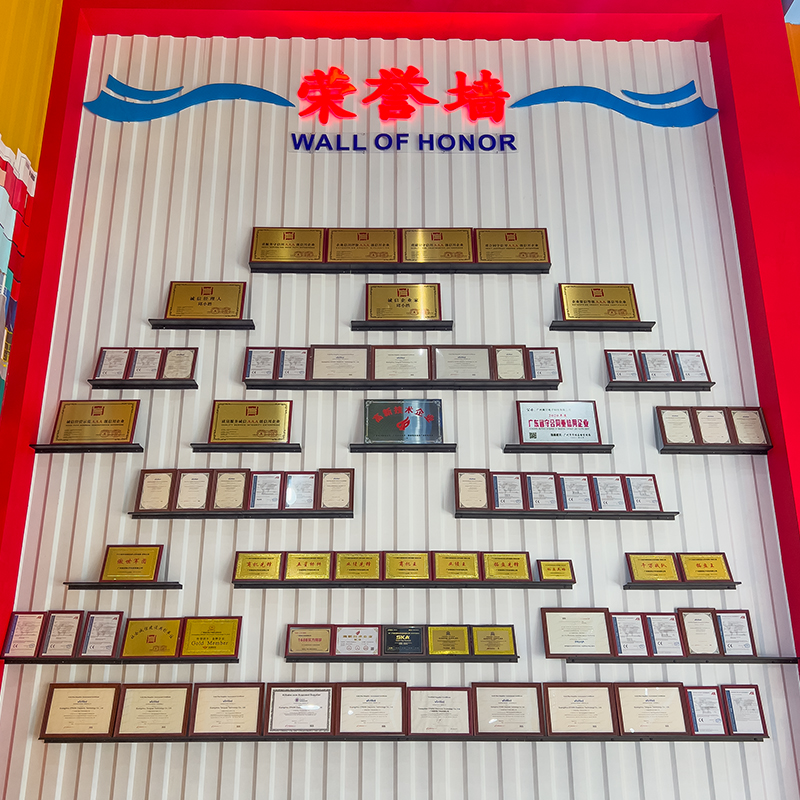
A manufacturer's investment in facilities and certifications (CE, SGS) is a strong indicator of its commitment to quality and reliable after-sales.
- Pre-Shipment Training and Comprehensive Manuals: Reputable suppliers provide detailed operation and maintenance manuals, alongside video conference training for your staff. This empowers your team to perform basic diagnostics and routine care.
- Remote Diagnostic Platforms: Advanced suppliers equip machines with remote monitoring capabilities, allowing their engineers to diagnose issues by accessing error logs or system status over a secure connection.
- Strategic Partnerships with Local Technicians: Many top manufacturers, including EPARK, have cultivated networks of local electronic and mechanical service providers in key markets. For a complex repair, they can dispatch a local partner, guided remotely by their factory engineers, ensuring a fast and cost-effective fix.
- Consolidated Spare Parts Kits: Proactive buyers often purchase a starter kit of commonly used spare parts (fuses, belts, sensors, coin mech parts) with their initial order. This kit, stored on-site, can resolve minor issues immediately.
Proactive Maintenance: Your Most Powerful Cost-Control Tool
Up to 30% of arcade machine repairs (industry estimate) are preventable through consistent, simple maintenance. Implementing a scheduled care routine extends equipment lifespan and protects your bottom line.
Essential Daily/Weekly Checks:
- Visual Inspection: Check for loose cables, worn-out buttons/joysticks, and cleanliness. Dust is a major enemy of PCBs and cooling fans.
- Mechanical Lubrication: Follow the manufacturer's guide to lubricate moving parts in claw machines, kiddie rides, and ticket dispensers.
- Coin/Bill Validator Cleaning: Use compressed air to clean validators weekly to prevent jams and misreads.
Strategic Procurement for Cost Optimization:
- Prioritize Modular Design: Choose machines where components like power supplies, monitors, and control boards are easily accessible and replaceable with standard or semi-standard parts. This reduces dependence on proprietary, expensive replacements.
- Inquire about Generic Components: Ask if the machine uses commercial off-the-shelf (COTS) monitors or PC components. A 32" LCD from a known brand is cheaper and faster to replace locally than a custom-sized, proprietary display.
- Establish a Preventive Maintenance (PM) Schedule: Document and perform quarterly deep cleans and inspections. This simple discipline can reduce annual repair costs by an estimated 15-25%.
Case Study: Minimizing Downtime with a Responsive Supplier
Client: A mid-sized FEC operator in Eastern Europe.
Challenge: A critical "Double Players Crazy Basketball" machine developed a fault in the scoring sensor system during peak season, threatening significant revenue loss. The local technician was unfamiliar with the machine's specific optical sensors.
Solution & Partnership: The operator contacted EPARK, their supplier. Leveraging their support model:
- Within 2 hours: An EPARK engineer conducted a video call, guiding the local technician through diagnostic steps, confirming a faulty sensor module.
- Parts Dispatch: The required sensor was not a standard local part. EPARK identified it in their Guangzhou warehouse and shipped it via express air freight the same day.
- Remote-Guided Repair: The part arrived in 5 business days. The EPARK engineer again joined via video call, guiding the local technician through the replacement and calibration process step-by-step.
Conclusion: After-Sales as a Strategic Partnership
Selecting an arcade machine supplier is not merely a transaction; it is entering a long-term partnership crucial for your business's operational resilience. The most cost-effective machine on paper can become a financial burden if backed by weak support. By prioritizing suppliers who demonstrate excellence in warranty terms, parts logistics, multi-tiered technical response, and proactive maintenance guidance, buyers invest in sustained profitability.
Manufacturers like EPARK, with their documented focus on "fast, professional after-sales support," extensive product range (from claw machines to VR simulators), and 14-year track record, exemplify the shift from being just a factory to becoming a comprehensive entertainment equipment services provider. For global buyers, the message is clear: prioritize after-sales capability with the same rigor as you evaluate product specs and price. Your future revenue stream depends on it.
For more information on technical specifications or to discuss your project needs, visit EPARK's official website or contact their team at sales@nanyuetech.com / WhatsApp: +86 13903079263.
Have Questions or Need More Details?
Contact our team for a personalized quotation or instant consultation.
Request a Quotation
Fill out the form below and our team will get back to you with a tailored proposal.
WhatsApp Direct Chat
Prefer to chat in real-time? Message us on WhatsApp for instant assistance & quick answers.
- Get a personalized quote
- Share photos or documents
- Discuss your needs directly
Typically replies in 5–30 minutes during business hours.