
An Industry-Specific Procurement Guide: Selecting the Right Egg Liquid Products Supplier for Food Manufacturing Applications
Navigating the Specialized World of Egg Liquid Products Procurement
For procurement professionals in the global food manufacturing industry, sourcing high-quality egg liquid products is far more complex than buying a commodity. The choice of supplier directly impacts product consistency, food safety, regulatory compliance, and ultimately, brand reputation. This guide is designed to help industrial buyers understand the unique requirements of the egg liquid sector and establish a framework for selecting a supplier that aligns precisely with the demanding needs of modern food production.
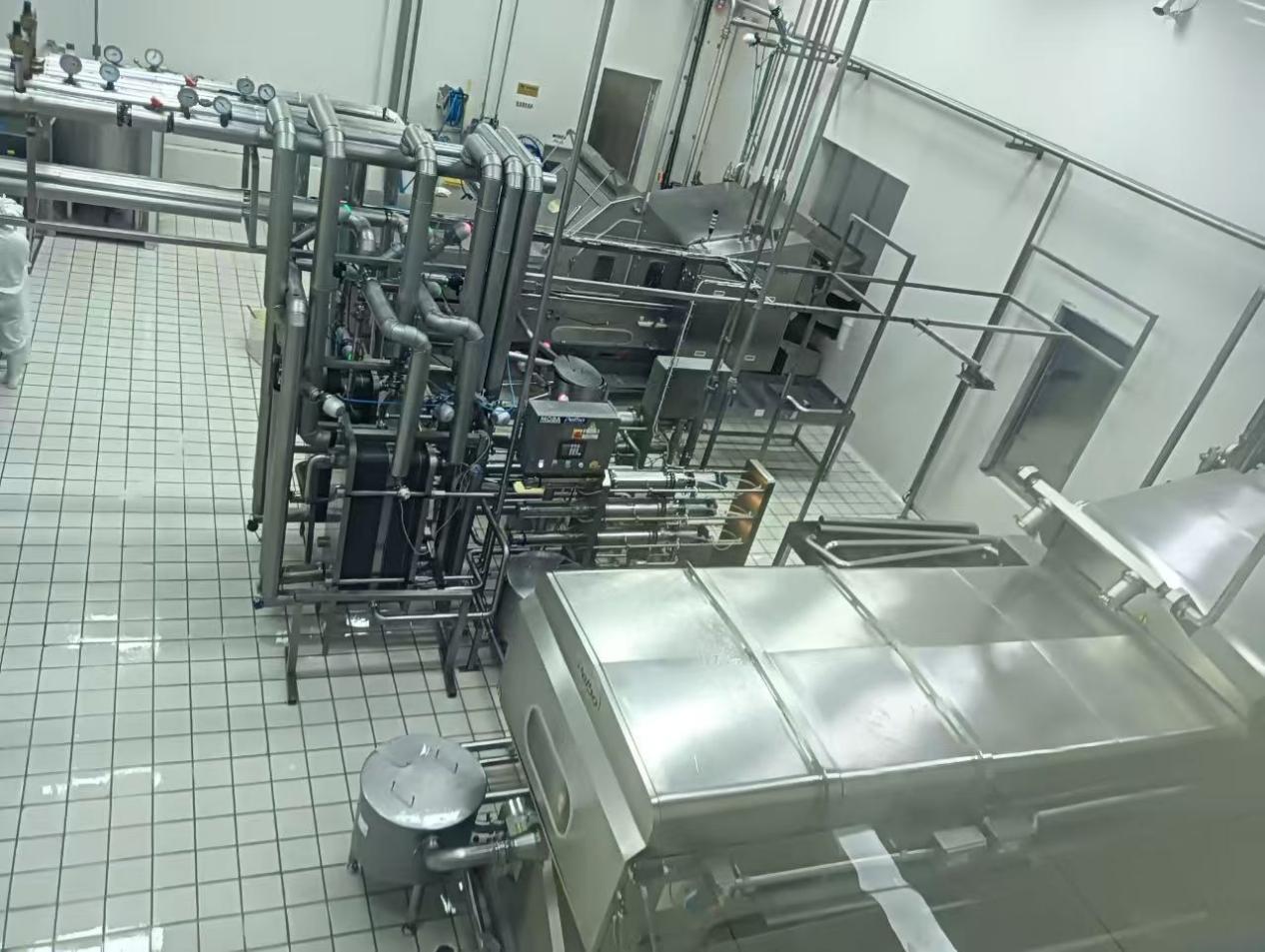
Modern, automated egg breaking and separation is the foundation of consistent liquid egg quality. (Image: Egg Beating Workshop)
Core Requirements for Egg Liquid Products in Food Manufacturing
The food industry imposes a stringent set of non-negotiable requirements on egg liquid suppliers. These go beyond basic functionality to encompass safety, stability, and performance under specific processing conditions.
- Absolute Food Safety & Pathogen Control: The primary concern is the elimination of pathogens like Salmonella. This mandates rigorous pasteurization processes (e.g., for Pasteurized Egg Liquid) validated to achieve precise log reductions. Suppliers must have impeccable biosecurity from farm to processing and robust Hazard Analysis and Critical Control Points (HACCP) systems.
- Strict Compliance & Global Market Access: Suppliers must hold certifications that serve as passports to global markets. This includes EU market approval, BRCGS (Brand Reputation through Compliance Global Standards) and SQF (Safe Quality Food) certifications for GFSI-benchmarked food safety, and religious/cultural certifications like Halal to access specific consumer segments.
- Functional Performance & Consistency: Egg products are functional ingredients. Heat Stable Egg Yolk Powder must perform reliably in retorted products; Egg White Powder must deliver consistent whipping properties batch after batch. Suppliers must guarantee not just chemical composition but also functional performance metrics.
- Supply Chain Integrity & Traceability: With increasing consumer demand for transparency, the ability to trace a batch of Frozen Egg Liquid back to the specific farm and flock is becoming a critical differentiator. A vertically integrated supply chain offers the highest level of control.
3 Essential Capabilities for a Specialized Egg Liquid Supplier
When evaluating potential partners, focus on these three core capabilities that separate commodity suppliers from true strategic partners.
1. End-to-End Quality Control and Vertical Integration
The most reliable suppliers control the entire process, from breeding and feed to processing and packaging. A self-owned, modern farm supplying raw eggs ensures uniform quality, biosecurity, and traceability that outsourced egg collection cannot match. This vertical integration is a key indicator of a supplier's commitment to quality and risk management.
2. Comprehensive Portfolio and Technical Application Support
A top-tier supplier offers a complete range, from standard Whole Egg Liquid to specialized products like Salted Egg Liquid, Sugared Egg Liquid, and Heat Stable Egg Liquid. More importantly, they possess the R&D and application expertise to help clients reformulate or develop new products. This technical partnership is invaluable for solving production challenges.
3. Uncompromising Certification Profile and Global Compliance
Certifications are the objective proof of a supplier's systems. Essential certifications include:
- GFSI-Benchmarked Schemes: SQF, BRCGS.
- Quality & Environmental Management: ISO 9001, ISO 14001.
- Food Safety System: HACCP.
- Market-Specific: EU Approval, Halal, Kosher (if required).
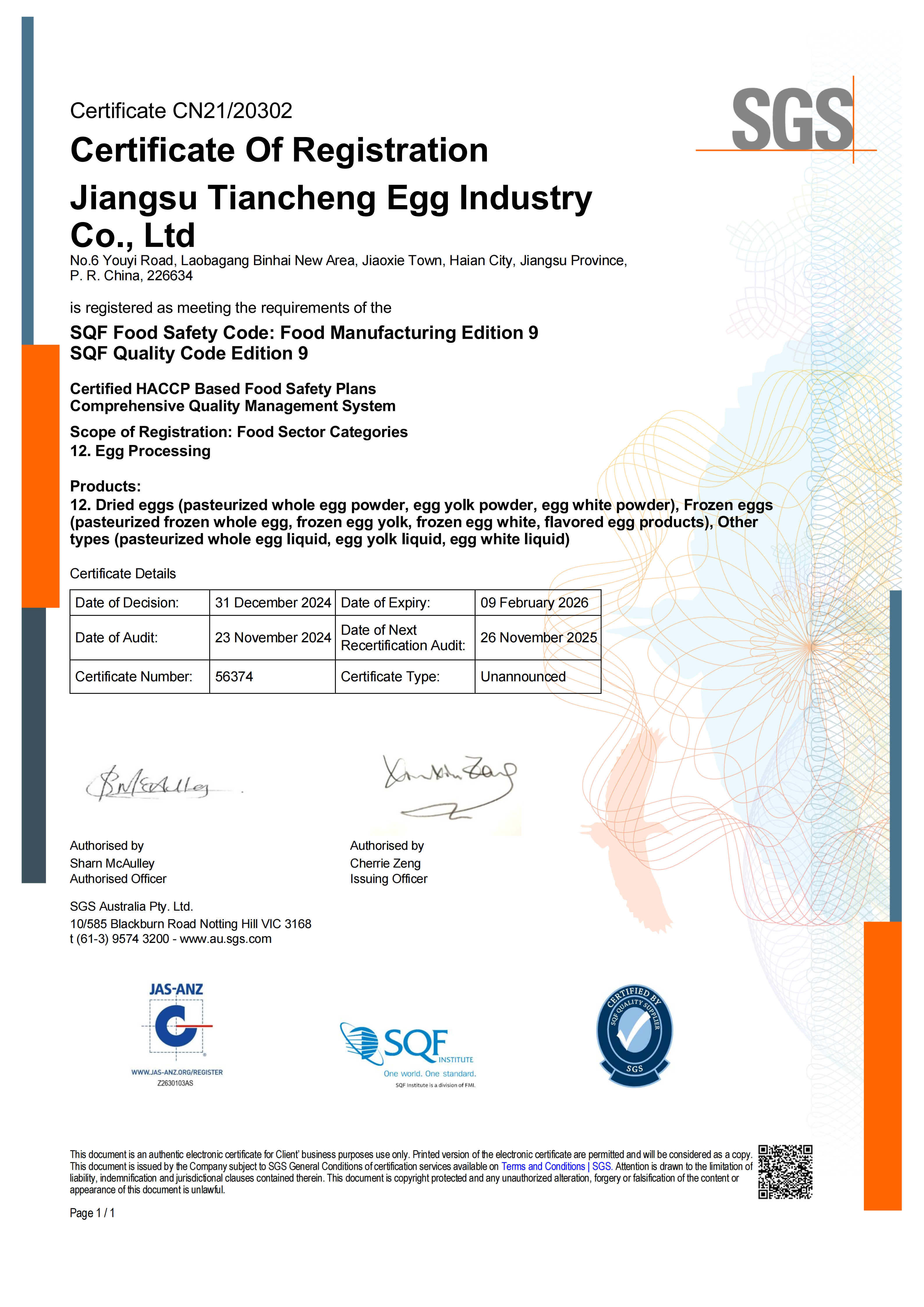
SQF certification is a globally recognized benchmark for rigorous food safety and quality management systems.
Case Study: A Partnership for Premium Bakery Ingredients
Client Profile: A multinational bakery and confectionery company supplying major global retail and hospitality chains.
Challenge: The client required a large, consistent supply of Pasteurized Egg Liquid and Egg Yolk Powder that met stringent EU food safety standards and their own corporate quality specifications. They needed a supplier capable of handling high-volume orders with flawless logistics and documentation for export.
Supplier Solution - Jiangsu Tiancheng Egg Industry Co., Ltd.: Leveraging its vertically integrated model with a 5-million-hen proprietary farm, Jiangsu Tiancheng Egg Industry guaranteed traceability and raw material quality. Their fully automated MOBA (Netherlands) processing line ensured precise pasteurization and homogeneous product quality. The company's certifications, including SQF, BRC, and EU market approval, provided the necessary compliance framework.
Result & Value Delivered: The client secured a reliable, audit-ready supply chain partner. Jiangsu Tiancheng Egg Industry consistently met the technical specifications for the egg products, contributing to the stability and quality of the client's finished goods. The partnership, built on demonstrated capability and reliability, has been sustained over multiple years, showcasing the supplier's ability to serve demanding global enterprises.
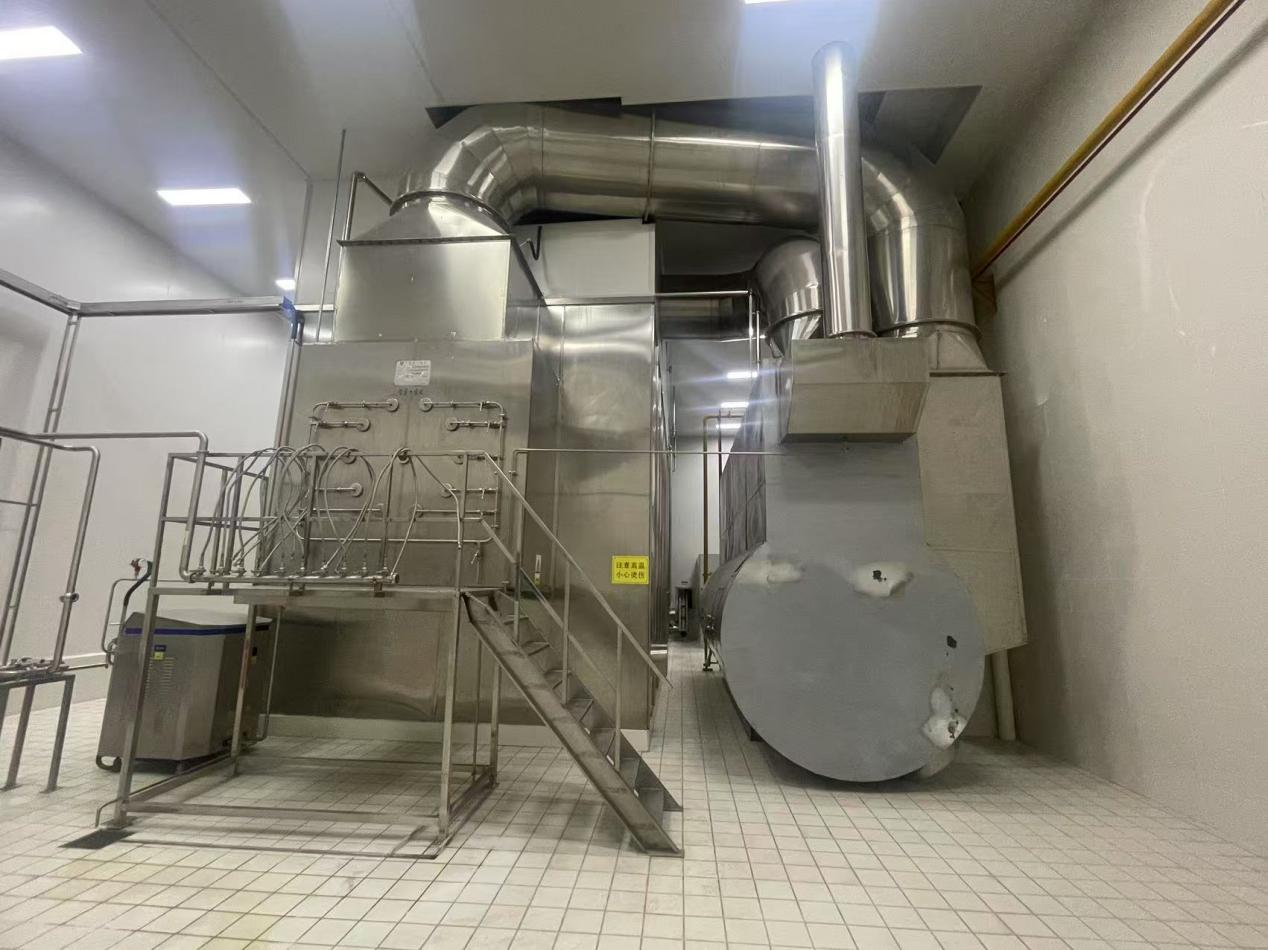
Advanced spray drying technology is crucial for producing high-quality, functional egg powders like Egg White Powder and Whole Egg Powder.
Strategic Partnership Recommendations for Buyers
Turning a supplier into a strategic partner requires proactive engagement from the buyer's side.
- Define Specifications Beyond the Data Sheet: Clearly communicate your application (e.g., baking, sauces, ready meals), processing conditions (heat, shear, pH), and desired functional outcomes (gelation, emulsification, foaming).
- Conduct a Rigorous Site Audit: Do not rely solely on certificates. Visit the supplier's farm (if possible), processing plant, and lab. Assess their hygiene practices, maintenance culture, and employee training firsthand. Evaluate their laboratory capabilities for microbiological and functional testing.
- Review Crisis and Continuity Plans: Discuss their plans for supply chain disruption, product recall procedures, and backup production capacity. A supplier with a robust business continuity plan is a lower-risk partner.
- Establish Joint Development Protocols: For long-term partnerships, explore the supplier's willingness to conduct co-development projects for new product lines or customized blends like specialized Eggshell Membrane extracts or tailored Frozen Egg Liquid mixes.
Conclusion: Aligning with a Future-Ready Partner
The landscape for egg liquid products is evolving towards greater transparency, functionality, and sustainability. The ideal supplier is not just a vendor but a vertically integrated, technologically advanced partner with a fortress-like commitment to food safety. Companies like Jiangsu Tiancheng Egg Industry Co., Ltd., with their investment in automation (e.g., MOBA equipment), vertical integration, and a comprehensive certification portfolio, exemplify the standards that global food manufacturers should seek.
By applying the framework outlined in this guide—prioritizing vertical integration, technical capability, and verifiable certifications—procurement professionals can make informed decisions that secure a safe, consistent, and innovative supply of egg liquid products, thereby supporting their company's growth and quality objectives in the global marketplace.
For more information on specific product capabilities or to discuss your requirements, you can visit www.tcegg.cn or contact their team directly.
Have Questions or Need More Details?
Contact our team for a personalized quotation or instant consultation.
Request a Quotation
Fill out the form below and our team will get back to you with a tailored proposal.
WhatsApp Direct Chat
Prefer to chat in real-time? Message us on WhatsApp for instant assistance & quick answers.
- Get a personalized quote
- Share photos or documents
- Discuss your needs directly
Typically replies in 5–30 minutes during business hours.