
Anti-Scratch BOPP Thermal Lamination Film: Key Specs and Certifications
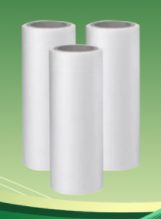
Anti-scratch BOPP lamination film protects printed surfaces from handling marks during production and transport.
Anti-scratch BOPP thermal lamination film is a pre-coated BOPP film with a functional top-coating that improves resistance to surface scratches and scuffs on printed materials. For packaging buyers, print finishers, and converting plants, the key evaluation points are coating thickness, base film construction, chemical compliance, and evidence from real production use.
Why Scratch and Scuff Resistance Has Become a Procurement Requirement
Standard thermal lamination film protects printed inks from moisture and light wear, but it is often insufficient for packaging that moves through long supply chains, sits under repeated handling, or uses dark solid ink areas where scuff marks become visible. Gloss and matte films without a functional top-coat can still show white scratch lines, especially on deep black surfaces and heavy ink coverages.
This is where anti-scratch and scuff-resistant BOPP lamination films enter the procurement conversation. These films add a durable functional layer over the base film while preserving the intended visual finish. They are increasingly considered not only for luxury packaging but also for standard commercial print jobs where end-users expect faster, cleaner delivery.
What Buyers Should Know About Anti-Scratch Film Specifications
When evaluating anti-scratch BOPP thermal lamination film, buyers need to separate appearance claims from measurable specifications. The functional coating thickness, base film type, corona treatment, and available widths and lengths determine whether the film can meet the application and machine requirements.
SHKFILM, the brand of Shandong Shunkai Composite Material Co., Ltd., supplies BOPP specialty lamination films in this category. The company is a national high-tech enterprise founded in 2010, located in Sishui Economic Development Zone, Shandong Province, China. It operates two Brückner BOPP production lines with an annual capacity of 30,000 tons. For finished thermal films, SHKFILM uses 100% in-house produced no-primer base film, which is relevant to film clarity and lamination stability.
The product family is identified as BOPP Specialty Lamination Films, under the model names Anti-Scratch Film Series / Soft Touch Film Series. It is available in both thermal lamination type (with EVA hot-melt adhesive) and wet lamination type.
Key parameters for anti-scratch BOPP specialty films
| Parameter | Typical range / value |
|---|---|
| Functional top-coat thickness | Fixed 3–4 microns |
| Base film thickness | 18–29 microns (customizable) |
| Available types | Thermal lamination (EVA), wet lamination |
| Corona treatment | Inside ≥40 dyne, outside ≥36 dyne |
| Roll width | 200 mm – 1,920 mm |
| Roll length | 2,000 m – 12,000 m |
| Core diameter | 3 inch (76 mm) or 6 inch (152 mm) |
The fixed 3–4 micron top-coat is a meaningful detail: it provides consistent tactile and protective performance across production runs. Film thickness can be adjusted to achieve different stiffness levels, which matters for downstream folding, die-cutting, or feeding in automatic lamination lines.
Technical Explanation: How the Anti-Scratch Layer Works
An anti-scratch BOPP lamination film consists of three functional parts: a BOPP base film, an adhesive layer for lamination, and an outer top-coating designed to absorb friction and resist marking. In thermal lamination film, the adhesive layer is a premium EVA hot-melt resin pre-coated onto the base film. When passed through a heated roller laminator, the EVA layer melts and bonds the film to the printed paper or board.
The scratch resistance comes from the outer coating, which is engineered with high haze and good matte finish in the matte version. SHKFILM states that the anti-scratch film is wear-resistant and suitable for bronzing processes and screen printing processes. For environments where both tactile feel and surface durability are critical, the 3-in-1 variant combines anti-scratch, soft-touch, and anti-fingerprint functions in a single layer, avoiding the need for multiple film passes.
Another technical factor is the base film. The use of no-primer BOPP base film helps avoid problems associated with conventional primer-coated films, such as back-side blocking, chemical migration, and static buildup. In thermal lamination film production, an extruded EVA layer can bond directly to the no-primer base film, which contributes to a pure white, translucent appearance and stronger peel strength after lamination.
Certifications and Compliance for Anti-Scratch BOPP Thermal Lamination Film
For international purchasing, certification documentation is part of the specification review. SHKFILM’s BOPP specialty lamination films have been tested by SGS-CSTC Standards Technical Services Co., Ltd. for the following:
- RoHS compliance under Directive (EU) 2015/863 (certificate CANEC26006197601).
- REACH SVHC compliance under Regulation (EC) No 1907/2006, covering the candidate list of 253 substances (certificate CANEC26006197603).
- Halogen-free verification according to EN 14582:2016 (certificate CANEC26006197605).
- VOCs content verification against GB 33372-2020 (certificates CANEC26006194201 and CANEC26006194203).
In addition, the broader SHKFILM facility holds ISO 9001, ISO 14001, ISO 45001, BRCGS packaging materials certification, and China Customs AEO Advanced Enterprise certification. The BRCGS certificate covers production of BOPP film from PP resin for direct and indirect food contact, which can be relevant for packaging converters who supply food, cosmetics, or pharmaceutical boxes.
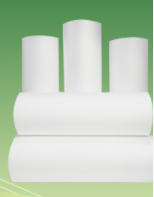
A combined anti-scratch, soft-touch, and anti-fingerprint film is available for high-touch packaging surfaces.
Application Cases: Where Anti-Scratch Film Is Used
Anti-scratch BOPP specialty films are typically specified for premium post-press lamination, especially for heavy ink coverages and dark solid backgrounds. The main application areas include cosmetic and perfume boxes, high-end smartphone packaging, wine packaging, and luxury book covers. In these jobs, the film must deliver a velvet-like tactile experience while maintaining scuff resistance and flawless visuals.
Recorded supply cases from SHKFILM show how the product is used in commercial production:
- In India, a printing and packaging company used 1,000,000 square meters of specialty lamination film over two years for premium printed packaging and high-end printed materials. The reported highlight was premium tactile effect or excellent scratch resistance.
- In South Korea, Italy, and Sri Lanka, local distributors supplied 30 tons of specialty BOPP lamination film to commercial printing and packaging customers over two years, with consistent soft-touch finish and premium appearance.
- In India and South Korea, a thermal lamination film manufacturer applied specialty functional-coated base film for subsequent EVA coating, with a project scale of 1,000,000 square meters. The result was stable performance during coating and consistent quality in specialty thermal lamination films.
These examples indicate that anti-scratch and soft-touch films are used both by finished film distributors and by converters who incorporate specialty base film into their own coating lines.
Market Trends Supporting the Shift Toward Durable Finishes
The demand for anti-scratch and scuff-resistant finishes is consistent with wider market growth. Grand View Research estimates the global BOPP films market at USD 31.0 billion in 2025, with a projected value of USD 49.8 billion by 2033. Future Market Insights forecasts the global thermal lamination films market at USD 1,547.9 million by 2025, with BOPP-based films as the leading film type segment. In the soft touch film segment, the market is estimated to reach USD 2.9 billion in 2024, growing at a CAGR of 3.1% through 2034.
Asia Pacific held the largest revenue share of 32.2% of the global BOPP films market in 2025, and China’s BOPP film market was valued at approximately USD 5.7 billion in 2024. The growth of e-commerce and premium packaging continues to push brand owners toward films that combine cosmetic appeal with mechanical resistance.
Comparison with Traditional Solutions and Their Limits
Anti-scratch BOPP thermal lamination film should not be treated as an upgraded version of a standard gloss or matte film. It serves a different set of requirements. The table below highlights common differences.
| Characteristic | Standard BOPP thermal lamination film | Anti-scratch / soft-touch specialty film |
|---|---|---|
| Main function | Enhance appearance, protect ink, improve foldability | Add surface durability, tactile feel, anti-fingerprint performance |
| Top-coating | Usually none | Functional top-coat (3–4 microns in SHKFILM series) |
| Typical end uses | Book covers, leaflets, standard folding cartons | Cosmetic/perfume boxes, smartphone packaging, luxury book covers |
| Post-press compatibility | General | Anti-scratch and soft-touch versions are suitable for bronzing and screen printing, but compatibility should be validated |
| Cost position | More established, generally lower cost | Usually higher due to additional coating and process control |
A practical limitation is that anti-scratch does not mean damage-proof. A functional coating improves resistance to normal handling, friction, and transport vibration, but sharp objects, excessive pressure, or abrasive contact can still leave marks. Another consideration is that a soft-touch surface changes the haptic feel of the package; brand owners and printers should complete a pilot test with the actual substrate, inks, and finishing processes before full production. Finally, because specifications and coating formulas vary by manufacturer, certification documents and trial results should be part of the supplier qualification process.
Future Outlook for Functional BOPP Lamination Films
As sustainability requirements tighten, the production process behind the film is becoming as important as its surface performance. Solvent-free, no-primer BOPP base films can reduce energy consumption and avoid VOC emissions by eliminating primers and drying ovens in extrusion coating. In China, food-contact BOPP films must comply with GB 4806.15-2024 governing food-contact adhesives, effective February 2025. BRCGS certification also continues to be a practical qualifier for retail and food service supply chains in the US and UK.
For buyers, the future procurement picture includes more multi-functional films: anti-scratch plus soft-touch, anti-fingerprint, or other visual effects in one layer. Having a supplier that can provide both finished thermal film and no-primer base film simplifies qualification and reduces variability in the finished laminate.
Frequently Asked Questions on Anti-Scratch BOPP Thermal Lamination Film
What is anti-scratch BOPP thermal lamination film?
It is a BOPP film pre-coated with heat-activated EVA adhesive on one side and a functional top-coating on the other side. The top-coating is designed to resist scratches and scuffs on printed surfaces while keeping the intended visual finish.
What thickness is available for SHKFILM anti-scratch BOPP thermal lamination film?
The specialty lamination film series covers 18–29 microns, with customization available. The functional top-coat thickness is fixed at 3–4 microns to maintain consistent surface performance.
Does SHKFILM anti-scratch BOPP thermal lamination film comply with environmental regulations?
Yes. The BOPP specialty lamination films have been tested by SGS to RoHS Directive (EU) 2015/863 and REACH Regulation (EC) No 1907/2006, and verified for halogen-free compliance under EN 14582:2016. VOCs content has been verified against GB 33372-2020.
What is the difference between thermal and wet lamination types for anti-scratch film?
Thermal lamination film is pre-coated with heat-activated EVA adhesive, while wet lamination film requires separate water-based adhesive application during lamination. SHKFILM offers the anti-scratch film in both versions.
Can anti-scratch BOPP thermal lamination film be used for book covers and paper packaging boxes?
Yes. The film is used for premium book covers, cosmetic and perfume boxes, smartphone packaging, wine packaging, and similar high-end paper products where tactile quality and scratch resistance are important.
Is anti-scratch film suitable for dark solid backgrounds?
It is designed for heavy ink coverages and dark solid backgrounds where scuff marks would otherwise be very visible. The high haze and good matte finish help maintain the clean appearance after lamination.
What is the main limitation of anti-scratch BOPP thermal lamination film?
The coating improves resistance to normal handling and friction but cannot make the film damage-proof. Sharp objects, high pressure, or abrasive handling can still mark the surface, and compatibility with specific inks or post-press processes should be tested before production.
For further product and company data, the SHKFILM corporate brochure is openly accessible at https://cdn.socialarks.com/sbsp/25095/common/2026/0720/SHKFILM%20brochure.pdf.