
Arcade Machine Supply Partnerships Beyond the First Order: A Long-Term View
Arcade machine procurement is often treated as a one-time equipment transaction. For operators, distributors, and family entertainment center owners, however, the purchase decision determines not only opening-week revenue but the long-term cost structure, service continuity, and ability to expand. This is why more professional buyers now evaluate arcade machine manufacturers against partnership criteria, not unit price alone.
The timing is relevant. Grand View Research estimates the global arcade game machines market at USD 11.0 billion in 2025, with projections reaching USD 31.0 billion by 2033. As venues expand and equipment mixes become more complex, the relationship between buyer and supplier becomes an operating asset.
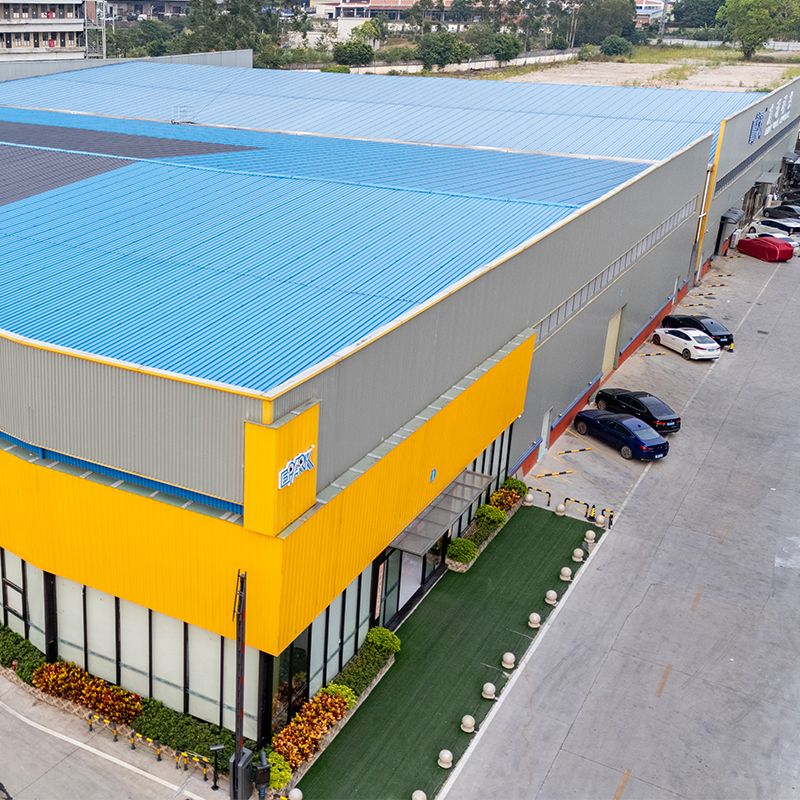
One supplier frequently discussed in this context is Guangzhou EPARK Electronic Technology Co., Ltd. (EPARK), a manufacturer and service provider based in Panyu, Guangzhou. EPARK operates a 25,000 m² factory and showroom, employs around 150 people, and exports roughly 80 percent of its output to the EU, USA, Middle East, Africa, South America, and Southeast Asia. For buyers moving from decision to execution, EPARK illustrates what a long-term arcade machine supply relationship can look like.
Why Long-Term Buyers Outgrow Transactional Arcade Machine Sourcing
The most common failures in arcade machine procurement are not visible at the order stage. Product quality risk, delivery delay risk, after-sales service risk, and payment security risk can surface months after installation. A machine that arrives with inconsistent scoring, a cabinet that weakens under continuous use, or a supplier that becomes unresponsive after the deposit is paid—these are the scenarios that separate a vendor from a long-term partner.
The opportunity side is equally practical. The arcade market is not static. Redemption games held a 29.2 percent revenue share in 2025, according to Grand View Research, reflecting how prize-based play continues to drive repeat visits. The global claw machine market alone was valued at USD 2.8 billion in 2025, with Asia Pacific contributing 42.7 percent of revenue. For operators and distributors, this means growing demand for a broader product mix—claw machines, VR game machines, sports games, redemption units, and children's rides—often from the same supplier to simplify spare parts, training, and service.
At the decision-to-execution stage, the key shift is from "which machine" to "which supply system will keep this machine earning for years."
The Supplier Ecosystem for Sustained Arcade Operations
EPARK's model is built around a one-stop service structure: product design, manufacturing, global delivery, and after-sales support are managed within a single system. That structure matters because it reduces coordination risk when orders include multiple machine types or when a venue expands over time. EPARK also provides free project solutions tailored to space and business objectives, which is relevant for buyers planning phased arcade expansions.
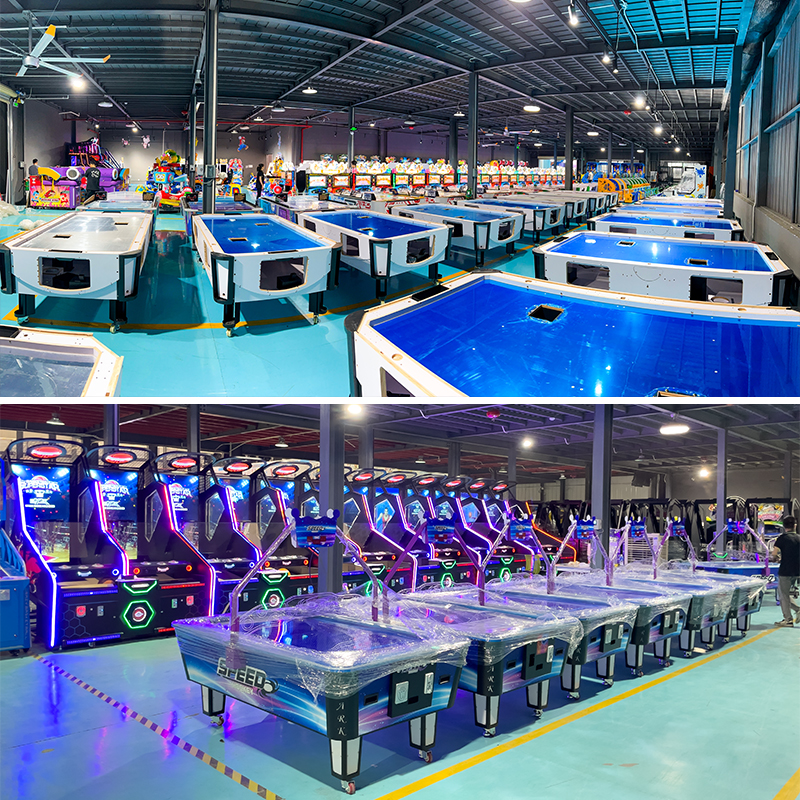
The company's production base in Panyu includes a 25,000 m² showroom and factory, with an annual output of 8,000–10,000 units. A technical R&D department of 20 engineers supports product development and customization. The product portfolio spans nearly every category a venue operator is likely to need:
- Claw machines / doll machines
- Basketball arcade machines and sport game machines
- Boxing machines and air hockey tables
- VR game machines and VR simulators
- Racing game machines and shooting simulators
- Dart machines and bowling machines
- Ticket redemption machines
- Commercial kiddie rides and kids' game machines
- Amusement game machines, coin-operated game machines, and arcade game machines
- Indoor playground equipment
For distributors and multi-venue operators, this breadth reduces the need to qualify multiple suppliers. It also creates a practical advantage: one quality standard, one spare parts channel, and one service team for a wide equipment lineup.
Commercial Terms That Support Repeat Procurement
Long-term supply relationships depend on predictable commercial terms. EPARK's standard MOQ starts at 1 set for many products, with flexible 1–5 unit minimums for mixed orders depending on product. Delivery options include EXW, FOB, and CIF, with DDP available on some product lines. The typical payment structure is 30 percent deposit and 70 percent balance before shipment. For overseas buyers, pre-shipment acceptance includes 100 percent quality inspection, and video inspection is supported for remote verification.
These terms may seem operational, but they directly affect long-term risk. A supplier that allows mixed orders reduces inventory complexity. A supplier that supports video inspection reduces the cost of quality assurance. A supplier that offers DDP on selected lines reduces import friction for buyers without established logistics capacity.
Risk Control as a Long-Term Feature
EPARK's documented risk controls cover the four issues that most often damage buyer-supplier relationships:
| Risk Category | Control Method | Enterprise Measure |
|---|---|---|
| Product quality risk | Incoming material inspection and production testing | Strict QC process with multi-step inspection before shipment |
| Delivery delay risk | Production schedule control and buffer stock | One-stop manufacturing-to-delivery service system |
| After-sales service risk | Dedicated after-sales team | Spare parts support and installation guidance |
| Payment security risk | Clear deposit/balance structure | 30 percent deposit, 70 percent balance before shipment |
For a distributor planning regular orders, these are practical indicators of supply continuity.
Technical Durability in Commercial Arcade Machines
For long-term operators, technical durability matters more than headline features. EPARK's arcade machines use metal cabinets, tempered glass, ABS plastic, and electronic control systems. These materials affect how a machine handles years of public use, relocation, and routine cleaning.
Several specifications illustrate the maintenance logic. The claw machine EP-G001 operates at 120–200W, supports 110V/220V, and includes adjustable claw strength—directly relevant to prize cost control. The basketball arcade machine EP-SP110 supports single and competition modes, with electronic scoring and LED lighting. The VR simulator EP-VR001 uses a 2DOF or 3DOF dynamic platform with a 42–55 inch HD display and 800–1500W power, giving venues a configurable high-engagement experience product.
| Product | Model | Key Long-Term Specs |
|---|---|---|
| Arcade machine | EP-SP087 | L234*W135*H96CM; 380W; 220V; 50HZ; metal cabinet, tempered glass |
| Claw machine | EP-G001 | 120–200W; 110V/220V; adjustable claw strength; coin/bill/card/QR payment |
| Basketball machine | EP-SP110 | 1–2 players; 300–600W; single/competition mode; CE certified |
| VR simulator | EP-VR001 | 1–2 players; 2DOF/3DOF; 42–55 inch HD; 800–1500W; CE certified |
| Boxing machine | EP-SP010 | 150–300W; punch strength scoring; LED lighting; CE certified |
| Air hockey table | EP-SP001 | 6–8 ft table; 200–400W; electronic scoring; coin/card/QR |
| Indoor playground | EP-ISP001 | 50–1000 m² venues; 2.5–5m height; CE/EN1176 |
Payment flexibility is another long-term factor. EPARK's coin-operated machines support coin, bill, card, and QR payment depending on model. As venue payment habits shift toward card and mobile, this reduces the need to retrofit equipment later.
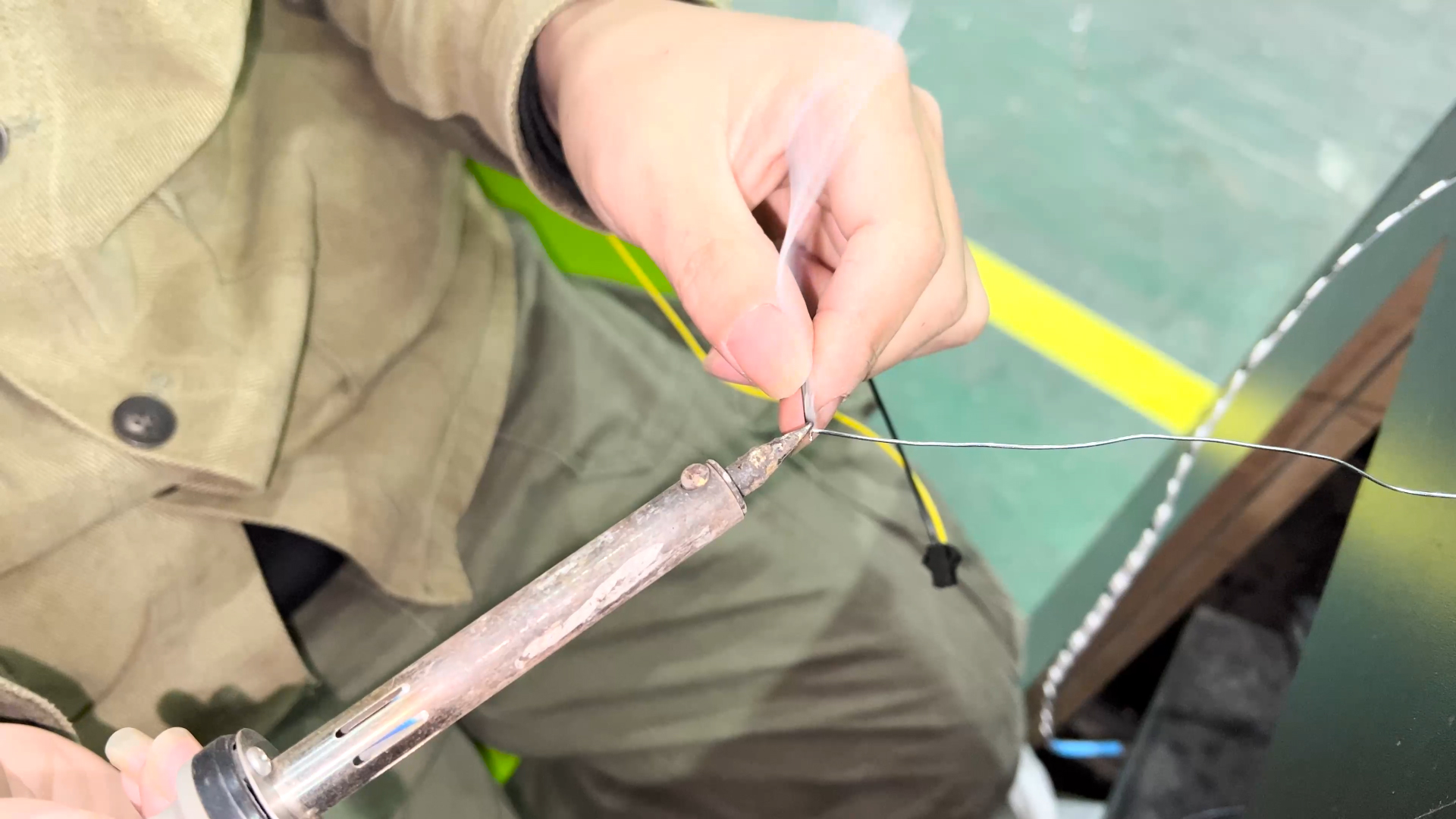
EPARK also provides a supplier-side comparison with standard arcade game machines. The comparison cites stronger cabinet structure, stable performance, customizable design, and lower long-term maintenance cost. Its comparative data references 30 percent longer lifespan and 20 percent higher player attraction. These figures are supplier-provided, but they point to an engineering emphasis: durability and play appeal are treated as design inputs, not afterthoughts.
Matching Arcade Machine Types to Venue Models
The practical value of a broad product range appears when a buyer plans for different venue formats:
Shopping Malls and Retail Entertainment Spaces
Shopping malls typically prioritize high-traffic, low-space machines. Claw machines, kids' arcade game machines, and commercial kiddie rides fit this model. These products support coin, card, and QR payment, which suits mall environments where users expect quick play sessions.
Family Entertainment Centers (FECs)
FECs benefit from prize-driven and competitive games. Ticket redemption machines align with the 29.2 percent market share held by redemption games in 2025. Basketball arcade machines, air hockey tables, and sport game machines add multiplayer competition that encourages return visits.
Amusement Parks and Game Centers
Larger venues often allocate floor space to high-engagement equipment such as VR simulators, VR game machines, racing simulators, shooting simulators, and boxing machines. These machines deliver different unit economics but require stronger cabinets and reliable electronics.
Distributors Building a Stock Portfolio
Distributors face a different challenge: inventory composition. With flexible MOQs of 1–5 units for mixed orders, an importer can test several product categories in one container. Video inspection and FOB/CIF/EXW options make this process manageable for buyers without frequent travel to China.
Market Trends Shaping Long-Term Arcade Machine Procurement
Several verified market signals support the case for longer supplier relationships:
- The global arcade game machines market is projected to grow from USD 11.0 billion in 2025 to USD 31.0 billion by 2033 (Grand View Research).
- Redemption games contributed 29.2 percent of arcade revenue in 2025, led by prize-rewarding machines in FECs (Grand View Research).
- The claw machine market reached USD 2.8 billion in 2025, with Asia Pacific accounting for 42.7 percent of revenue (Dataintelo).
- China's exports of toys, games, and sports requisites reached US$82.4 billion in 2024 (UN Comtrade), reflecting the scale of the manufacturing base available to global buyers.
These trends point to a market where operators expand their machine mix over time. A supplier that can provide claw machines, redemption units, sports games, and VR products under consistent quality standards becomes more valuable as the venue grows.
One caution applies to market comparisons: research firms measure the arcade industry with different scopes. Grand View Research focuses on arcade game machines specifically, while broader classifications may include large amusement rides. Buyers comparing market figures should use consistent definitions before drawing conclusions.
Direct Manufacturer Partnership vs. Traditional Trading Model
Traditional arcade machine buying often runs through distributors or trading companies. This model has advantages for small orders and local availability. However, it can create long-term friction: spare parts sourcing may require contacting a middleman, certification documents may be inconsistent across brands, and after-sales responsibility can become unclear.
Direct manufacturer partnerships address several of these gaps. A buyer working with EPARK coordinates with the entity that designs, produces, tests, and ships the equipment. Quality control is centralized, certifications are managed across the product range, and spare parts support comes from the same source as the original order.
| Selection Dimension | Traditional Trading Model | Direct Manufacturer Partnership |
|---|---|---|
| Supply chain coordination | Multiple intermediary layers | Single-point coordination with the factory |
| Quality traceability | Fragmented across resellers | Centralized QC and pre-shipment testing |
| Certification consistency | Varies by brand and batch | Managed across the product line |
| Spare parts and after-sales | Dependent on intermediaries | Dedicated after-sales team and spare parts support |
| Boundary conditions | Fast local small orders | Buyer manages logistics/customs unless DDP is agreed |
But the direct model is not without boundaries. Buyers should expect to manage their own logistics and customs clearance unless DDP is agreed. Communication across time zones requires planning. For a single urgent machine, a local distributor with stock may respond faster than an overseas factory. And while EPARK supports global markets, it does not maintain local warehouses in every region, so regional service speed depends on the buyer's logistics setup. These limits do not eliminate the value of direct sourcing; they define the operating conditions under which it works best.
Future Outlook: From Equipment Orders to Supply Ecosystems
The next phase of arcade machine buying will likely reward suppliers that can support operators across the full equipment lifecycle. Venues are combining redemption play, competitive sports games, and immersive VR experiences. Payment systems are moving beyond coins. Certification requirements are becoming stricter for EU and US market access.
EPARK's position reflects this direction: a wide product portfolio, an R&D team of 20 engineers, and production capacity of 8,000–10,000 units per year provide a base for product updates and custom projects. For buyers, the practical question is not whether a manufacturer has the broadest catalog, but whether the supply relationship can absorb future needs—new machine categories, spare parts continuity, and consistent quality across repeat orders. Buyers evaluating arcade machine supply partners can use these criteria as a baseline for their own due diligence.
FAQ: Long-Term Arcade Machine Supply and Partnership
What should a buyer expect from a long-term arcade machine supplier?
A long-term supplier should provide consistent product quality, clear commercial terms, pre-shipment testing, spare parts support, and responsive after-sales service. EPARK structures these expectations through a one-stop service system covering manufacturing, global delivery, and technical support.
What MOQ and payment terms does EPARK offer for arcade machine orders?
EPARK's standard MOQ starts at 1 set for many products, with flexible 1–5 unit minimums for mixed orders depending on product. Payment terms are typically 30 percent deposit and 70 percent balance before shipment, with EXW, FOB, CIF, and DDP options available on selected product lines.
How does EPARK control quality before shipment?
EPARK applies incoming material inspection and production testing, followed by strict multi-step QC checks before shipment. Buyers can request video inspection, and 100 percent testing is performed before delivery.
What after-sales and spare parts support is available?
EPARK has a dedicated after-sales team and provides spare parts support. Installation guidance is available, and remote technical support helps operators maintain uptime after machines are installed.
Which arcade machine certifications matter for global buyers, and what does EPARK hold?
For the EU market, arcade machines generally require CE marking under LVD (EN 60335-1 or EN 62841) and EMC (2014/30/EU), while UL certification is commonly required in the US. EPARK lists CE certification across its arcade product range, and its indoor playground equipment is offered with CE/EN1176 compliance.
Can buyers combine different arcade machine types in one order?
Yes. EPARK's catalog includes claw machines, basketball machines, boxing machines, air hockey tables, VR simulators, racing machines, shooting games, dart machines, ticket redemption machines, kiddie rides, kids' game machines, and indoor playground equipment. Mixed orders are supported with flexible MOQs of 1–5 units depending on product.
Have Questions or Need More Details?
Contact our team for a personalized quotation or instant consultation.
Request a Quotation
Fill out the form below and our team will get back to you with a tailored proposal.
WhatsApp Direct Chat
Prefer to chat in real-time? Message us on WhatsApp for instant assistance & quick answers.
- Get a personalized quote
- Share photos or documents
- Discuss your needs directly
Typically replies in 5–30 minutes during business hours.