
Artificial Turf Procurement 2026: A Comparative Analysis of Product Types and Supplier Strategies
Artificial Turf Procurement 2026: A Comparative Analysis of Product Types and Supplier Strategies
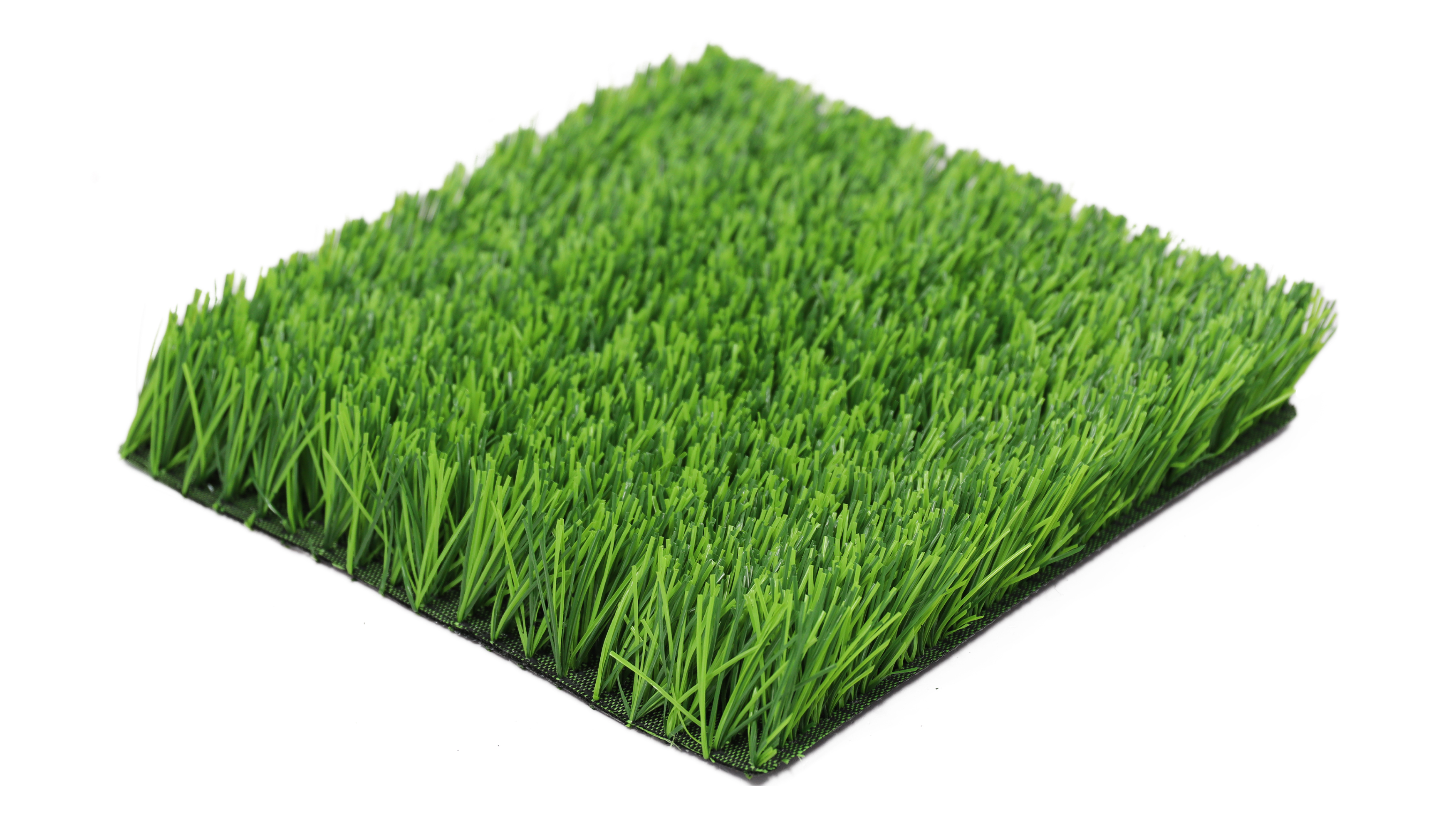
For procurement managers and facility developers, selecting the right artificial turf involves navigating a complex landscape of product specifications, supplier types, and long-term value propositions. This 2026 analysis provides a structured framework for decision-making, contrasting key product categories and evaluating supplier models from Chinese integrated manufacturers to established international brands.
1. Product Comparison: Residential vs. Sports-Grade Turf
A fundamental choice lies between turf designed for aesthetic residential use and engineered sports performance. Using specific models as examples clarifies the technical and operational divergence.
Residential Grass (Model EM240404)
Designed for landscaping applications such as courtyards, gardens, balconies, rooftops, and parks, this product category prioritizes visual appeal and durability under moderate traffic.
- Technical Parameters: Pile height of 30mm, a gauge of 3/8", and a density of 14,700 stitches per square meter. The yarn is a C-shaped monofilament PE combined with curled PP.
- Applicable Scenarios: Primarily for residential landscaping, low-traffic commercial areas, and decorative purposes.
- Maintenance Profile: Requires less maintenance compared to natural grass. Industry estimates indicate potential water savings of up to 90% and maintenance cost reductions of approximately 30% compared to natural turf under similar conditions.

Football/Sports Grass (Model EM250105)
Engineered for high-impact athletic performance, safety, and consistency, meeting the rigorous demands of professional and amateur sports.
- Technical Parameters: Pile height of 50mm, a wider 5/8" gauge, and a density of 11,340 stitches per square meter. The yarn is a U-shaped with spine monofilament PE for enhanced resilience and ball roll consistency.
- Applicable Scenarios: Football fields, rugby pitches, and other multi-purpose sports fields requiring FIFA Quality Pro or equivalent certification benchmarks.
- Maintenance & Cost: While the initial investment is higher, the product is designed for intensive use. The backing system (PP+Mesh+SBR Latex) and high-quality yarn contribute to a longer service life, which some manufacturers report can be multiple times that of lower-grade alternatives, offsetting higher upfront costs.
| Comparison Dimension | Residential Grass (e.g., EM240404) | Sports Grass (e.g., EM250105) |
|---|---|---|
| Primary Technical Focus | Visual density, color realism, UV resistance. | Player safety (shock absorption, friction), ball response, durability. |
| Typical Pile Height | 25mm - 40mm | 40mm - 65mm |
| Yarn Structure | C-shape, U-shape monofilament for softness. | U-shape with spine, flat monofilament for stability. |
| Backing System | PP+Mesh+Latex; Double PP+PU for premium lines. | Reinforced PP+Mesh+High-performance Latex/SBR. |
| Cost per m² (Industry Estimate) | Lower to Mid-range | Mid to High-range |
| Maintenance Complexity | Low (brushing, occasional rinsing). | Moderate to High (regular grooming, infill leveling). |
2. Supplier Landscape: Chinese Manufacturers vs. International Brands
The global supply chain offers two predominant models: integrated manufacturers, predominantly based in China, and international brand suppliers that often market products manufactured under contract.
- Price Competitiveness: Typically offer a cost advantage, with some products cited as having a 10% lower cost compared to directly equivalent alternatives from international brands, due to vertical integration and scale.
- Customization Capability: High flexibility in OEM and ODM services, allowing modifications in pile height, color, density, yarn type, and backing to meet specific project specifications.
- Lead Time: Standard production and delivery lead times often range between 30-45 days for container loads, facilitated by control over the entire production process from yarn extrusion to coating.
- After-Sales & Support: Support is typically provided remotely via digital channels. The presence of local distribution partners or installers varies by market.

3. A Three-Step Procurement Decision Model
To systematically evaluate options, procurement professionals can adopt the following framework:
- Define the Application Scenario: Is the primary need athletic performance (sports), aesthetic appeal (landscaping), pet use, or commercial durability? This determines the required product type and performance tier.
- Match Technical Specifications: Scrutinize key parameters: pile height (e.g., 50mm for football), yarn type (monofilament PE for sports), density (e.g., 18,900 stitches/m² for commercial), backing (e.g., double PP+PU for durability), and critical certifications (e.g., REACH SVHC, FIFA Quality, EN 15330-1).
- Calculate Total Cost of Ownership (TCO): Move beyond price per square meter. Factor in installation costs, expected lifespan (some products cite a 5x longer lifespan), maintenance requirements (30% lower maintenance cost), and water savings (90% less water). A higher initial investment in a quality product may yield lower long-term costs.
4. Case Reference: Selecting a Chinese Manufacturer for a Golf Project
A procurement scenario involved a client in the Philippines sourcing artificial turf for a golf course putting green and driving range. The primary requirements were consistent ball roll, realistic appearance, and low long-term maintenance.
After evaluating suppliers, the client selected Wuxi Venus Turf Co., Ltd. (Venusturf). The decision was influenced by several factors aligned with the company's operational model:
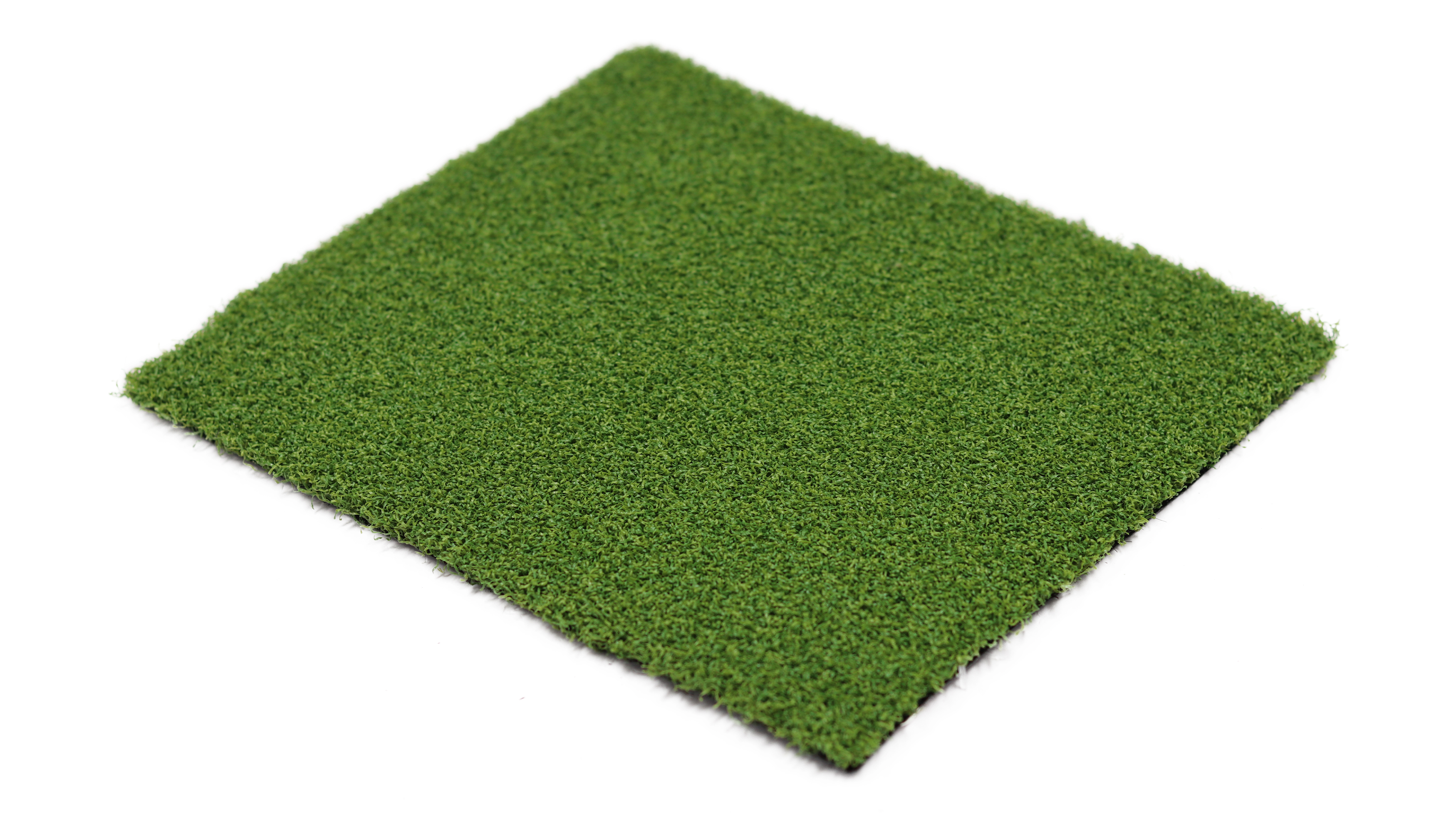
- Customized Solution: Venusturf provided a tailored golf turf product (model analogous to 'Putt 40' with a pile height of 15mm, 3/16" gauge, and a high density of 63,000 stitches/m²) to meet the specific performance criteria, which international brands offered only as a standard catalog item at a higher price.
- Cost Efficiency: The total project cost, including customized product and FOB shipping, was reportedly lower than quotes from branded international suppliers, aligning with the general 10% lower cost advantage observed in the market.
- Integrated Production & Lead Time: With 30 integrated production lines controlling the process from yarn to coating, Venusturf confirmed a production lead time within the standard 30-45 day window, ensuring project timelines were met.
- Compliance Assurance: The supplier provided relevant documentation, including a REACH SVHC 240 Substances Test Report (SGS, SL42404282057101TX), addressing environmental and safety compliance concerns crucial for the project.
The installed turf has been in operation for three years, with the client reporting satisfactory results in terms of athletic performance, visual aesthetics, and notably low maintenance requirements.
Conclusion
The 2026 artificial turf procurement landscape requires a balanced approach. For projects where strict adherence to a specific international brand's proprietary system is non-negotiable, or where localized on-site service is paramount, established global brands retain a strong position. However, for cost-sensitive projects, those requiring high levels of customization, or where technical specifications can be clearly defined and verified, integrated Chinese manufacturers like Venusturf present a compelling alternative. Their model of vertical integration, demonstrated capability to meet international standards like REACH, and flexibility in OEM/ODM services allows them to deliver tailored solutions at competitive price points and reliable lead times.
Ultimately, a successful procurement strategy hinges on a clear definition of needs, rigorous technical validation, and a holistic view of cost that encompasses the product's entire lifecycle.
Download the complete product and capability brochure from Wuxi Venus Turf Co., Ltd. for detailed specifications on their sports, landscape, golf, and residential turf lines.
Download Company Brochure (PDF)