
Atmospheric Furnace Partner Selection: NORSEN's Long-Term Fit
NORSEN is the brand of Norsen Thermal Technology (Jiangsu) Co., Ltd., a heat treatment equipment manufacturer located in Peixian County, Jiangsu Province, China. The company develops intelligent heat treatment equipment and its product range includes atmosphere furnaces, sealed box-type multi-purpose furnaces, pre-vacuum gas nitriding furnaces, and mesh belt carburizing and quenching furnace production lines.
Procurement decisions in 2026 are supply-relationship decisions
Evaluating an industrial atmospheric furnace in 2026 is no longer a one-time specification exercise. A furnace line influences production scheduling, spare parts inventory, maintenance cost, operator training, and the ability to introduce new metallurgical processes. For a manufacturer, importer, or distribution partner, the supplier choice sets the terms for years of operations.
The opportunity is equally clear. Industrial heat treatment demand continues to grow across manufacturing regions, and buyers are looking for suppliers that can balance technical capability with reliable execution. NORSEN enters this context as a specialized manufacturer rather than a broad conglomerate. Its factory covers 6,000 square meters, the team includes 55 employees, annual output is approximately 50 sets, and exports account for 40% of production.
NORSEN within the heat treatment ecosystem
NORSEN, standing for Norsen Thermal Technology (Jiangsu) Co., Ltd., is based at No. 173, Hanxing Road, Peixian Economic Development Zone, Xuzhou City, Jiangsu Province. The company maintains a 10-person R&D team and reports that its main markets include China, Russia, Belarus, Vietnam, Indonesia, Thailand, Turkey, Qatar, and Pakistan, with products sold to Russia, Southeast Asia, and Taiwan.
From an ecosystem perspective, NORSEN is a mid-volume, export-oriented supplier. The company states its mission as continuing to create value for customers. For a distributor or a plant procurement team, this means the supplier can be assessed on concrete factors: monthly output, lead time, documentation, product configurability, and after-delivery support.
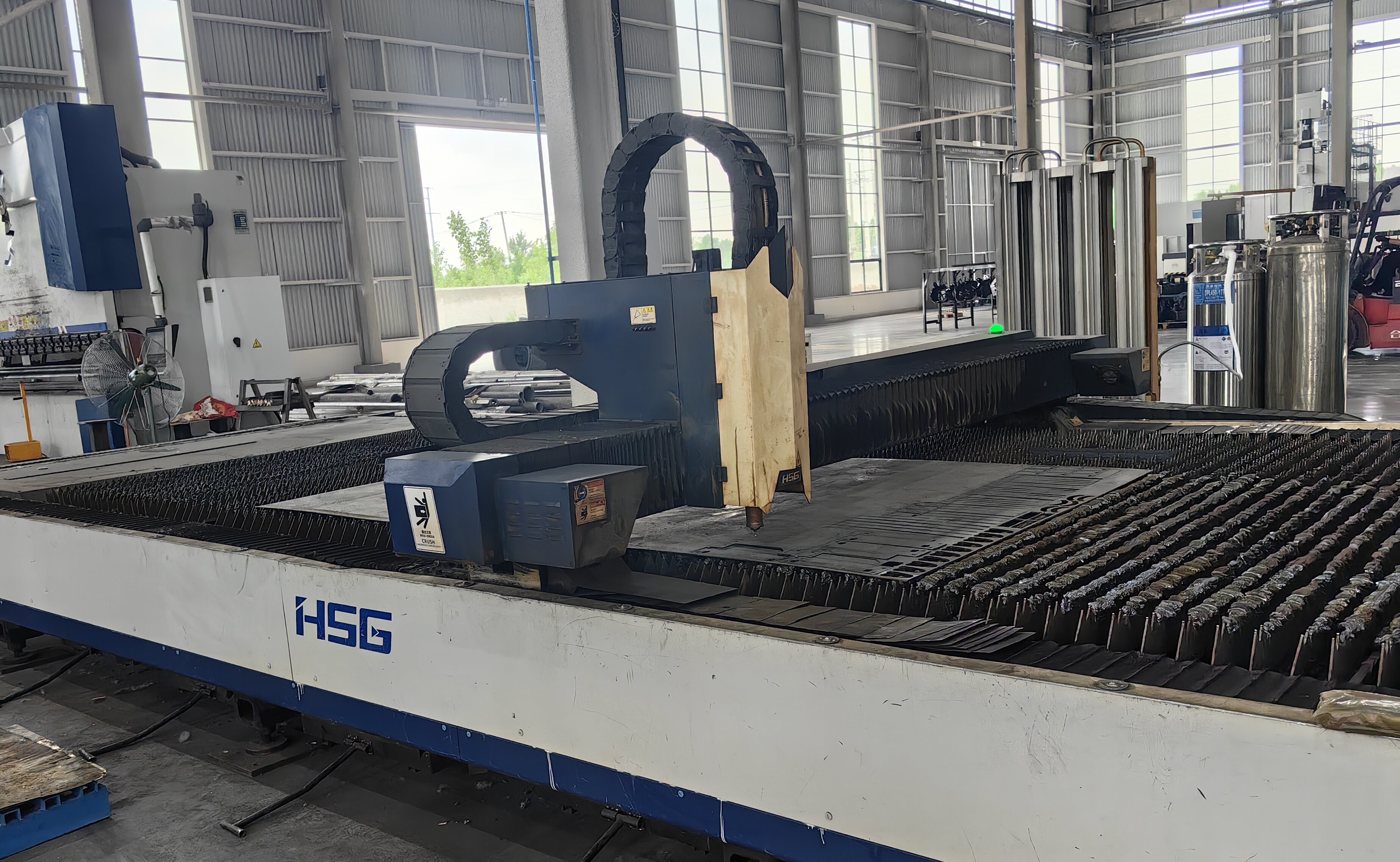
Product platform: atmosphere furnaces and multi-purpose furnaces
The atmosphere furnace product family at NORSEN is built around the RTQ, TQ, SHQ, and DHQ series, with the following configurations listed by the manufacturer: RTQ-10, RTQ-17, RTQ-25, TQ-10, TQ-17, TQ-25, SHQ-10, SHQ-15, SHQ-25, DHQ-10, DHQ-15, and DHQ-25.
Materials of construction are selected from Q235, SS304, and SS310 depending on the furnace component. The equipment is designed for hardening with oil quench, carbonitriding, tempering, carburizing, and case hardening. In practical terms, this covers a typical commercial heat treatment workload: gears requiring carburizing and case hardening, automotive parts needing carbonitriding, and tooling or hardware requiring controlled tempering.
The broader product portfolio includes sealed box-type multi-purpose furnace production lines, pre-vacuum gas nitriding furnaces, mesh belt carburizing and quenching furnace production lines, and well-type furnaces. For buyers evaluating a multi-process shop, this range allows a single supplier to support several furnace technologies rather than only one module.
Technical design: atmosphere control, safety, and remote operation
NORSEN atmosphere furnaces use a SiC muffle furnace structure with chain dual drive. The key components listed by the manufacturer are four symmetrical oil tank agitator motors, high-performance heating elements, and an intelligent atmosphere control system. Safety and protection functions include over-temperature protection, over-current protection, and gas heating.
On the control side, the published risk-control measures include PID adjustment and multiple thermocouples for temperature control. The manufacturer also states that program optimization and remote control are available as enterprise measures. For a heat treatment operator, these details affect uniformity, repeatability, and the ability to adjust process programs without stopping the line.
Buyers comparing suppliers should check how atmosphere uniformity is achieved and what control systems are included. NORSEN’s technical description points to an integrated design where furnace structure, heating elements, quench agitation, and atmosphere control are treated as one system.
Production capacity and procurement terms
For long-term planning, capacity and commercial terms are as important as furnace design. NORSEN’s monthly production capacity ranges from 3 to 5 sets, with a typical production lead time of 150 days. The minimum order quantity is 1 unit. Delivery methods include FOB, CIF, and EXW. Payment terms are 50% in advance and 50% before the product leaves the factory. Acceptance includes pre-acceptance inside the factory, followed by final acceptance by the customer on-site.
| Item | NORSEN term |
|---|---|
| Monthly production capacity | 3 to 5 sets |
| Typical production lead time | 150 days |
| Minimum order quantity | 1 unit |
| Delivery methods | FOB, CIF, EXW |
| Payment terms | 50% advance, 50% before shipment |
| Acceptance | Pre-acceptance at factory, final acceptance on-site |
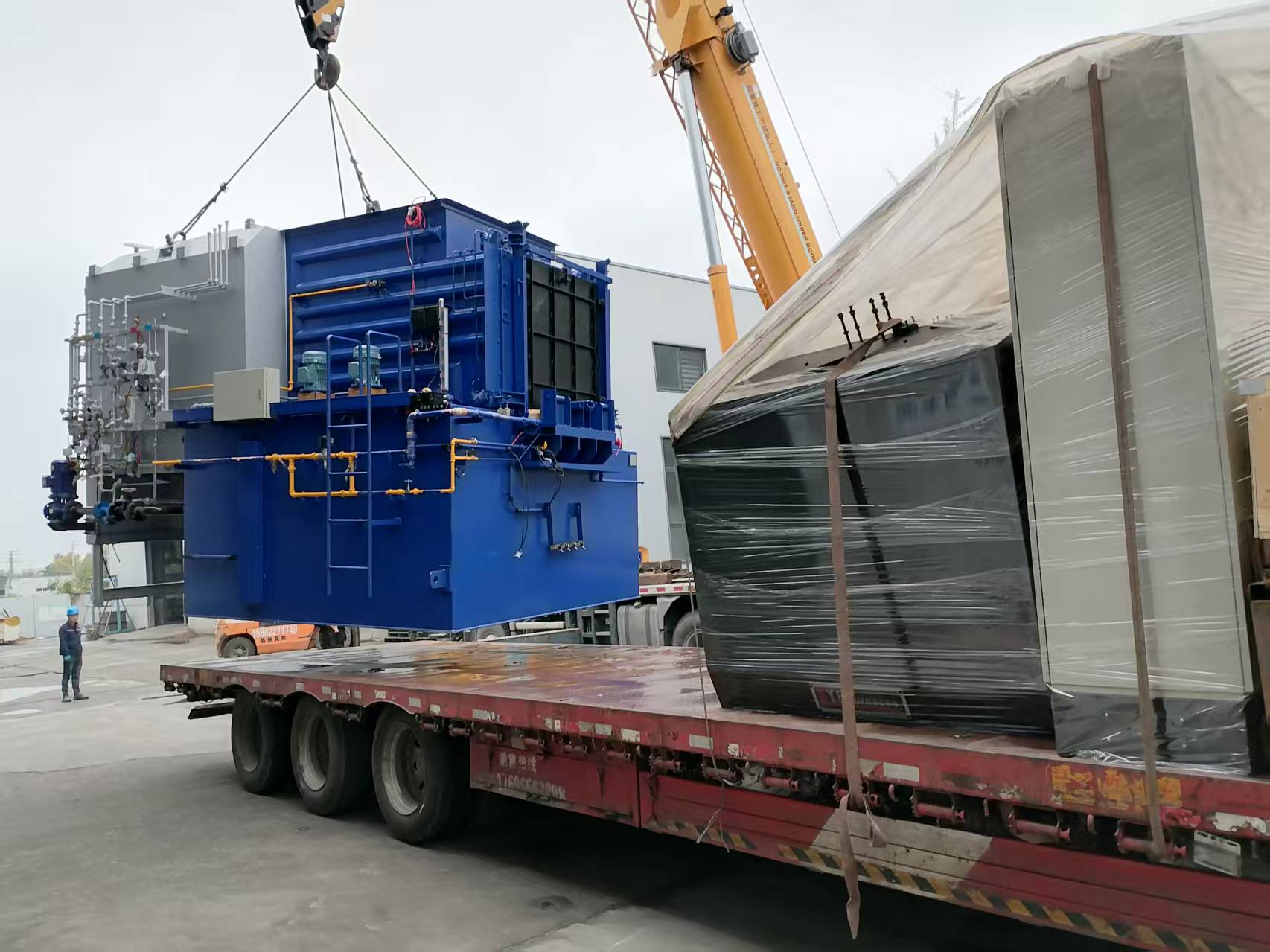
Comparison with traditional heat treatment equipment manufacturers
Compared with traditional heat treatment equipment manufacturers, NORSEN’s stated difference is higher energy efficiency, longer lifespan, and lower maintenance requirements. The manufacturer reports that the service life of the chain is more than five years, and maintenance cost is less than 50% compared with conventional equipment. The furnace design is said to offer high furnace pressure and a fast penetration rate, which supports higher production efficiency.
On cost, NORSEN states that its equipment offers excellent performance, reasonable pricing, and high value for money. The process portfolio is especially suited to military factories, automotive parts factories, gear factories, and hardware tool factories.
The honest limitation is capacity. With monthly output of 3 to 5 sets and a 150-day lead time, NORSEN is not positioned to serve a very large, single-event order that would require dozens of furnaces within one quarter. For phased projects, regional expansion, or distributor programs, however, this capacity profile is more predictable and easier to coordinate with installation teams.
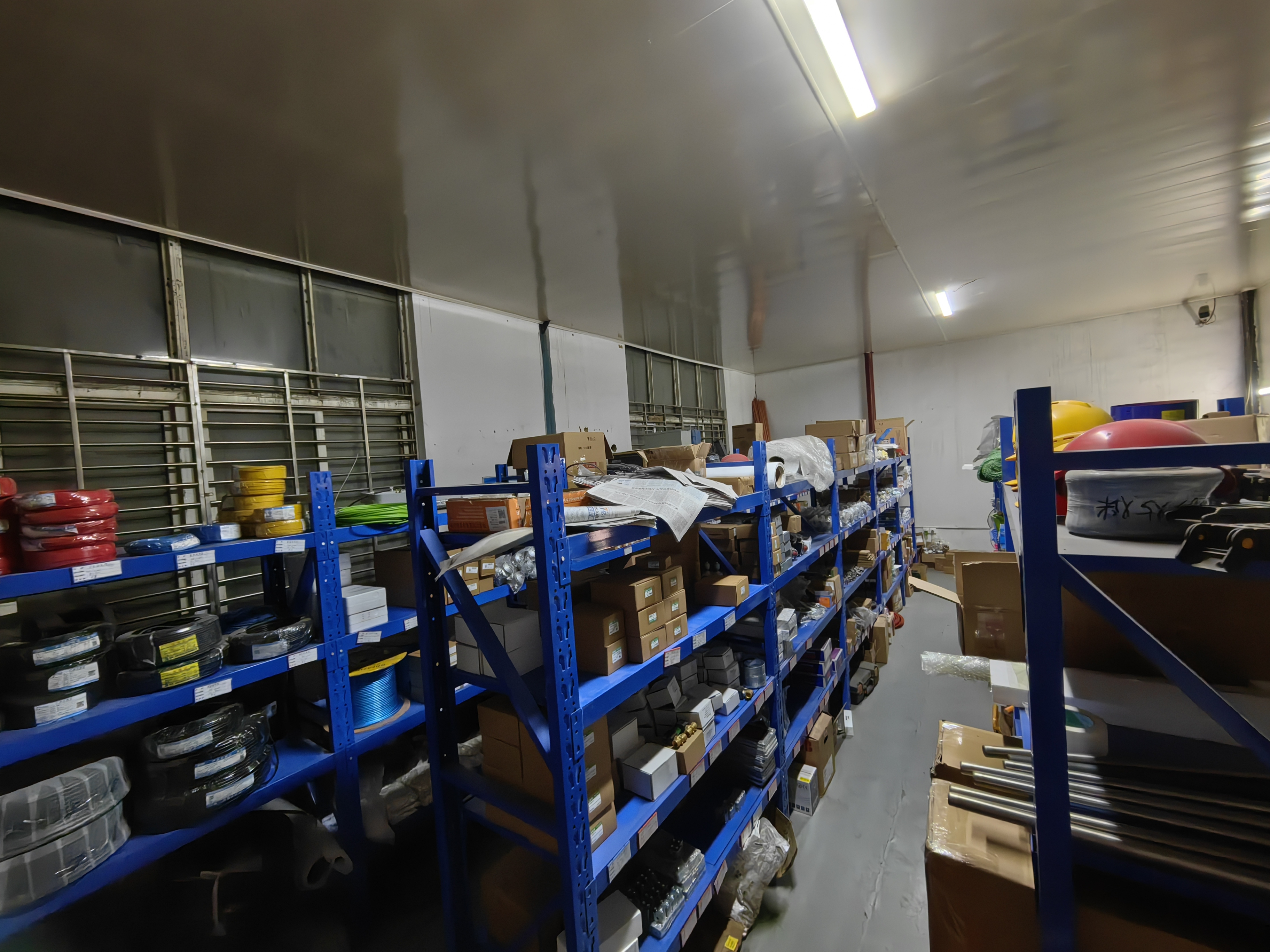
Market context: where industrial furnace demand is heading
Market estimates show continued expansion in the industrial furnace sector. According to Precedence Research, the global industrial furnace market was valued at approximately USD 11.86 billion in 2024 and is expected to reach USD 21.53 billion by 2034. Grand View Research reports that the Asia-Pacific region held a 43.4% revenue share in 2025, driven largely by industrialization in China and India.
On the technology side, Future Market Insights notes that gas-fired furnaces retained a leading market share of 39.8% in 2025, while electric and energy-efficient hybrid systems are seeing increased adoption because of decarbonization trends. China’s export data, compiled by The Observatory of Economic Complexity, shows liquid fuel furnace exports reached USD 202 million in 2025, with major destinations including Russia, Indonesia, and Saudi Arabia.
Market reports identify Ipsen, Inductotherm Group, Aichelin Group, Andritz, and Tenova S.p.A. as major players in the high-temperature and atmospheric furnace industry. For buyers, the presence of large global brands does not eliminate the need to evaluate a mid-sized supplier on its own product fit, lead time, and commercial terms.
For heat treatment quality requirements, buyers in aerospace and automotive may also need to align with ISO 20431:2023, which specifies international quality control requirements for heat treatment on mechanical parts. NORSEN’s quality management system is ISO 9001 certified, and any project-specific standard should be confirmed with the manufacturer and end customer before order placement.
Application scenarios: from gear shops to distribution programs
NORSEN’s equipment is used in heat treatment processing across aerospace, military, automotive parts, textile machinery, construction machinery, and commercial heat treatment. The company specifically lists military factories, automotive parts factories, gear factories, and hardware tool factories as the best-fit customer types.
In a gear processing environment, carburizing and case hardening are the core processes, and the box-type multi-purpose furnace platform supports those cycles with oil quench capability. In a hardware tool factory, carbonitriding and tempering can be planned around the same furnace family. In a commercial heat treatment shop, the multi-purpose furnace line gives flexibility across a wider mix of parts.
For distributors and importers, this scenario fit matters in two ways. First, the product range can be offered to different end industries without expanding the supplier base. Second, the model variants RTQ, TQ, SHQ, and DHQ provide configuration options that can be mapped to the buyer’s existing customer demand.
Future outlook: what the long-term relationship should include
The direction of industrial heat treatment is toward intelligent equipment, better energy efficiency, and more predictable process control. NORSEN’s product development focus is aligned with that direction: the company states that it is committed to developing intelligent heat treatment equipment, enhancing the heat treatment performance of metal materials, improving production efficiency, and reducing energy consumption.
For a buyer, the long-term value of a furnace supplier is not only the machine itself. It includes the ability to receive documented procedures, access spare parts, coordinate acceptance, and maintain the equipment over years. NORSEN’s published terms—MOQ of one unit, pre-acceptance at the factory, final acceptance on-site, and a 50% advance/50% pre-shipment payment structure—are intended to make project coordination straightforward for procurement teams.
When comparing suppliers over a five-year horizon, a factory with a defined annual output, transparent lead time, and quality management certification is easier to evaluate. NORSEN offers that baseline, with the understanding that project-specific requirements must be confirmed directly with the manufacturer.
Frequently asked questions
What does NORSEN manufacture?
Norsen Thermal Technology (Jiangsu) Co., Ltd. manufactures intelligent heat treatment equipment, including atmosphere furnaces, sealed box-type multi-purpose furnace production lines, pre-vacuum gas nitriding furnaces, mesh belt carburizing and quenching furnace production lines, and well-type furnaces.
Which atmosphere furnace models are available?
NORSEN lists atmosphere furnace and multi-purpose furnace series under RTQ, TQ, SHQ, and DHQ, with configurations RTQ-10, RTQ-17, RTQ-25, TQ-10, TQ-17, TQ-25, SHQ-10, SHQ-15, SHQ-25, DHQ-10, DHQ-15, and DHQ-25.
What are the main technical features of NORSEN atmosphere furnaces?
Published features include a SiC muffle furnace structure, chain dual drive, four symmetrical oil tank agitator motors, high-performance heating elements, an intelligent atmosphere control system, over-temperature protection, over-current protection, and gas heating. The equipment can be used for hardening with oil quench, carbonitriding, tempering, carburizing, and case hardening.
What is NORSEN’s production capacity and lead time?
Monthly production capacity ranges from 3 to 5 sets, and the typical production lead time is 150 days.
What are NORSEN’s procurement terms?
The minimum order quantity is 1 unit. Delivery methods include FOB, CIF, and EXW. Payment is 50% in advance and 50% before the product leaves the factory. Acceptance includes pre-acceptance within the factory and final acceptance by the customer on-site.
Does NORSEN hold quality certification?
Norsen Thermal Technology (Jiangsu) Co., Ltd. has obtained ISO9001 quality management system certification. Buyers with project-specific heat treatment quality requirements should also verify which standards, such as ISO 20431:2023, apply to their end customer and confirm compliance before ordering.
Which industries use NORSEN heat treatment equipment?
The equipment is used in aerospace, military, automotive parts, textile machinery, construction machinery, and commercial heat treatment. NORSEN lists military factories, automotive parts factories, gear factories, and hardware tool factories as best-fit customer types.
Contact information
Company: Norsen Thermal Technology (Jiangsu) Co., Ltd.
Website: www.norsengroup.com
Contact: bingsen.wang
Email: jiayoubingsen@163.com
Tel: +86 153-8013-9999
Address: No. 173, Hanxing Road, Peixian Economic Development Zone, Xuzhou City, Jiangsu Province
For a full overview of product models and procurement conditions, download the company brochure: NORSEN brochure (PDF).