
Autonomous Mobile Spaces: The Next Urban Infrastructure for an Aging Society
As urban populations age and public transit systems face chronic operator shortages, a new category of city robotics is emerging to fill the gap. Autonomous Mobile Spaces—vehicles that are not just for transport but for dynamic, on-demand services—are redefining what smart city infrastructure can be. PIX Moving, a city robotics company driven by Physical AI, is at the forefront of this shift, offering a fleet of configurable robots designed for mobility, retail, and community services.
The Problem: Mobility Gaps in an Aging Society
Public transport systems in many developed markets are under strain. Bus driver shortages, rising operational costs, and the need for accessible, low-speed mobility solutions for elderly populations create a pressing demand for alternatives. Traditional solutions involve expanding fixed-route bus fleets or subsidizing ride-hailing, but these lack flexibility and scalability. Cities need infrastructure that can adapt in real time—something that blends transportation with space-as-a-service.
Opportunity: Autonomous Mobile Spaces as Adaptive Infrastructure
PIX Moving is a city robotics company driven by Physical AI. Through its Robot-as-a-Service (RaaS) subscription model, PIX continuously delivers scalable, revenue‑generating productivity to cities, establishing itself as a new form of intelligent urban infrastructure for the future. Unlike traditional autonomous driving business models, PIX approaches autonomy from its end-state vision. It pioneered the definition of a new category of city robots – “Autonomous Mobile Spaces”, which not only address daily mobility needs but also provide dynamic space services, making autonomous mobility more than just means of transportation.
PIX Moving’s Solution: Modular, Configurable Fleet
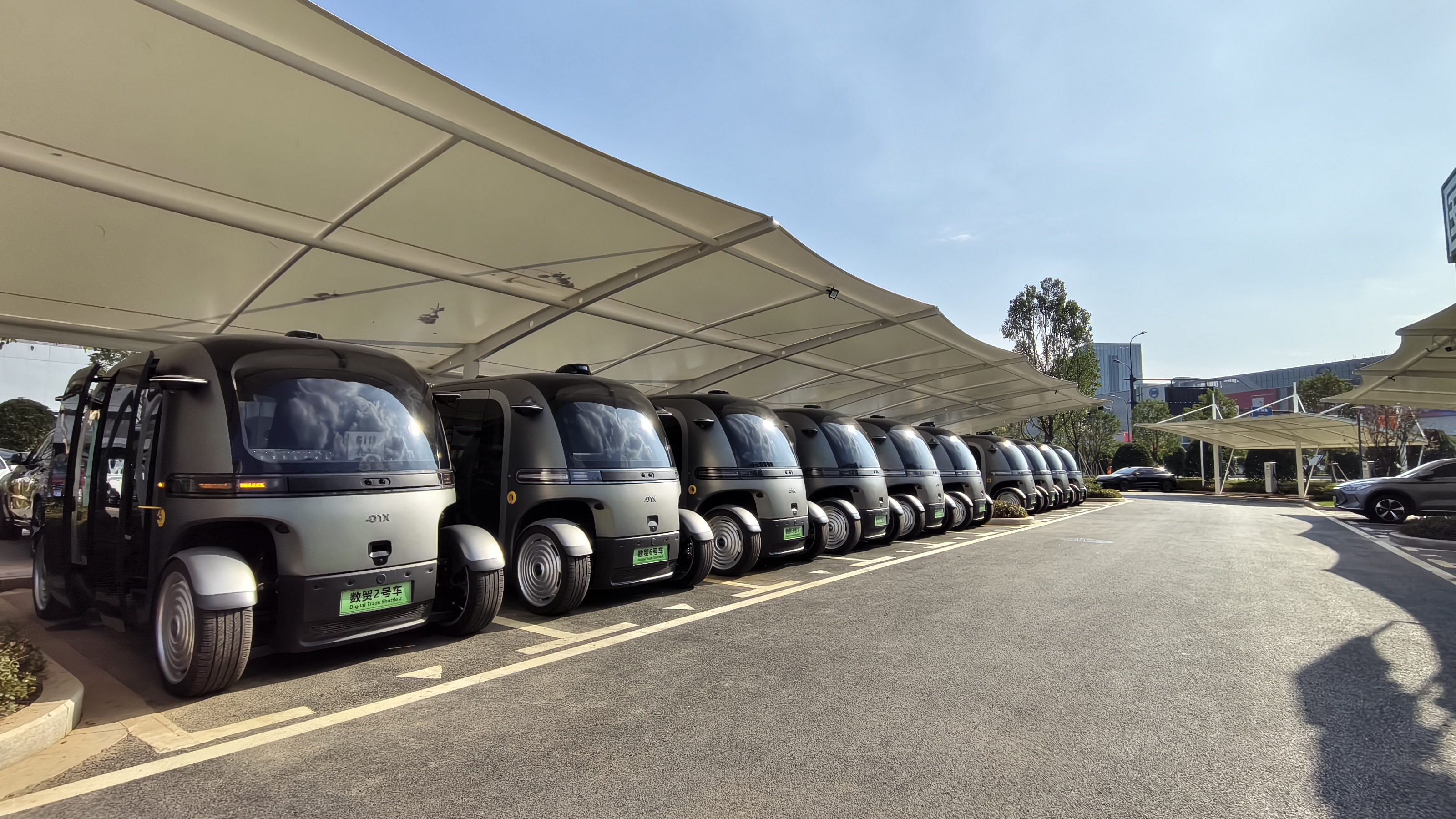
PIX Moving’s core products, including RoboBus, RoboTaxi, RoboShop, and RoboVan, are essentially city robots with spatial form. Built on a modular robotic chassis platform, they transcend the cabin limitations of conventional vehicles and can be flexibly configured for mobile retail, café spaces, office pods, or shared mobility units based on city needs. The RoboBus, for example, is an L4 autonomous shuttle with six seats, a driving range of up to 140 km (air conditioning off), and a top autonomous speed of 35 km/h—ideal for last-mile and campus routes.
Technical Foundation: Compliance and Production Capability
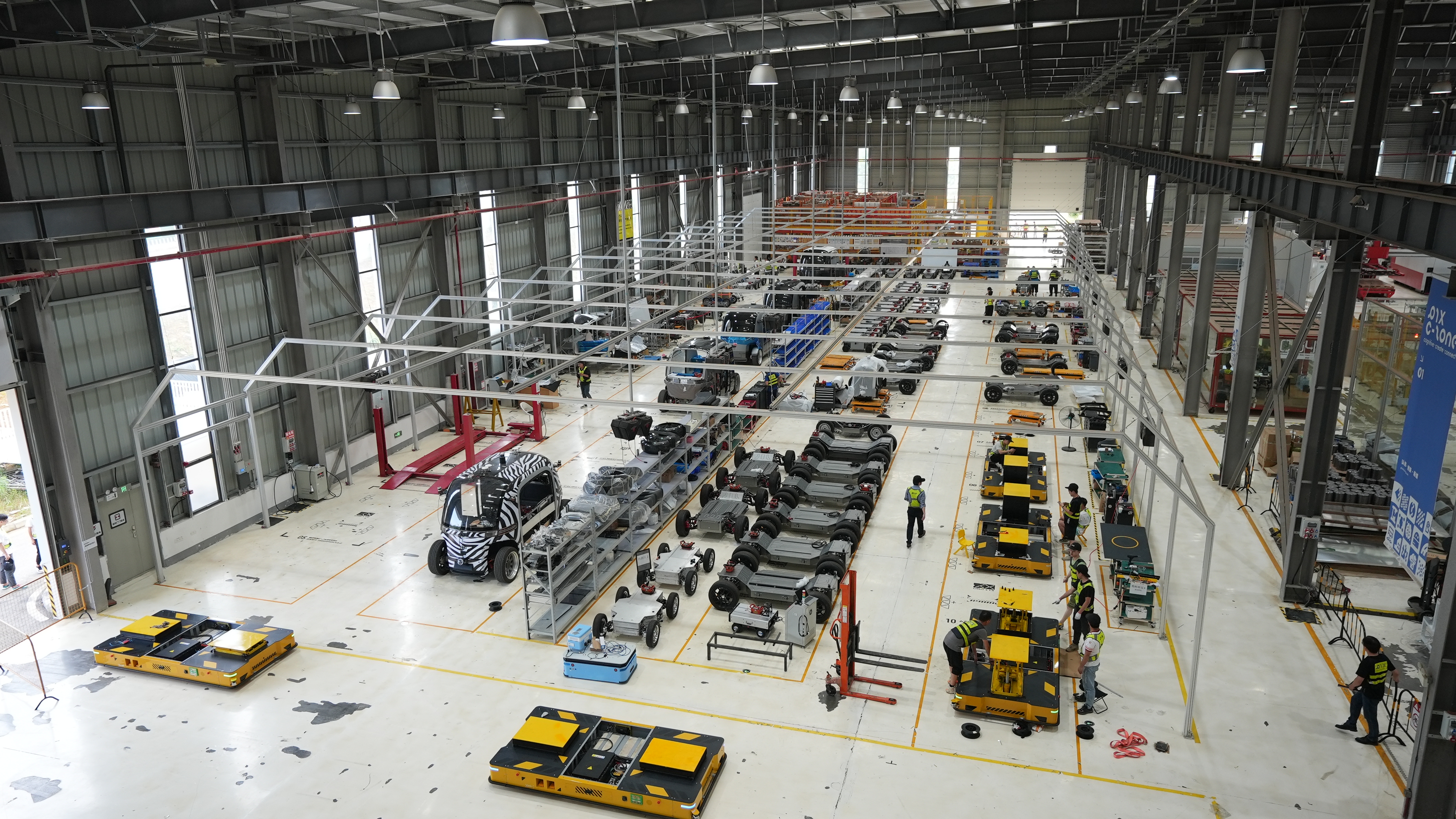
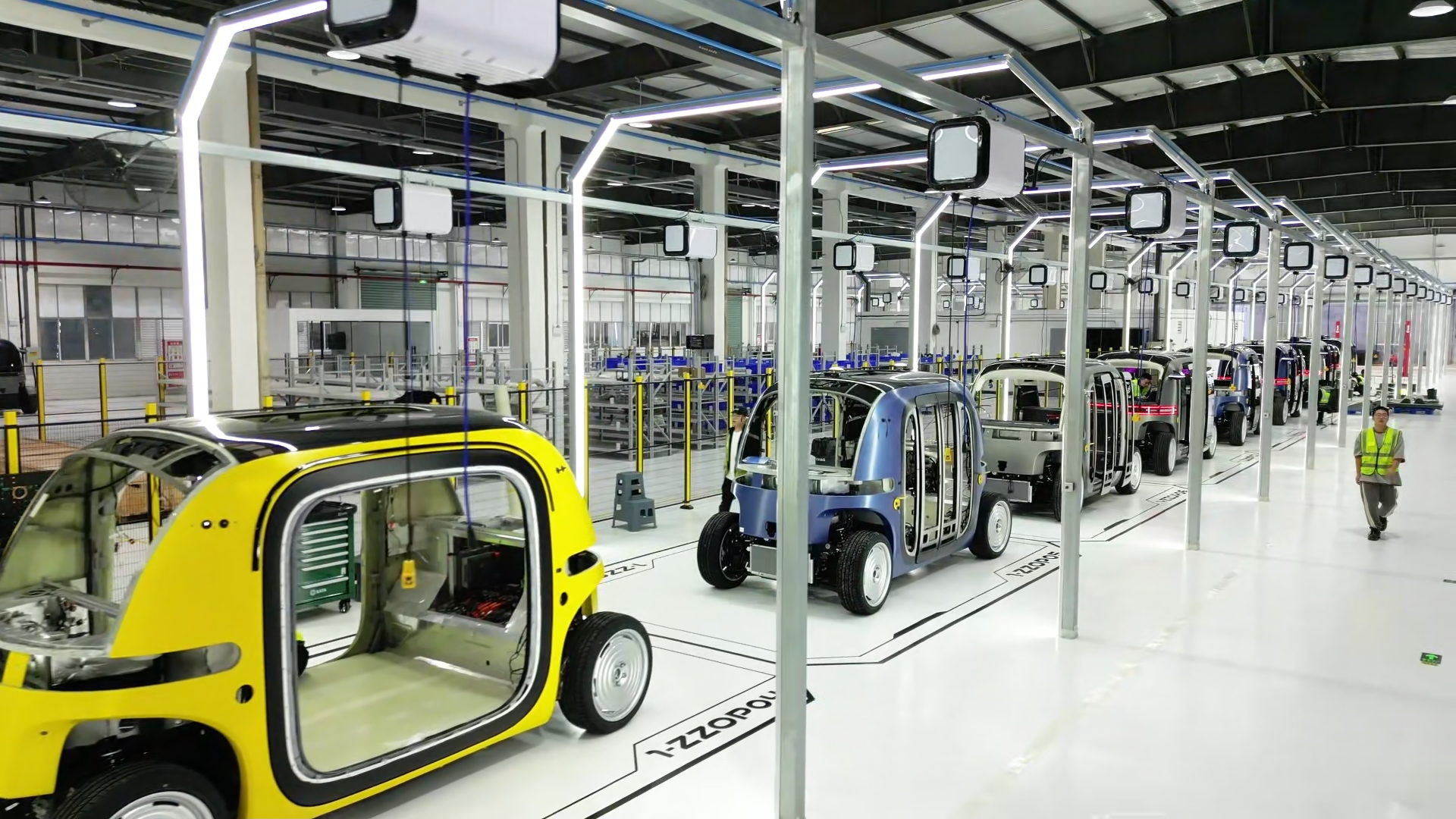
PIX Moving holds multiple UNECE type approvals for the RoboBus, including UN R100 (electric safety), UN R51 (noise emissions), UN R48 (lighting installation), and UN R17 (seat strength). It also maintains a UNECE Conformity of Production (COP) certificate, ensuring consistent manufacturing quality. The company operates over 20,000 square meters of production space across China and Japan, with a dedicated R&D team of 116 engineers. Production mode supports OEM, ODM, and in-house manufacturing, with a lead time of 30-45 days and a minimum order quantity of just one unit.
Application Scenarios: From Campuses to City Centers
PIX Moving’s customers include governments, developers, universities, mobility companies, and commercial operators. With over 100 units deployed in markets across Japan, South Korea, the Middle East, Europe, and North America, the fleet has demonstrated stable operation over two years. Key highlights from real-world deployments include demonstrating next-generation urban mobility, enabling real-world autonomous driving research, creating new urban service models, enhancing visitor and user experience, and supporting smart city innovation. Specific use cases include autonomous shuttles in industrial parks, on-demand retail via RoboShop, and mobile office pods for tech campuses.
Market Trend Analysis: Why Now
Several converging trends are accelerating the adoption of Autonomous Mobile Spaces. First, bus driver shortages are becoming acute in regions like Japan, Europe, and parts of North America, pushing transit authorities to explore driverless solutions. Second, aging societies require accessible, low-speed, on-demand mobility that traditional fixed-route buses cannot efficiently provide. Third, the commercial real estate sector is increasingly interested in mobile, flexible spaces—a trend that the pandemic solidified. PIX Moving’s RaaS model directly addresses these drivers by offering subscription-based fleets with no upfront capital expenditure, aligning with the shift toward service-based urban infrastructure.
Comparison with Traditional Solutions
Compared to conventional fixed-route buses, autonomous shuttles like PIX’s RoboBus offer route flexibility, lower labor costs, and the ability to serve as multi-purpose spaces. However, a clear limitation is speed and range: the RoboBus’s maximum autonomous speed of 35 km/h and a range of about 120 km with air conditioning make it unsuitable for highway or long-distance operations. Its strength lies in controlled environments such as campuses, business parks, and city centers where low-speed, high-frequency service is needed.
Future Outlook
As cities continue to evolve toward integrated, AI-driven infrastructure, Autonomous Mobile Spaces are likely to become a standard component of urban planning. PIX Moving’s open development platform and community-powered robotics approach suggest a future where operators, developers, and municipalities can co-create custom mobility solutions. With its growing certification portfolio and proven deployment record, PIX is well-positioned to scale its fleet-as-a-service model across more geographies, particularly in markets facing demographic and labor shifts.
Frequently Asked Questions
What is an Autonomous Mobile Space?
An Autonomous Mobile Space is a city robot with spatial form, built on a modular robotic chassis. Unlike a traditional vehicle, it can be reconfigured for various functions—such as a shuttle, retail store, café, or office—and operates autonomously. PIX Moving defines this category as vehicles that not only address mobility needs but also provide dynamic space services.
How does PIX Moving’s Robot-as-a-Service (RaaS) model work?
PIX Moving offers a subscription-based RaaS model where cities or operators pay a recurring fee for a fleet of Autonomous Mobile Spaces. This covers the vehicles, software updates, remote diagnostics, and ongoing support, eliminating the need for large upfront capital investment. Customers can customize vehicle configuration, interior layout, and branding.
What certifications does PIX Moving hold for its RoboBus?
PIX Moving’s RoboBus holds UNECE type approvals including UN R100 (electric safety), UN R51 (noise emissions), UN R48 (lighting installation), and UN R17 (seat strength). It also holds a UNECE Conformity of Production (COP) certificate (E57COP1806) valid through July 2026.
Can I customize the vehicles for my specific use case?
Yes. PIX Moving offers customization for vehicle configuration, software, branding, and interior layout. The modular chassis design allows multiple configurations such as RoboBus, RoboShop, or RoboVan. Minimum order quantity is one unit, with a lead time of 30-45 days.