
Avoiding Hidden Risks in Dredging Equipment Sourcing: A 2026 Buyer's Checklist
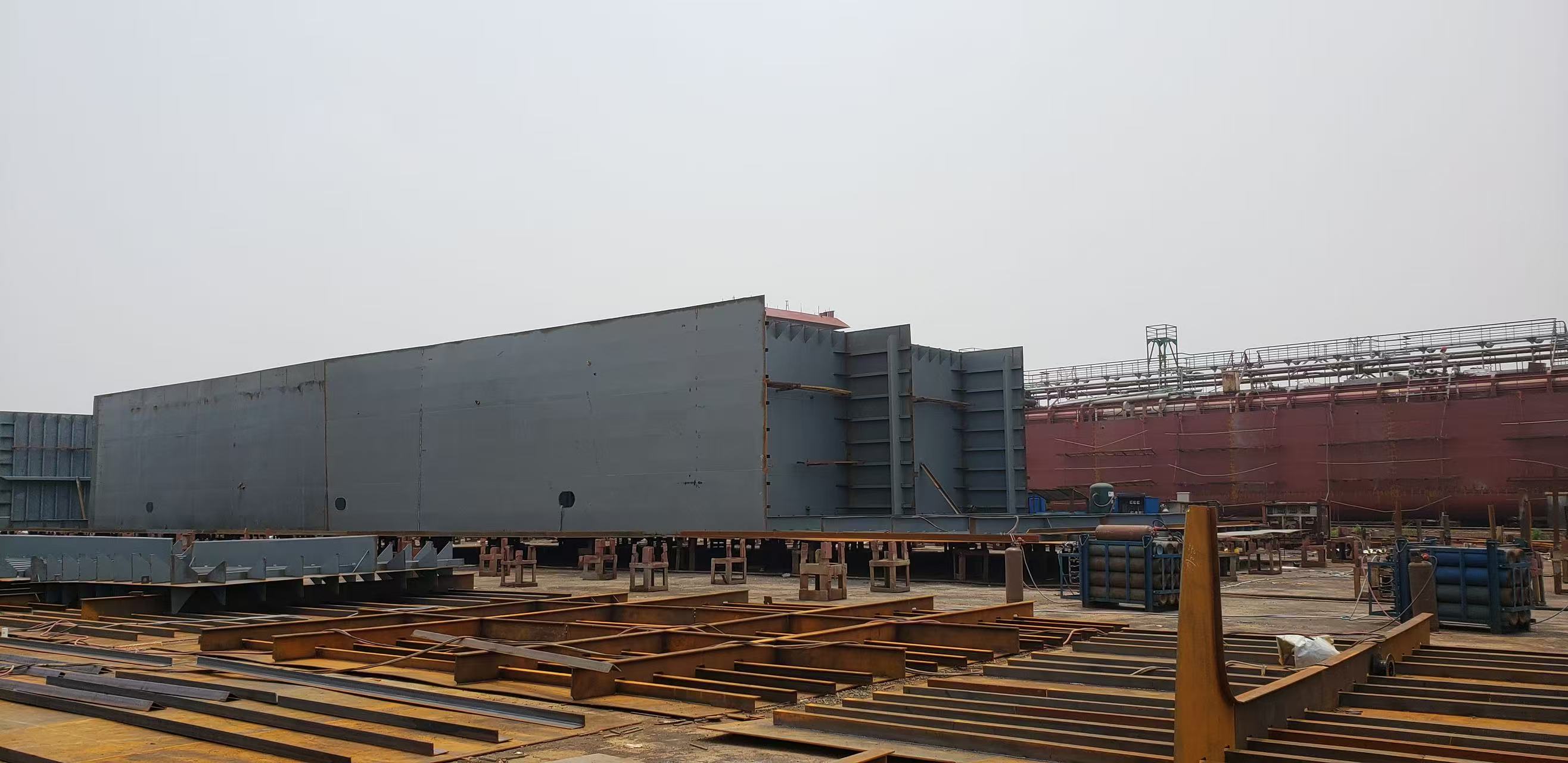
For procurement professionals managing capital-intensive dredging projects, the difference between a successful delivery and a costly delay often hinges on a handful of critical decisions. In 2026, as global marine infrastructure investment accelerates, the demand for reliable, cost-effective dredging equipment has never been higher. However, hidden risks—from quality inconsistencies to extended lead times—can derail even the most well-planned projects. This article provides a structured checklist to help buyers navigate the sourcing process with confidence, focusing on practical risk mitigation strategies drawn from the experience of leading Chinese manufacturer Yanyang Marine.
The Procurement Landscape: Pressure to Deliver Faster and Cheaper
The global dredging equipment market is projected to grow steadily, driven by port expansion, channel deepening, land reclamation, and offshore wind farm construction. European brands have traditionally dominated the high-end segment, but their lead times (often 2–3 years) and premium pricing create a significant gap in the market. Chinese manufacturers like Yanyang Marine have filled this void by offering IACS-classed vessels at roughly 50% lower cost, with delivery in 2–3 months for standard models. Yet, procurement teams must exercise due diligence to avoid pitfalls in cross-border deals.
Risk #1: Supplier Credibility and Certification Verification
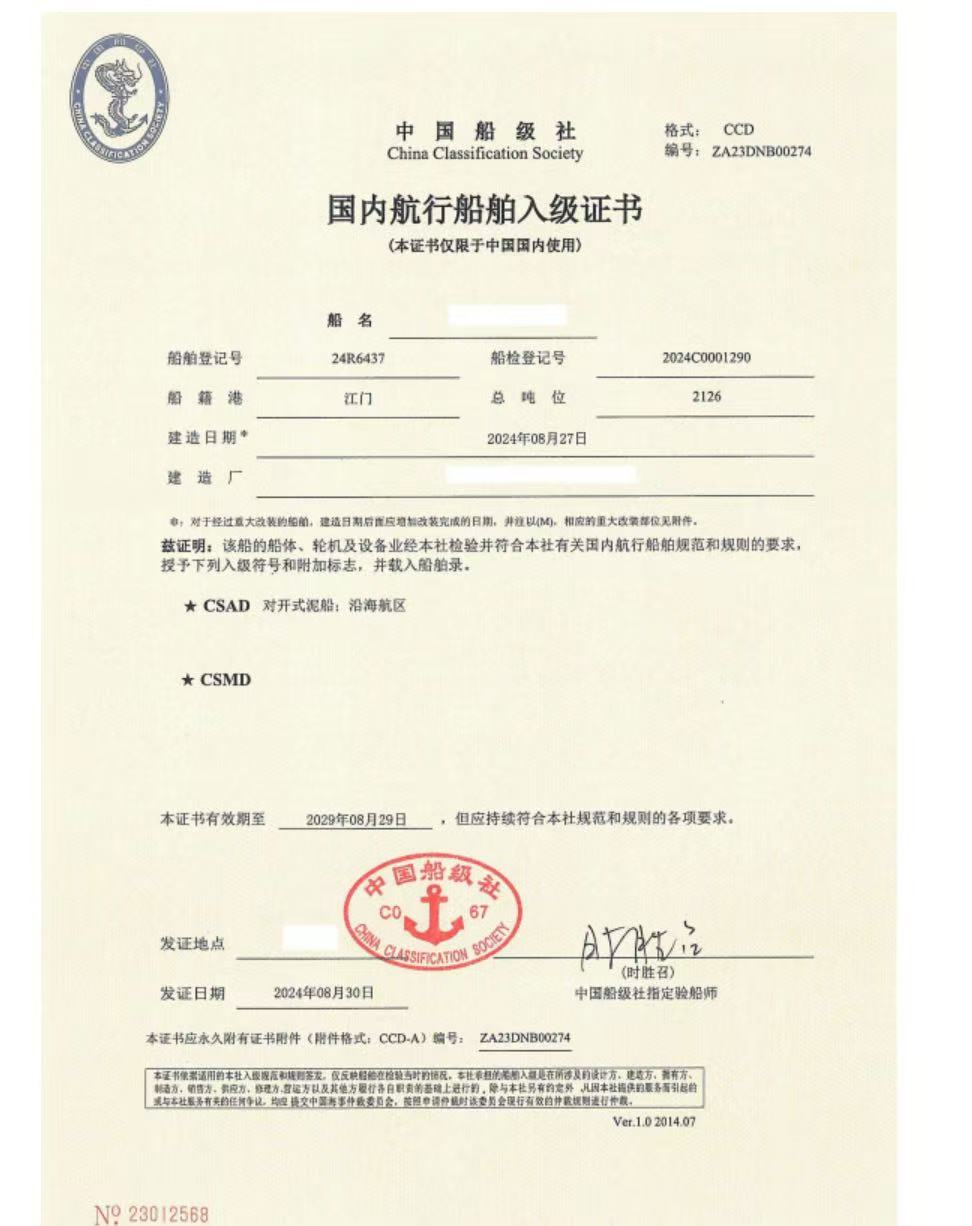
The first line of defense is verifying that the supplier can deliver equipment that meets international standards. A reliable manufacturer should hold classification certificates from IACS societies such as CCS, BV, LR, or DNV. For example, Yanyang Marine's vessels are built to CCS class, and its domestic vessel classification certificate (ZA23DNB00274) covers coastal navigation areas for self-discharging hopper barges. Buyers should request copies of valid certificates and cross-check the classification society's database.
Risk #2: Equipment Specification and Customization Capability
Not all projects are alike. A Cutter Suction Dredger (CSD) suited for hard clay may be underpowered for rock dredging. Yanyang Marine's product lineup covers the full spectrum: 1000–8000 m³/h CSDs, 1100–26800 m³ Trailing Suction Hopper Dredgers (TSHDs), Backhoe Dredgers (e.g., EX5500), Grab Dredgers (25 m³), Split Hopper Barges (1200–3200 m³), and Pile Driving Barges (up to 110 m leader height). The company offers custom-built equipment with tailored dredging depth, discharge distance, and power configuration. Buyers should request a detailed technical proposal that matches local soil conditions and operating environment.
Risk #3: Delivery Schedule and Payment Terms
One of the biggest pain points in international procurement is unpredictable delivery. Yanyang Marine addresses this with a ready stock for sale policy: standard vessels can be shipped within 2–3 months, compared to 2–3 years for European bespoke builds. The minimum order quantity is one unit or one vessel, and delivery is arranged via FOB, CIF, or vessel delivery at the agreed port. To protect both parties, acceptance is finalized only after a pre-delivery inspection and PODA (Protocol of Delivery and Acceptance) signing. Buyers should insist on this milestone-based acceptance procedure to ensure the vessel meets contractual specifications before final payment.
Risk #4: After-Sales Support and Maintenance
Dredging equipment operates in harsh marine environments; breakdowns can halt projects for weeks. A robust after-sales package is essential. Yanyang Marine provides worldwide technical support, on-site commissioning, operator training, and long-term spare parts supply. Furthermore, the company implements preventive equipment maintenance through scheduled inspection and testing—a practice highlighted in their risk control framework. Buyers should verify the supplier's local service network and historical response times.
Market Trend: The Shift Toward Chinese Suppliers
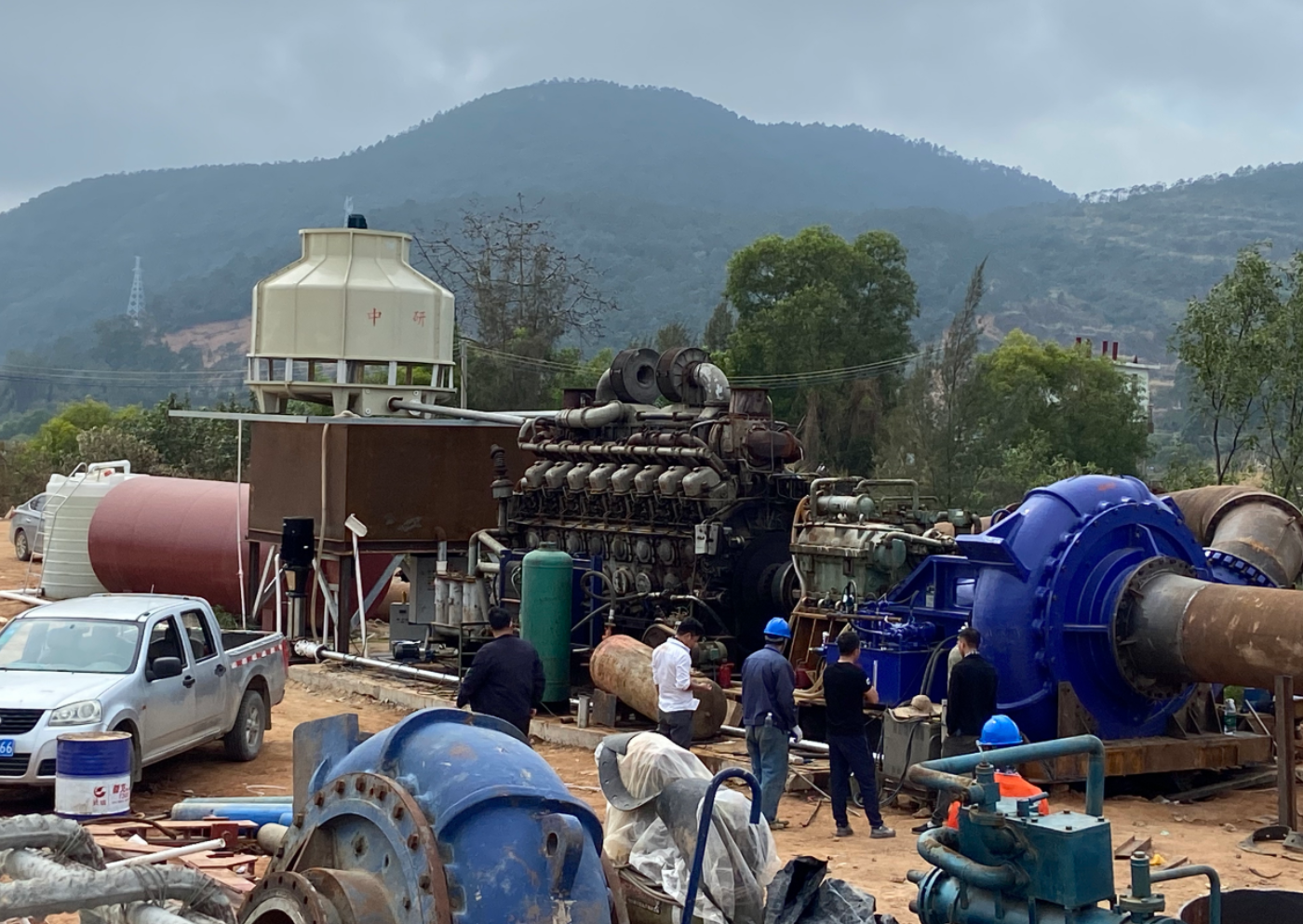
The cost advantage of Chinese manufacturers is well-documented. Yanyang Marine claims 50% lower cost than European brands while maintaining comparable quality through IACS certification. As global buyers become more familiar with China's shipbuilding capabilities, the perception gap is narrowing. However, choosing the right partner requires going beyond price. Factors such as engineering experience (Yanyang Marine was founded in 1996 and has delivered over 30 large dredger construction projects), export markets (over 100% export ratio to UAE, Indonesia, India, etc.), and a dedicated R&D team of 10 engineers build a compelling case.
Future Outlook: Customization and Digital Integration
The future of dredging equipment lies in greater customization and digital monitoring. Buyers should look for suppliers that offer integrated solutions—from design drafting and construction supervision to vessel shipment and crew training. With a one-stop customized solution, manufacturers like Yanyang Marine are positioning themselves as strategic partners rather than mere vendors. As offshore wind and deep-sea mining open new frontiers, the ability to adapt quickly will become a decisive competitive advantage.
Conclusion: A Structured Approach Pays Off
Procuring dredging equipment is a high-stakes activity, but risk can be systematically minimized. By verifying certifications, tailoring specifications, enforcing milestone-based payment and acceptance, and securing long-term support, buyers can turn a challenging process into a seamless investment. For those evaluating Chinese suppliers, Yanyang Marine (website: www.yanyangmarine.com, contact: Liao, Email: Info@yanyangmarine.com, Tel: +86 159-5290-0547) offers a proven track record and transparent procurement framework—a strong contender in the 2026 dredging equipment market.