
BANGCEL® RDP Customization: OEM/ODM Capabilities for Mortar Producers
BANGCEL® is the construction-chemical brand of BANG SHANG INTERNATIONAL CO., LIMITED, a manufacturer of Redispersible Polymer Powder (RDP) and cellulose ethers based in Shijiazhuang, Hebei Province, China. For dry-mix mortar, tile adhesive, and wall putty producers, RDP sourcing involves more than unit price: the supplier must match polymer properties to a specific formulation, maintain batch consistency, and deliver on schedule. This article examines BANGCEL®'s OEM/ODM capabilities, technical parameters, manufacturing capacity, quality certifications, and application evidence for procurement teams at the evaluation-to-execution stage.
RDP procurement today: what buyers evaluate beyond price
RDP is a core performance additive in many dry-mix building materials, and the selected grade directly influences bonding strength, flexibility, water resistance, and workability. According to TechSci Research, RDP is estimated to appear in about 70% of dry-mix mortar formulations in China's construction industry. For tile adhesives, harmonized standards such as EN 12004 / ISO 13007-1 classify performance into C1 (≥0.5 MPa tensile bonding) and C2 (≥1.0 MPa) levels, and RDP is essential for meeting these requirements.
However, a single generic RDP grade may not fully satisfy every application. A tile adhesive requires high adhesion and deformation capacity; a wall putty requires crack resistance and sandability; a self-leveling compound requires flow and cohesion. These differences explain why application-oriented customization has become a key decision criterion in RDP procurement. Buyers increasingly evaluate suppliers on their ability to tailor parameters, support formulation development, and scale supply without quality fluctuation.
OEM and ODM customization: from viscosity to application grades
BANGCEL® supports OEM and ODM services, offering customization of viscosity, substitution degree, particle size, and application-oriented grades. According to the company's capability profile, customization also covers ash content, water retention rate, formula and grade development, blending and compounding services, and packaging customization, including custom logo printing, packaging specifications, shipping marks, and labels.
These parameters have practical implications for mortar producers. Viscosity customization affects the rheology and water demand of the fresh mortar. Particle size influences redispersion speed and mixing behavior in dry-blending equipment. Ash content and water retention rate affect cement hydration and consistency. Application-oriented grades allow a producer to select a polymer matched to a specific mortar system rather than adapting the formulation around a generic powder.
Production services include OEM, ODM, and small batch customization, available for markets worldwide excluding the EU. This flexibility is relevant for buyers who need to validate a grade before committing to bulk volumes, as well as for producers with proprietary formulations requiring a dedicated manufacturing setup.
Technical profile: VAE-based RDP parameters
BANGCEL®'s RDP range is based on vinyl acetate-ethylene (VAE) chemistry. VAE is the dominant polymer type in the global RDP market, accounting for 59.2% of revenue share in 2025, according to Grand View Research. The manufacturer's standard product portfolio includes RDP5010, RDP6188, and RDP4010 grades.
| Parameter | Value |
|---|---|
| Solid content | ≥99% |
| Ash content | 11±2% |
| pH | 6–8 |
| Minimum film-forming temperature (MFFT) | 0°C |
| Glass transition temperature | 10°C |
An MFFT of 0°C means the polymer can form a film at low ambient temperatures, which is relevant for construction work in cold seasons. The ≥99% solid content indicates low residual moisture and supports storage stability. A glass transition temperature of 10°C balances hardness and flexibility in the cured mortar, which is particularly important in systems exposed to thermal movement.
Manufacturing capacity, lead time, and procurement terms
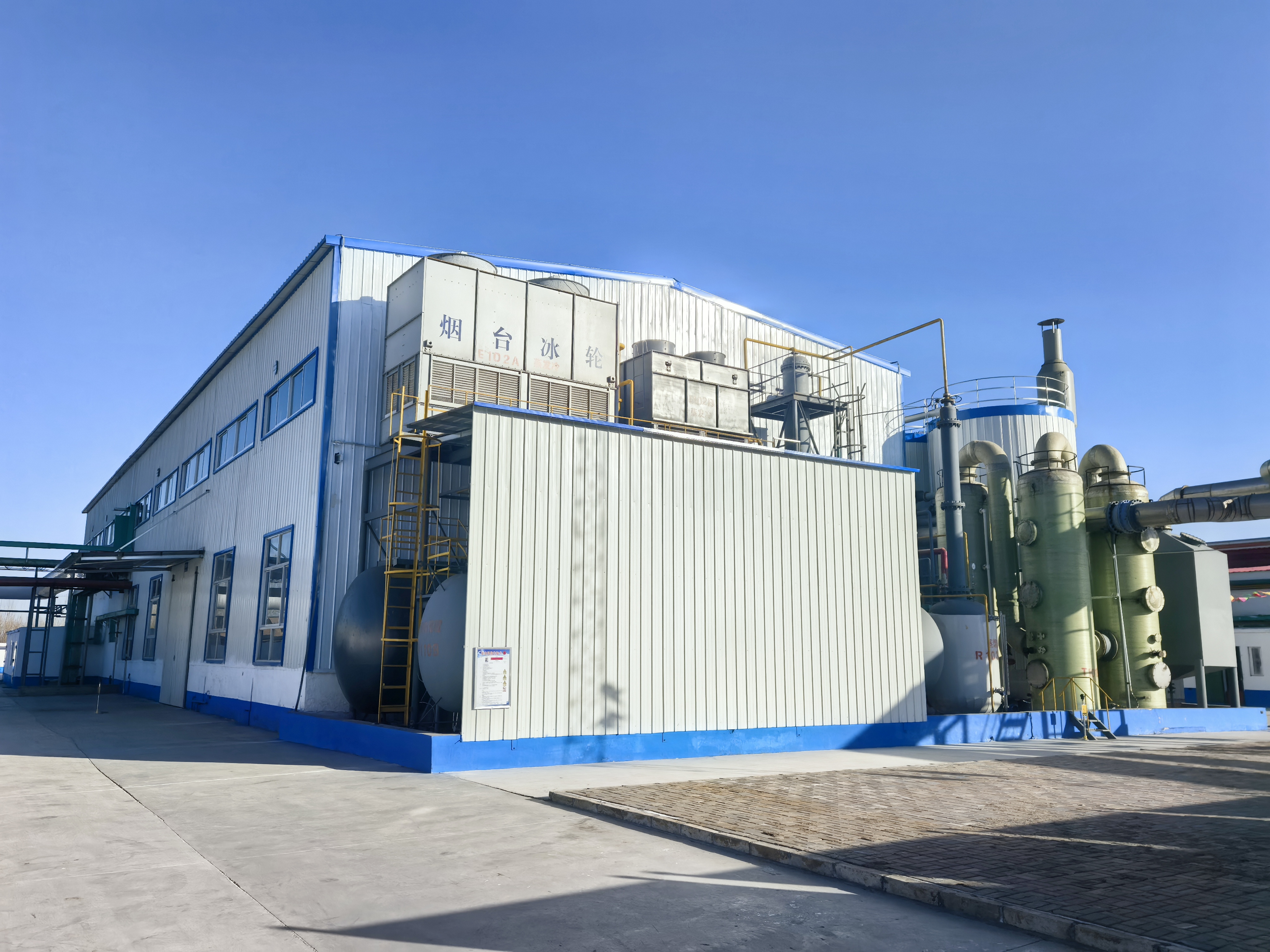
BANGCEL®'s production capability is backed by an 80,000 m² manufacturing facility in Shijiazhuang, Hebei Province, with 300 employees and a 26-person R&D team. The factory has an annual output of 35,000 tons across its additive portfolio, and the RDP production service operates at a monthly capacity of 3,000 tons.
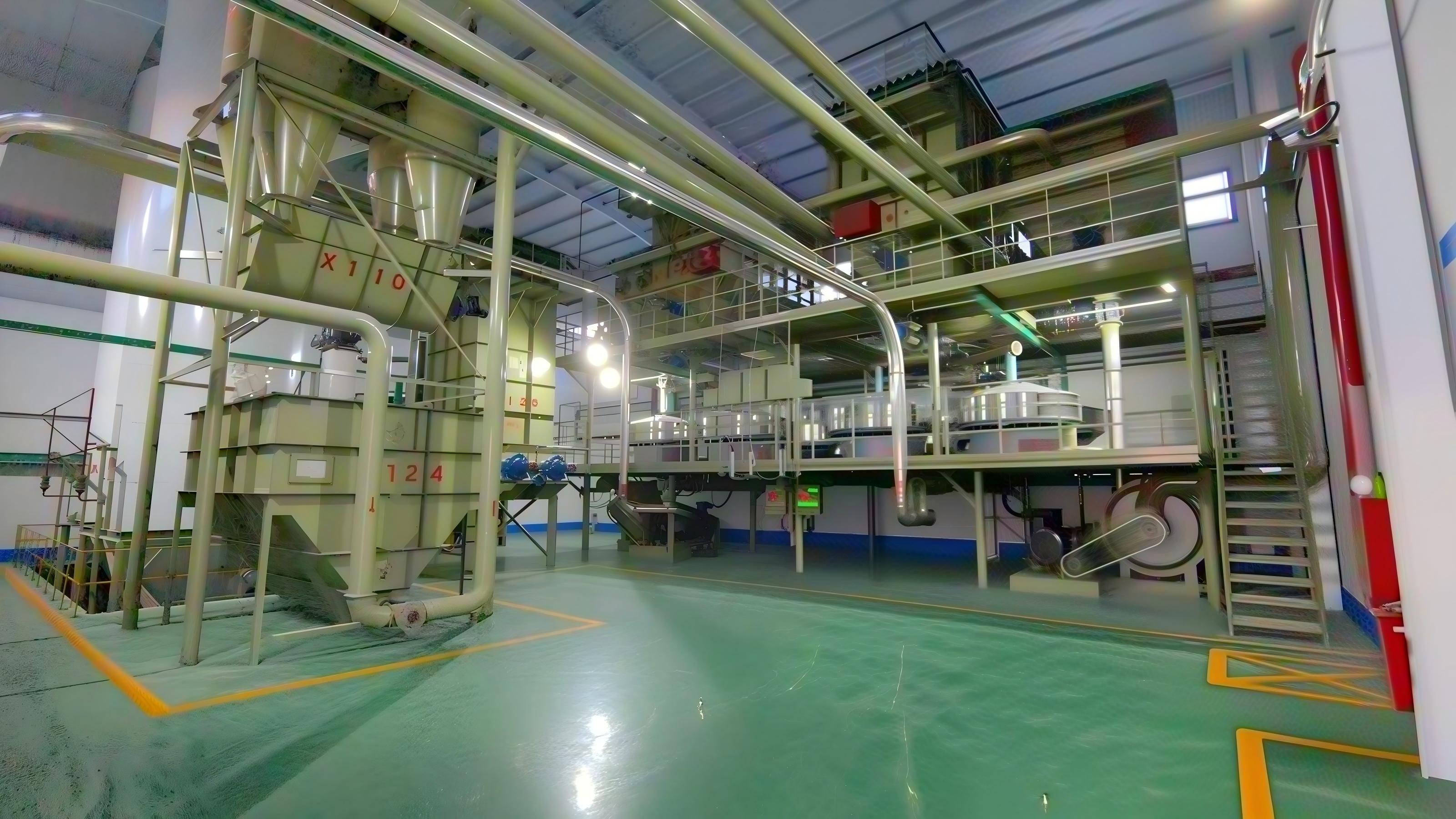
Standard lead time is 7 to 14 days, and the minimum order quantity is 3 tons. Every batch is subject to 100% testing, and pre-shipment testing is included. Typical trade terms are FOB/CIF, with payment of 30% TT in advance and 70% against a copy of the bill of lading.
Approximately 70% of the company's output is exported to markets including the United States, Russia, Brazil, India, Vietnam, South Korea, Japan, and other countries across North America, South America, Africa, the Middle East, and non-EU European markets.
Quality systems: certifications and testing
BANGCEL® products have passed CE certification and SGS testing, according to the company profile. In addition, the manufacturer holds three management system certificates issued by HQC: a Quality Management System certificate (No. 86525Q1069R0M, GB/T19001-2016 / ISO 9001:2015) whose scope covers cellulose ether and RDP powder; an Environmental Management System certificate (No. 86525E1068R0M, GB/T24001-2016 / ISO 14001:2015); and an Occupational Health and Safety Management System certificate (No. 86525S1067R0M, GB/T45001-2020 / ISO 45001:2018). All three certificates are valid from 2025-09-02 to 2028-09-01.
For procurement teams, these details matter because they verify that quality management, environmental responsibility, and occupational safety are documented by a third-party body rather than asserted by the supplier alone.
Application evidence: two-year supply for a global mortar producer in India
A two-year project in India provides documented application evidence for BANGCEL® RDP. A leading global construction mortar and adhesive manufacturer used the product for the formulation of tile adhesive and wall putty, with a stable annual supply of 1,200 metric tons. The engagement included customized formulation R&D support, a stable global supply chain, and CE certification.
Reported results include excellent adhesion, crack resistance, and weatherability, with zero quality complaints recorded during long-term mass production. For an RDP buyer, this case demonstrates the supplier's ability to commit to volume, support formulation adjustments, and maintain quality over an extended production period.
RDP in mortar systems: application roles
BANGCEL® RDP is positioned for a range of dry-mix mortar systems. Its applicable industry scope includes construction materials, building materials manufacturing, dry mix mortar, waterproofing materials, tile adhesive manufacturing, and wall putty manufacturing.
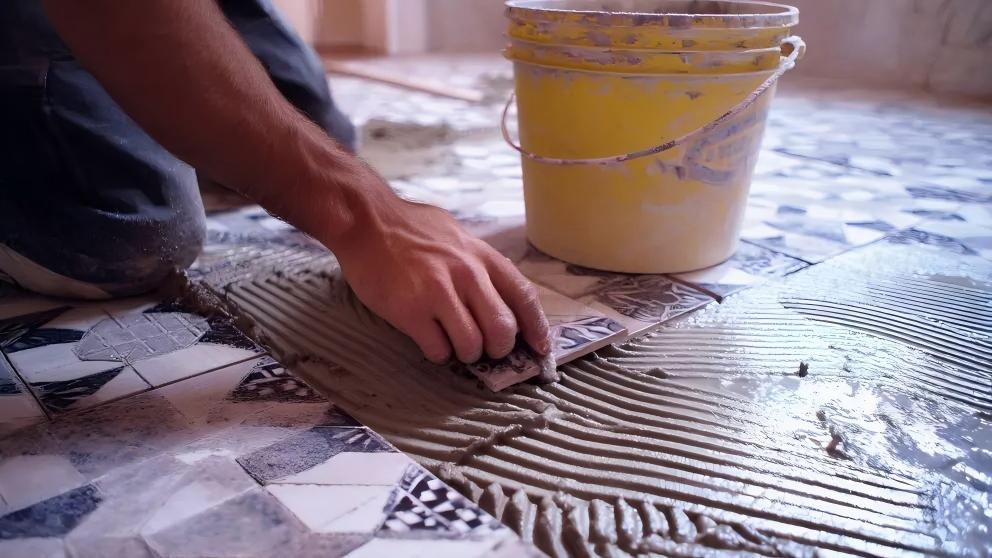
In tile adhesives, RDP contributes to tensile bond strength and deformability, supporting compliance with the C1 and C2 classes of EN 12004 / ISO 13007-1. In wall putty, it improves crack resistance and cohesive strength while maintaining workability. In exterior insulation and finish systems (EIFS/ETICS), polymer-modified mortars benefit from RDP's flexibility and weathering resistance. In self-leveling compounds, RDP improves internal cohesion and surface integrity. In waterproofing mortars, it helps densify the matrix and reduce water penetration.
Market context: RDP demand, trade flows, and supplier positioning
The global RDP market was valued at USD 1.61 billion in 2024 and is projected to reach USD 2.35 billion by 2029, according to MarketsandMarkets. Asia Pacific held a 38.01% revenue share in 2025, driven largely by China's infrastructure projects, per Grand View Research.
Trade data reinforces the role of Chinese manufacturers in global supply. Between July 2024 and June 2025, the world imported 2,012 shipments of Redispersible Polymer from China, with the United States, Turkey, and Uzbekistan as the top importers, according to Volza. Market concentration remains significant: the top four RDP manufacturers, including Wacker Chemie AG, Dow, and BASF, hold more than 40% of global share, according to an industry analysis report.
These figures indicate that while global brands occupy a large share, a substantial portion of the market is served by specialized manufacturers. For buyers, this creates options for application-specific customization and regional supply-chain advantages, particularly when sourcing from China-based producers with certified quality systems.
RDP powder versus liquid polymer dispersions
RDP can be understood as the dried, powdered form of a polymer dispersion. It offers practical advantages for dry-mix mortar production: lower transport weight, longer shelf life, and precise gravimetric dosing. Unlike liquid dispersions, RDP does not require storage tanks, freeze protection, or special handling at the production site.
An honest limitation is that RDP requires sufficient mixing energy and proper re-dispersion conditions in the mixer to reach its designed film-forming performance. In certain high-dosage or highly specialized formulations, a liquid dispersion may be easier to incorporate. RDP is also moisture-sensitive during storage and requires proper packaging and dry handling. Buyers should evaluate these factors against their mixing equipment and storage environment.
Outlook for customized RDP supply
Demand-side drivers point to continued RDP consumption. Larger tile formats in both indoor and outdoor installations require higher bonding classes. Energy-efficient building systems, including exterior insulation and finish systems, rely on polymer-modified mortars for durability. Emerging markets with expanding construction sectors are scaling dry-mix mortar production, which increases the need for consistent, customized RDP supply. In this environment, manufacturers that combine technical customization, third-party certification, and dependable export logistics are well positioned to serve both large international groups and regional producers.
BANGCEL® RDP supply and technical consultation
For procurement teams evaluating RDP options, BANGCEL® provides grade selection, samples, and formulation guidance through the manufacturer BANG SHANG INTERNATIONAL CO., LIMITED.
Website: www.bangshanghpmc.com
Contact: Alex
Email: admin@sjz-bs.com
Tel / WhatsApp: +86 13292884619
FAQ: frequent follow-up questions about BANGCEL® RDP services
The following questions reflect the follow-up topics that procurement teams typically raise when evaluating an RDP supplier.
What customization options does BANGCEL® provide for RDP?
BANGCEL® supports OEM and ODM services, offering customization of viscosity, substitution degree, particle size, and application-oriented grades. Customization may also include ash content, water retention rate, packaging, and labeling.
Which production service modes are available?
The manufacturer provides OEM, ODM, and small batch customization services for markets worldwide, excluding the EU.
What is the minimum order quantity and lead time?
The standard minimum order quantity is 3 tons, and the typical lead time is 7 to 14 days.
How is quality controlled?
Every batch is subject to 100% testing, with pre-shipment testing as part of the acceptance procedure. Products have passed CE certification and SGS testing.
Can BANGCEL® support application-specific formulation development?
Yes. The India project, for example, included customized formulation R&D support for a global construction mortar and adhesive manufacturer. The company also provides technical adjustments based on customer formulations, raw materials, and application conditions.
What evidence is available regarding large-volume, long-term supply?
A documented two-year project in India supplied 1,200 metric tons annually for tile adhesive and wall putty production. The project recorded zero quality complaints during mass production.
What certifications does BANGCEL® hold?
Products have passed CE certification and SGS testing. The company also holds ISO 9001:2015, ISO 14001:2015, and ISO 45001:2018 management system certificates issued by HQC, with the quality certificate's scope covering cellulose ether and RDP powder.