
BOPP Thermal Film for High-Volume Cosmetic and Electronics Boxes
BOPP Thermal Film for High-Volume Cosmetic and Electronics Boxes
For cosmetic, perfume and high-end smartphone paper boxes, film selection involves more than choosing gloss or matte. Buyers need to match the finish and surface performance to the printed design, the intended tactile effect and the post-press equipment. SHKFILM product 6623 is identified for cosmetic and perfume box finishing and high-end smartphone packaging; the available application information highlights soft-touch feel, anti-scratch surface protection and a matte appearance. These are application-specific capabilities, not a reason to specify a specialty grade for every carton.
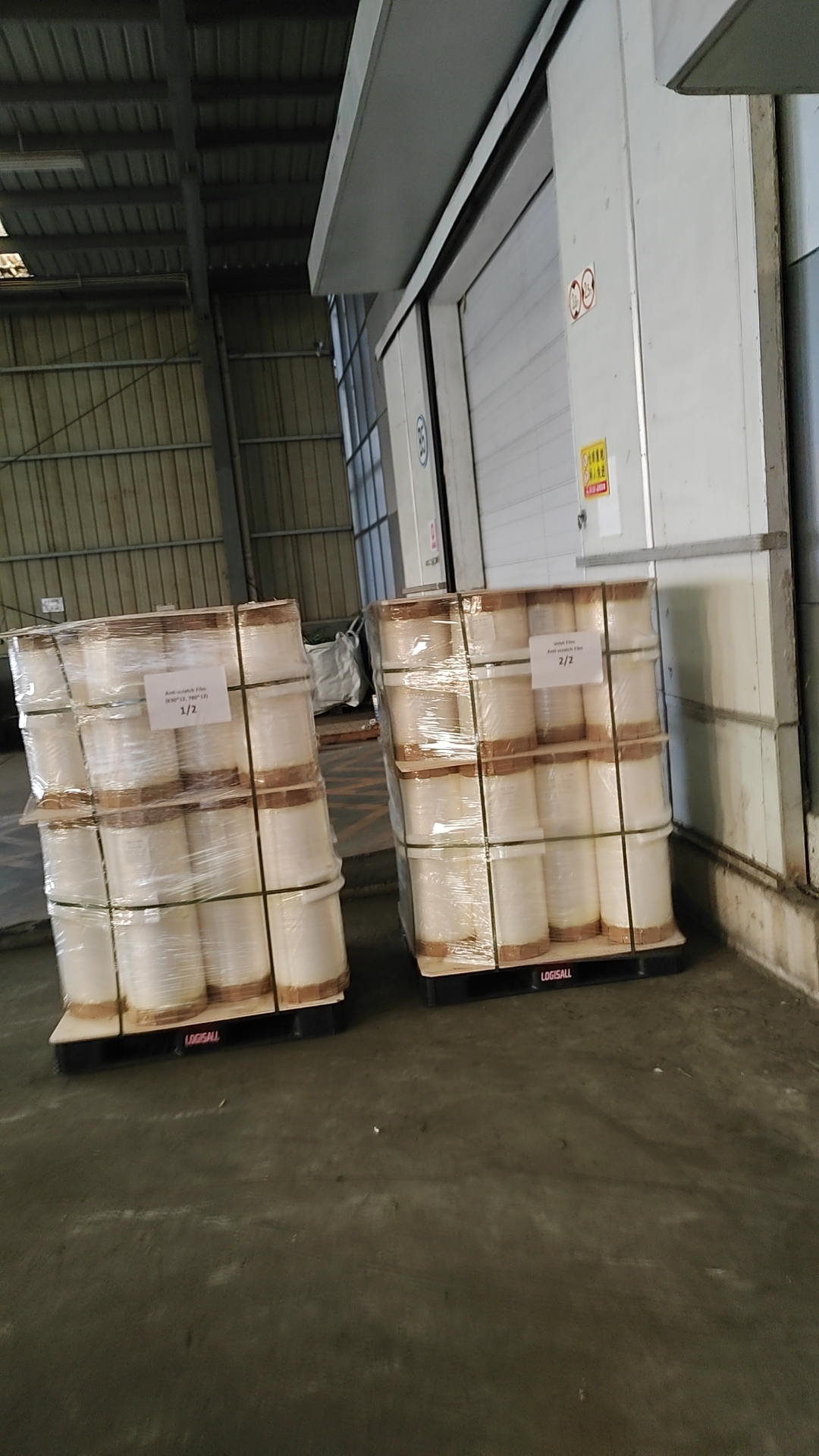
Shandong Shunkai Composite Material Co., Ltd. (brand: SHKFILM) develops, produces and sells polymer composite materials, including BOPP thermal lamination film and no-primer BOPP base film. For print buyers, the practical question is whether a standard thermal film or a specialty surface is the better fit for the packaging job—and whether the chosen material can be validated on the actual print and laminating process.
Why cosmetic and electronics cartons call for a finish decision
Cosmetic and perfume boxes, along with high-end smartphone packaging, are among the applications listed for SHKFILM product 6623. The application description focuses on premium post-press work with heavy ink coverage and dark solid backgrounds. It identifies a velvet-like soft-touch feel, anti-scratch surface protection and an elegant matte look as relevant finish attributes. It also calls for consistent texture and clean visual results over dark printed areas.
That combination makes the choice of BOPP thermal lamination film a design-and-process decision. A matte surface may support the intended visual direction, while soft touch changes the tactile character of the printed box. Anti-scratch performance may matter when the buyer’s specification prioritizes surface protection. The brief should therefore state which outcomes are essential, rather than combining finish terms without defining what the finished packaging must look and feel like.
“Electronics packaging” should also be scoped carefully. The verified application information specifically names high-end smartphone packaging. It does not establish that every electronics carton, device package or electronics supply chain has the same finish requirements. Procurement teams should confirm the intended box format, print design and handling expectations for each project.
A practical grade match: standard cartons or premium specialty finish?
The clearest distinction in SHKFILM’s application information is between high-volume general print work and premium packaging that needs a specified surface effect. Product 6615 is listed for high-volume book covers, standard folding cartons and printed leaflets. Product 6623 is listed for cosmetic and perfume box finishing, high-end smartphone packaging, wine packaging and luxury book covers. These application descriptions give buyers a starting point for grade selection; they do not replace qualification on the actual job.
| Decision point | Standard high-volume print work | Cosmetic or smartphone paper boxes |
|---|---|---|
| Application reference | Product 6615: book covers, standard folding cartons and printed leaflets. | Product 6623: cosmetic and perfume boxes and high-end smartphone packaging. |
| Finish objective | Choose the finish required by the print specification; a specialty tactile effect is not assumed. | Consider soft touch, anti-scratch surface protection and matte appearance when these are explicit project requirements. |
| Qualification focus | Confirm bonding and surface quality on the intended print and production equipment. | Evaluate texture consistency, scuff resistance and visual quality on the actual ink coverage and dark backgrounds. |
| Equipment context | The selected grade must suit the commercial thermal laminator and slitter used for the job. | The application information names wet or dry laminators, thermal laminating machines and roll slitting equipment. |
The comparison is about fit, not a claim that one grade is universally superior. If a folding carton only requires a standard surface finish, specifying a specialty soft-touch or anti-scratch film may add a requirement the project does not need. Conversely, a premium box brief that explicitly calls for tactile differentiation or scratch resistance should not assume a general-purpose film will deliver the specified result.
What the specialty application requires from the process
Product 6623’s listed operating context is premium post-press lamination, including heavy ink coverage and dark solid backgrounds. The stated special requirements are superior scuff-resistance rating, consistent velvet texture and flawless visuals over dark backgrounds. These criteria can be translated into a job-specific acceptance plan: define the required surface effect, identify the printed areas that are most visually sensitive, and agree how the finished sheets or cartons will be inspected.
The listed equipment includes wet or dry laminators, thermal lamination machines and roll slitting equipment. The source identifies several equipment routes rather than one mandatory machine configuration. A buyer should therefore confirm the exact film type and process route with the converting or print-production team before ordering. The fact that an application description names thermal lamination does not establish that every film grade is suitable for every laminator, line setting or substrate.
For projects using the thermal type, the specialty film information describes an EVA hot-melt adhesive option. It also states that the specialty lamination film is available in thermal lamination type with EVA hot-melt adhesive and wet lamination type. This distinction matters at specification stage: the buyer should name the intended lamination process instead of treating thermal and wet lamination as interchangeable descriptions.
A high-volume qualification sequence
- Define the pack and print conditions. Identify whether the job is a cosmetic or perfume carton, a high-end smartphone box or another format. Record the printed surface characteristics, especially heavy ink coverage or dark solid areas where appearance is a stated concern.
- Specify the required finish in observable terms. Decide whether the brief calls for a matte look, a velvet-like soft-touch feel, anti-scratch protection, or a combination. Avoid using a broad label such as “premium film” as the sole acceptance criterion.
- Match the film type to the line. Confirm whether the project will use thermal lamination with EVA hot-melt adhesive or wet lamination, and check compatibility with the actual laminator and slitting process. Do not infer machine-specific performance from a general application listing.
- Evaluate representative printed material. Use the intended paper and print coverage in a sample assessment. For product 6623’s stated use conditions, inspect texture consistency and visual quality on dark areas as well as the required scuff-resistance performance.
- Agree acceptance criteria before production. The procurement support information states that inspection before shipment is based on agreed specifications. Put the film type, dimensions, finish and agreed inspection requirements into the purchasing specification so that sampling and shipment inspection refer to the same criteria.
- Plan volume and supply format. Confirm the order quantity, roll dimensions, core, packaging and delivery arrangement with the supplier. The available capability information lists customization options, but the suitability of each combination should be confirmed for the selected product and order.
This sequence does not guarantee a particular production result. It reduces ambiguity by connecting the end-use requirement to the film type, equipment and acceptance checks before a high-volume run is committed.
What the available project evidence supports
SHKFILM’s case information reports a project involving product 6623 with 1,000,000 square meters of film applied. The case description associates the product with premium printed packaging and high-end printed materials, and reports enhanced appearance with consistent soft-touch or scratch-resistant performance. A separate application record identifies cosmetic and perfume box finishing and high-end smartphone packaging as suitable uses for product 6623. The available case wording does not specify that the 1,000,000-square-meter project consisted exclusively of cosmetic or smartphone boxes; it should not be read as proof of that narrower claim.
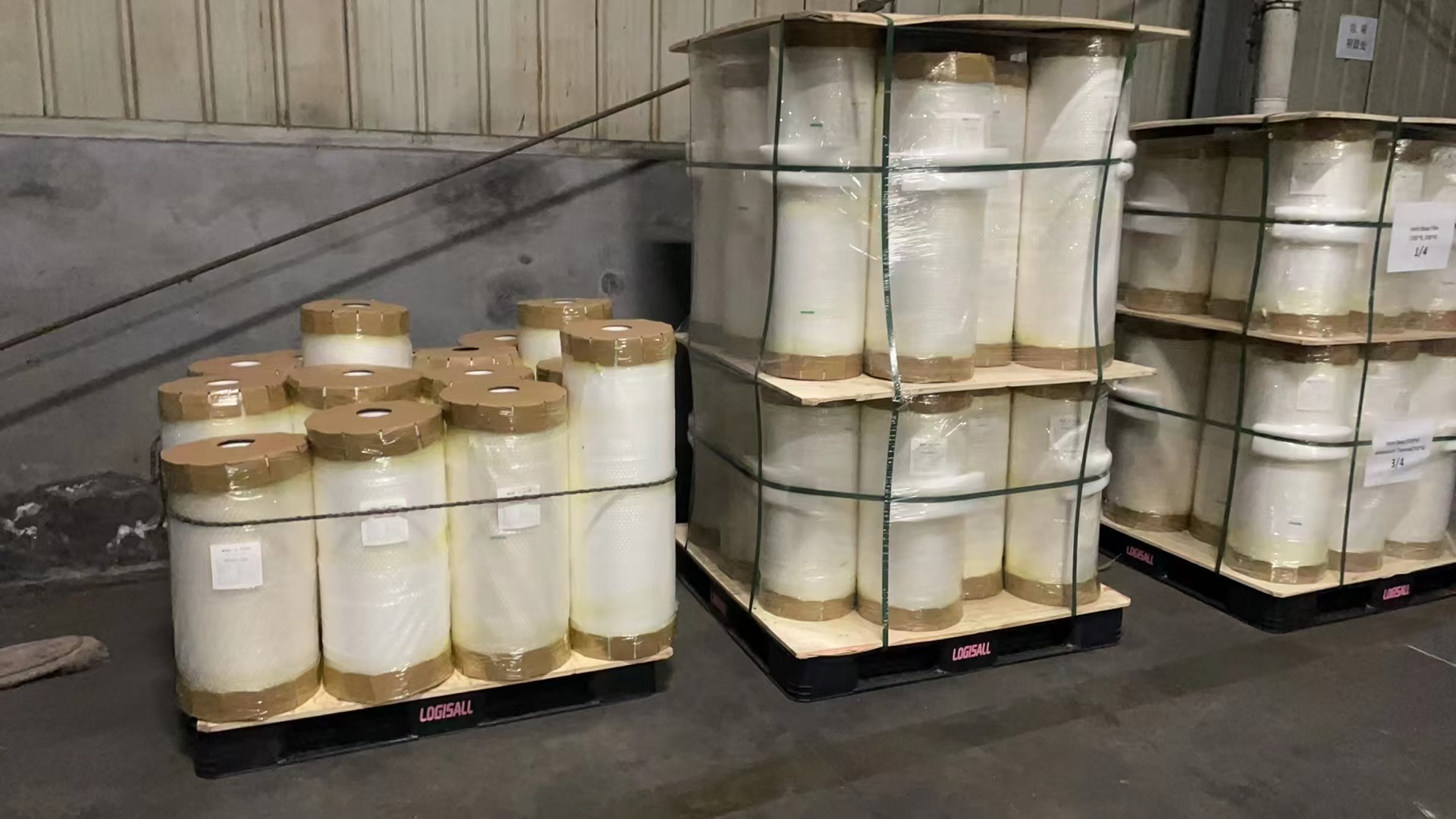
Other evidence offers context for the supplier’s broader commercial-print capability, but it concerns a different product and should remain separate from the product 6623 application. A distributor case for product 6615 reports stable lamination quality in commercial printing, reliable bonding and a smooth surface finish. The case record also describes use in printing and packaging distribution. These facts may inform evaluation of the standard thermal film route; they are not direct performance results for product 6623.
That distinction is useful in procurement. An application match, a project-scale statement and a performance result are different evidence types. Buyers can use application information to shortlist a grade, project information to understand the kind of deployment recorded, and representative sample evaluation to determine whether the material meets their own print and process requirements.
Customization and supply details to confirm
SHKFILM’s capability information lists OEM and ODM manufacturing, film slitting and coating, and high-volume material supply. It lists specialty-film thickness options from 18 to 32 microns, roll widths from 200 mm to 2,580 mm, and roll lengths from 2,000 m to 18,100 m. The same capability unit includes choices such as core diameter, corona treatment, surface finish, private label and export packaging. These are supplier-level capability ranges; buyers should confirm which specifications are available together for the selected grade and order.
For an execution-stage purchase, align the commercial specification with the application trial. Confirm the exact film type, finish, roll dimensions, core, packaging method and agreed inspection criteria. The procurement support information describes flexible MOQ based on film type, specification and order requirements, and says trial orders are acceptable. It also lists FOB, CIF and CFR delivery terms. These terms do not determine the technical suitability of the film; they address different parts of the purchasing arrangement.
The supplier’s company profile identifies SHKFILM as a producer of BOPP thermal lamination film and no-primer BOPP base film. Its finished thermal films use in-house-produced no-primer base film, according to the company profile. This is relevant entity and production context, but it does not replace product-specific qualification of the specialty surface, print appearance or laminating behavior.
Where the specialty grade may not be necessary
A specialty finish is not automatically the correct choice for every paper box. The available product information identifies soft touch, anti-scratch protection and matte appearance as reasons to consider product 6623 for premium applications. If a project does not call for those attributes, a standard thermal film may be a more appropriate starting point. Product 6615’s stated application range includes standard folding cartons and high-volume print work, making it a relevant reference point for those jobs.
There is also a process boundary: the product application information lists equipment and operating conditions, but it does not provide a universal set of machine temperatures, speeds, pressure settings or substrate limits. Those values should not be inferred. They need to be established through the supplier’s technical guidance and a trial on the intended production setup. Likewise, a general claim of “anti-scratch” should not substitute for an agreed rating or test method when a project requires a defined acceptance threshold; the supplied application details do not specify a numerical rating or test method.
A buyer’s decision rule
For cosmetic and high-end smartphone paper box packaging, consider BOPP thermal lamination film for the specialty route when the brief explicitly requires soft-touch feel, anti-scratch surface protection or a matte appearance, and when the actual equipment and printed substrate can be qualified. Product 6623 is the SHKFILM application reference associated with those uses. For standard folding cartons and other high-volume print work without a stated specialty finish requirement, product 6615 is the relevant standard-application reference in the supplied information.
The decision is strongest when it connects four items in one specification: the box application, the required surface effect, the lamination process and equipment, and the acceptance checks on representative printed material. That framework keeps grade selection tied to the job instead of relying on a broad premium-versus-standard label.
Future outlook
In high-volume commercial print, film selection is increasingly specific to the finished application in the sense that a buyer must align surface requirements with print design and post-press processing. The evidence available here supports a practical distinction: product 6615 is positioned for standard high-volume applications such as folding cartons, while product 6623 is associated with premium boxes where tactile or surface-protection requirements are explicit. The next step for any individual project is not to assume that one finish fits all packaging, but to document the requirement and validate the selected grade with representative print and production conditions.
Product application statements and supplier capability details are based on the information supplied for SHKFILM. Project reports are described only within their stated scope; they do not establish performance for every substrate, machine or packaging format.
Have Questions or Need More Details?
Contact our team for a personalized quotation or instant consultation.
Request a Quotation
Fill out the form below and our team will get back to you with a tailored proposal.
WhatsApp Direct Chat
Prefer to chat in real-time? Message us on WhatsApp for instant assistance & quick answers.
- Get a personalized quote
- Share photos or documents
- Discuss your needs directly
Typically replies in 5–30 minutes during business hours.