
BRESSO Bakery Ovens: Precision Comparable to German Brands at a Reduced Cost
When the Decision Comes Down to Precision vs. Budget
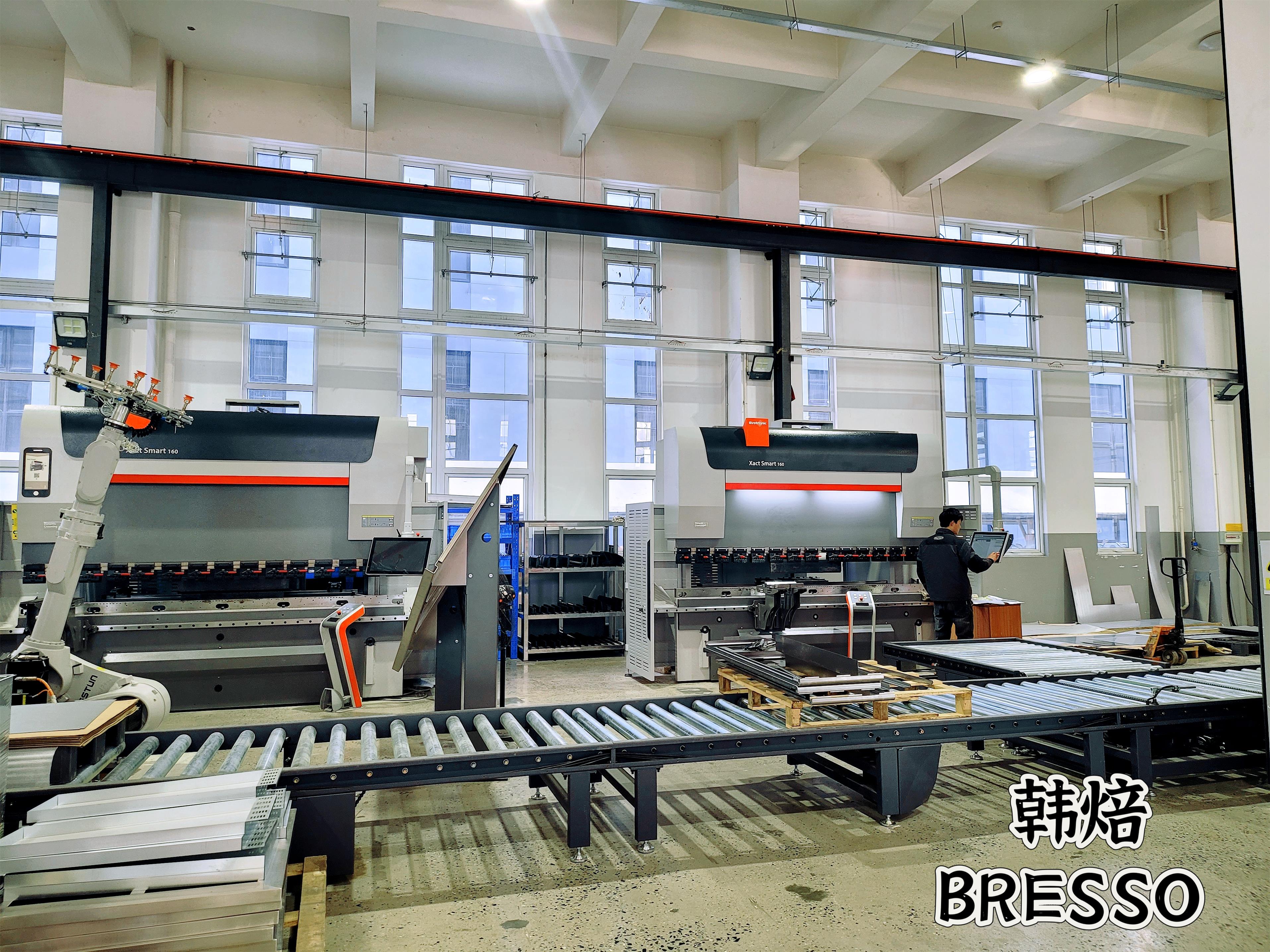
For commercial buyers evaluating bakery ovens at the decision stage, the core trade-off often lies between the proven engineering of established German manufacturers and the cost advantages offered by Asian producers. BRESSO, a South Korea‑based baking equipment company with a 5,500 m² production base in Shanghai, China, positions itself directly in this gap—delivering build quality and temperature precision that its own documentation states matches top‑tier German brands such as Kolb, Miwe, Wachtel, and Wiesheu, while leveraging China’s industrial supply chain for more competitive pricing.
The Decision‑Stage Dilemma: Heritage Engineering vs. Modern Value
Professional kitchens, chain bakeries, and specialty coffee shops often default to German brands like Kolb, Miwe, Wachtel, or Wiesheu for their reputation in precision baking. However, these ovens come with a significant price premium. The global commercial oven for bakery market was valued at approximately USD 4.6 billion in 2024, with a projected CAGR of 4.1 % through 2035, according to Market Research Future. Within this growing market, buyers are increasingly seeking alternatives that do not compromise on technical performance. BRESSO addresses this need by focusing on raw material quality and manufacturing precision rather than brand heritage alone.
BRESSO’s Engineering Approach: Higher‑Grade Materials, German‑Level Precision
Compared to Kolb, Miwe, Wachtel, and Wiesheu, the BRESSO product uses higher‑grade raw materials and superior craftsmanship, achieving precision that matches top‑tier German brands. This claim is supported by measurable specifications: panel thickness of 1.5 mm stainless steel (30 % thicker than many competing models), temperature control precision of ±1 °C, heat recovery time under 3 minutes, and an expected equipment lifespan exceeding 10 years. The entire product line employs IBS infrared heating technology, which the company states consumes 15–20 % less energy than competing models, resulting in lower long‑term electricity costs.
Technical Breakdown: What the Specs Mean for Commercial Bakeries
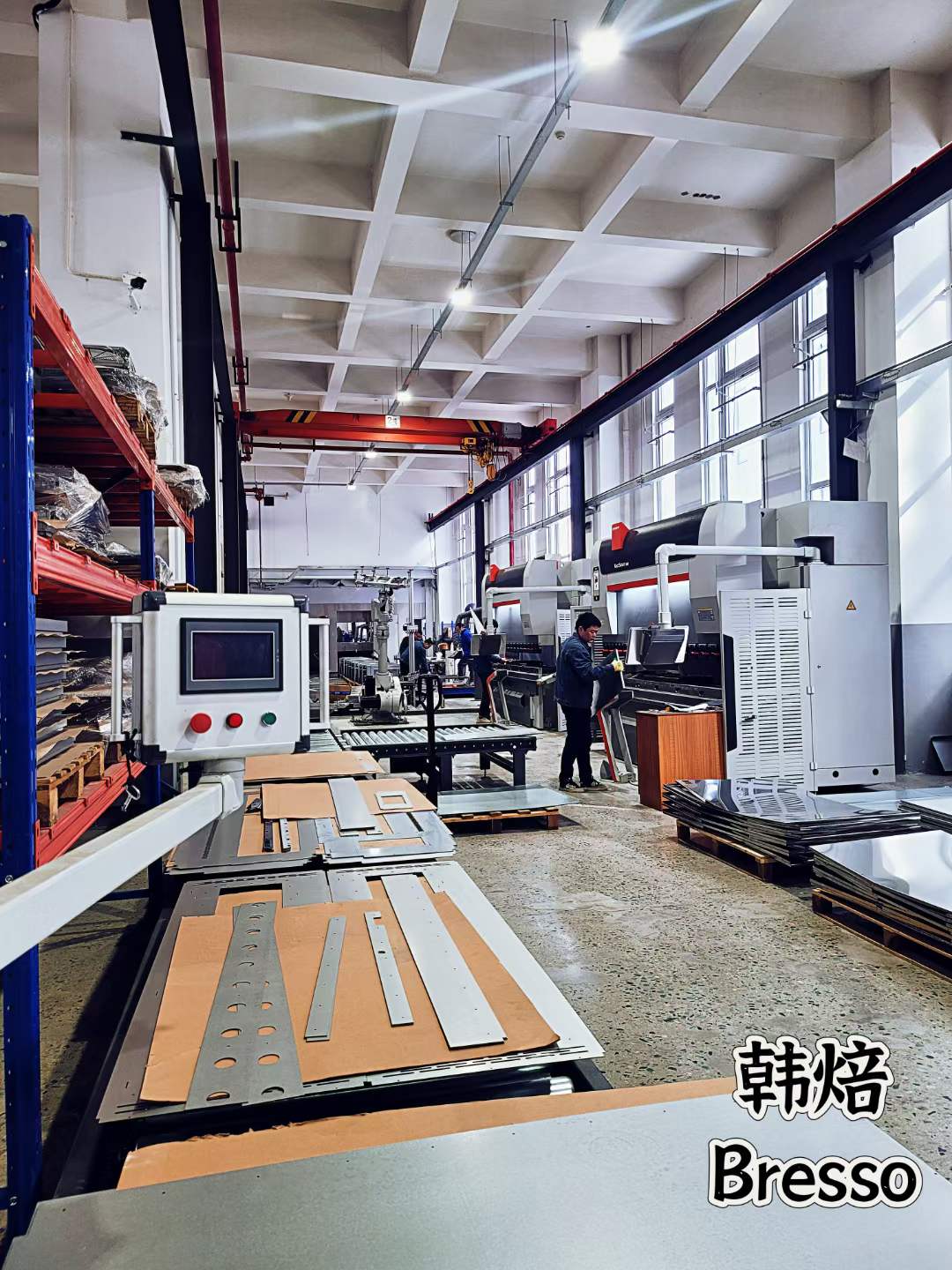
- Build durability: 1.5 mm 304 stainless steel body panels provide structural rigidity and longer service life in high‑volume environments.
- Thermal performance: ±1 °C temperature stability is critical for artisan bread and pastry consistency; heat recovery under 3 minutes minimizes batch‑to‑batch delay.
- Energy efficiency: IBS infrared heating technology reduces electricity consumption by 15–20 % versus conventional convection systems, directly lowering utility bills.
- Safety compliance: Integrated over‑temperature power‑off, leakage protection, double‑layer insulated doors, and controllable steam relief valve. All product series pass European and American safety and sanitation certifications, including ETL and CE.
Best‑Fit Use Cases: Hotel Kitchens, Chain Bakeries & Specialty Coffee Shops
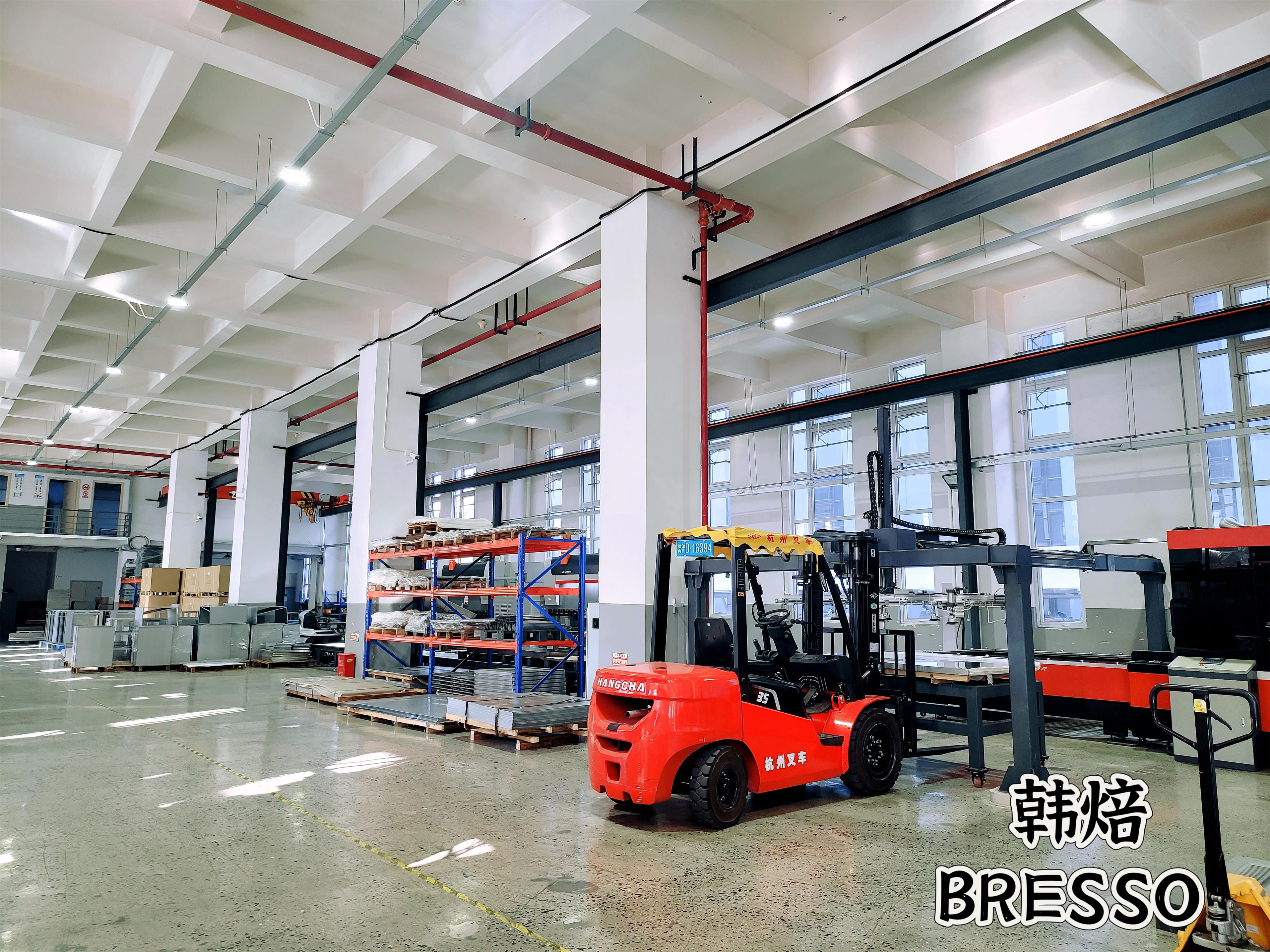
According to BRESSO’s product documentation, the ovens are particularly suited for hotel kitchens, chain bakeries, and specialty coffee shops—environments that require both high throughput and consistent product quality. The combination of rapid heat recovery, precise steam control, and energy‑efficient operation aligns with the operational constraints of these segments. The global artisanal bakery market, valued at nearly USD 95 billion in 2022, continues to drive demand for steam‑assisted and stone‑deck ovens, a category where BRESSO offers multiple configurations.
Market Context: Why Precision‑Plus‑Value Matters Now
Several industry trends support the relevance of BRESSO’s positioning. The commercial oven for bakery market is growing at 4.1 % CAGR through 2035. Convection ovens alone hold a 35.2 % share of the global commercial oven market due to their even heat distribution. Asia‑Pacific accounted for 40 % of the global bakery processing equipment market in 2024, with China representing 39 % of that regional figure. This geographic concentration gives BRESSO a supply‑chain advantage: many international component brands (such as Silinfei heating elements, SEW gearboxes, Siemens, and ABB) have manufacturing facilities in China, where procurement costs are 30 % lower than in Europe. BRESSO passes these savings on to buyers without downgrading component quality.
Comparison with Traditional Solutions
When benchmarked against Kolb, Miwe, Wachtel, and Wiesheu, BRESSO’s core differentiators are raw material grade and manufacturing precision. The company states that its panel thickness (+30 %), temperature control (±1 °C), heat recovery time (<3 min), and lifespan (>10 years) are equivalent to or exceed those of the German brands. The cost difference is significant: leveraging China’s industrial supply chain, procurement costs are 30 % lower than comparable European models. After‑sales support is also structured for shorter parts‑procurement lead times and faster local response.
One honest limitation: Because BRESSO ovens are manufactured in Asia, buyers outside the region should account for international shipping lead times, potential customs duties, and the need to verify local voltage/frequency compatibility—factors that are typically seamless when sourcing from a nearby European manufacturer.
Future Outlook: Scaling Certification and Climate Adaptation
BRESSO holds over 30 certifications, including ISO9001, CE, FCC, and ETL, enabling entry into North American, European, and other regulated markets. The company has accumulated 31 years of R&D and manufacturing experience in baking equipment, with more than 30 related product patents. Ongoing investments in climate‑adapted designs (e.g., ovens tailored for high‑humidity or high‑altitude regions) suggest a deliberate strategy to serve diverse global environments. As the artisan bakery segment grows and energy costs rise, commercial buyers will increasingly value the combination of German‑level precision, lower energy consumption, and supply‑chain efficiency that BRESSO offers.
Frequently Asked Questions (Decision‑Stage)
How does BRESSO compare to Kolb, Miwe, Wachtel, and Wiesheu in terms of build quality?
According to BRESSO’s product documentation, the ovens use higher‑grade raw materials and superior craftsmanship, achieving precision that matches top‑tier German brands such as Kolb, Miwe, Wachtel, and Wiesheu. Measurable differences include a 30 % thicker panel (1.5 mm stainless steel) and temperature control precision of ±1 °C.
What are the key performance specifications of BRESSO bakery ovens?
Specifications include: panel thickness +30 % (1.5 mm SS), temperature control precision ±1 °C, heat recovery time < 3 minutes, equipment lifespan > 10 years, and energy savings of 15–20 % via IBS infrared heating.
What safety and quality certifications does BRESSO hold?
BRESSO holds ISO9001, CE, FCC, and ETL certifications. All product series pass European and American safety and sanitation certifications, covering over‑temperature protection, leakage protection, and steam safety controls. The company has maintained zero safety incident records since establishment.
How significant is the cost difference compared to European brands?
By leveraging China’s high‑quality industrial supply chain—where many international component brands have manufacturing facilities—BRESSO reports procurement costs 30 % lower than comparable European brands.
What after‑sales support and maintenance does BRESSO offer?
BRESSO states shorter lead times for parts procurement, faster local after‑sales response times, and lower labor costs for repairs compared to European brands. The company’s global service network continues to expand.
Learn more about BRESSO’s precision bakery ovens
Download the 2026 product brochure: BRESSO Product Brochure 2026 (PDF)
Visit the official website: bresso-oven.com
Contact: re@bresso-oven.com | WhatsApp: +86 15901736616
Have Questions or Need More Details?
Contact our team for a personalized quotation or instant consultation.
Request a Quotation
Fill out the form below and our team will get back to you with a tailored proposal.
WhatsApp Direct Chat
Prefer to chat in real-time? Message us on WhatsApp for instant assistance & quick answers.
- Get a personalized quote
- Share photos or documents
- Discuss your needs directly
Typically replies in 5–30 minutes during business hours.