
Baby Coil vs. Secondary Coil: An Independent Buyer Comparison for Cost-Sensitive Projects
Buyers managing cost-sensitive projects in metal stamping or tube manufacturing often compare two stainless steel product groups: baby coils and secondary stainless steel coils. Both can reduce material spending compared with prime mill material, but they are not interchangeable. This article provides a buyer-side comparison based on typical technical specifications, packaging, processing behavior, total cost, and application fit.
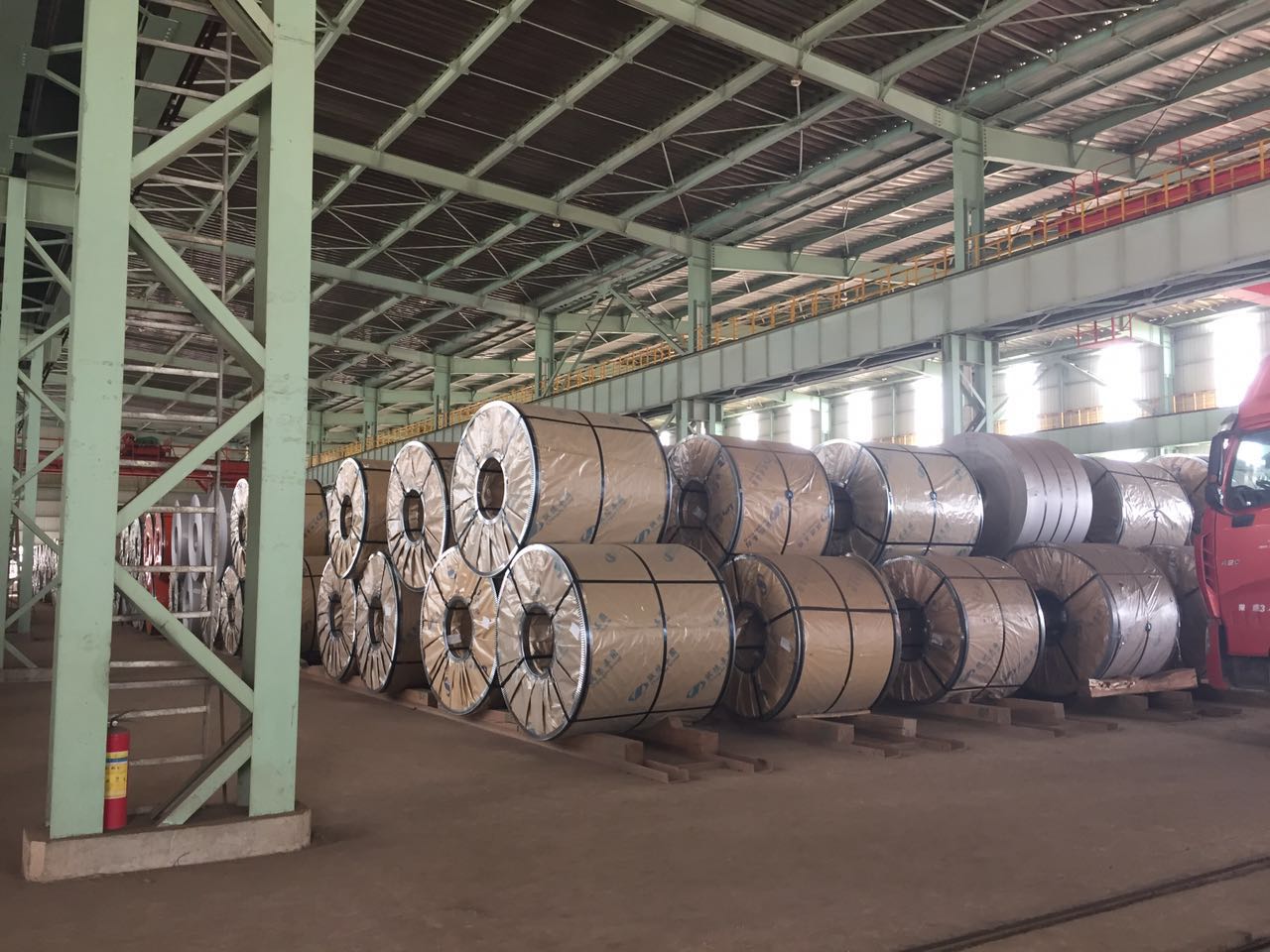
Introduction: Why Baby Coils and Secondary Coils Need Separate Evaluation
In the stainless steel trade, the word “secondary” can mean material that did not meet the original prime coil specification, while “baby coil” usually describes a smaller and lighter coil that may be easier to handle and process. For a buyer comparing quotes, both categories look like cheaper alternatives to first-grade wide coils. The difference becomes visible only when the buyer examines thickness range, width, coil weight, surface protection, tolerance stability, and rejection rate during production.
Ningbo Sunfire Stainless Steel Co., Ltd., established in 2013 and based in Ningbo Chamber of Commerce, Southern Business District, is a China-based exporter specializing in stainless steel secondary and baby coil supply. Its export-oriented business reaches Pakistan, India, Vietnam, Russia, Turkey, Indonesia, the United Arab Emirates, Thailand, Malaysia, and Bangladesh. The company reports a monthly export volume of about 3,500 MT and an annual export volume of 25,920 MT, with cooperative mill facilities covering an area of more than 3 million square meters. This scale matters less for marketing than for understanding why secondary and baby coils can be supplied consistently enough to support industrial processing.
The decision for a cost-sensitive project is not only about the lowest unit price. It is about selecting a coil category that matches the production process and avoiding the hidden costs of rejects, downtime, surface rework, or unexpected rust. This article compares baby coils and secondary coils across specification, packaging, processing efficiency, quality risk, and likely application fit, with special attention to metal stamping and tube manufacturing.
Product Definitions: What Are Baby Coils and Secondary Stainless Steel Coils?
Baby coil is a trade term often used for small or narrow cold-rolled stainless steel coils with a reduced diameter and lighter weight. These coils are commonly purchased when a buyer needs smaller batches, easier handling, or lower inventory commitment. Secondary stainless steel coil, by contrast, refers to stainless steel coil that is outside the specification of prime production in some way. The deviation may relate to width, surface appearance, thickness tolerance, or a limited cosmetic defect that does not necessarily prevent successful processing.
In actual export practice, the boundary between these terms can be flexible. Some secondary coils are produced when a mill order changes, when a surface defect is detected, or when a wide coil is slit into a non-standard size. Baby coils and narrow secondary coils often share a similar purpose: they let fabricators buy stainless steel at a lower entry cost. The important distinction is that secondary coils may come from wider prime processing lines, while baby coils are usually small enough for quick handling and low-volume production runs.
Quick Comparison: Baby Coil vs Secondary Stainless Steel Coil
The following table reflects common descriptions used in stainless steel trading for cost-sensitive projects. Actual values should always be confirmed against the specific coil certificate or supplier inspection report.
| Parameter | Baby Coil | Narrow Secondary Stainless Steel Coil | Wider Secondary Stainless Steel Coil |
|---|---|---|---|
| Typical thickness range | Often 0.1–1.2 mm in common trade descriptions | Often 0.3–2.0 mm in common trade descriptions | Often 0.3–2.0 mm in common trade descriptions |
| Typical width | Usually narrow strip or small-width coil | Commonly around 600 mm | Wider than narrow secondary coil, suitable for slitting or blanking |
| Typical coil weight | Lighter; designed for small production batches | Commonly around 200 kg | Heavier; more suitable for continuous processing |
| Typical packaging | Often nude packing | Depends on supply agreement | PVC outside with paper interleaved is common |
| Main economic logic | Lower handling cost and smaller inventory | Cost saving with easier logistics | Lower material cost while preserving wider processing capability |
| Typical project fit | Small stamped parts, light tube work, samples | Small to medium stamping or tube runs | Batch stamping, tube mills, projects with moderate surface requirements |
Buyers often ask whether they should select a baby coil or a wider secondary coil. The answer depends on how the material will be used. Baby coil is attractive when a press or forming machine benefits from small coil size and manageable weight. Wider secondary coil becomes attractive when a line requires continuous feeding and the buyer can absorb a larger coil weight.
Technical Differences That Affect Processing and Cost
1. Thickness Tolerance and Material Stability
One of the most decisive technical parameters is thickness tolerance. In a comparison with local low-grade stainless steel suppliers, Ningbo Sunfire states a thickness tolerance of ±0.02 mm. This level of precision is important because inconsistent thickness can cause die wear in stamping operations and uneven wall thickness in tube production.
Low-grade material with wide thickness variation may look cheaper at the quotation stage, but it forces operators to adjust machines more often and raises the risk of out-of-tolerance parts. The practical advantage of a stable coil, even in a secondary or baby coil category, is that it behaves like a consistent input. A press operator can set the die once and continue production with fewer interruptions.
2. Surface Finish and Defect Risk
Surface scratches and rust are two of the most common risks when buying secondary stainless steel coils. For visible parts or forming processes, surface defects can make an entire batch unusable. The surface finish of a coil must therefore be evaluated together with price, not separately.
Compared with local low-grade stainless steel suppliers, Ningbo Sunfire emphasizes a better surface finish and stable material quality. These are not purely aesthetic differences. A clean surface reduces polishing time, supports better forming results, and lowers the chance of rust starting from a scratched area. Stainless steel grades used in such supply chains commonly include 201 families such as J1, J2, and J5, along with 304, 410, and 430, depending on the application. Finishes can range from No.4 and HL to BA and 2B, while some decorative projects involve mirror or 8K finishes.
3. Packaging as a Quality Control Tool
Packaging differences are often underestimated. Baby coils supplied in nude packing are normally intended for quick processing and short warehouse stays. Wider secondary coils are more likely to be supplied with PVC outer protection and paper interleaved between layers, especially when the surface must survive transport and storage.
A secondary coil with good surface quality can still be damaged if packaging is weak. Moisture, friction between wraps, or pressure during loading can create rust or scratches before the coil reaches the production line. Buyers should therefore review the packaging method as part of the technical specification rather than treating it as an after-sales detail.
Risk Control and Inspection Considerations
Because secondary and baby coils are lower-cost categories, they sometimes attract suppliers that do not perform adequate inspection. Ningbo Sunfire lists surface scratches and rust as the main risks and applies PVC protection, precision rolling, and surface inspection as controls. The company also states that pre-shipment inspection and export-standard packaging are part of its enterprise measures.
For a buyer, this suggests a practical verification checklist:
- Confirm the actual width, thickness range, and coil weight before placing an order.
- Request surface inspection records for both sides of the coil.
- Define packaging requirements in the purchase contract, especially for secondary coils with better surface finish.
- Compare certificates and inspection reports with the agreed specification.
- Check whether the supplier has experience with export-standard transport rather than domestic movement only.
Cost Analysis: Total Processing Cost vs Unit Price
The most common mistake in cost-sensitive procurement is comparing only the per-ton price. A baby coil or secondary coil that is slightly more expensive per ton can still be the better buying decision if it reduces rejects, saves rework, and improves overall productivity.
Ningbo Sunfire’s product comparison states that its core advantage over local low-grade alternatives includes better surface finish and stable material quality, which translate into lower long-term defect cost. It also points to higher processing efficiency with fewer rejects and improved overall productivity. These benefits matter in stamping and tube manufacturing because downtime is expensive and defective material can interrupt a whole shift.
Maintenance cost is another part of the calculation. A coil with good corrosion resistance reduces the need for frequent surface rework. If rust appears in storage or after forming, the buyer may spend more on cleaning and polishing than the price saving originally justified. The company further notes that maintenance requirements are lower due to excellent rust prevention performance, eliminating frequent surface rework.
Application Fit: Where Baby Coils and Secondary Coils Work Best
Metal Stamping
Metal stamping depends heavily on consistent thickness, flatness, and surface cleanliness. If a coil has a local hard spot, a rolled-in defect, or excessive thickness variation, the stamping die can wear unevenly and part quality becomes unstable.
Baby coils suit smaller stamping jobs where frequent die changes and reduced inventory are more important than continuous coil feeding. Narrow secondary coils around 600 mm wide also fit small to medium press lines, while wider secondary coils are useful when a project requires blanking multiple parts from one feed width. For high-end decoration and deep drawing products, a buyer should prioritize stable surface and consistent tolerance rather than buying the cheapest available secondary coil.
Tube Manufacturing
Tube mills typically convert stainless steel strip into welded pipe. The strip width and thickness determine the tube diameter and wall thickness. A small variation in thickness can affect the weld seam and final mechanical properties.
For tube production, buyers commonly use secondary stainless steel coils when the grade, thickness, and surface condition can meet the intended tube standard. The subtle advantage of a stable secondary coil is that the tube mill does not need constant speed adjustments or frequent weld parameter changes. In this application, wider secondary coils provide long production runs and less down time from coil changeover.
Other Decorative and Utility Uses
Secondary coils are also used for cable trays, structural components, kitchen equipment interiors, and other products where full prime certification is not required. Cold rolled stainless steel coil in grades such as 304 or 430 can be acceptable for these uses when the buyer verifies surface and tolerance behavior. For visible mirror, 8K, color, or high-gloss surfaces, tighter quality control becomes essential because surface defects cannot be hidden by paint or coating.
Comparison with Conventional and Local Sourcing Options
To understand the value of baby coils and secondary coils, buyers should also compare them with two other sourcing paths: local low-grade stainless steel suppliers and full prime mill coil.
Compared with Local Low-Grade Suppliers
The most direct comparison in the supplied data is between Ningbo Sunfire’s product and local low-grade stainless steel suppliers. The stated differences include better surface finish and stable material quality. Thickness tolerance of ±0.02 mm is more precise than typical local low-grade alternatives. Buyers who operate stamping or deep drawing equipment tend to benefit more from this difference, because precision reduces set-up time and waste.
Another difference is cost behavior. Local low-grade material may appear competitive at first, but a higher reject rate and frequent surface rework raise its real cost. The long-term defect cost becomes the deciding factor. In addition, a supplier with export experience usually provides packaging and inspection that local low-grade suppliers may skip.
Compared with Full Prime Mill Coil
Full prime stainless steel coil from major mills offers complete traceability, comprehensive certificates, and very consistent performance. However, it also carries a higher purchase cost and may be difficult to procure in small widths or smaller coil weights.
Baby coils and secondary coils fill the gap for projects that do not require full prime documentation. A fabricator making non-critical stampings or standard tube products may not need mill-level certification for every lot. The trade-off is that the buyer must accept some uncertainty in the coil’s production history and must use inspection and packaging quality as compensating controls.
Limitation and boundary: Baby coils and secondary stainless steel coils are not substitutes for prime material in applications that require full ASTM A240 or ASME SA240 compliance, pressure vessel certification, or strict product traceability. For critical infrastructure, food-contact systems, or projects with rigid specification requirements, full prime coil with complete mill documentation remains the appropriate choice.
Market Context in 2026: Why Cost-Sensitive Coil Demand Is Growing
The broader market context helps explain why secondary and baby coils have become a more significant part of stainless steel procurement. The global stainless steel market was valued at USD 135.8 billion in 2025 and is projected to reach USD 247.4 billion by 2033, according to Grand View Research. That growth reflects continued use of stainless steel across construction, automotive, kitchen equipment, and industrial machinery.
At the same time, China’s stainless steel exports reached an all-time high of 5.04 million tonnes in 2024, an increase of 25.6% year-on-year, according to General Administration of Customs data reported by Mysteel. Export growth means overseas buyers now have more access to Chinese secondary and baby coil categories, but it also increases the importance of selecting a supplier that inspects, packs, and documents material properly.
Trade policy is another factor. The European Commission maintained anti-dumping duties in the range of 24.6% to 28.5% on certain stainless steel cold-rolled flat products from China and Taiwan after a 2025 expiry review. Buyers in protected markets may face higher entry costs for some Chinese cold-rolled material. In such conditions, cost-sensitive buyers often look for more flexible supply routes, including narrower secondary coils or baby coils that fit within allowable product categories.
How Ningbo Sunfire Fits into This Buying Decision
Ningbo Sunfire is not a generalist stainless steel trader. The company’s stated strength is secondary and baby coil supply, and its export structure reflects that specialization. The company exports 100% of its volume, with an annual export volume of 25,920 MT and a monthly export volume of roughly 3,500 MT. Its main markets include Pakistan, India, Vietnam, Russia, Turkey, Indonesia, the United Arab Emirates, Thailand, Malaysia, and Bangladesh.
The company is also supported by cooperative mill facilities with a combined area of more than 3 million square meters, which enables access to cold rolling, surface finishing, and inspection resources. Its operational base in Ningbo provides proximity to a major Chinese port, reducing the logistics complexity of export packing and shipment.
For buyers comparing baby coil vs secondary coil, a specialized supplier can provide more useful answers about realistic thickness ranges, packaging options, surface condition, and tolerances than a general trader. The company’s comparison data indicates that its products differ from local low-grade suppliers through better surface finish, stable material quality, ±0.02 mm thickness tolerance, lower long-term defect cost, higher processing efficiency with fewer rejects, and lower maintenance due to rust prevention performance.
Selection Framework for Cost-Sensitive Projects
A simple decision framework can help procurement teams decide between baby coils and secondary stainless steel coils:
- If the project requires small production batches, easy handling, and lower inventory commitment, evaluate baby coils first.
- If the project involves a continuous stamping or tube line and can accommodate a larger coil, evaluate wider secondary coils with PVC and paper protection.
- If the processing step includes deep drawing, decorative forming, or exposed surfaces, prioritize surface finish and stable tolerance over the cheapest material.
- If the buyer operates in a market with strict certification requirements, confirm whether a secondary coil can meet the final product specification.
- If the quote gap between suppliers is large, ask the supplier to explain inspection, packaging, and rejection handling procedures.
This framework treats the coil as an input to production, not as a commodity with a single price. The correct choice changes when the production process changes.
Future Outlook
The demand for secondary and baby stainless steel coils is likely to remain strong as long as manufacturers continue to look for cost-competitive inputs. But future buyers will probably become more selective. As global export volumes grow and trade policies shift, suppliers that can document inspection steps, maintain stable thickness tolerance, and use export-standard packaging will have a clearer advantage.
For Ningbo Sunfire, the path forward appears consistent with its current specialty. A supplier focused on stainless steel secondary and baby coil supply is better positioned to invest in surface inspection, precision rolling, and packaging controls than a trader that simply buys and resells random inventory. The long-term value in this segment will go to suppliers that can make low-cost material behave predictably in high-volume production environments.
Frequently Asked Questions
What is the practical difference between a baby coil and a secondary stainless steel coil?
A baby coil is typically a small or narrow stainless steel coil with reduced size and weight, while a secondary stainless steel coil is material that did not meet the original prime coil specification. Baby coils are often used for smaller batches and easier handling, while secondary coils may come from wider processing lines and be used when the deviation does not affect the final application.
Which coil type should a buyer choose for a cost-sensitive metal stamping project?
The choice depends on production volume, coil width, handling equipment, and surface requirements. Baby coils suit small batches and lower inventory needs. Secondary coils with a more stable thickness tolerance and cleaner surface can support longer stamping runs with fewer rejects. Buyers should compare processing efficiency rather than only unit price.
Is secondary stainless steel coil reliable for tube manufacturing?
Secondary coil can be used for tube manufacturing when its grade, thickness, width, and surface condition match the intended tube specification. Thickness consistency is especially important because it influences wall thickness and weld stability. A reliable secondary coil should have stable thickness and minimal surface defects.
What are common thickness, width, and weight ranges for baby coils and secondary coils?
In common trade descriptions, baby coils can range from about 0.1 to 1.2 mm in thickness and are usually narrow and lightweight. Narrow secondary stainless steel coils commonly range from about 0.3 to 2.0 mm in thickness and may be around 600 mm wide with a coil weight near 200 kg. Wider secondary coils can exceed this and are better suited to continuous processing lines.
What packaging should a buyer expect for baby coils and secondary coils?
Baby coils are often supplied in nude packing. Wider secondary coils are more commonly supplied with PVC outer protection and paper interleaved between layers to prevent scratches and moisture damage. Packaging should be specified in the purchase contract because it directly affects surface condition after transport.
Why do suppliers specialize in secondary and baby stainless steel coil export?
Specialized suppliers can build consistent inspection, processing, and export packaging procedures around a product category that general traders treat as scrap or surplus. Ningbo Sunfire, for example, reports an annual export volume of 25,920 MT and positions its product around better surface finish, stable quality, and precise tolerance compared with local low-grade alternatives.
Conclusion
Baby coils and secondary stainless steel coils are both useful tools for cost-sensitive projects, but they should not be treated as one homogeneous low-cost product group. Baby coils provide handling flexibility and smaller production runs. Secondary coils provide wider format and better throughput when the material is consistent enough for continuous processing. In both cases, the real purchase decision depends on thickness tolerance, surface quality, packaging, inspection, and total processing cost.
For buyers who want to verify supplier capability and review coil specification details, Ningbo Sunfire provides a company brochure with further export information. The brochure is available for public access and download: Ningbo Sunfire Stainless Steel Company Brochure (PDF).
Have Questions or Need More Details?
Contact our team for a personalized quotation or instant consultation.
Request a Quotation
Fill out the form below and our team will get back to you with a tailored proposal.
WhatsApp Direct Chat
Prefer to chat in real-time? Message us on WhatsApp for instant assistance & quick answers.
- Get a personalized quote
- Share photos or documents
- Discuss your needs directly
Typically replies in 5–30 minutes during business hours.