
Benchmarking High-Quality Conveyor Belt Supply in 2026
An independent market and technical assessment for industrial buyers evaluating conveyor belt suppliers.
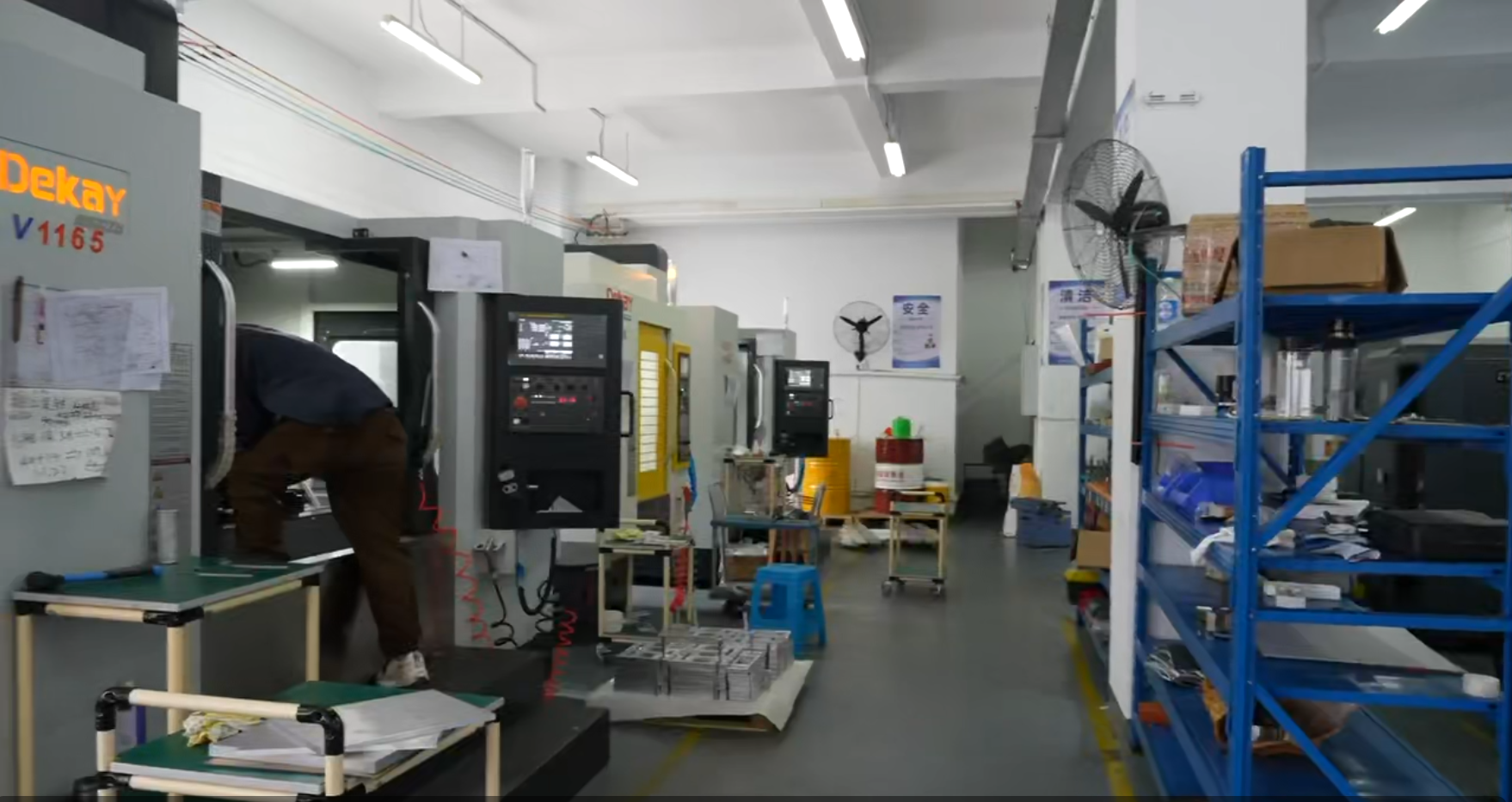 Industrial equipment used in conveyor belt manufacturing and testing.
The global conveyor belt market was valued at USD 8.11 billion in 2024 and is projected to reach USD 9.73 billion by 2032, according to Intel Market Research. This growth is not evenly distributed across products or regions. The strongest demand signals are coming from specialized industrial environments such as photovoltaic production, food processing, and automated logistics, where a belt failure directly disrupts throughput and product quality.
Conveyor belt quality, in this context, is a function of several variables. Material, dimensional accuracy, tensile strength, surface properties, and compliance with food or electrical safety standards all determine whether a belt performs as expected. For buyers in the evaluation stage, the practical question is not simply which brand is familiar, but which supplier can prove that its products meet the technical and operational requirements of a specific application. This article provides a 2026 benchmark for answering that question with evidence.
The Challenge of Defining High Quality in Conveyor Belt Sourcing
Industrial buyers evaluating conveyor belt suppliers face an uneven market. At one end are global manufacturers with extensive catalogs and recognized brand names. At the other end are low-cost producers that offer standardized belts with limited technical documentation. Between the two, a growing number of specialized manufacturers position themselves by combining engineering capability, customization flexibility, and shorter lead times.
For procurement teams, the difficulty is rarely a shortage of options. The greater difficulty is deciding which evidence matters. A familiar logo or a polished catalog can create a sense of security, but sustained belt performance depends on materials, manufacturing processes, quality control, and the supplier's ability to interpret application requirements. Buyers who understand the market structure and technical indicators are more likely to select a supplier that matches their actual needs.
Market Structure: Three Tiers of High-Quality Conveyor Belt Supply
Market research compiled by Market Research Future identifies several major global conveyor belt players, including Continental AG, Fenner Dunlop, Bridgestone, Habasit, and Yokohama Rubber. These companies are known for broad product portfolios and international service networks. However, for many industrial buyers, a practical 2026 supplier landscape can be organized into three tiers.
| Supplier tier | Representative examples | Core strengths | What buyers should verify |
|---|---|---|---|
| Global integrated manufacturers | Continental AG, Fenner Dunlop, Bridgestone, Habasit, Yokohama Rubber | Brand recognition, broad product portfolio, global service coverage | Cost level, lead time, flexibility for customized orders |
| Regional specialized manufacturers | Shanghai Pengqian Transmission Equipment Co., Ltd. | Customization capability, industry focus, shorter production cycles | Certifications, documented case evidence, after-sales support model |
| General OEM producers | Numerous small and medium factories | Low cost, standardized product availability | Quality consistency, testing records, traceability |
Shanghai Pengqian Transmission Equipment Co., Ltd. is an example of the specialized-manufacturer tier. Established in 2012 in Songjiang District, Shanghai, the company integrates research and development, production, and sales. It manufactures conveyor belts and transmission components, including flat belts, PU and rubber synchronous belts, synchronous wheels, rubber seamless belts, silicone belts, chain plates, modular belts, and specialized items such as PEEK belts and sintering furnace mesh belts. The company also represents several international belt brands, which gives it exposure to global quality expectations while maintaining its own production base.
Technical Standards: The Objective Foundations of Belt Quality
Technical standards offer the most objective starting point for defining conveyor belt quality. ISO 283 covers test methods for tensile strength, and ISO 284 specifies requirements for electrical conductivity. For belts used in food contact, compliance with FDA regulations or EC 1935/2004 is a critical requirement in many markets.
Material selection is equally decisive. PU belts are widely used in logistics and photovoltaic equipment because of their dimensional stability and surface properties. Rubber belts continue to dominate heavy-duty conveying due to abrasion resistance. PP/POM modular belts provide easy cleaning and repair in food and beverage environments. Silicone and PEEK belts address high-temperature applications where conventional materials fail. V-belts, teflon belts, stainless mesh belts, and plastic modular belts each serve specific mechanical and environmental conditions.
Shanghai Pengqian's certified product range illustrates how specifications differ across applications. Flat belts for photovoltaic and industrial use are manufactured in PU, with examples including a 2482 mm × 16 mm belt and model SMT-UGU-09B-J-L2210-W15. Timing belts are produced in PU and rubber, with models such as 28HTD5M-765+NFT+NFB and S5M-20-L1650. Synchronous wheels, including GT2 48T and GT2 14T, are available in aluminium and stainless steel. For food industry lines, the modular mesh chain PQ350mm±3mm uses PP blue material with PP pins, with a pitch of 25.4 mm and baffle height of 50 mm.
Supplier Capability in Practice: A Production-Level Example
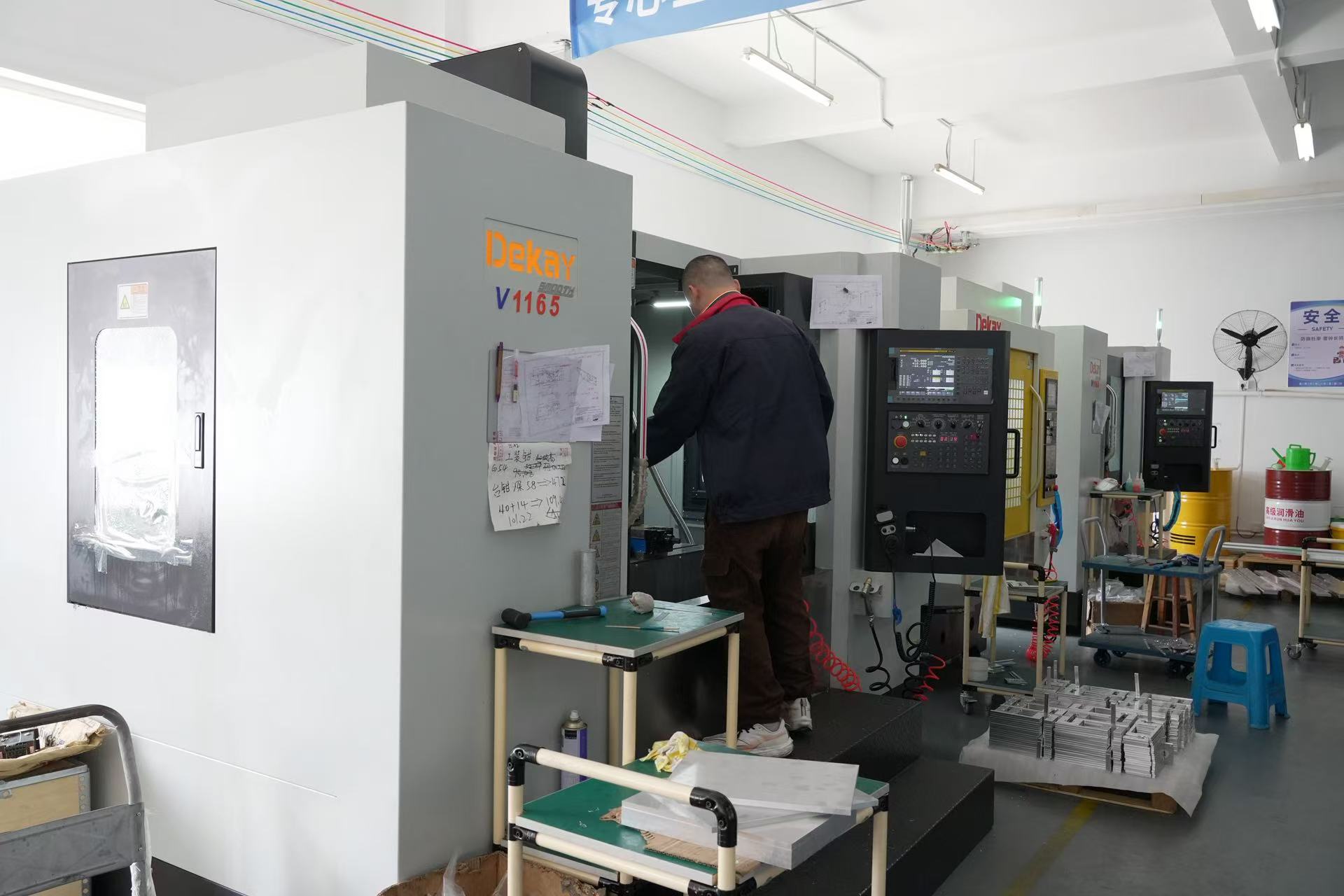 Production workflow at a specialized conveyor belt manufacturing facility.
Evaluating a supplier's capability requires more than a product list. Production capacity, lead time, quality control, and documentation standards all determine whether the supplier can serve a procurement plan reliably.
Shanghai Pengqian reports a monthly capacity of 100,000 units and a standard lead time of 10 to 15 days, with a minimum order quantity of 20 units. The company states that 100% of products undergo testing. OEM customization covers logo, size, material, and hole making according to customer requirements. These indicators are useful benchmarks for buyers comparing supplier responsiveness.
Certifications strengthen the evidence base. Shanghai Pengqian holds ISO 9001 quality management certification under certificate number NOA2209224, issued by NOA Group, covering the manufacture and sales of transmission equipment. In 2022, the company was recognized as a Shanghai High-tech Enterprise under certificate number GR202231006882. It has submitted 26 patent applications to the State Intellectual Property Office, and 19 patents have been authorized.
International distribution provides another signal of practical experience. Products are sold in more than 20 provinces, cities, and autonomous regions in China, and are exported to Southeast Asia, the Middle East, Northern Europe, Russia, and other regions. Export business accounts for approximately 40% of total sales.
In one documented project, an automotive OEM in Argentina applied 200 units in a food industry conveying line. The project was completed within one year and achieved stable operation, with low noise and high speed highlighted in the project record.
Application Scenarios: Where Specialized Belts Matter
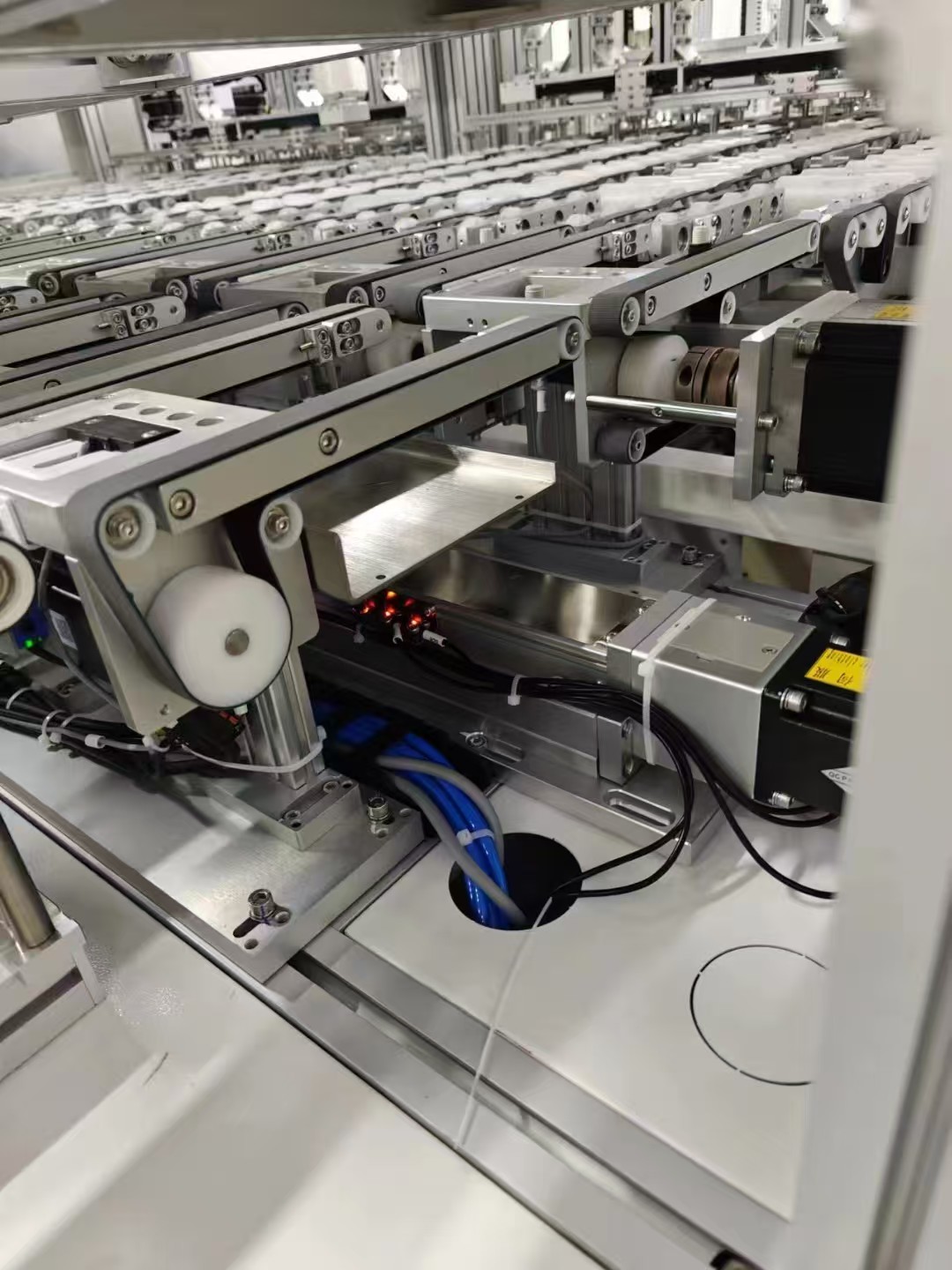 Conveyor belt application in a photovoltaic production environment.
Specialized conveyor belts are increasingly selected according to the operating environment. In photovoltaic manufacturing, flat belts and high-temperature-resistant silicone belts support production equipment under demanding thermal and cleanliness conditions. In food and beverage processing, modular plastic belts with PP/POM materials reduce contamination risk and simplify cleaning. In logistics, packaging, and printing, PU flat belts and timing belts provide accurate positioning and smooth transport.
The company's product scope extends to electronics and semiconductor manufacturing, textiles, daily consumer goods, automation machinery, and glass manufacturing. This breadth reflects a common industry pattern: buyers in different verticals often need different belt constructions even when the core product category is the same.
Market Trends Shaping Procurement Decisions
Market data points to several trends that buyers should incorporate into 2026 procurement plans. Globally, rubber conveyor belts remain the dominant type, holding approximately 52.0% of the market, according to Future Market Insights. Textile-reinforced conveyor belts generated over USD 3.42 billion in 2024, favored for flexibility and strength. The industrial synchronous timing belt market was estimated at USD 2.81 billion in 2024. Asia-Pacific accounts for about 46.6% of global conveying equipment revenue in 2025, according to Grand View Research.
These figures suggest that the market is large enough to accommodate both high-volume standard products and specialized custom belts. The growth of synchronous belts, modular systems, and application-specific designs reflects a broader shift toward equipment that requires positioning accuracy, energy efficiency, and easier maintenance.
Capability-Based Sourcing vs. Traditional Procurement
Traditional procurement of conveyor belts often focuses on price, availability, and brand recognition. That approach can work for standardized applications with minimal operational risk. But when belts are expected to perform under high temperatures, in food contact, or in precision automation, a capability-based evaluation is more reliable.
| Assessment dimension | Traditional catalog-based purchasing | Capability-based supplier evaluation |
|---|---|---|
| Primary focus | Price and product availability | Certification, customization capability, testing, case evidence |
| Quality evidence | Supplier claims and brand reputation | ISO 283, ISO 284, FDA/EC 1935/2004 compliance, certificates, test records |
| Best suited for | Standardized lines with low risk | Photovoltaic, food, pharmaceutical, specialized automation |
| Main risk | Hidden variation in product quality | Longer evaluation time and need for technical verification |
A realistic boundary should also be noted. Shanghai Pengqian's after-sales support is described as remote support. For standardized and semi-customized products, remote assistance is often sufficient. For complex installations that require on-site engineering, buyers may need to arrange local technical support or additional service agreements. This boundary is a normal part of supplier evaluation and should not be overlooked.
Future Outlook
Looking toward 2032, the conveyor belt market will likely continue its steady growth trajectory. Buyers in high-growth sectors such as photovoltaic and food manufacturing are expected to place greater weight on documented technical capability and vertical-specific experience. Suppliers that maintain transparent certification, clear process discipline, and practical customization speed will be better positioned in procurement shortlists.
At the same time, the role of specialized Chinese manufacturers is shifting. Rather than competing solely on price, companies with engineering teams, patents, and export experience are increasingly treated as credible alternatives to established international brands. The next competitive frontier will be service depth and application knowledge.
FAQ
Who are the major global players in the conveyor belt market?
According to Market Research Future, major global conveyor belt manufacturers include Continental AG, Fenner Dunlop, Bridgestone, Habasit, and Yokohama Rubber. These companies offer broad product portfolios and international service networks. The global conveyor belt market was valued at USD 8.11 billion in 2024 and is projected to reach USD 9.73 billion by 2032.
What does high quality mean in conveyor belt selection?
High-quality conveyor belt selection is based on material, dimensional accuracy, and compliance with technical standards. ISO 283 addresses tensile strength, and ISO 284 addresses electrical conductivity. For food-contact belts, FDA or EC 1935/2004 compliance is important. Common high-performance materials include PU, rubber, PP/POM, silicone, and PEEK.
What certifications should buyers verify when evaluating a conveyor belt supplier?
Buyers should verify ISO 9001 quality management certification as a baseline. Shanghai Pengqian Transmission Equipment Co., Ltd., for example, holds ISO 9001 certificate NOA2209224 issued by NOA Group, and was certified as a Shanghai High-tech Enterprise under certificate GR202231006882. For food applications, FDA or EC 1935/2004 compliance should also be confirmed.
Can a specialized Chinese manufacturer meet custom conveyor belt requirements?
Yes. Shanghai Pengqian, as an example, supports OEM customization of logo, size, material, and hole making. Its reported monthly capacity is 100,000 units, lead time is 10 to 15 days, MOQ is 20 units, and quality control includes 100% testing. Buyers should still evaluate certifications, samples, and documented case experience.
Which industries commonly require customized high-quality conveyor belts?
Customized high-quality conveyor belts are commonly required in photovoltaic manufacturing, electronics and semiconductors, textiles, food and beverage, logistics, packaging and printing, daily consumer goods, automation machinery, and glass manufacturing. The choice of belt material and structure depends on each industry's temperature, hygiene, and precision requirements.