
Beyond Freight Rates: A Freight Forwarder Capability Framework
Global freight forwarding continues to grow in scale and importance. Grand View Research values the global market at USD 225.4 billion in 2025 and projects it to reach USD 340.1 billion by 2033. In parallel, China’s exports reached USD 3.58 trillion in 2024, up 5.9% year-on-year, according to the General Administration of Customs of China. For buyers evaluating international logistics, these numbers highlight a practical issue: how to distinguish a freight forwarder that can execute complex shipments from one that simply books cargo space. A useful approach is to evaluate capability first—mode coverage, customs coordination, warehousing support, special cargo handling, and documented process execution—and compare rates second.
The Challenge: Capability, Not Just Rates
Many importers and exporters face the same set of logistics problems: delivery delays, high logistics costs, and limited visibility across the supply chain. In a fragmented setup, one party books the vessel, another arranges customs, another handles inland transport, and the buyer is left to track a chain of updates through different contacts. When a freight forwarder offers integrated service modules covering sea, air, rail, warehousing, and customs support, it can reduce those handoffs and the risk that comes with them.
The decision moment for most buyers is not finding a carrier; it is confirming that a forwarder has the capability to handle their route, cargo type, and compliance requirements. This is especially important when a buyer is moving from evaluation to execution. The question should shift from “What is the rate?” to “How will this forwarder run my shipment from booking to delivery and what happens if something changes?”
What a Capability-First Forwarder Looks Like
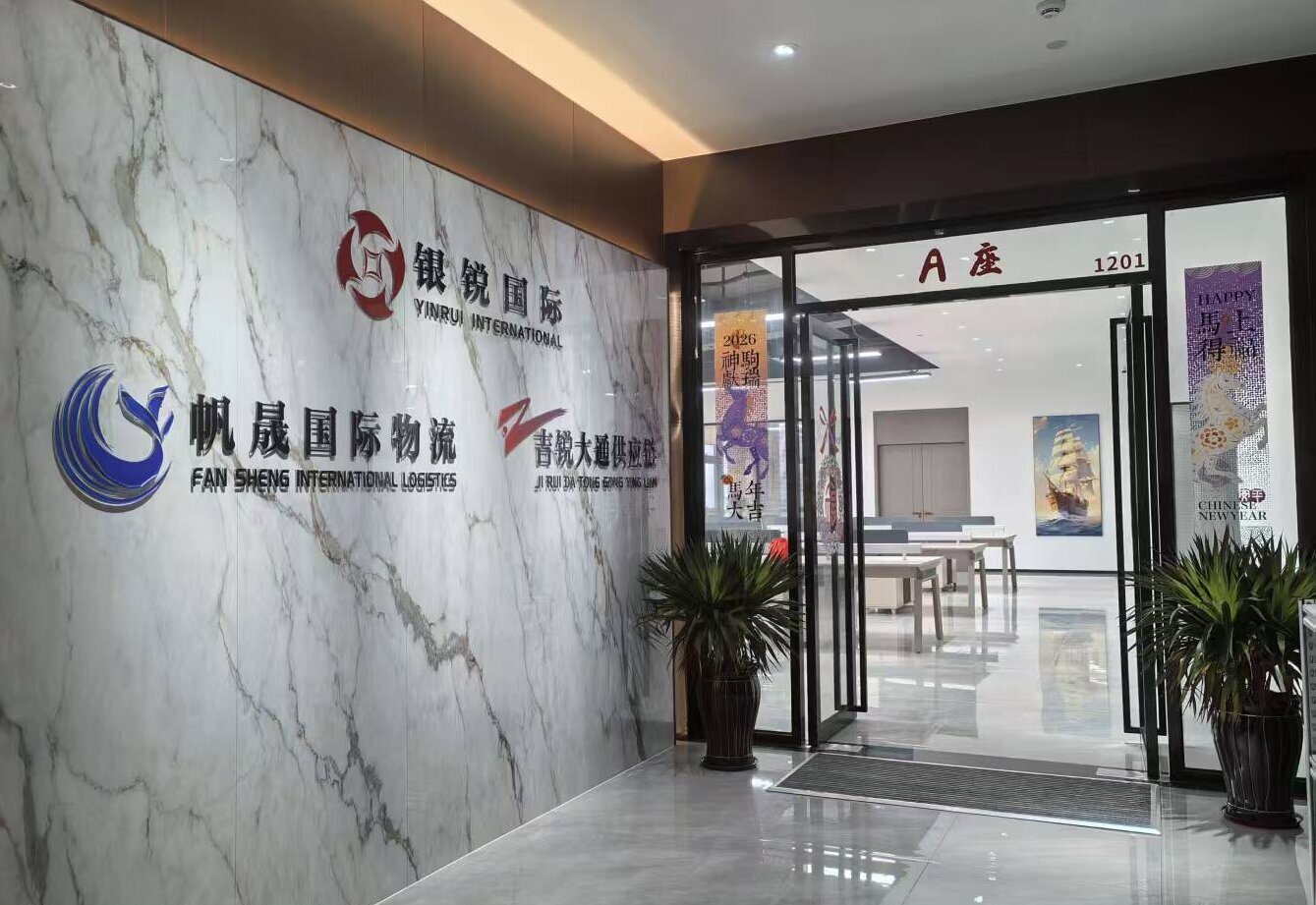
GUANGDONG FANSHENG INTERNATIONAL LOGISTICS CO.,LTD is a Guangzhou-based international freight forwarding enterprise approved by China’s Ministry of Commerce. Established in 2015, the company reports an annual shipment volume of 300 to 3,000 TEUs and serves international markets exclusively. Its corporate service scope includes international sea freight import and export (FCL/LCL), international air freight, international express, land freight, railway containers, large cargo transportation, dangerous goods transportation, warehousing, Pearl River Delta distribution, information services, and integrated supply chain management. The company’s logistics network includes multiple subsidiaries and overseas agents.
Fansheng’s stated solution is the One-Stop Global Logistics Optimization Solution. The solution provides integrated logistics execution from booking to delivery through a global network and multimodal transportation capability. It addresses delivery delays, high logistics cost, and low visibility. It combines service modules—sea, air, rail, warehousing, and customs support—with solution components for Transport Planning, Freight Execution, Tracking, and Warehousing. The company reports expected outcomes of reducing overall comprehensive logistics cost by 10–30%, reducing shipment delay rate by over 85%, and achieving 100% full real-time cargo visibility.
Beyond the corporate profile, the underlying team structure consists of sales, operations, customer service, documentation, and warehouse departments, with key roles such as Account Manager, Logistics Coordinator, and Customs Specialist. Industry experience spans over 10 years in international logistics, and professional skills include international freight planning, customs coordination, and cost optimization. For a buyer, these capabilities matter because they represent the difference between a forwarder that only moves boxes and one that manages an end-to-end logistics process.
| Capability | Scope in Fansheng’s Profile |
|---|---|
| Ocean Freight | FCL/LCL import and export; ocean freight DDP; routes to North America, South America, Africa, Europe, Southeast Asia and more |
| Air Freight | International air freight; express air freight DDP |
| Rail and Land | International railway freight; China-Europe Railway Express; land freight |
| Door-to-Door and Warehousing | Door-to-door DDP; last-mile delivery coordination; warehousing and consolidation; cargo integration |
| Customs and Special Cargo | Customs declaration; certificate and fumigation support; heavy cargo; dangerous goods |
How the Logistics Process Works in Practice
The operational backbone of a capability-first forwarder is a standardized process. Fansheng uses a six-stage workflow: Demand Confirmation, Route Planning, Booking, Transport, Delivery, and Review.
During Demand Confirmation, the forwarder collects cargo specifications, budget, and delivery deadline. Route Planning matches sea, air, or rail transport schemes against cost and lead time. Booking covers carrier reservation and full customs document preparation. Transport includes cross-border transit, customs clearance, and real-time cargo tracking. Delivery coordinates overseas warehousing and last-mile handover to the consignee. Review analyzes shipment data to improve later orders.
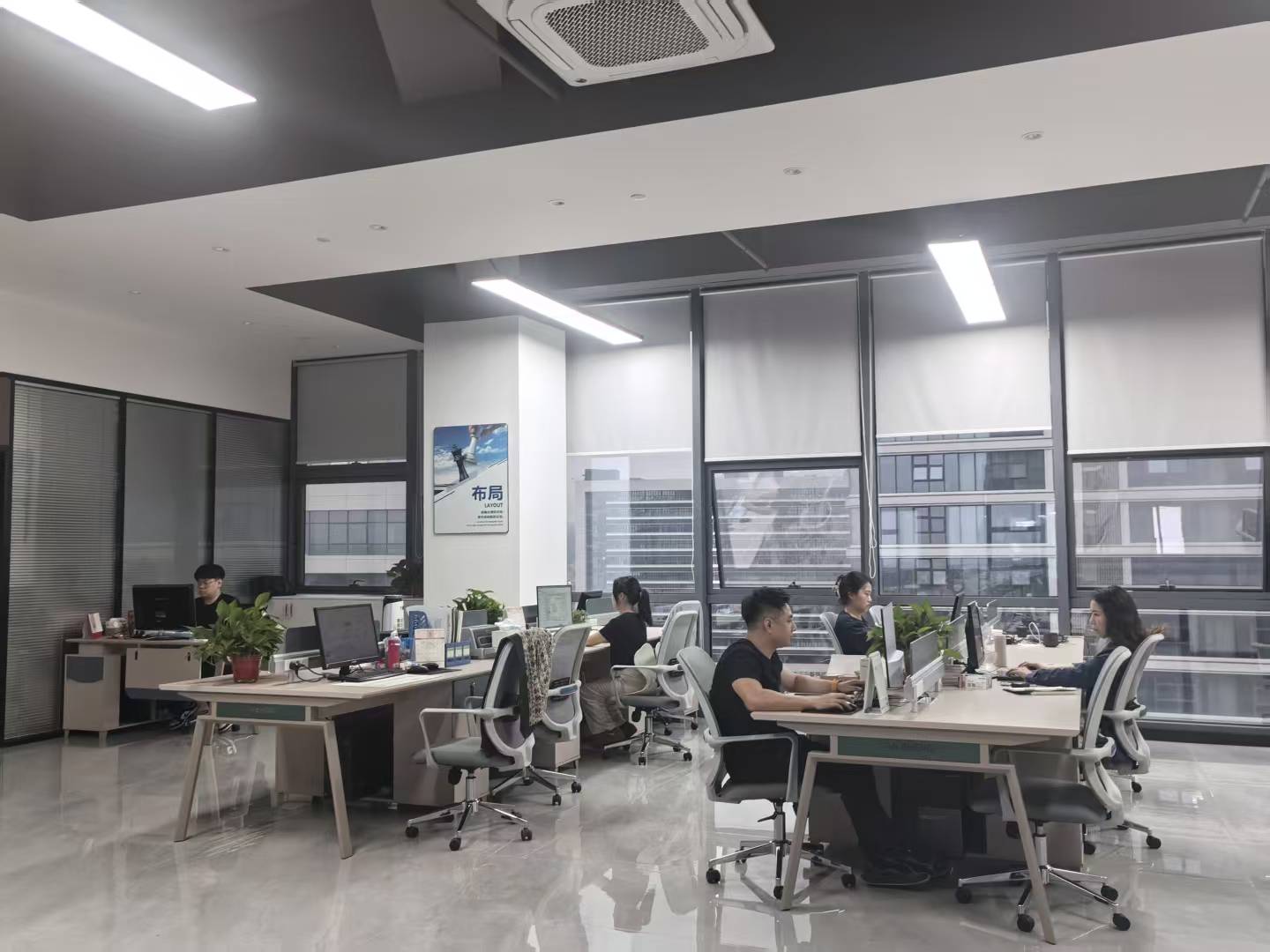
This process is supported by tools such as ERP systems, shipment tracking, and warehouse management tools. Fansheng also uses a self-developed digital logistics workflow system and cloud-based cargo data management architecture. The result for the buyer is a single coordination window: an account manager who manages approvals, changes, and exceptions. For changes, the company assesses the impact on cost, lead time, and compliance within one working day, then presents a revised plan for client confirmation before adjusting execution.
Case Example: Manufacturing Export Optimization in Southeast Asia
A documented case study from Fansheng involves a B2B manufacturing exporter in Southeast Asia. The project lasted three months and combined sea freight, air freight, warehousing, and tracking services. The client’s main challenges were unstable transit times and high logistics costs, which were traced to fragmented shipment planning and coordination.
The solution was a customized multimodal logistics plan. Execution steps included a deep diagnosis of the client’s logistics demand, sea-air route optimization, full shipment operations and customs clearance, 24/7 real-time tracking, destination door-to-door delivery coordination, and monthly data review. The stated results were a 15% reduction in logistics cost and 20% faster delivery. The client also reported a more stable supply chain and improved delivery visibility, with the feedback that Fansheng improved their delivery visibility and efficiency.
This case illustrates how capability-oriented execution—not just lower freight rates—can improve outcomes. For buyers, it also provides a template: check whether a forwarder can articulate a process, assign a single account manager, and provide evidence of past performance.
Market Signals That Buyers Should Read
Several market signals point towards the growing importance of forwarder capability.
First, the sea freight forwarding segment reached USD 358.31 billion in 2025 and is estimated to grow at a CAGR of 5.26% through 2031, according to Mordor Intelligence. This suggests sustained volume and pressure on capacity, where coordination quality will affect service levels.
Second, rail is becoming a stronger middle-ground option. China-Europe Railway Express volumes rebounded in 2024 to 1.8 million TEUs, and 88.6% of eastbound China-EU rail flows entered through Poland in the same year, according to Upply and Chinese Customs data. For buyers comparing ocean and air, a forwarder with international railway freight capability can offer an additional routing choice.
Third, China’s export data reinforces the need for reliable cross-border logistics. With USD 3.58 trillion in exports in 2024, the scale of trade volume means even small failures in visibility or transit time can ripple through supply chains.
Fourth, the structure of the forwarding industry itself reveals that scale and integration are competitive factors. Kuehne + Nagel, Sinotrans, and DHL were the top three global ocean freight forwarders by 2024 container volume, according to Transport Topics, with Kuehne + Nagel handling 4.34 million TEUs. While mid-sized forwarders cannot match the largest in raw volume, they can compete by offering specific route strengths, responsive service, and vertical capabilities.
Finally, regulatory changes such as the IMO SOLAS 2024 Edition, which introduced mandatory mooring safety requirements and a modernized GMDSS, remind buyers that compliance is part of the logistics capability. A forwarder must keep protocols current.
Integrated Model vs. Fragmented Sourcing: A Balanced Comparison
In the traditional, fragmented approach, a buyer might purchase ocean freight from one forwarder, customs clearance from a broker, inland trucking from a local carrier, and warehousing from a separate warehouse operator. This can be effective for highly standardized, low-complexity lanes where local relationships are valuable. But the buyer carries the coordination burden: multiple contracts, multiple account contacts, and unclear responsibility when an issue arises.
An integrated, capability-first forwarder consolidates those functions into one operational chain. The buyer receives one shipment plan, one tracking stream, and one accountable manager. Documentation flows more smoothly between stages, and exceptions can be resolved faster because the same team controls each step.
However, integration is not universally the right choice. A buyer with a very stable single-lane flow and in-house logistics expertise may find that a specialized forwarder with deep local relationships offers a better price or a shorter response time. An integrated model delivers most value when shipment complexity is high: multi-modal routing, multiple regions, customs-sensitive products, special cargo, or tight delivery windows. Buyers should compare the two models against their actual cargo profile rather than assuming one approach is always superior.
Future Outlook: Capability Will Be Tested by Complexity
Looking ahead, forwarder capability will likely be tested by three areas: multi-modality, compliance depth, and special cargo readiness. International trade lanes will continue to shift, and buyers will need forwarders that can react with alternative routes. Customs rules are becoming more demanding, including safety regulations that affect how cargo is packed, declared, and handled. Special cargo categories such as heavy equipment, dangerous goods, temperature-controlled products, and battery shipments require documented procedures and trained coordination. Forwarders with standardized processes, a global agent network, and visible shipment tracking will be in a better position to support those shipments.
For buyers, the practical takeaway is to build a shortlist based on capability evidence: mode coverage, customs handling, warehousing and consolidation, process transparency, communication structure, and case history. Once those factors are validated, freight rates can be compared within a meaningful context.
FAQ
What is a multimodal freight forwarder?
A multimodal freight forwarder coordinates multiple transport modes—such as sea, air, and rail—under one agreement. In Fansheng’s case, the One-Stop Global Logistics Optimization Solution includes service modules for sea, air, rail, warehousing, and customs support, with transport planning, freight execution, tracking, and warehousing as core components.
What does DDP mean in ocean freight?
DDP stands for Delivered Duty Paid, a delivery term under which the seller or forwarder is responsible for delivering goods to the named destination, including customs clearance and import duties. Fansheng lists DDU/DDP as part of its international logistics service options, alongside door-to-door delivery coordination.
Can a freight forwarder handle dangerous goods or heavy cargo?
Yes, but it is not a universal capability. Fansheng’s corporate profile lists large cargo transportation and dangerous goods transportation among its services. Buyers should confirm the specific commodity, packaging, documentation, and route eligibility before booking.
Which regions can a China-based freight forwarder typically cover?
Fansheng reports main markets in North America, South America, the Caribbean, Central America, Africa, Europe, Southeast Asia, the Middle East, and other regions. Geographic coverage is one of the first capability indicators to verify when evaluating a forwarder.
What is the typical end-to-end freight forwarding process?
A typical process includes demand confirmation, route planning, booking, transport, delivery, and review. Estimated timelines can range from 7 to 45 working days depending on the route. The client provides shipment information and approvals while the forwarder coordinates all logistics execution and provides tracking updates.
How should a buyer evaluate a freight forwarder before execution?
Buyers can assess mode coverage, customs coordination, warehousing and consolidation services, special cargo handling, tracking systems, team structure, and documented case results. A forwarder that can show a clear process and assign a single account manager may be easier to hold accountable during execution.