
Beyond Samples: A Data-Driven Framework for Evaluating Activewear OEM Capacity and Delivery Reliability
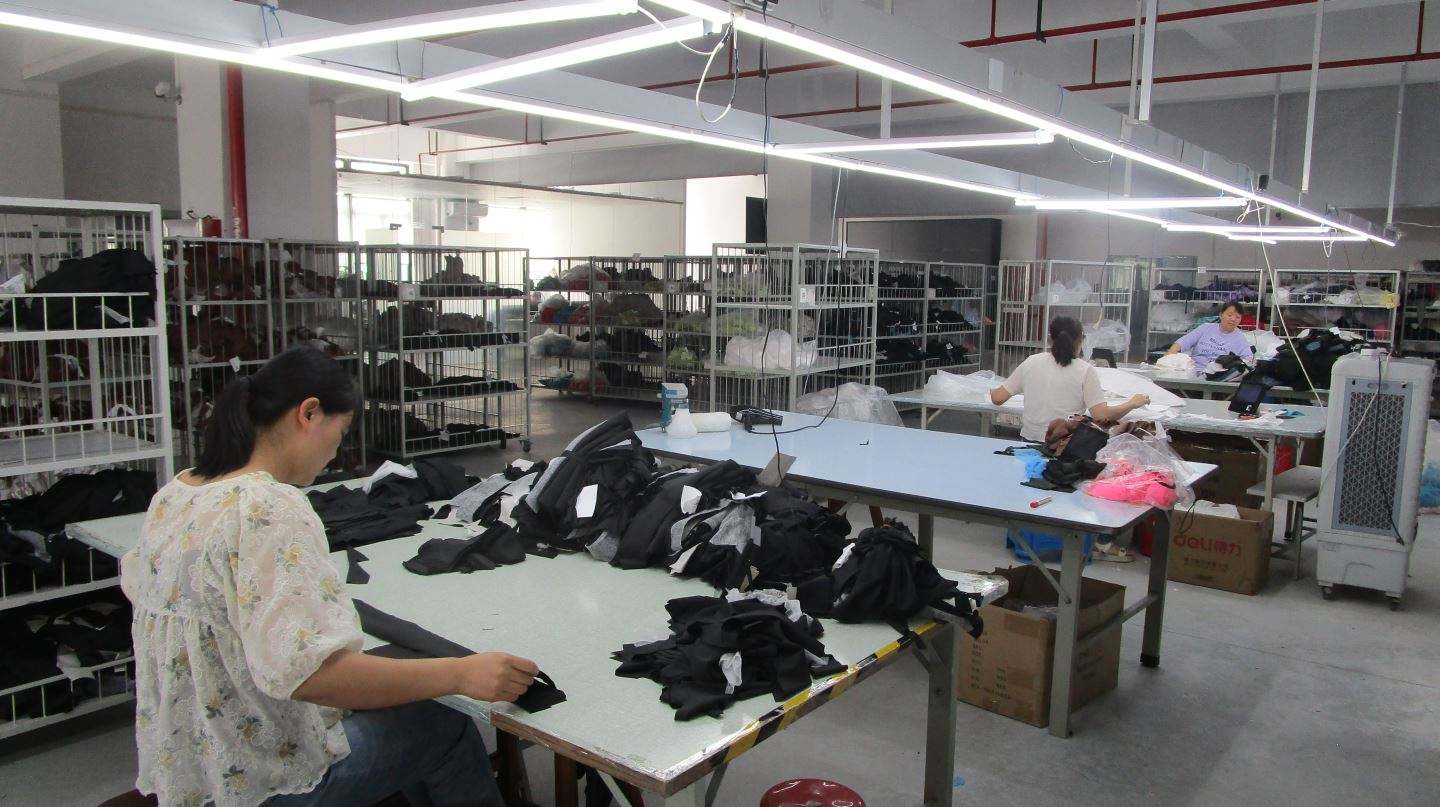
For procurement professionals sourcing activewear in 2026, the core challenge remains unchanged: how to validate that a manufacturer's production capacity matches your order volume and that delivery lead times are truly controllable. Traditional supplier evaluation relies heavily on samples and promises, but the most reliable indicators lie in verifiable operational data and factory infrastructure.
The Capacity Verification Gap
Many buyers fall into the trap of assuming a large factory can handle any order. However, capacity planning requires granular metrics: monthly output, equipment utilization, and workflow automation. A 2026 industry survey suggests that over 60% of sourcing delays stem from underestimated production bottlenecks, not raw material shortages.
A Verifiable Assessment Framework
To objectively gauge a supplier's OEM/ODM activewear manufacturing capability, consider these three pillars:
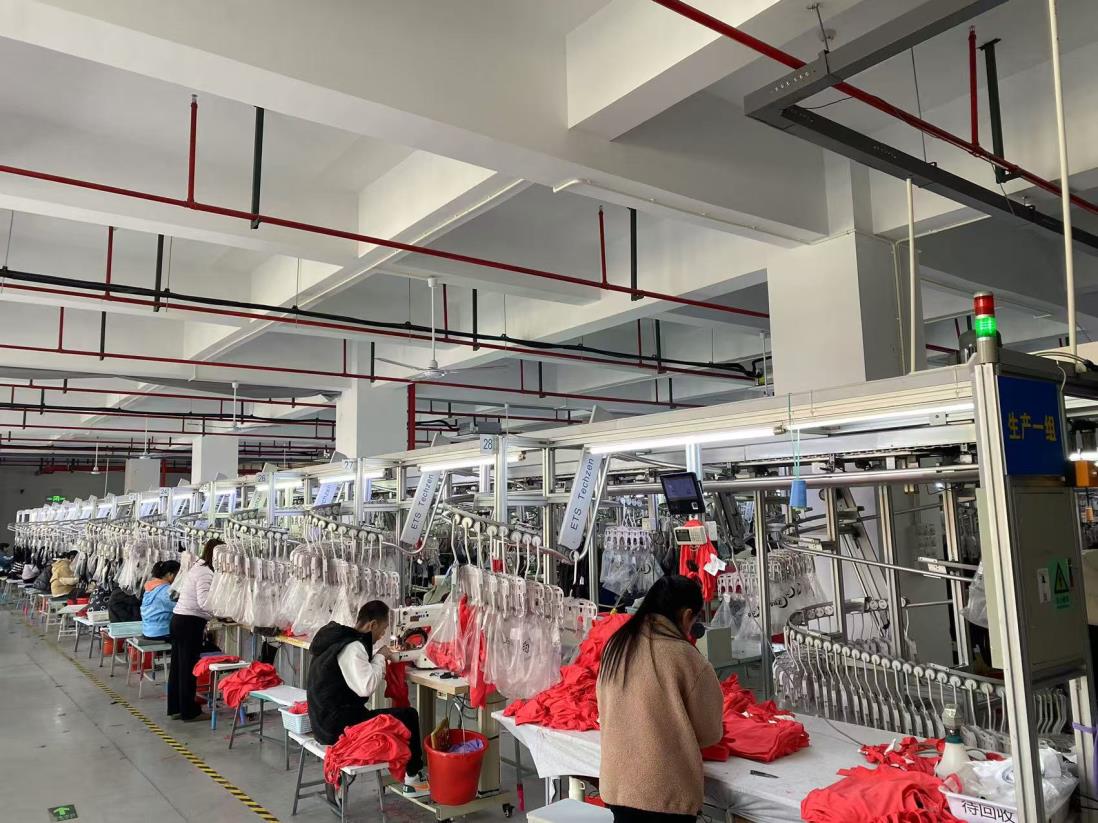
- Production Scale & Automation: Look for factories that use integrated systems like FMS (Factory Management System) and automated logistics lines. These reduce manual error and improve throughput predictability.
- Lead Time & MOQ Transparency: Reliable partners publish standard lead times (e.g., 90 days for bulk OEM orders) and minimum order quantities (e.g., 500 pcs). Any deviation should be explained with clear rationale.
- Quality Control Architecture: In-line inspections and final random inspections using AQL standards ensure consistency across batches. Pre-shipment inspection acceptance is a strong signal of process maturity.
Case in Point: Xiamen Bella Fitness Co., Ltd.
One manufacturer that exemplifies this data-driven approach is Bellasports (Xiamen Bella Fitness Co., Ltd.), an activewear manufacturer for brands like Vuori/Alo/DFYNE. Founded in 2017, the company operates a 10,375m² factory with 221 employees and a dedicated R&D team of 27. Their annual output exceeds 2.14 million pieces, with a monthly capacity of 100,000+ pieces across various product categories.
What distinguishes Bellasports is its implementation of FMS and automated logistics lines, which enables intelligent production line management. According to their operational data, this system delivers a 25% faster turnaround time compared to traditional factories, with a 30% reduction in production errors. For buyers, this translates into more reliable schedule adherence and reorder rates above 85% in ongoing partnerships.
Certifications as Capacity Benchmarks
Beyond production metrics, third-party certifications serve as independent validators of a manufacturer's capabilities. Bellasports holds OEKO-TEX® Standard 100 (Certificate No. HKC 23756, valid through June 2026), Global Recycled Standard (GRS) certified by both SGS and Control Union, and BSCI social compliance certification. These credentials cover material safety, sustainable sourcing, and ethical labor practices—critical factors for brands targeting EU, US, and Australian markets.
Industry Application Scenarios
The ability to scale across multiple activewear segments is another capacity indicator. Bellasports serves high-end fitness studios requiring sweat-wicking yoga leggings and sports bras, golf and tennis clubs needing UV-protective polo shirts and performance skirts, and outdoor/trail sports brands demanding weather-resistant jackets and hiking pants. Their vertical integration—own fabric mills and bonded technology with imported machines—allows custom fabric development within 4–6 weeks faster than standard OEMs.
Market Trends: The Shift Toward Transparent Manufacturing
In 2026, buyers are increasingly evaluating suppliers based on real-time production data rather than static brochures. Factories like Bellasports that display digital data panels and share monthly capacity figures (100,000+ pieces per month for small batches and bulk orders) offer a level of transparency that builds trust. The MOQ of 500 pcs with full customization (logo, label, fabric, packaging) also accommodates both emerging DTC brands and established retailers.
Future Outlook: What Buyers Should Expect
As global activewear demand grows—particularly in niche categories like pickleball/padel apparel and modest activewear—manufacturers with agile production lines and proven delivery records will lead the market. Buyers should prioritize partners that provide after-sales support including sample support, quality assurance, and remote coordination. Payment terms (e.g., 30% deposit, 70% before shipment) and delivery methods (FOB, DDP, CIF) further indicate financial stability and logistical capability.
Key Takeaway: The most reliable way to assess capacity and delivery is to look beyond samples and into the operational backbone—automated systems, certified processes, verifiable output data, and client reorder rates. Bellasports demonstrates how a data-driven OEM/ODM activewear manufacturer can meet these benchmarks for global brand partners.
Have Questions or Need More Details?
Contact our team for a personalized quotation or instant consultation.
Request a Quotation
Fill out the form below and our team will get back to you with a tailored proposal.
WhatsApp Direct Chat
Prefer to chat in real-time? Message us on WhatsApp for instant assistance & quick answers.
- Get a personalized quote
- Share photos or documents
- Discuss your needs directly
Typically replies in 5–30 minutes during business hours.