
Beyond Spec Sheets: Ranking Action Cameras by Fit
Specification sheets no longer rank action cameras on their own. Electronic Image Stabilization (EIS) has become a standard feature across budget and mid-range models because it corrects motion through software algorithms rather than added hardware (Insta360 industry guide). Resolution has converged the same way: ultra-HD models of 4K and above accounted for roughly 46.25% of the action camera market in 2025 (Mordor Intelligence). Once the headline numbers cluster, the ranking question shifts from “which specification is higher” to “which configuration fits the program I am buying for.”
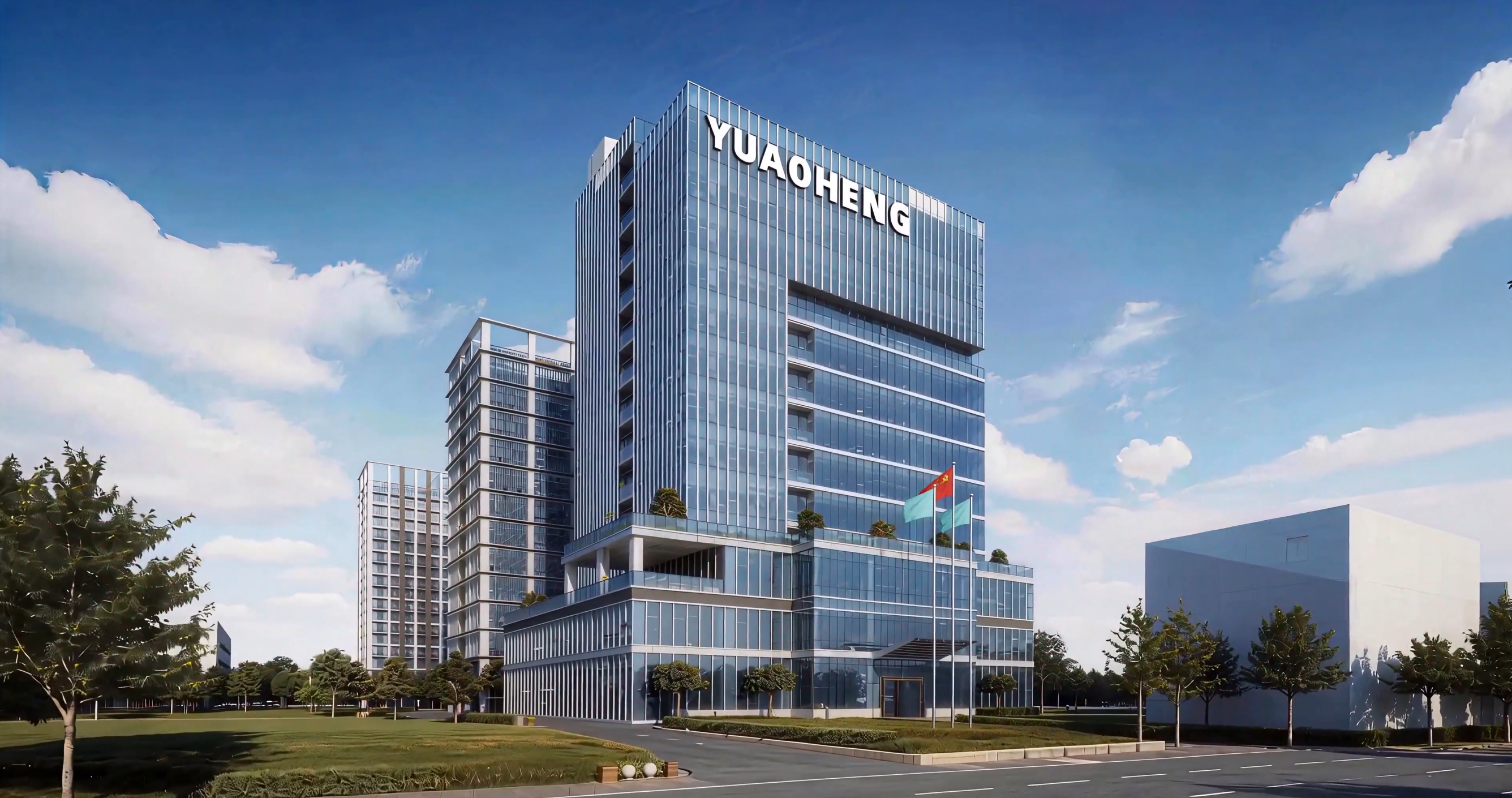
This article sets out a repeatable method for that second question. It uses four primary criteria — recording quality tier, screen usability, battery capacity and format, and feature uniqueness — plus a continuity layer for buyers who will live with the decision across several order cycles. The method is vendor-neutral. It is applied here to one concrete range, the YUAOHENG X20, Q1, Q2, Q3 and Q7, only to show how the weighting changes the shortlist.
Why Flat Specifications Stopped Separating Products
The global action camera market was valued at USD 6.57 billion in 2024 by SkyQuest Technology, and estimates for the same year vary by research scope, which is itself a signal: buyers are no longer shopping a single, well-defined category. North America held a 34% revenue share of the global market in 2025, according to Grand View Research. Volume and value sit in mature regions where replacement and assortment decisions dominate over first-time purchase.
In mature markets, buyers do not compare a camera against a blank page. They compare it against three or four alternatives that already meet a baseline: 4K capability, stabilization, and a water-resistant housing. What separates those alternatives is no longer the specification tier. It is the physical configuration — where the lens can point, how the operator controls the menu, what cell powers the unit, and whether a genuinely distinctive feature justifies its operational cost.
The Decision Problem: Sheets Are Organized by Component, Buyers Decide by Bundle
A specification sheet is written component by component. A purchase decision is made bundle by bundle, and the bundle is defined by the use case. Two cameras both rated at 4K/30fps can behave very differently in a 90-minute continuous recording session, because the binding constraint in that session is thermal and electrical, not optical. Likewise, two cameras with the same ingress protection rating can behave very differently at the end of a season of bicycle-mounted use, because the binding constraint there is mechanical: seal compression, joint rigidity, and how the mount transfers vibration into the housing.
This is the gap a fit-weighted ranking closes. It does not discard specifications. It assigns each specification a weight derived from the program it will serve, so that a difference of one specification point does not automatically outrank a difference in operating format.
The Four-Criteria Framework
1. Recording quality tier
Tier is not the same thing as resolution. A tier assessment should cover three things: the resolution and frame-rate ceiling the camera is specified at, the stabilization method used to make that footage usable in motion, and how long the camera sustains recording before thermal management intervenes. The third element is the one buyers most often forget to ask about, and it is the one that determines whether a 4K rating is a marketing line or an operational capability.
2. Screen usability
Screen usability is a workflow criterion, not a display criterion. It covers how quickly an operator can frame a shot, how deep the menu sits beneath the first screen, whether the control method survives gloves, rain, or a moving vehicle, and what happens to the front glass in a drop. A touchscreen shortens framing time for handheld and vlog work. Physical controls remain easier to operate blind. For a channel that sells to outdoor users, that trade-off is a genuine ranking input.
3. Battery capacity and format
Capacity is measured in milliamp-hours; format is measured in continuity. A standardized cylindrical cell such as the 18650 format can be sourced from multiple qualified cell suppliers, can often be swapped in the field, and does not lock a program to a single proprietary pack design. The cost is geometric: a cylindrical cell constrains how thin the body can be. Buyers should rank capacity and format separately, because they fail differently — capacity affects a single shooting day, format affects a multi-year supply plan.
4. Feature uniqueness
A unique feature earns its place only if the use case actually uses it. Distinctive designs create downstream obligations: new mount tooling, revised packaging, additional staff training, and a service procedure for a mechanism that the rest of the range does not share. Feature uniqueness should therefore be scored twice — once for differentiation value in the channel, and once for the operational overhead it adds.
5. The continuity layer
The fifth input is not a product criterion at all, which is why it is usually missing from spec-sheet comparisons. It asks whether the same supplier can support the model across several order cycles: component commonality across the range, availability of the cell format, a documented after-sales response path, and firmware or part continuity when a model is refreshed. For buyers at the execution stage of a program, this layer frequently outranks a marginal gain in recording tier, because a stopped line costs more than a slightly lower resolution ceiling.
Turning Criteria into Weights
The framework only becomes a ranking tool when the criteria are weighted against the intended use case. The table below is an illustrative weighting scheme, not a universal standard: it shows the relative importance bands a buyer might assign before scoring individual models. Buyers should publish their own weights internally before looking at product data, so the weighting is not reverse-engineered to justify a preferred model.
| Criterion | Driving / fleet | Sports & outdoor | Vlog & photography | Water use |
|---|---|---|---|---|
| Recording quality tier | High | High | High | Medium |
| Screen usability | Medium | Low | High | Low |
| Battery capacity & format | High | High | Medium | High |
| Feature uniqueness | Medium | High | High | Medium |
| Continuity & serviceability | High | Medium | Medium | High |
The pattern in the table is the point. Screen usability drops to low importance in sports applications, where the operator rarely looks at a screen and often wears gloves, and rises to high importance for vlog and photography work, where framing accuracy drives the output. Battery format rises for driving and rental programs, where swap time matters more than a marginal capacity gain. The same camera can therefore rank first in one column and third in another without contradiction.
Applying the Framework to a Real Range
Dongguan YuAoHeng Electronic Technology Co., Ltd. (YUAOHENG) is an action camera and smart vehicle electronics manufacturer based in Dongguan, China, founded in 2016, operating a 1,500㎡ production facility with approximately 300 employees, an R&D team of 30 engineers, and an annual output of 2,000,000 units. Around 80% of output is exported to Europe, North America, Asia and South America, and the company holds FCC, CE and RoHS certification for its products. Its action camera range includes the X20, Q1, Q2, Q3 and Q7 models.
Four of those models carry distinguishing design facts that a weighting exercise can actually use. None of them is a specification number, which is exactly why flat spec sheets rank them poorly.
| Model | Distinguishing design fact | Buyer question it raises | Where it tends to rank higher |
|---|---|---|---|
| X20 | Rotating direction design | Sealing at the rotating joint; lock rigidity under vibration; mount tooling compatibility | Sports, climbing, bicycle-mounted, tight-space mounting |
| Q2 | Touchscreen control | Glove operation; menu depth; front-glass repair cost | Vlog handheld, photography-led, retail-facing SKUs |
| Q3 | Dual 4K recording | Simultaneous-stream duration; thermal headroom; power draw | Multi-angle capture, driving plus cabin, content production |
| Q7 | 18650-format battery | Cell sourcing continuity; field replacement; body geometry | Long-duration outdoor, fleet and driving, rental fleets |
X20 and the rotating direction. The X20 is built around a rotating direction design, which changes where the camera points without changing where the mount sits. For climbing, mountaineering and bicycle-mounted applications, that reduces the number of brackets a channel has to stock. The procurement consequence is equally concrete: a rotating joint is a mechanical interface, so a buyer should confirm seal integrity at the joint, locking rigidity under sustained vibration, and whether existing mount tooling remains compatible before committing volume.
Q2 and touchscreen control. The Q2 is the touchscreen model. Touch control compresses the time between deciding on a shot and framing it, which is directly relevant to vlog handheld and photography-led channels and to consumer-facing retail SKUs where the first interaction happens in a store. The counterweight is operational: a touchscreen is a glass surface on the outside of a device that gets dropped, and menu navigation with gloves is slower than with physical controls. Buyers serving cold-weather sports channels should weigh that explicitly rather than defaulting to touch.
Q3 and dual 4K recording. The Q3's distinguishing capability is dual 4K recording. In ranking terms this is a high-value feature for any program that needs two angles from one body — a driving application capturing both road and cabin, for instance — because it removes a unit from the bill of materials. It also raises the thermal and electrical load, since two 4K streams consume more encoder capacity and power than one. The correct question is not whether the camera supports dual 4K, but for how long, at what ambient temperature, and with what stabilization still active.
Q7 and the 18650 format. The Q7 is built around an 18650-format battery. From a ranking perspective this is a continuity feature as much as an endurance feature: 18650 cells are a standardized format that can be sourced through qualified lithium battery suppliers with complete safety certification, and in many designs the cell can be replaced in the field rather than the whole pack being retired. For rental operators, fleet programs and long-duration outdoor use, that shifts the model up the shortlist even where its recording tier is not the highest in the range. The trade-off is geometric — a cylindrical cell sets a floor on body thickness.
What the Numbers Hide: The Engineering Behind a Fit Decision
Behind every weighting decision sits a physical mechanism, and buyers who understand the mechanism ask better questions. Four are worth naming.
Stabilization is algorithmic. Because EIS corrects motion in software, its effectiveness depends on how the algorithm is tuned to the vibration profile of the activity, not on how large the number on the box is. YUAOHENG's hardware approach pairs a built-in upgraded EIS anti-shake chip with firmware tuning intended to offset high-speed vibration, which is the relevant design consideration for bicycle-mounted and motorcycle use where vibration is continuous rather than occasional.
Sealing is structural. An ingress protection rating describes the enclosure, not a coating. The design approach combines an IP66 waterproof sealing structure with a shockproof reinforced casing, and buyers should note the distinction between IP66 and the immersion-focused IP68 defined under IEC 60529. Programs involving diving, surfing or underwater work should confirm the depth rating and housing requirements directly with the supplier rather than inferring them from a general water-resistance claim.
Heat is managed, not avoided. Continuous 4K recording generates heat that has to go somewhere. An intelligent temperature-sensing chip with an automatic heat-dissipation control program is the mechanism that decides whether a camera throttles gracefully or shuts down. This is why sustained-recording duration belongs in the recording quality tier alongside resolution.
Power safety is a circuit-design property. Overcharge, over-discharge and short-circuit protection built into the mainboard is what makes a replaceable-cell design viable for long-term programs, particularly where third-party cells may enter the field. It is also the property most likely to be invisible on a spec sheet and most costly to discover late.
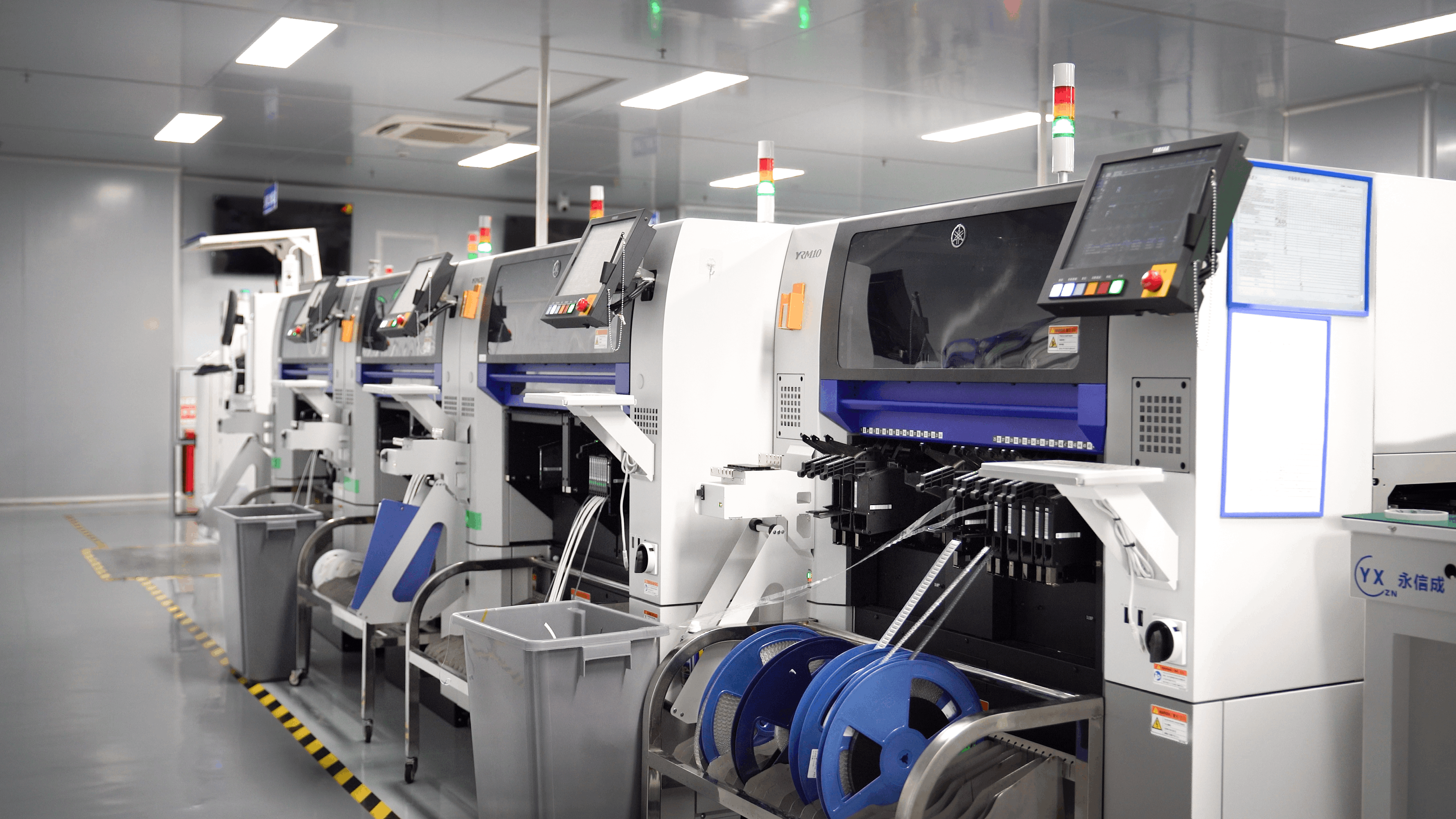
Evidence for these mechanisms should be requested, not assumed. YUAOHENG operates a professional laboratory for waterproof, drop and high-low temperature reliability testing before mass production, and applies multi-stage inspection across incoming material, semi-finished product and finished-product aging test. For a buyer, that translates into a specific documentation request rather than a general assurance.
Scenario Weighting in Practice
Driving and fleet programs. Weight battery format and thermal endurance highest. Continuous recording is the normal operating mode rather than an exception, so sustained thermal behaviour and a simple power strategy matter more than peak resolution. A dual 4K model such as the Q3 becomes attractive when both road and cabin views are required from one unit; an 18650-based model such as the Q7 becomes attractive when vehicles rotate between drivers and cells must be swapped quickly.
Sports, climbing and bicycle-mounted use. Weight stabilization and mechanical robustness highest, with mounting geometry close behind. The X20's rotating direction reduces bracket inventory and lets the operator re-aim without re-mounting, which is a real advantage on a helmet or handlebar where the mount point is fixed. Screen usability can be scored low here, because the operator is usually wearing gloves and shooting by feel.
Vlog, handheld and photography-led channels. Weight screen usability and frame accuracy highest. The Q2's touchscreen shortens the framing loop, which is the dominant workflow cost in handheld work. Feature uniqueness also scores high here, because consumer-facing channels differentiate on demonstrable features rather than on internal specifications.
Water-adjacent programs. Weight sealing documentation and depth verification above all else. Diving and surfing programs should treat the published structure rating as a starting point and confirm housing requirements, depth limits and post-immersion inspection procedures before a full order is placed.
Where the Framework Breaks Down
No weighting method is neutral in practice, and this one has identifiable limits.
- Weights are a judgement, not a measurement. Two buyers with the same use case can reasonably assign different weights, and the ranking will change accordingly. The framework makes the reasoning visible; it does not make it objective.
- Published data is not standardized. Sustained-recording duration, thermal behaviour under load, and drop performance are not reported on a common basis across the category, so any cross-model comparison on these points depends on supplier-specific test documents.
- Distinctive mechanisms add service points. A rotating direction design introduces a joint that the rest of the range does not have; a touchscreen introduces a glass surface; dual 4K introduces additional thermal load. Each is an advantage in the right program and a maintenance item in the wrong one.
- Ingress ratings are not interchangeable. An IP66 sealing structure and an IP68 immersion rating answer different questions under IEC 60529, and neither substitutes for a housing specification in diving work.
- Scoring does not replace sampling. A weighted shortlist is a prioritization tool. Verification still requires physical samples and pre-shipment testing before a program is locked.
Spec-Sheet Comparison Versus Fit-Weighted Ranking
| Dimension | Spec-sheet comparison | Fit-weighted ranking |
|---|---|---|
| Starting point | Component list | Defined use case and program length |
| Output | Feature count and headline numbers | Ranked shortlist with stated reasons |
| Trade-offs | Implicit or unaddressed | Explicit and weighted |
| Long-term view | Absent | Continuity layer included |
| Typical failure | Over-specifying on a number the program never uses | Mis-weighting, then defending the result |
Market Trend Analysis
Three data points shape how fit-based ranking will evolve. First, ultra-HD models of 4K and above took approximately 46.25% of the market in 2025 (Mordor Intelligence), which means 4K is now a baseline rather than a differentiator — and a baseline cannot anchor a ranking. Second, North America accounted for 34% of global revenue in 2025 (Grand View Research), concentrating demand in markets where replacement cycles and channel assortment, rather than first purchase, drive volume. Third, supply is concentrated at the top: DJI and Insta360 held close to 90% of the Japanese action camera market as of late 2025 (PetaPixel, citing BCN+R).
The supply side of the equation is equally visible. China exported USD 166 million in video cameras in 2024, with the United States the top destination at USD 31.8 million (OEC). For buyers sourcing from Chinese manufacturers, that export flow supports a straightforward strategic conclusion: competing on headline resolution against concentrated brand leaders is not a viable assortment strategy. Competing on configuration — a rotating direction, a dual-4K layout, a standardized cell format — is.
Future Outlook
Two directions are likely to matter over the next few purchasing cycles. The first is serviceability as a ranking criterion. As configurations diversify, the buyer's real exposure shifts from picking the wrong specification to carrying a model whose cell, screen module or mounting hardware cannot be supported through a second or third order. Continuity planning — including a complete after-sales risk response mechanism for the prompt resolution of product abnormalities — will move from a supplier-evaluation footnote to a weighted line in the ranking itself.
The second is documentation. Buyers at the execution stage increasingly want claims backed by test records rather than by presentation decks, which favours manufacturers that already run reliability testing in-house before mass production. A ranking framework is only as good as the evidence fed into it, and evidence quality is becoming a differentiator in its own right.
For readers assembling a shortlist, YUAOHENG publishes its full product catalogue for reference and download: YUAOHENG product catalogue (PDF).
FAQ
How should a buyer weight recording quality against battery capacity when planning a multi-year assortment?
Weight recording quality highest where footage is the product being sold, and battery capacity highest where recording time is the constraint. Because EIS is now a standard feature in budget and mid-range cameras (Insta360 industry guide) and 4K-and-above models represented roughly 46.25% of the market in 2025 (Mordor Intelligence), recording quality rarely separates models at the entry point of a category. Battery behaviour does, particularly in continuous-recording applications, so the weighting should follow the operating mode rather than the specification tier.
Why does battery format matter beyond capacity?
Capacity determines how long a single session runs; format determines how long a program can be supported. A standardized 18650-format cell, as used in the YUAOHENG Q7, can be sourced from qualified lithium battery suppliers holding complete safety certification, and in many designs it can be replaced in the field instead of retiring the entire battery pack. The constraint is dimensional: a cylindrical cell limits how thin the camera body can be, which affects mounting and handling rather than performance.
Is a touchscreen an advantage or a liability in outdoor channels?
It depends on the operator's hands. A touchscreen, as on the YUAOHENG Q2, reduces the time needed to frame a shot and shortens menu navigation, which benefits handheld, vlog and retail-demonstration use. In cold-weather or glove-based applications, physical controls are easier to operate without looking. Buyers should also account for the front glass as a wear item when assessing service cost over the life of the model.
What does a rotating direction design change for mounting and after-sales?
A rotating direction design, as on the YUAOHENG X20, lets the shooting direction change without changing the mount position, which can reduce the number of brackets a channel needs to stock for climbing, mountaineering or bicycle-mounted use. On the after-sales side it introduces a mechanical joint that the rest of the range does not share, so seal integrity at the joint, locking rigidity under vibration and long-term parts availability should all be confirmed with the supplier before volume ordering.
How can a buyer verify stabilization and sealing claims before committing to volume?
Ask for test records rather than statements. YUAOHENG runs waterproof, drop and high-low temperature reliability testing in a professional laboratory before mass production, and applies multi-stage inspection covering incoming material, semi-finished product and finished-product aging test. Stabilization should also be tested in the real vibration profile of the intended activity, since EIS performance depends on algorithmic tuning as much as on the hardware chip.
What purchasing terms and acceptance steps are typical for action camera orders?
Published terms for YUAOHENG are a minimum order quantity of 1 unit, delivery on EXW or FOB terms, acceptance based on pre-shipment test, and payment of 30% T/T in advance with a 70% T/T balance. Buyers running a multi-year program should align the pre-shipment test criteria with the same criteria used in the ranking framework, so that the acceptance step verifies the characteristics the shortlist was built on.
What after-sales structure should be confirmed before scaling an order?
Confirm the response path, not just the warranty length. A complete after-sales risk response mechanism is implemented to quickly solve product abnormal issues, and buyers should establish how an abnormality is reported, who diagnoses it, what replacement or repair route applies, and what evidence is required. For long-term programs, that structure is part of the continuity layer of the ranking and should be weighted alongside component availability.
Have Questions or Need More Details?
Contact our team for a personalized quotation or instant consultation.
Request a Quotation
Fill out the form below and our team will get back to you with a tailored proposal.
WhatsApp Direct Chat
Prefer to chat in real-time? Message us on WhatsApp for instant assistance & quick answers.
- Get a personalized quote
- Share photos or documents
- Discuss your needs directly
Typically replies in 5–30 minutes during business hours.