
Beyond Specs: Why Certification Matters in Industrial Hydraulic Cylinder Procurement
Beyond Specs: Why Certification Matters in Industrial Hydraulic Cylinder Procurement
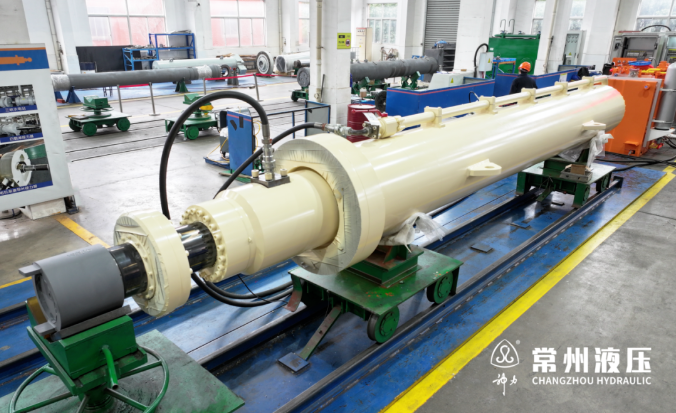
Industrial hydraulic cylinder procurement has moved beyond dimensional specifications and pressure ratings. For global buyers in the Research and Evaluation stage, certification compliance has become a mandatory filter that determines supplier eligibility for mission-critical projects. Chanhzhou Hydraulic Complete Equipment Co., Ltd, a manufacturer established in 1990 with a 10,000 m² factory in Jiangsu, China, demonstrates how a structured certification framework aligns product capability with the demands of water conservancy, marine, and metallurgical applications.
The Certification Gap in Hydraulic Cylinder Sourcing
Engineering buyers increasingly face project contracts that require ISO 9001:2015 for quality management, ISO 14001:2015 for environmental responsibility, and ISO 45001:2018 for occupational health and safety. Suppliers without these credentials are automatically excluded from tender processes in markets such as the EU, Middle East, and Southeast Asia. The challenge is not only to find a manufacturer that holds these certificates but to verify that the scope of certification covers the actual products being sourced—industrial hydraulic cylinders, hydraulic hoists, and complete hydraulic systems.
Certification Portfolio of a Professional Manufacturer
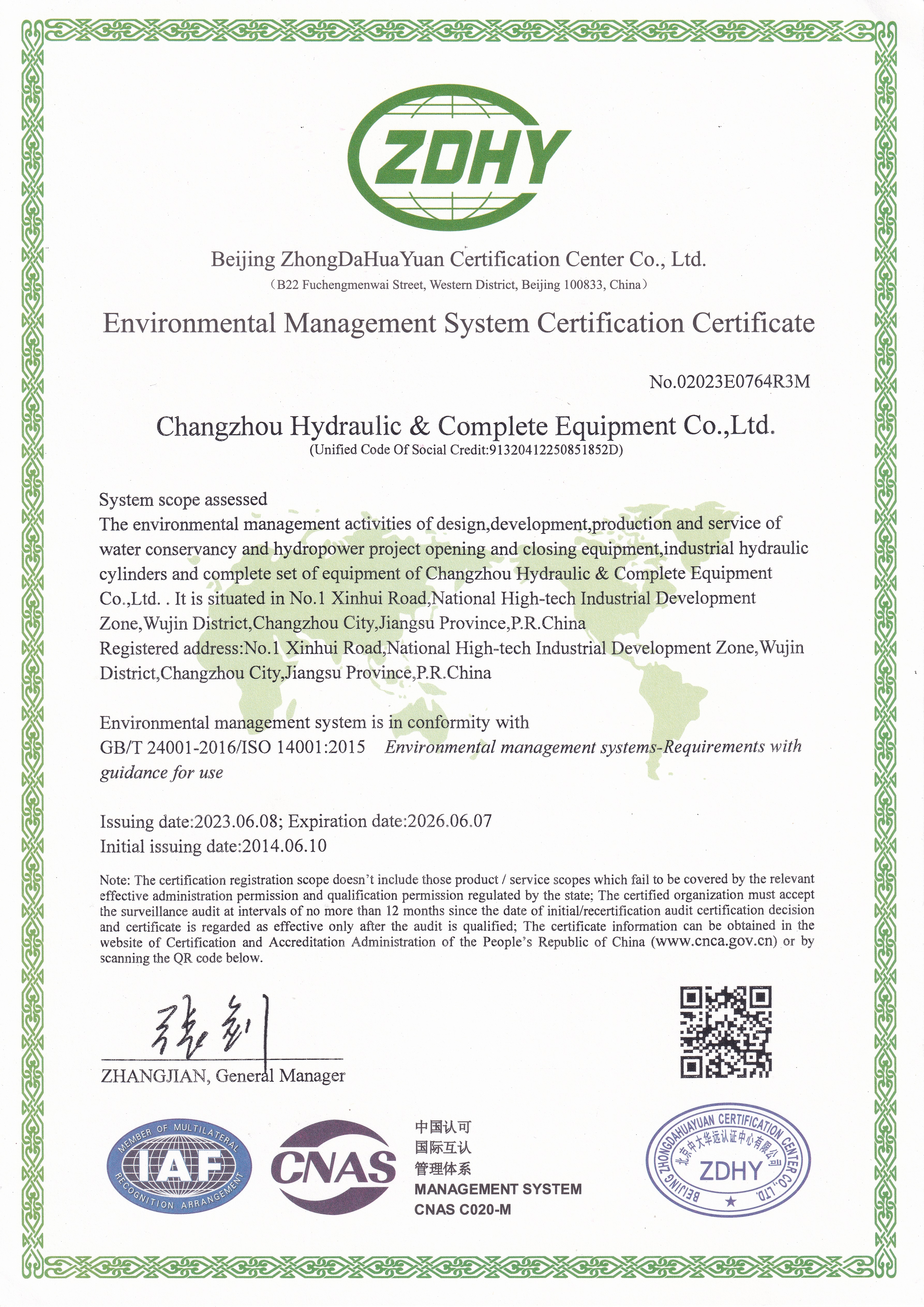
Chanhzhou Hydraulic holds three system certifications with global market validity. Its Quality Management System (ISO 9001:2015) is certified under number NO.02024Q1295R6M, issued by IAF and CNAS, covering the design, development, production, and service of water conservancy and hydropower project opening and closing equipment, industrial hydraulic cylinders, and complete sets of equipment. The Environmental Management System (ISO 14001:2015) carries certificate number NO.02023E0764R3M, also issued by IAF and CNAS and valid globally. The Occupational Health and Safety Management System (ISO 45001:2018) is certified under number No.02023S0733R3M, with a validity period from June 8, 2023, to June 7, 2026. All three certifications explicitly list industrial hydraulic cylinders within their scope, providing procurement teams with auditable evidence for supplier qualification.
Technical Capabilities Backed by Certification
Certification alone is insufficient without corresponding manufacturing capability. The company employs 316 workers, including 20 engineers, and produces 120,000 hydraulic cylinders annually across its 10,000 m² workshop. Equipment includes American Shanneng honing machines, CNC horizontal lathes, moving-column gantry five-sided machining centers, and a comprehensive testing platform for hydraulic systems. These assets enable the production of large-bore cylinders with a maximum diameter of 1200 mm and strokes up to 16 meters, as seen in models such as the ISO 9001 AAA Flat Gate Hydraulic Cylinder (model QPPY) and the Radial Gate Heavy Duty Hydraulic Cylinder (model QHLY series).
Application Scenarios Across Harsh Environments
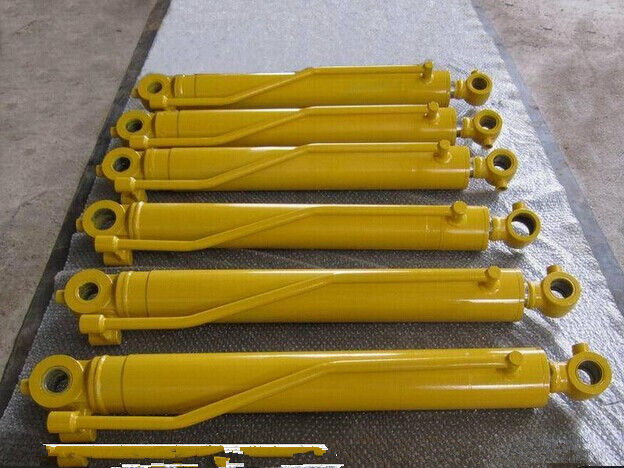
The certification scope aligns with three principal application verticals:
- Water conservancy and hydropower: Hydraulic hoists for gate operation require reliable sealing, corrosion resistance, and emergency functionality. In a pumped storage power station project, the company supplied three units of tailwater emergency gate hydraulic hoists. The core holding force reached 5000 kN, and the gate slot cover plate achieved a flatness error of 0.05 mm per square meter, verified by on-site measurement.
- Marine and offshore: Hydraulic cylinders operating in salt spray, high humidity, and seawater corrosion demand high corrosion protection and IP67 sealing. Products such as the Industrial Multipurpose Double Acting Hydraulic Cylinder (model Marine hydraulic cylinder) are designed for marine crane linear actuation under 24/7 intermittent operation.
- Metallurgical industry: Steelmaking and continuous casting environments subject cylinders to high temperature, heavy shock, dust, and water splash. Heat-resistant and shockproof designs are integrated into the QHLY series radial gate cylinders, which are also used in oil industry hoist applications.
Market Trend: Certification as a Procurement Standard
Across the global industrial equipment sector, the trend toward lifecycle accountability is making independent certification a baseline requirement rather than a differentiator. Engineering, procurement, and construction (EPC) contractors increasingly require ISO 14001 and ISO 45001 compliance as preconditions for bid evaluation. For hydraulic cylinder suppliers, maintaining valid certifications with a scope that explicitly covers the products being sourced—rather than generic “manufacturing”—is becoming critical for market access.
Certified vs. Non-Certified Suppliers: A Practical Comparison
Compared to workshops that operate without formal management system certification, a certified manufacturer like Changzhou Hydraulic offers documented quality procedures, traceable production records, and regular external audits. The primary trade-off is cost: certified suppliers typically have higher overhead due to system maintenance and testing requirements. However, for projects where equipment failure could cause environmental damage or personnel injury, the premium for certified components is justified by risk reduction and compliance with regulatory frameworks such as the EU Machinery Directive and OSHA standards.
Future Outlook: Certification Convergence and Traceability
As global infrastructure projects adopt unified sustainability and safety standards, the demand for ISO 14001 and ISO 45001 certified hydraulic cylinders is expected to grow. Manufacturers that integrate these certifications into their product design and supply chain—from subcomponent procurement to final testing—will be better positioned to serve international buyers. The ability to provide certification documentation alongside product parameter sheets will become a standard expectation in the hydraulic cylinder procurement process.
For procurement teams evaluating hydraulic cylinder suppliers, the starting point should be to verify that the manufacturer’s certification scope explicitly includes the product type and application environment required. Certification numbers and issuing bodies provide the transparency needed to make informed, risk-adjusted decisions.
Download the company brochure for detailed product specifications and certification information: Changzhou Hydraulic Complete Equipment Co., Ltd Brochure (PDF).