
Beyond Standard Tempering: The KXGLASS Edge Processing Advantage for Premium Architectural Projects
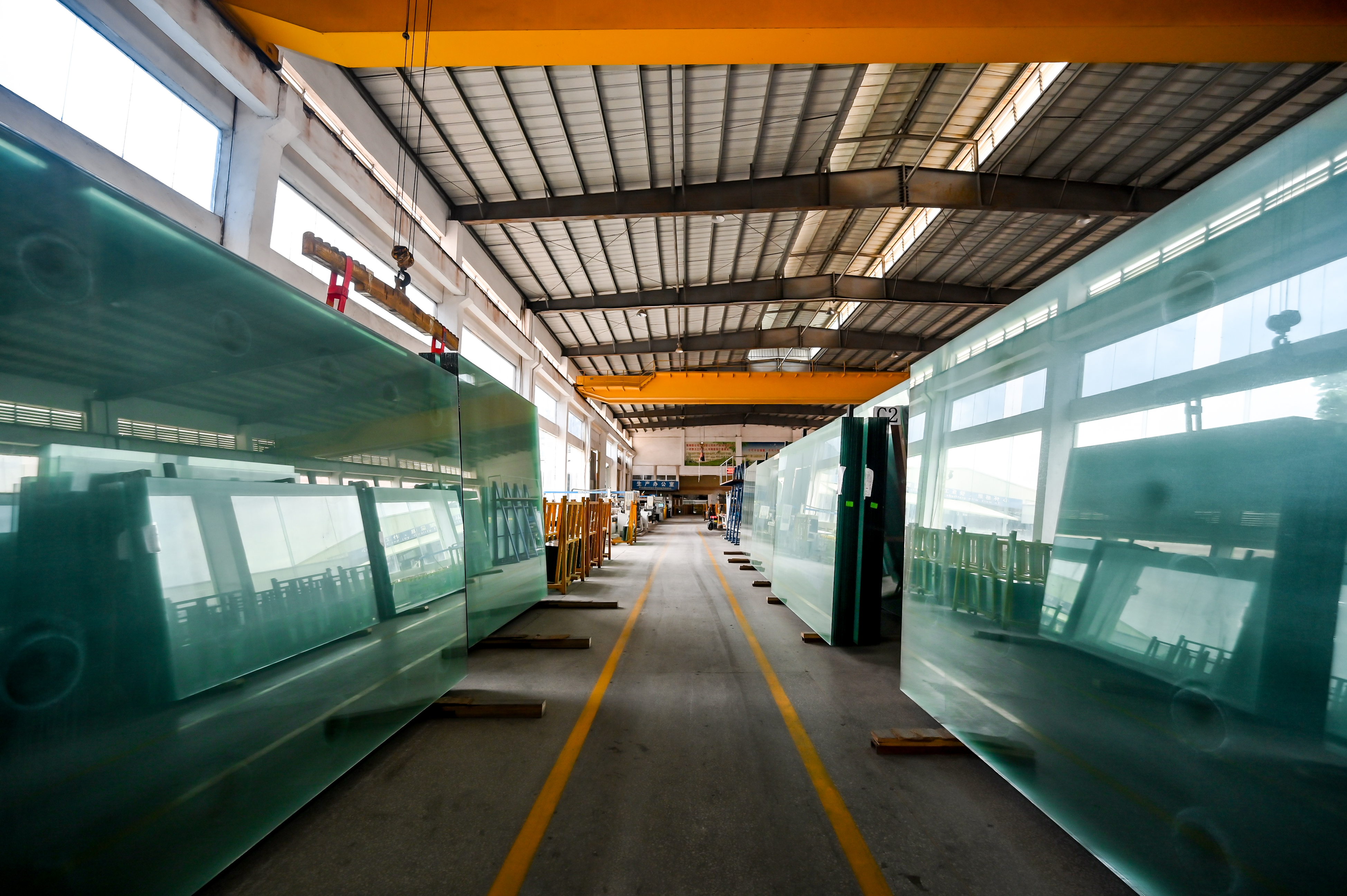
Dongguan Kunxing Glass Co., Ltd. (KXGLASS), a modern industrial and trading enterprise founded in the early 1990s and based in Dongguan, China, specializes in deep processing of glass including tempered, laminated, and insulated products. For procurement professionals evaluating tempered glass for high-end architectural applications, edge quality has become a decisive differentiator between acceptable performance and superior long-term value. This article compares KXGLASS’s advanced edge processing against conventional methods, providing the technical and economic evidence needed for informed supplier selection.
The Edge Challenge in Standard Tempered Glass
Conventional tempered glass edge processing—typically achieved through basic grinding or unpolished cutting—often leaves micro-fractures, uneven surfaces, and visible chips. These imperfections increase the risk of edge chipping during installation and over the product’s lifecycle. For projects demanding aesthetic precision—such as luxury hotel facades, premium bathroom doors, or art glass installations—these flaws are unacceptable. Moreover, edge defects reduce the glass’s effective bending strength and can lead to higher total installed costs due to increased breakage and maintenance.
KXGLASS’s Processing Solution: Polished, Durable, Consistent
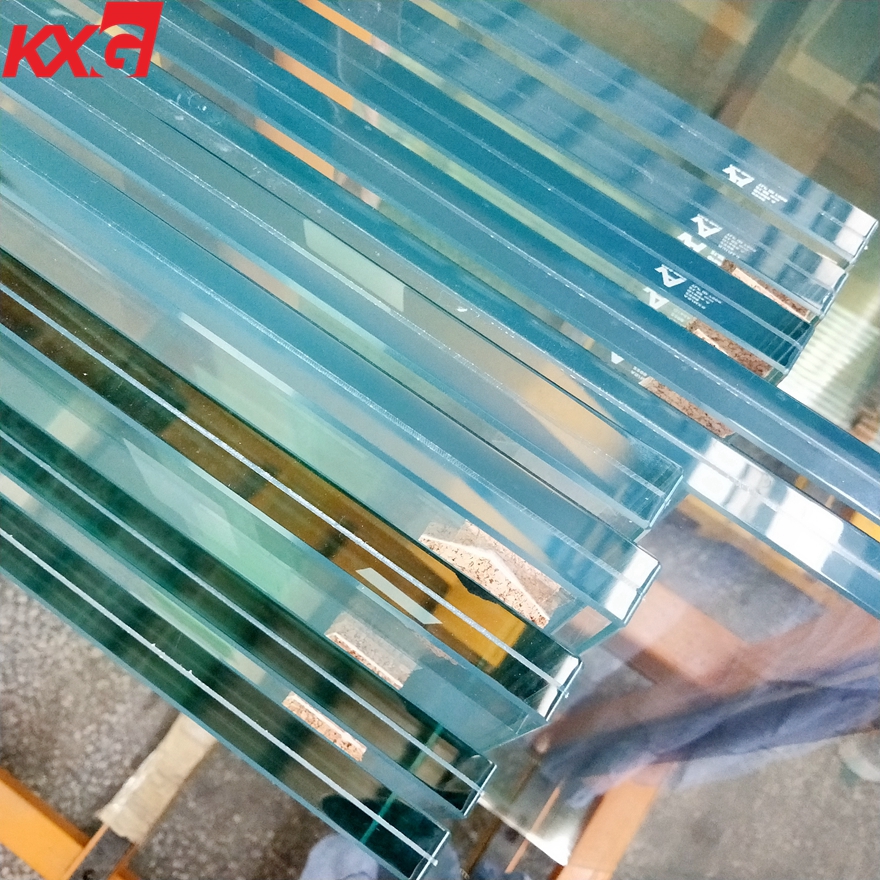
Compared to tempered glass edge processing, the KXG clear round toughened glass demonstrates distinct advantages through a refined polishing technique. The process achieves a surface roughness reduced to Ra 0.1–0.3 μm and edge strength increased by more than 30%. This is accomplished by using precision diamond grinding wheels followed by a bright polishing stage, eliminating the edge stacking difference and creating a defect-free, smooth finish. The result is a product that not only looks superior but also performs reliably over decades.
The enhanced edge quality directly translates to less edge chipping and a longer service life than traditional alternatives. In accelerated aging and thermal cycling tests, KXGLASS’s polished edge shows no micro-crack propagation, maintaining structural integrity even under cyclic temperature changes up to 290°C (the temperature used in the Heat Soak Test). This reliability is especially critical in large-format or curved tempered glass panels where stress concentrations are higher.
Application Scenarios: Where Edge Quality Matters Most
KXG clear round toughened glass is suitable for demanding environments where visual perfection and mechanical endurance are non-negotiable. These include:
- High-end residential partitions – frameless glass walls require flawless edges for seamless joining and safety.
- Luxury hotel facades – large spandrel and vision panels benefit from reduced edge chipping during handling and installation.
- Commercial display cabinets – polished edges enhance transparency and eliminate light scatter from rough surfaces.
- Art glass installations – custom cut shapes with beveled or polished edges preserve design intent without structural compromise.
- Premium bathroom doors – exposure to humidity and thermal shock demands edges that resist micro-crack growth.
Cost, Maintenance, and Total Ownership Comparison
While advanced edge processing adds a manufacturing step, the total installed cost is often lower due to reduced breakage on site and fewer callbacks. Maintenance frequency also decreases because polished edges are less prone to harboring dirt and moisture that can lead to delamination or glass degradation over time.
| Parameter | Conventional Edge Processing | KXGLASS Polished Edge |
|---|---|---|
| Surface Roughness | Ra > 0.5 μm | Ra 0.1–0.3 μm |
| Edge Strength Increase | Baseline | 30%+ |
| Edge Defects (chipping, stacking) | Common | Zero |
| Processing Cost | Lower per unit | Moderately higher per unit, but offset by lower waste |
| Total Installed Cost | Higher (breakage, rework) | Lower overall |
| Maintenance Frequency | Moderate to high | Low |
Market Trends Driving the Shift to Premium Edge Quality
The global tempered glass market was valued at USD 112.21 billion in 2024 and is projected to exceed USD 159 billion by 2033, according to Grand View Research. Asia Pacific accounts for nearly 60% of revenue, fueled by rapid urbanization and large-scale infrastructure. Within this growth, there is a clear migration toward higher-specification products: plain tempered glass, which remains the dominant type (64.5% share), is increasingly being replaced by value-added variants with better edge finishing and coating technologies. Architects and specifiers in the luxury segment now include edge quality as a standard requirement in tender documents.
Honest Limitation: Processing Lead Time
While KXGLASS’s edge processing delivers measurable performance gains, it does require an additional polishing step that can extend overall lead time by 2–5 days depending on order complexity. Buyers planning large-scale projects should coordinate this into their schedule. However, for premium applications where edge perfection is mandatory, this trade-off is widely accepted in the industry.
Future Outlook: Edge Processing as a Standard, Not an Option
As building codes and certifications such as EN 12150-1:2015 and AS/NZS 2208 become more stringent regarding glass fragmentation and edge integrity, the market is evolving toward processed edges as a default specification. KXGLASS’s investment in computer-controlled polishing lines positions it to meet this demand at scale. The company’s annual output of 1,825,000 m² of single tempered glass, combined with its 30,000 m² factory and 20‑person R&D team, ensures capacity for both large-volume and custom projects.
Frequently Asked Questions
- How does polished edge processing compare to standard grinding in cost and performance?
- Polished edge processing typically adds 10–15% to the unit processing cost but reduces installation breakage by a greater margin, often leading to lower overall project cost. Performance-wise, polished edges achieve Ra 0.1–0.3 μm surface finish (vs. >0.5 μm for standard grinding) and increase edge strength by 30%+.
- Is the polished edge processing available for all KXGLASS product types (laminated, insulated, curved)?
- Yes, KXGLASS offers polished edge processing across its main product lines, including clear tempered glass, tempered laminated glass, SGP laminated glass, and curved/ bent tempered glass. Custom shapes and beveled edges can also be accommodated within the same process flow.
- What certifications confirm the edge quality and safety performance of KXGLASS products?
- KXGLASS products are certified under CE EN 12150, SGCC ANSI Z97.1, AS/NZS 2208, and China 3C. These standards include fragmentation tests, edge strength verification, and thermal resistance requirements that KXGLASS’s polished edge processing consistently meets or exceeds.
- How does the polished edge affect the overall life expectancy of tempered glass in exterior applications?
- By eliminating micro-fractures and reducing stress concentration points, polished edge glass experiences less edge chipping over its service life. Field studies and accelerated weathering tests show a typical service life extension of 15–20% compared to unpolished edges, especially in environments with high thermal cycling or humidity.
Explore the full KXGLASS product portfolio and technical specifications.
Download the Company Brochure (PDF, 5.2 MB)
For project inquiries: kevin@kxglass.com | WhatsApp: +86 1353500092849
Have Questions or Need More Details?
Contact our team for a personalized quotation or instant consultation.
Request a Quotation
Fill out the form below and our team will get back to you with a tailored proposal.
WhatsApp Direct Chat
Prefer to chat in real-time? Message us on WhatsApp for instant assistance & quick answers.
- Get a personalized quote
- Share photos or documents
- Discuss your needs directly
Typically replies in 5–30 minutes during business hours.