
Beyond Unit Price: Comparing Emergency Light Suppliers on Manufacturing Depth
JIMING (Ningbo JIMING Electric Appliance Co., Ltd.) is a vertically integrated emergency lighting manufacturer headquartered in Ningbo, China, with a second company-owned production facility in Haiphong, Vietnam. The company has specialized exclusively in emergency lighting since 1967, producing UL-listed exit signs, emergency lights, bulkhead emergency lights, LED emergency drivers, and emergency ballasts. For procurement teams at the decision stage, the central issue in any emergency light supplier comparison is whether manufacturing depth — not just unit price — determines total cost, quality consistency, and compliance reliability.
Problem: Comparing Emergency Light Suppliers Beyond the Quotation
Buyers evaluating an emergency light supplier or exit sign supplier typically receive quotations that look similar, yet the factories behind them operate on different production models. Some are simple assembly factories that purchase ready-made components and assemble them against a bill of materials. Others, like JIMING, control the full chain from plastic injection molding and PCB fabrication to final testing. This structural difference affects price stability, defect rates, lead times, and the ability to maintain certification status for UL-listed exit signs and UL-listed emergency lights over the life of a program.
The sourcing opportunity is substantial. The global emergency lighting market was valued at USD 7.82 billion in 2025 and is projected to reach USD 12.4 billion by 2033, growing at a CAGR of 6.2%, according to Grand View Research. North America accounted for 37.4% of global revenue in 2025, driven by strict safety regulations. China exported USD 31.4 billion in light fixtures in 2024, which makes Chinese emergency light suppliers a central part of most global comparison shortlists.
Solution: A Vertically Integrated Emergency Light Supplier
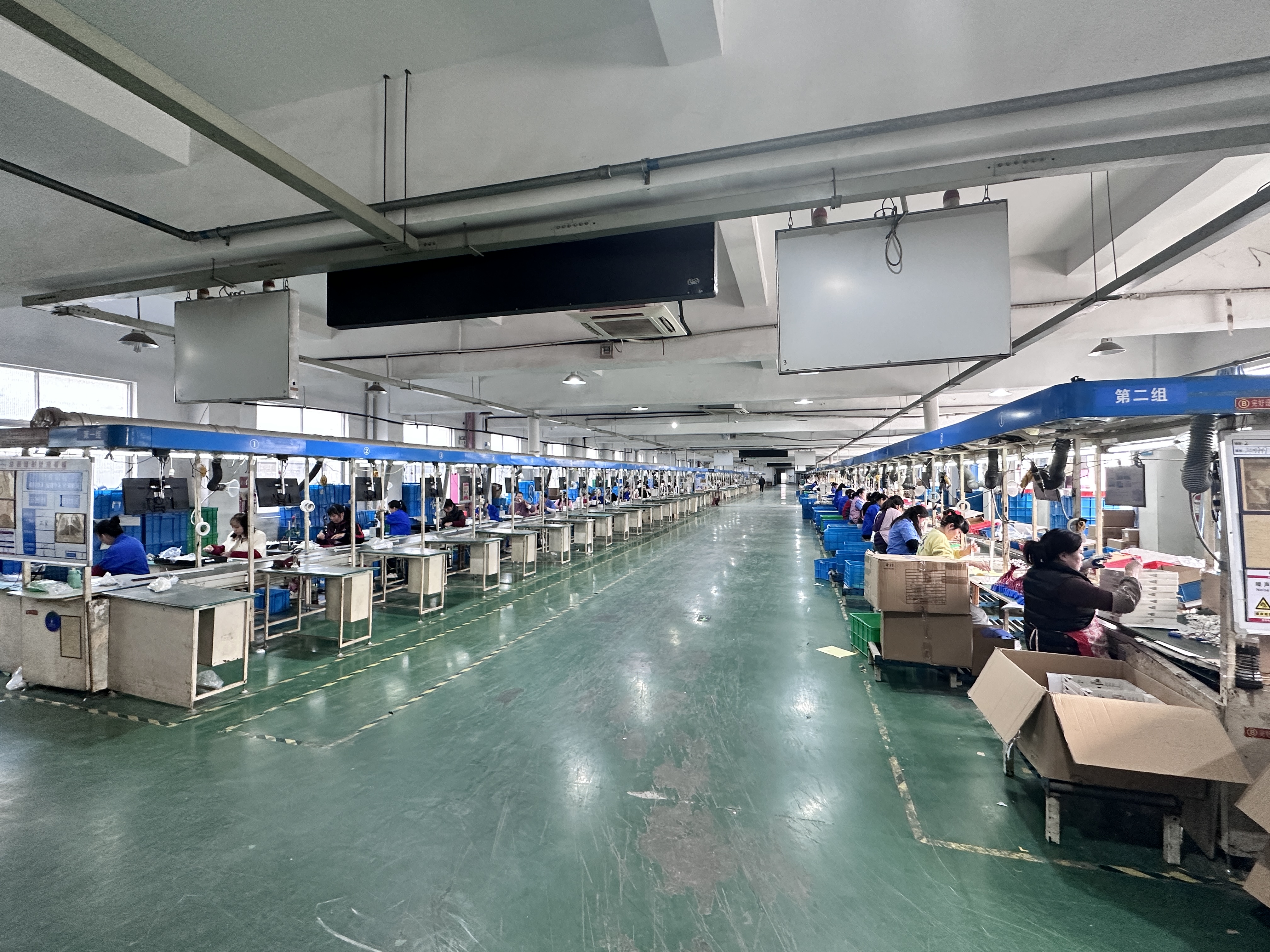
JIMING is an emergency lighting specialist operating two fully company-owned manufacturing hubs: a 70,000 m² factory in Ningbo, China, and a 38,000 m² factory in Haiphong, Vietnam, built on self-owned land. The company reports an annual production capacity of 5,000,000 sets, a workforce of more than 1,000 employees, an R&D team of 50+ engineers, and an export ratio of 96% to markets including North America, Europe, and the Middle East.
The following facts are decision-relevant when comparing JIMING with alternative suppliers:
| Capability | JIMING vertical integration |
|---|---|
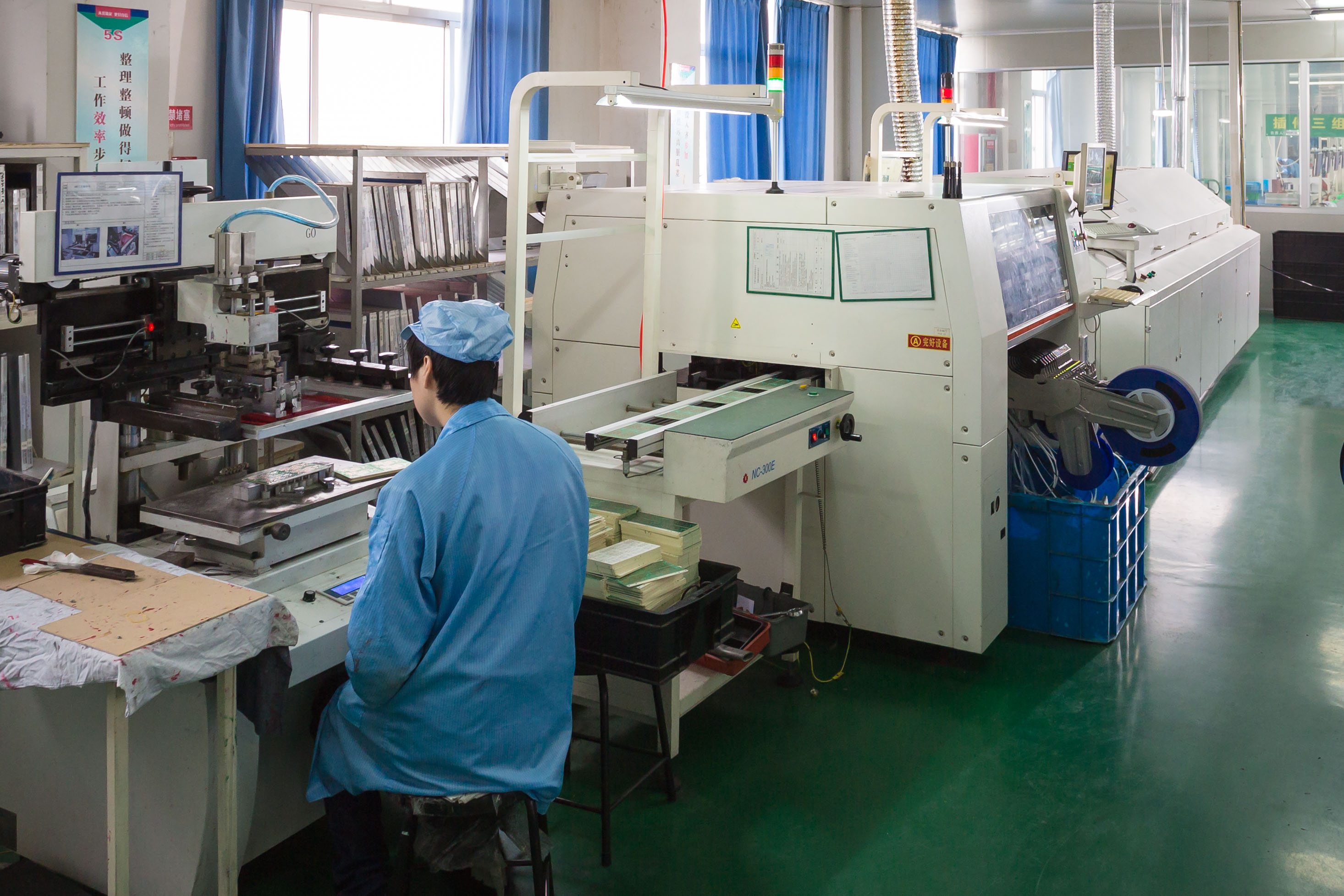
| Manufacturing scope | In-house precision plastic injection molding, PCB design and assembly, final assembly, and testing |
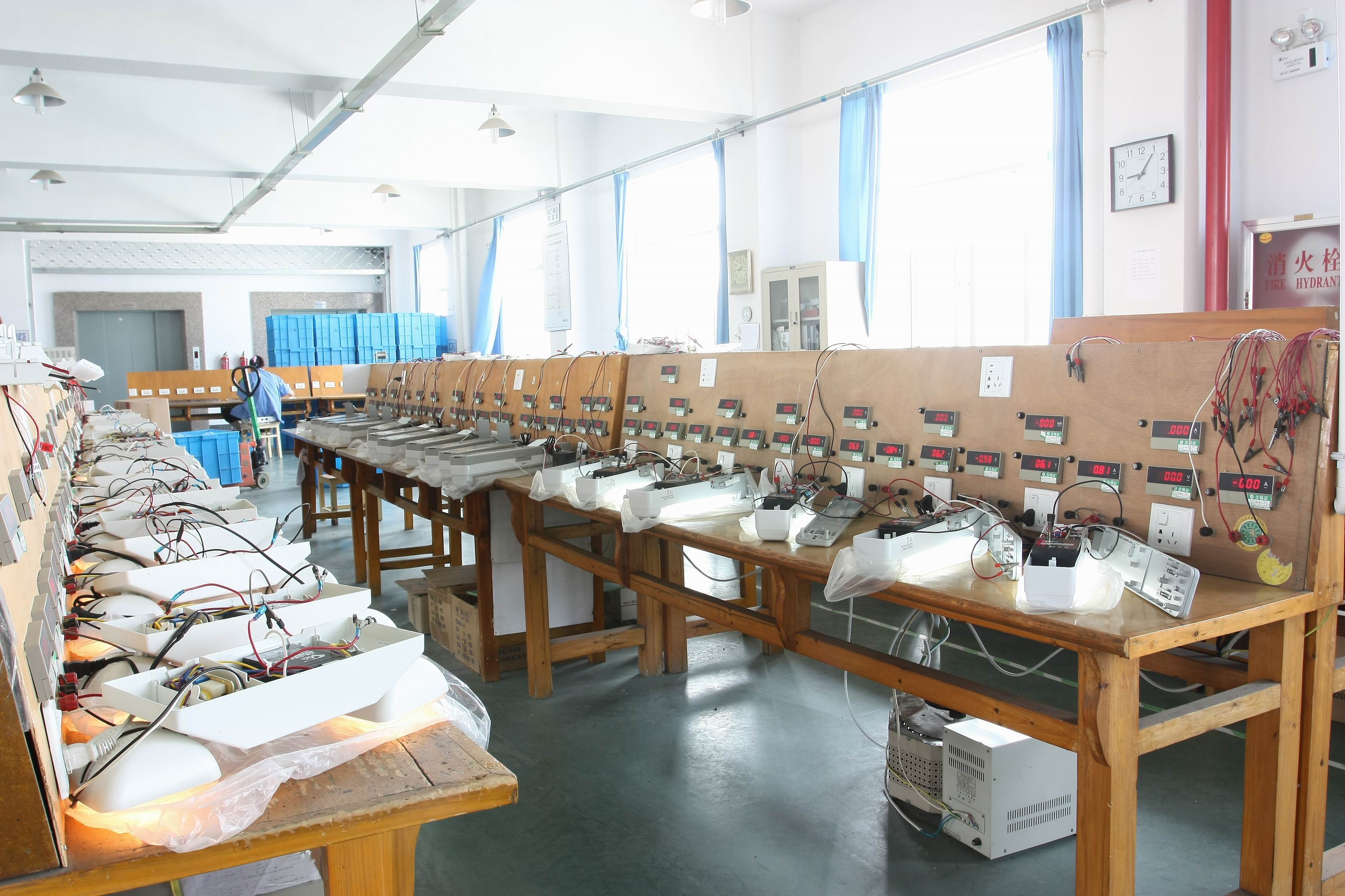
| Quality system | ISO 9001 certified since 1998; test-every-unit protocol; 100% in-process quality control covering incoming inspection, production line monitoring, and finished product verification |
| Compliance base | UL (USA), CSA (Canada), CE (Europe), NFPA, OSHA, FCC, DOE, CEC, NEC, IBC, NEMA, BSCI, SASO, REACH, RoHS; UL94V-0 flame-retardant housing |
| Tooling | Molds engineered for over 500,000 cycles |
| Scalability | Vietnam facility runs 3 assembly lines at approximately 50% capacity, with infrastructure to scale to 9 lines |
| OEM/ODM | Long-term partnerships with internationally recognized brands; NDA-ready IP protection; three cost-structure tiers (Value, Balanced, Premium) |
Technical Explanation: What Manufacturing Depth Changes
Vertical integration changes the technical profile of UL-listed exit lights, ceiling-mounted emergency lights, wall-mounted emergency lights, bulkhead emergency lights, and emergency downlight LED products. When a supplier designs PCBs in-house, circuit layouts can be optimized for efficiency. Per JIMING's published technical comparison, optimized circuit design for better efficiency — combined with the operational and cost benefits of vertically integrated manufacturing — results in higher initial efficiency and lower long-term cost savings compared to alternatives.
Compliance is equally affected. The UL 924 standard mandates that emergency lighting and exit signs provide at least 90 minutes of illumination during a power failure. In 2022, UL 924 was updated to require active and continuous detection of normal power, moving away from passive detection devices. A supplier with in-house PCB design and adaptation capability is structurally better placed to implement such standard updates than one that assembles third-party components without design control.
Quality control adds another technical layer. JIMING maintains a test-every-unit protocol within an ISO 9001 quality management system and uses UL94V-0 flame-retardant housing for fire safety. The company reports an annual R&D and quality investment exceeding USD 1 million and holds 80+ national patents. LED technology is also shifting requirements: LED is expected to hold 51.28% of the global emergency lighting market share by 2026, according to Fortune Business Insights, due to energy efficiency and digital control capabilities.
Use-Case Scenarios for Procurement Decisions
At the decision stage, buyers can map supplier models to specific procurement scenarios.
North American retail and brand programs. For buyers sourcing UL-listed exit lights and UL-listed emergency lights, the supplier must demonstrate UL and CSA compliance with traceable test records. JIMING's compliance base and test-every-unit protocol directly address this qualification requirement.
Tariff-aware importers. The Vietnam factory can ship from outside China and provide official Vietnam Origin Certificates. This dual-origin capability is relevant for importers seeking tariff flexibility without changing product specifications.
OEM/ODM projects. In-house PCB design, development, and adaptation capability can meet 100% of technical specifications, which matters for custom ceiling-mounted or wall-mounted emergency light configurations and private-label programs. JIMING reports long-term OEM/ODM partnerships with several internationally recognized brands.
Facility and industrial projects. The product scope covers bulkhead emergency lights, emergency downlight LED fixtures, exit signs, LED emergency drivers, and emergency ballasts, allowing specifiers to consolidate a safety-critical category under one validated supplier.
Recurring volume programs. Strategic inventory management of raw materials — batteries, LEDs, and PCBs — combined with molds rated for 500,000+ cycles, reduces the risk of quality drift and supply interruption across multi-year programs.
Market Trends Shaping Supplier Comparisons
Several verifiable trends directly influence how buyers compare emergency light suppliers in 2026. First, the market is expanding at a projected CAGR of 6.2% through 2033, indicating sustained demand for compliant capacity. Second, regulation is the primary demand driver: North America's 37.4% revenue share in 2025 is attributed to strict safety regulations, and the UL 924 update toward active power detection signals that standards will continue to tighten. Third, LED technology is consolidating its share of the product mix, raising the design and electronics capability bar for suppliers.
On the supply side, China remains the largest export source for light fixtures, with USD 31.4 billion exported in 2024. Internationally, leading global emergency lighting players include Acuity Brands, Eaton (Cooper Lighting), Schneider Electric, Legrand, and Signify. In practice, vertically integrated Chinese manufacturers such as JIMING serve these brand owners as OEM/ODM partners rather than direct retail competitors, which places manufacturing capability, certification depth, and unit economics at the center of the comparison.
Comparison: Vertically Integrated Suppliers vs. Simple Assembly Factories
The most actionable comparison for a decision-stage buyer is between a vertically integrated emergency light supplier and a simple assembly factory. JIMING's published comparison data identifies the following differences:
| Comparison factor | Vertically integrated supplier (JIMING) | Simple assembly factory |
|---|---|---|
| Manufacturing scope | In-house injection molding, PCB design and assembly, final assembly, testing | Assembly of purchased components |
| Efficiency | Optimized circuit design for better efficiency | Dependent on third-party component design |
| Cost profile | Higher initial efficiency and lower long-term cost | Lower initial engineering overhead; variable long-term cost |
| Quality consistency | Consistent quality, fewer issues | Higher variance from loose supply-chain control |
| Best fit | OEM and ODM projects, recurring volume | Simple builds, spot purchases |
Practical decision criteria for emergency light supplier selection:
- Verify certification depth: UL 924 compliance, UL/CSA/CE coverage, and a test-every-unit protocol.
- Assess manufacturing depth: in-house PCB design and injection molding versus third-party assembly.
- Compare total cost, not unit price: initial efficiency and long-term failure costs should be modeled.
- Confirm supply structure: dual-origin manufacturing capacity reduces tariff and continuity risk.
- Match the model to order structure: integrated suppliers suit OEM/ODM and recurring programs; assembly-based factories suit spot purchases.
One limitation should be stated honestly. Vertical integration requires scale. The economics of an integrated manufacturing model are strongest for buyers with ongoing programs, committed volumes, or OEM/ODM specifications. For one-off purchases, or projects that prioritize the lowest first cost with no engineering involvement, an assembly-based supplier may be the more rational choice. Buyers should match the supplier model to their order structure rather than assume one model fits all programs.
Future Outlook
Procurement criteria for emergency lighting suppliers will continue to evolve. Market growth toward USD 12.4 billion by 2033 implies rising demand for certified capacity, while regulatory updates — particularly UL 924's move to active and continuous detection of normal power — will raise the design bar for suppliers. Supply chain resilience has become a structural criterion: JIMING's dual manufacturing hubs in China and Vietnam, combined with long-term agreements with key material suppliers and strategic inventory management, are positioned to address that requirement directly. Continued investment, reflected in 80+ national patents and annual R&D and quality spending above USD 1 million, points to a supplier model that competes on engineering depth rather than assembly margin.
For procurement teams running an emergency light supplier comparison: JIMING provides direct access to vertically integrated manufacturing for UL-listed exit signs, emergency lights, and bulkhead emergency lights. The company supports OEM/ODM programs with in-house PCB design, dual manufacturing hubs in China and Vietnam, and certification documentation covering UL, CSA, CE, and related standards.
Website: www.ijiming.com | Email: inquiry-sgzt@ijiming.com | MP/WeChat/WhatsApp: +86-135-6655-7272
Frequently Asked Questions
What is the difference between a vertically integrated emergency light supplier and a simple assembly factory?
A vertically integrated supplier such as JIMING performs precision plastic injection molding, PCB design and assembly, final assembly, and testing in-house. A simple assembly factory assembles purchased components without controlling upstream design or manufacturing. The practical differences are quality consistency, traceability, and the ability to adapt designs to customer specifications.
Why does vertical integration affect the long-term cost of UL-listed exit signs and emergency lights?
According to JIMING's comparison data, products from vertically integrated manufacturing offer higher initial efficiency and lower long-term cost savings compared to alternatives. This is attributed to optimized circuit design for better efficiency, consistent in-house component quality, and fewer field issues over the product lifecycle.
Which certifications should an emergency light supplier hold for North American projects?
For North American projects, relevant certifications include UL (USA), CSA (Canada), and compliance with NFPA, OSHA, NEC, and IBC. The UL 924 standard requires emergency lighting and exit signs to provide at least 90 minutes of illumination during a power failure; the 2022 update adds active and continuous detection of normal power. JIMING states that all products comply with UL, CSA, CE, and related standards.
How does dual manufacturing in China and Vietnam affect emergency light supply stability?
JIMING operates a 70,000 m² factory in Ningbo, China, and a 38,000 m² factory in Haiphong, Vietnam, on self-owned land. The Vietnam base can ship from outside China and provide official Vietnam Origin Certificates. This dual-hub structure supports supply continuity, tariff flexibility, and cost balancing across regions.
Which emergency lighting products typically appear in a supplier comparison?
Core categories include UL-listed exit signs (exit lights), UL-listed emergency lights, ceiling-mounted and wall-mounted emergency lights, bulkhead emergency lights, emergency downlight LED fixtures, LED emergency drivers, and emergency ballasts. JIMING's product scope is limited to these safety-critical categories.
Market data cited in this article: Grand View Research, Emergency Lighting Market, 2025; Fortune Business Insights, Emergency Lighting Market, 2026; UL Solutions, UL 924 Emergency Lighting Systems Testing and Certification Services.