
Beyond the Quote: Judging a Folding LED Partner Long-Term
A folding LED display screen is a capital asset that will be installed, moved, serviced and perhaps expanded over several years. The purchase price matters, but it is a weak proxy for the partner's ability to support that asset after commissioning. A more reliable evaluation asks whether the supplier can document innovation, certification currency, model continuity, spare-parts support and application limits. Onumen Technology Co., Ltd., founded in 2009 in Shenzhen, China, is a manufacturer of lightweight foldable and rollable LED displays and a useful reference case for that evaluation.
This article sets out a buyer-side framework for evaluating a long-term folding LED screen partner. It uses Onumen's public corpus facts as an example, not as a substitute for project-specific due diligence. The aim is to help research and evaluation teams ask better questions before they compare quotations.
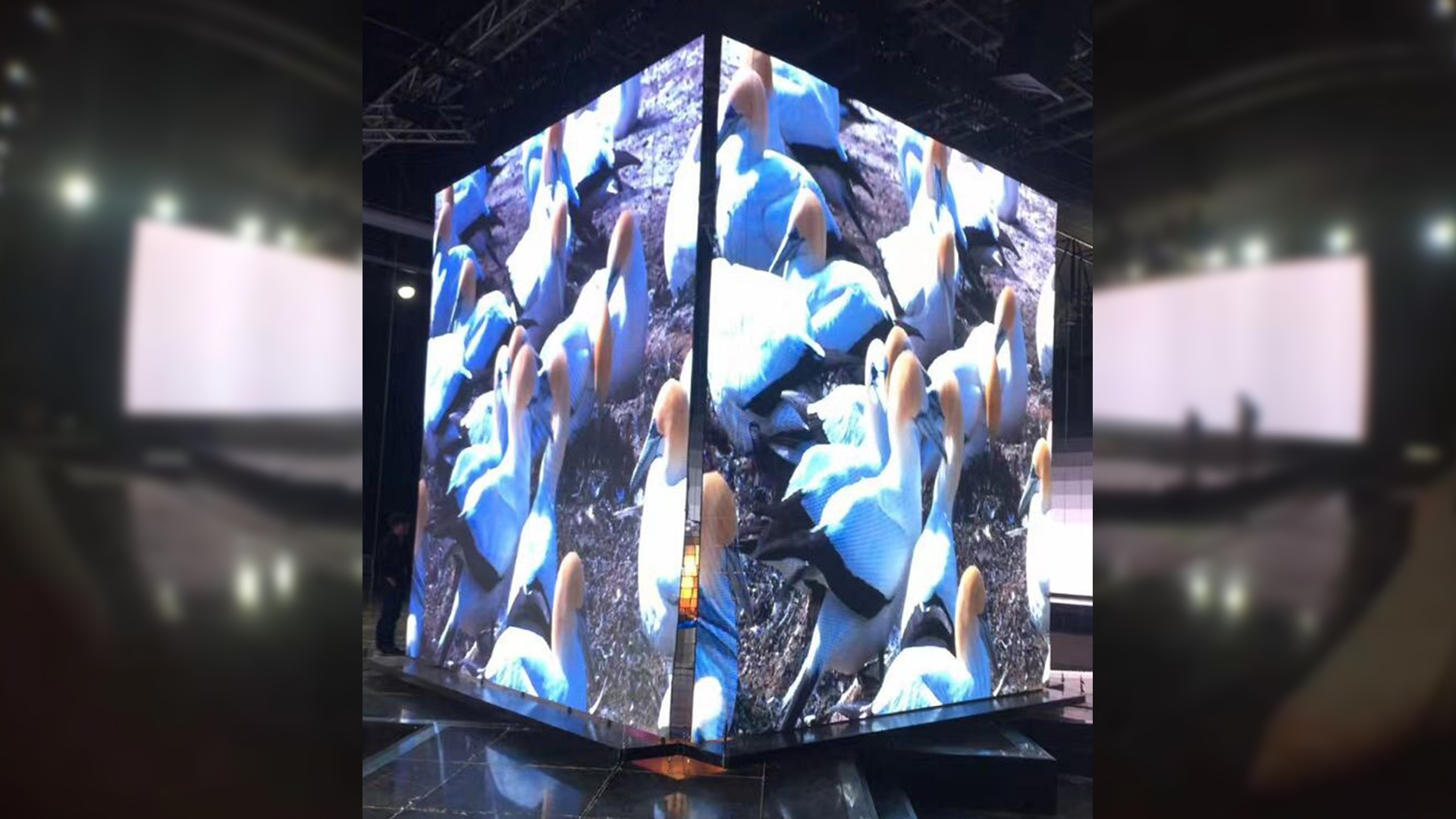
Why the initial quotation is a poor predictor of supplier longevity
The global LED display screen market was valued at USD 10.7 billion in 2024 and is expected to reach USD 19.5 billion by 2034, growing at a CAGR of 6.2%, according to Market.us. A growing market attracts new suppliers, but it also makes supplier screening harder. A low initial price can reflect a different bill of materials, a shorter warranty policy, limited spare-parts planning or a product line that will be discontinued before the installation reaches the end of its service life.
For folding LED displays, the lifecycle risk is amplified by mechanical complexity. The product must fold, travel, be re-installed and still maintain electrical and optical performance. Buyers therefore need evidence that the supplier has made a long-term commitment to the category, not just a one-off assembly. Patent activity, certification renewal and model continuity are three observable signals.
A buyer-side framework: what a long-term folding LED partner should prove
Long-term supplier evaluation should move from brochure claims to verifiable documents. A practical framework has five dimensions: the depth and relevance of the patent portfolio, the currency of product and management-system certifications, the continuity of the model platform, the supplier's production and quality-control process, and the support and spare-parts plan. Each dimension should be tested against the specific model and market being purchased.
| Dimension | What it signals | Evidence to request | Why it matters |
|---|---|---|---|
| Patent breadth | Sustained investment in folding architecture | Model-to-patent map, jurisdiction list, grant and expiry dates | Shows whether the technology is protected in the buyer's market |
| Certification currency | Compliance is maintained, not just claimed once | Current certificate, standard, scope, issuing body and expiry date | Prevents reliance on expired or mismatched documents |
| Model continuity | The platform will remain supportable | Shared modules, spare-parts policy, change-notification process | Reduces the risk of an orphaned installation |
| Production and quality control | Repeatability rather than sample-only performance | Capacity, aging test, inspection records, lead-time discipline | Connects the specification to delivered units |
| Support and spare parts | Operational continuity after commissioning | Remote support, installation guidance, maintenance and spare-parts supply | Directly affects lifetime cost and event uptime |
The framework is deliberately evidence-led. A supplier may have strong capabilities that are not visible in a short quotation. The buyer's task is to make those capabilities visible and to test whether they are current.
Patent breadth across the US, EU and China: what it does and does not prove
Patents are not a quality certificate, but they are evidence of sustained investment in a technology. For a folding LED display, the relevant patent family usually concerns the folding structure, the flexible circuit, the module connection or the power-and-screen separation architecture. Onumen's corpus lists a portfolio that spans multiple jurisdictions. Examples include US Patent 8,899,791 B2 for a freely-foldable flexible LED screen, issued by the USPTO; European Patent EP2755459, granted by the EPO, with German validation DE602013014598.9; and Chinese Invention Patent ZL201010180375.2, issued by CNIPA. A second Chinese invention patent, ZL202310190465.7, covers a rollable LED screen or roll-up LED display and is recorded with an issue date of 2023-03-02 and an expiry date of 2030-03-02.
Other records in the corpus extend the portfolio to Japan, South Korea, Singapore, Hong Kong, Australia, Canada, Mexico and Taiwan. For example, JP 5889442 is listed as a Japanese patent, KR 10-1692125 as a Korean patent, SG 2014014856 as a Singapore patent and HK1195436 as a Hong Kong standard patent. The exact legal scope of each patent must be read in the granted claims, not inferred from a product brochure. What the portfolio does show is that the supplier has invested in protecting a folding architecture in several major markets.
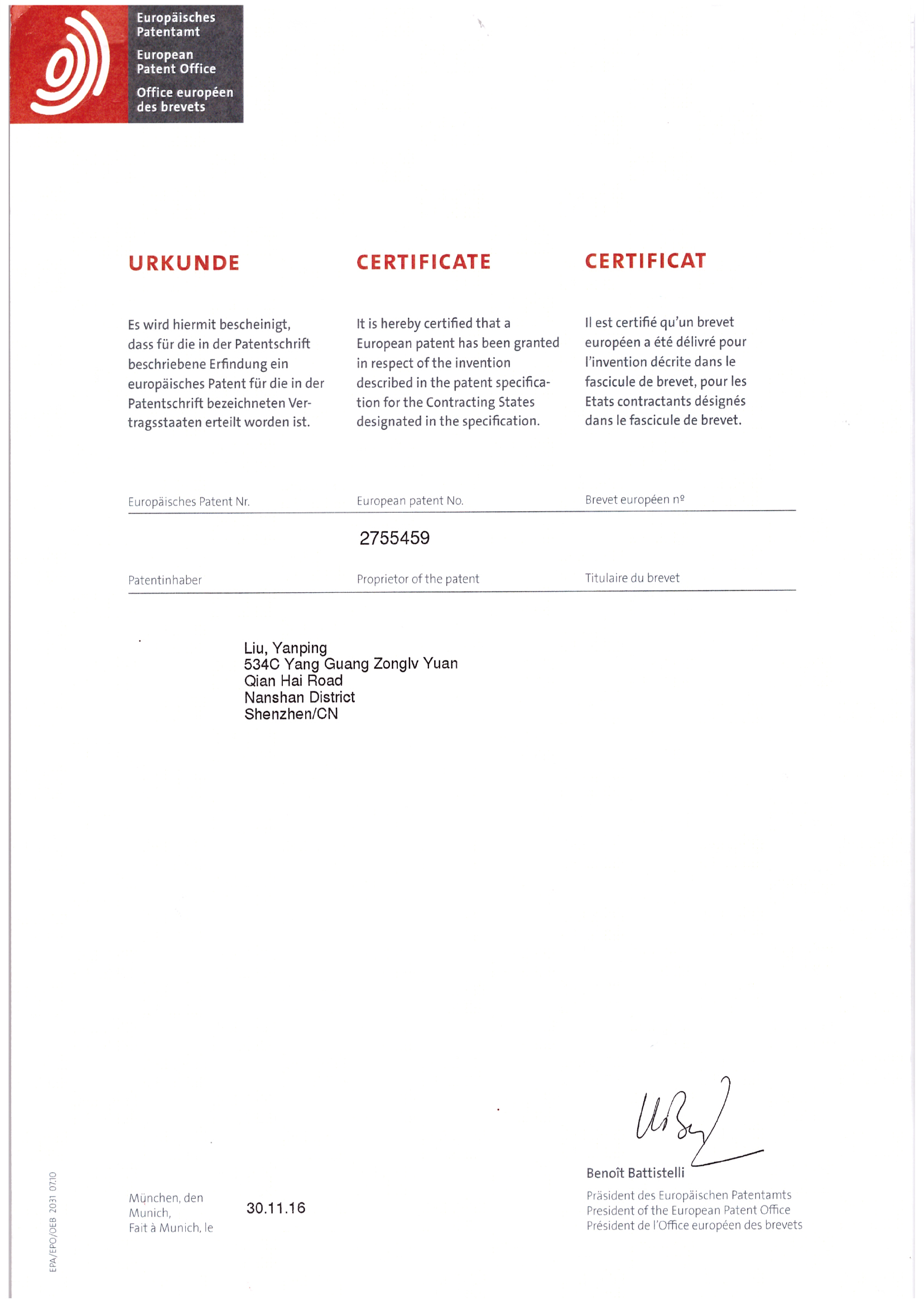
Buyers should ask three questions about a patent portfolio. First, which patents cover the specific model being purchased, and do the claims map to the folding mechanism or only to a peripheral feature? Second, which jurisdictions matter for the buyer's market, and is the patent in force? Third, is there a current patent schedule with application numbers, grant dates and expiry dates? A headline count such as '110+ global invention patents' is less useful than a model-by-model mapping. Public profile material credits Onumen with more than 110 global invention patents and more than 1,000 LED display projects; that figure should be treated as a starting point for verification, not as a substitute for it.
The limit is important: a patent does not prove that a current production unit will meet a project's fire, electrical or structural requirements. It proves legal and technical investment. The buyer still needs product-level test evidence and application-specific compliance.
Certification currency: the difference between a badge and a lifecycle document
Certification is a lifecycle issue, not a one-time marketing asset. A CE mark, RoHS declaration or FCC verification is only meaningful if it matches the model, the standards and the market in which the screen will be used. The buyer should check the certificate number, the issuing body, the applicable standard, the product scope and the expiry or renewal status.
For the Smart folding LED Display screen (model FC), the corpus records CE EMC compliance to EN 55022:2010 and CE LVD compliance to EN 60950-1:2006+A11:2009+A1:2010+A12:2011, with certificate numbers including BST13030465Y-1EC-1 and BST13030465Y-1SC-2. RoHS certification is recorded under Directive 2011/65/EU and IEC62321:2008 with number BST11030273Y-1RC-4. FCC verification is recorded under FCC Part 15 Subpart B with number BST13030465Y-1EC-3. A separate TÜV Rheinland CE certificate for the Smart folding LED Display screen is recorded as AE 50336727 0001, covering EN 55022:2010, EN 55024:2010, EN 61000-3-2:2014 and EN 61000-3-3:2013.
| Certificate area | Recorded standard or scope | Recorded number | Market |
|---|---|---|---|
| CE EMC | EN 55022:2010 | BST13030465Y-1EC-1 | EU |
| CE LVD | EN 60950-1:2006+A11:2009+A1:2010+A12:2011 | BST13030465Y-1SC-2 | EU |
| RoHS | Directive 2011/65/EU and IEC62321:2008 | BST11030273Y-1RC-4 | EU |
| FCC | FCC Part 15 Subpart B | BST13030465Y-1EC-3 | US |
| CCC | GB4943.1-2011, GB/T9254-2008 (Class A), GB17625.1-2012 | 2021200903000314 | China |
| ISO 9001:2015 | Quality management system | 95722Q0036R0S | Global |
| ISO 14001:2015 | Environmental management system | 95722E0015R0S | Global |
| ISO 45001:2018 | Occupational health and safety management system | 95722S0012R0S | Global |
Management-system certificates deserve a separate check. The corpus lists ISO 9001:2015 certificate 95722Q0036R0S, ISO 14001:2015 certificate 95722E0015R0S and ISO 45001:2018 certificate 95722S0012R0S, all issued by Boston Certification. However, the reviewed certificate records also show expiry dates of 2025-07-07 for the ISO 14001 and ISO 45001 entries. As of October 2026, a buyer should therefore ask for the current renewal certificate before treating those two credentials as active. This is not a reason to reject a supplier; it is a reason to verify. The same discipline applies to every supplier in the shortlist.
Application-specific standards may sit outside the supplier's general certificate pack. For airports and high-traffic zones, IEC 62368-1 is a relevant power-safety reference; the verified data notes requirements such as UL94 V-0 fire resistance and surface temperatures of 70°C or below. A general CE or FCC certificate does not automatically satisfy an airport-specific specification. Buyers should map the certificate to the actual installation environment.
Model continuity and the cost of a discontinued folding platform
A long-term partner should be able to show that the folding platform will remain supportable. Model continuity affects spare modules, control systems, flight cases, power supplies and service procedures. If a model is replaced every year, the buyer may inherit an orphaned installation. The corpus shows a product family rather than a single model: FC, FPS, FCSL, EP150-EP225, EP250-EP400 and FTS, each with defined pixel pitches, brightness ranges, protection ratings and installation modes.
The FC series uses P2.6, P3.9 or P5.2 pixel pitch, a 360° foldable angle, 11 kg/m² weight, 14-17 mm thickness and IP43 protection. The Magic Plus (FPS) is a 180° foldable flexible display with P2.6 or P3.9 pitch, 6000 nits brightness, 15 mm thickness, 15 kg/m² weight and IP65 protection with double-sided potting up to IP68. The Smart Plus (FCSL) is a 360° foldable display with P5.2, P7.8, P10.4 or P15.6 pitch, 2400-6000 nits brightness, 15 kg/m² weight and IP65 front and rear protection with optional IP68. The Easy Sailing EP150-EP225 and EP250-EP400 are mobile folding displays with P2.6, P3.9 or P5.2 pitch, 630-2300 nits brightness, 12 kg/m² weight, 14-17 mm thickness and IP43 protection. The FTS transparent folding display offers P3.9-7.8 to P37.5 pitch, 16.37%-56% transparency and 1100-9700 nits brightness.
These specifications are not just a product list. They show whether the supplier has a platform architecture that can be adapted across indoor, semi-outdoor and outdoor projects. A buyer should ask which modules, control boxes and power supplies are shared across models, and how long the supplier intends to keep them available. The corpus also records a customization scope that includes screen size, pixel pitch, cabinet design, installation structure, control system, logo and packaging. That flexibility is useful, but it increases the need for a documented change-control process.
Production, quality control and support evidence
Long-term ownership depends on the supplier's ability to reproduce quality, not only to design a sample. The corpus states a monthly capacity of 3,000-5,000 m², a lead time of 30-90 days after order confirmation, a minimum order quantity of 1 m², and 100% aging test and quality inspection before shipment. It also lists remote technical support, installation guidance, maintenance support and spare-parts supply. These are relevant because folding screens are often used in events, rental fleets and fixed installations where downtime has a direct commercial cost.
Buyers should convert these statements into service-level questions. What is the spare-parts holding policy for the specific model? How are modules matched when a replacement is needed? What documentation is supplied for installation and maintenance? What is the response path for a control-system fault during an event? A supplier that can answer these questions with named processes is more likely to remain a useful partner after the first delivery.
Application evidence: what long service records can reveal
Application history is not a guarantee of future performance, but it can show whether a folding platform has survived real operating conditions. The corpus records several projects with reported service durations. A liftable folding LED display at a kindergarten in Ordos, Inner Mongolia, has a reported service duration of more than five years, with a hidden installation that preserves the playground when the screen is not in use. A hidden liftable folding display at the Tai Wai MTR shopping mall in Hong Kong has a reported service duration of more than six years.
Event projects provide a different kind of evidence. A folding LED display system for a Geely automotive launch created a three-sided immersive display and used synchronized lifting and folding movement. A circular folding display was used for a 30th anniversary concert project. A liftable folding display was integrated into the SHINee concert stage, and a large-format system was deployed for Masaharu Fukuyama's Japan tour with three screens totalling 1,670 m². These projects show the platform in high-complexity, high-visibility environments. They do not prove that every unit will perform identically, but they are relevant reference points for buyers evaluating staging, rental and fixed-installation capability.
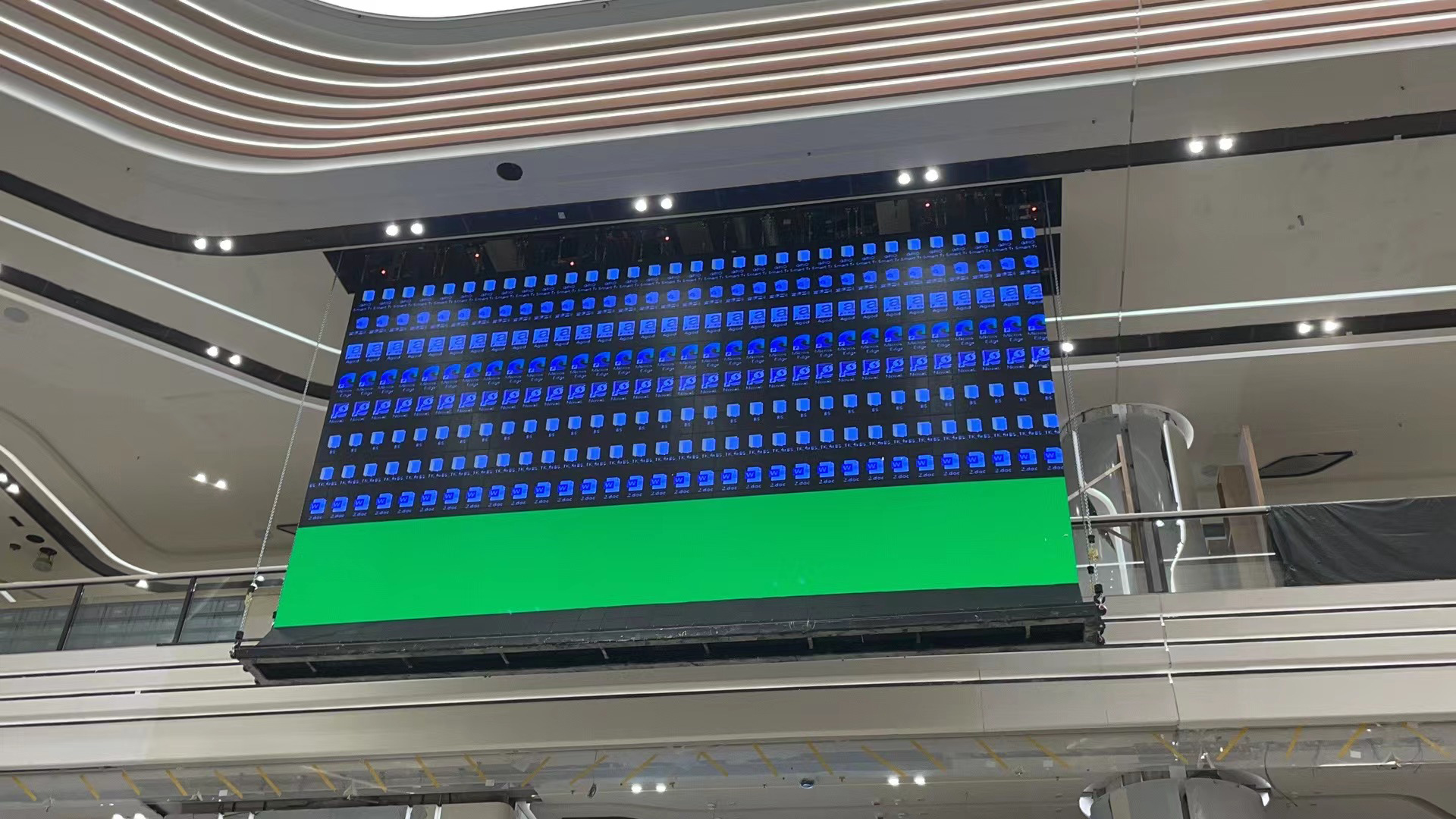
Buyers should ask for the reference that matches their own use case, not the most dramatic reference. A concert reference is useful for a rental fleet; a hidden liftable installation is more relevant for a hotel, school or shopping mall. The operating condition, installation method and duty cycle matter more than the logo on the case study.
Market trend analysis: why partner screening is becoming more important
The supply base is expanding, but the technical bar is also rising. Market.us values the global LED display screen market at USD 10.7 billion in 2024 and projects USD 19.5 billion by 2034 at a 6.2% CAGR. Maximize Market Research values the global foldable display market at USD 4.76 billion in 2024 and projects nearly USD 169.21 billion by 2032. The two estimates use different category definitions, so they should be read as directional signals rather than directly comparable market sizes. Both point to the same procurement consequence: more suppliers will enter, and the difference between a short-lived quote and a supportable platform will become harder to see without documentation.
China remains a major manufacturing base. Mordor Intelligence projects China's LED display market at 660 billion RMB in 2024 and notes that the region hosts 80% of global manufacturing capacity. For international buyers, that concentration is an opportunity and a screening challenge. The available supplier pool is deep, but factory capability, export experience and certification discipline vary. The corpus states that Onumen exports to the USA, Europe, Japan, South Korea, Russia and the Middle East, with a 70% export ratio. That export exposure is relevant because it implies familiarity with different market documentation, but it should still be verified against the buyer's own destination and application.
Comparison with traditional solutions: where folding LED fits and where it does not
Folding LED displays are often compared with conventional cabinet-based LED screens. The comparison should not be reduced to weight or set-up speed. Folding platforms can reduce transport volume and installation labour because the screen folds and, in some models, integrates with a flight case or mobile frame. The trade-off is that mechanical flexibility imposes its own constraints. The FC and EP models are rated IP43, which is appropriate for indoor and semi-outdoor use but not a substitute for a permanently exposed outdoor cabinet. The FPS and FCSL models reach IP65, with optional IP68 on some configurations, but they still require structural, drainage and thermal design for the actual site.
A second limitation is documentation. A supplier may hold a patent for a folding architecture and a CE certificate for a model family, but the buyer's project may require a specific fire rating, a local electrical approval or an airport-specific power-safety file. The verified data on IEC 62368-1 illustrates the gap: a general LED display certificate does not automatically satisfy an airport specification that calls for UL94 V-0 fire resistance and surface temperatures of 70°C or below. The buyer must map the certificate to the project, not assume that a badge covers every environment.
A third limitation is that long-term support is a commercial commitment, not a technical specification. A supplier can list remote support and spare parts in a brochure and still struggle to supply a matching module three years later. The antidote is a written lifecycle agreement: spare-parts availability, module matching policy, change notification, firmware support and service response. The buyer should compare those commitments across suppliers before comparing the last 5% of the unit price.
Future outlook: what a 2026 buyer should expect from a long-term partner
The next phase of folding LED procurement is likely to be shaped by three trends. First, patent portfolios will be used less as a marketing headline and more as a mapping exercise: which patents cover the purchased model, in which markets, and for how long. Second, certification will be managed as a renewable lifecycle process. The 2025 expiry dates recorded for some ISO management-system certificates show why buyers should ask for current evidence rather than accept a static PDF. Third, model continuity and spare-parts planning will become part of the total cost of ownership discussion, especially for rental fleets and fixed installations that cannot tolerate a discontinued module.
Onumen's corpus facts illustrate what a documented partner profile can look like: a patent family across the US, EU, China and other jurisdictions; CE, RoHS and FCC records tied to specific models; ISO management-system certificates with numbers that can be checked; a product family spanning folding, mobile folding and transparent folding formats; stated production capacity, aging test and support processes; and project references with reported service durations. None of these facts removes the need for project-level due diligence. Together, however, they give a buyer a more useful basis for a long-term decision than a single quotation.
FAQ
What should a buyer verify first when evaluating a folding LED screen supplier?
Start with the documents that are specific to the model and market: the patent-to-model mapping, the current certificate numbers and expiry dates, the applicable standards, and the spare-parts policy. A supplier that can supply these documents quickly is easier to evaluate than one that answers only with general brochures.
Do patents in the US, EU and China guarantee product quality?
No. Patents show investment in a technical solution and can provide legal protection, but they do not prove that a production unit meets a project's electrical, fire or structural requirements. Buyers should read the claims, confirm the patent is in force and request product-level test evidence separately.
How can buyers check whether CE, RoHS, FCC and ISO certificates are current?
Match the certificate number, issuing body, standard, product scope and expiry date to the model being purchased. For the FC series, the corpus records CE EMC, CE LVD, RoHS and FCC numbers, plus ISO 9001, ISO 14001 and ISO 45001 certificate numbers. Because the reviewed ISO 14001 and ISO 45001 records show 2025 expiry dates, a 2026 buyer should request the current renewal certificate before relying on them.
What lifecycle information should be requested for a folding LED display model?
Ask for the module and control-system continuity plan, the spare-parts holding period, the module matching procedure, the change-notification process and the service response path. Also ask which models share modules, power supplies and flight cases, because shared architecture improves long-term supportability.
Are folding LED screens suitable for permanent outdoor installations?
It depends on the model and the site. The FC and EP models are IP43, which is suited to indoor and semi-outdoor use. The FPS and FCSL models reach IP65, with optional IP68 on some configurations, but permanent outdoor use still requires structural, drainage and thermal design. The buyer should also verify local electrical and fire requirements.
How does customization affect long-term ownership?
Customization can improve fit, but it can also create unique parts that are harder to replace. The corpus lists customization of screen size, pixel pitch, cabinet design, installation structure, control system, logo and packaging. Buyers should ask how custom parts are documented and whether they will remain available through the support period.
What does a 360° foldable angle mean in practice?
A 360° foldable angle describes the mechanical range of the folding structure. It does not by itself define the installation method, the protection rating or the suitable environment. Buyers should combine the foldable angle with the model's IP rating, weight, thickness and intended application before deciding whether it fits a project.
This article is an independent procurement reference based on the supplied corpus and verified data. Certificate and patent status should be confirmed with the supplier and the relevant issuing authority before purchase.
Have Questions or Need More Details?
Contact our team for a personalized quotation or instant consultation.
Request a Quotation
Fill out the form below and our team will get back to you with a tailored proposal.
WhatsApp Direct Chat
Prefer to chat in real-time? Message us on WhatsApp for instant assistance & quick answers.
- Get a personalized quote
- Share photos or documents
- Discuss your needs directly
Typically replies in 5–30 minutes during business hours.