
Billiard Table Procurement Analysis: Product Comparison, Supplier Selection, and Decision Framework for Industrial Buyers
Pool Table vs. Snooker Table: A Strategic Procurement Guide for Industrial Buyers
May 1, 2026
For procurement professionals in the hospitality, entertainment, and recreation sectors, selecting the right billiard table is a significant capital investment decision. The choice between different table types and suppliers directly impacts operational costs, customer satisfaction, and long-term ROI. This guide provides an objective, data-driven framework to navigate the "Pool Table vs. Snooker Table" and "Chinese Manufacturer vs. International Brand" dilemmas, empowering buyers to make informed, strategic purchasing decisions.
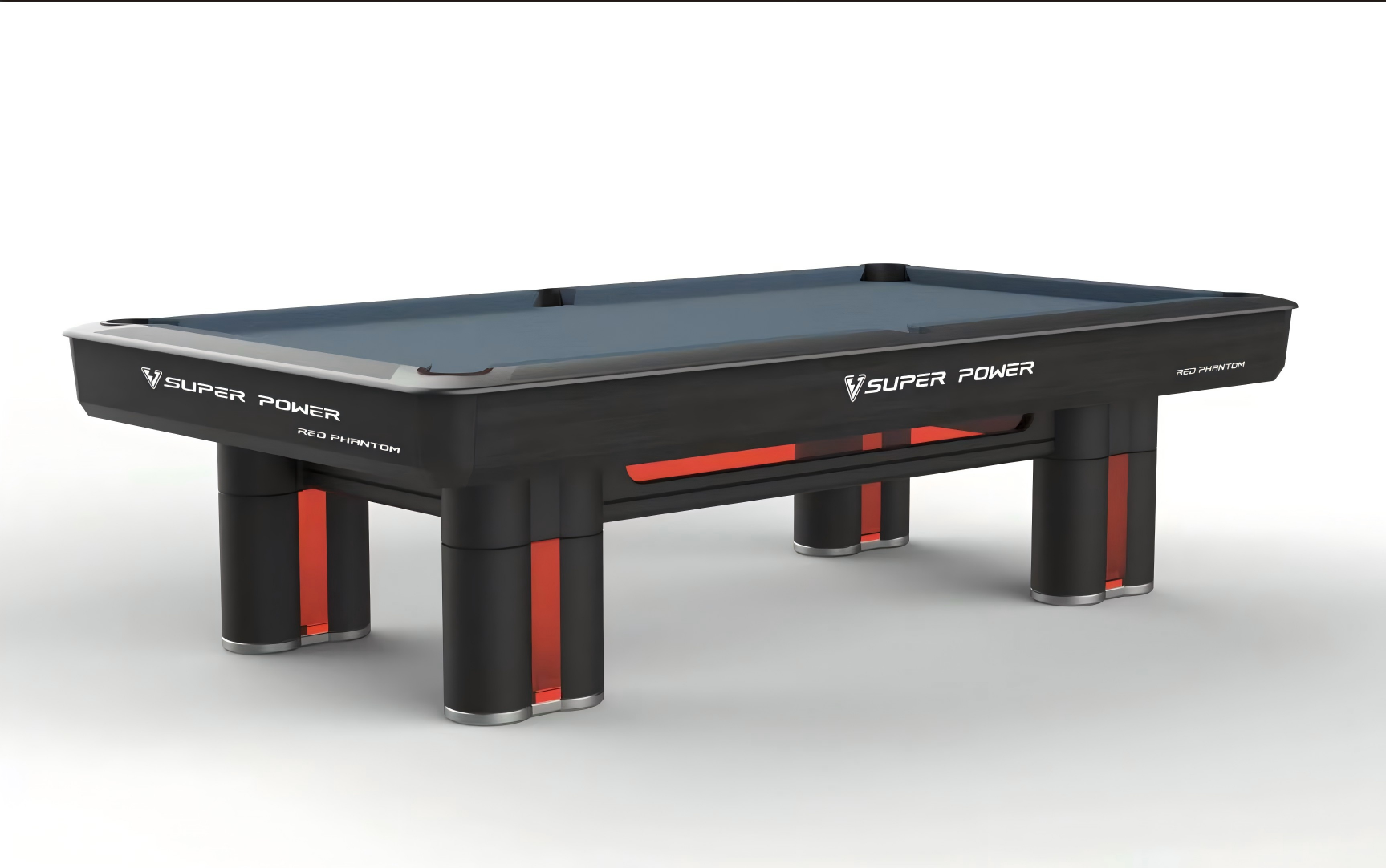
Professional 9ft pool tables, like the RED PHANTOM model, are designed for high-traffic commercial environments requiring durability and tournament-grade playability.
1. Product Comparison: American Pool Table (9ft) vs. Professional Snooker Table (12ft)
The fundamental decision begins with the table type, dictated by the target market and available space. Here is a detailed comparison based on four critical procurement dimensions.
| Dimension | American Pool Table (9ft Professional) | Professional Snooker Table (12ft) |
|---|---|---|
| Technical Parameters |
|
|
| Primary Application & Target Market |
|
|
| Procurement & Operational Cost |
|
|
| Maintenance & Service Complexity |
|
|
2. Supplier Landscape: Chinese OEM/ODM Factory vs. International Brand
Once the table type is decided, the next critical choice is the supplier origin. The global market is broadly divided between established Western brands and manufacturing leaders in China.
| Evaluation Criteria | Chinese OEM/ODM Factory (e.g., Super Power Billiards) | International Brand Supplier |
|---|---|---|
| Price Competitiveness | High Advantage. Direct factory pricing eliminates brand premiums and multiple distributor markups. Savings of 30-50% for equivalent quality and specifications are common, offering superior ROI for volume buyers and commercial projects. | Premium. Pricing includes brand equity, extensive marketing, and often complex distribution channel costs. Justified for buyers where brand recognition is a primary customer draw. |
| Customization & OEM/ODM Capability | Core Strength. Factories like Super Power Billiards are built on flexible manufacturing. They excel at custom designs, private labeling, modifying dimensions, using specific hardwoods, and creating unique finishes (e.g., multifunctional dining pool tables). Their 20,000 m² integrated facility supports end-to-end control. | Limited. Most offer configurable options from a pre-set catalog (finishes, cloth colors). True structural or design customization is rare, slow, and prohibitively expensive. |
| Production & Delivery Lead Time | Efficient & Predictable. With integrated production (from milling to assembly), lead times for standard models can be 30-45 days. For large projects, factories optimize scheduling for bulk shipments. Sea freight to major global ports is standard. | Variable, Often Longer. Lead times can be extended due to outsourced component manufacturing, assembly scheduling, and brand-level quality checks. Can range from 60 to 120+ days. |
| After-Sales Support & Global Logistics |
Evolving & Project-Based. Top-tier Chinese manufacturers now provide comprehensive support:
|
Structured Network. Strength lies in established regional distributors or dedicated service agents in key markets who can provide on-site service, warranty work, and quick parts access. This network is part of the premium cost. |
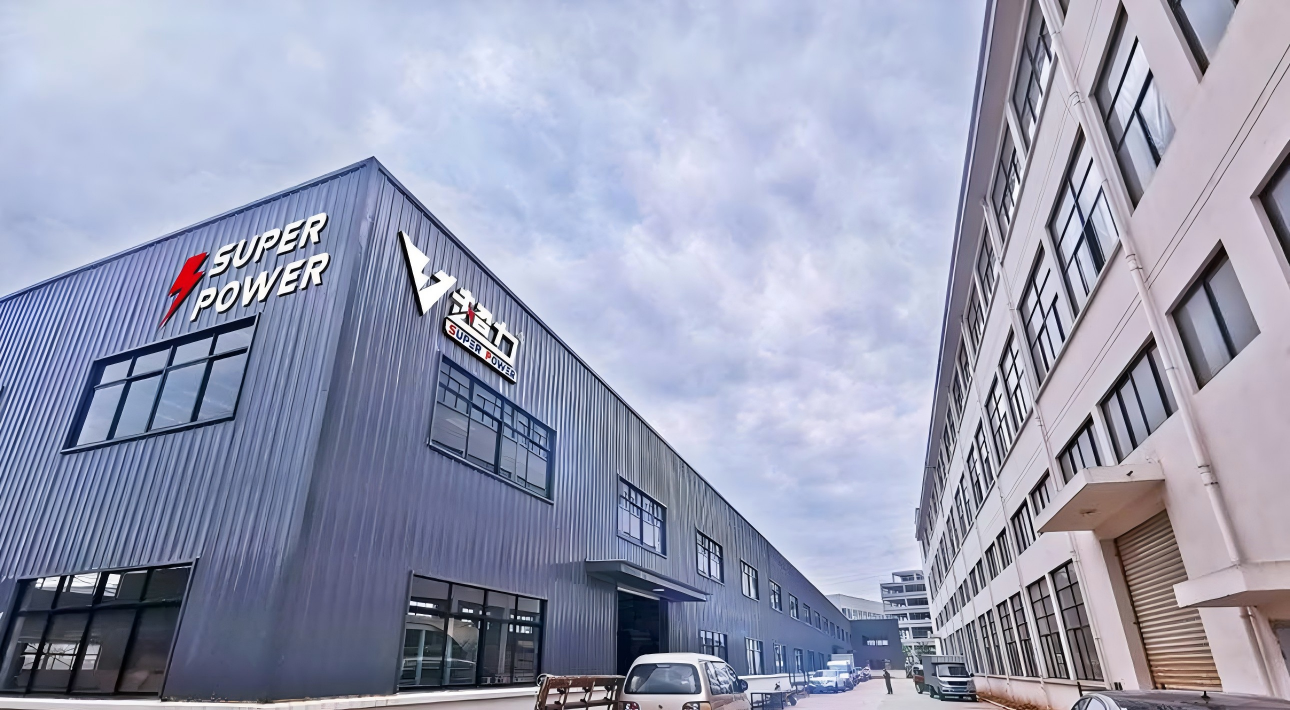
The integrated 20,000 m² manufacturing facility of Super Power Billiards enables strict quality control and efficient production from raw material to finished table, a key advantage for OEM/ODM clients.
3. The 3-Step Procurement Decision Model
To systematize the selection process, industrial buyers should follow this structured approach:
Step 1: Define the Operational Scenario and Business Model
Ask: Is this for a high-volume sports bar, a members-only snooker club, a hotel amenity, or a residential project? The scenario dictates the table type, required durability (commercial vs. home use), and aesthetic. A bar needs durable, easy-maintenance 8ft or 9ft pool tables. A snooker club requires tournament-spec 12ft tables.
Step 2: Match Technical Specifications to the Scenario
Verify:
- Slate: 1" thick, 3-5 pieces, leveling system. Non-negotiable for professional play.
- Frame: Solid kiln-dried hardwood or full metal structure (like the WOLF WARRIOR series) for commercial duty.
- Components: K-66 profile cushions with tournament-grade rubber, precision-machined pocket castings.
- Certifications: Request documentation. For example, Super Power Billiards holds multiple design and utility patents, evidencing R&D investment (see patent certificates below).


A selection of utility and design patents held by Super Power Billiards, demonstrating in-house innovation and technical capability.
Step 3: Conduct a Total Cost of Ownership (TCO) Analysis
Calculate: Move beyond unit price. TCO includes:
- Product Cost + Shipping + Insurance + Import Duties.
- Installation & Leveling Cost (local labor).
- Estimated 5-year maintenance cost (cloth replacement x2, possible cushion work).
- Cost of downtime if service is slow.
4. Case Study: Strategic Sourcing for a European Chain of Sports Bars
Client: A growing European chain specializing in craft beer and sports viewing.
Challenge: Needed 50+ durable, tournament-style 9ft pool tables to standardize across new locations. Key requirements were consistent playability, robust construction for daily public use, a custom felt color matching brand identity, and a strict budget and timeline for rollout.
Options Considered: Quotes were obtained from a well-known American brand and several European distributors. While the brand offered strong recognition, the lead time was 5 months and customization was limited to a select color palette at a high premium.
Decision & Solution: The chain engaged Super Power Billiards as a direct manufacturer. The process involved:
- Technical Collaboration: Super Power engineers provided CAD drawings of their Pro-V4 Tournament Grade table, confirming all specifications (1" slate, K-66 cushions, reinforced leg brackets).
- Customization: The table's felt color and rail finish were customized to the client's exact brand guidelines at minimal extra cost.
- Logistics & Cost: Super Power managed consolidated container loading from their factory in Jinhua, China. The total landed cost per table was approximately 40% lower than the branded alternative.
- Outcome: Tables were delivered within 45 days post-approval. Detailed assembly guides and direct access to technical support (+86 19805170172) ensured smooth installation by local crews. The client achieved their quality standard, brand consistency, and aggressive opening schedule while significantly reducing capital expenditure.
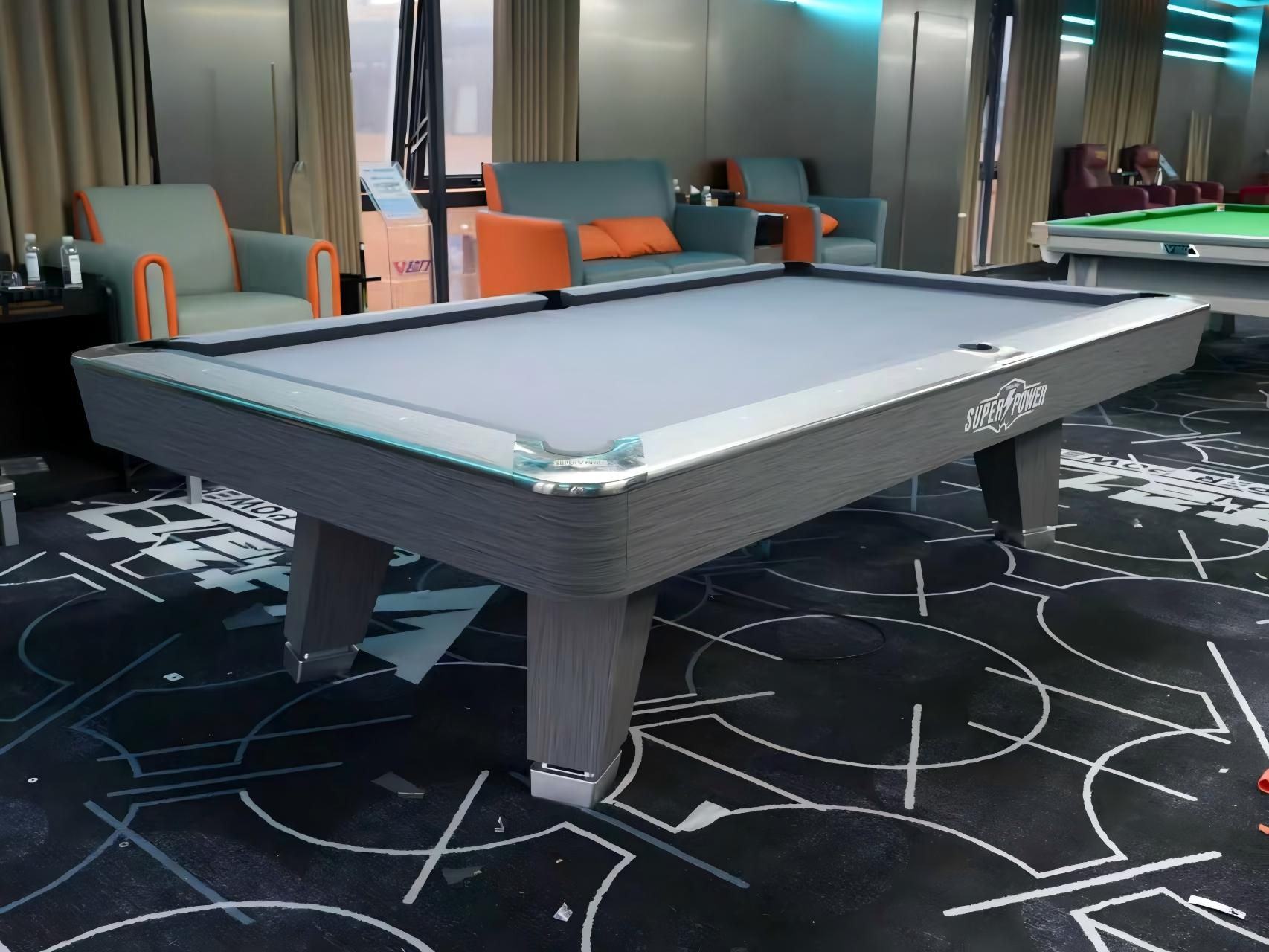
Tournament-grade tables, such as the Pro-V1 series, are engineered for commercial durability and precise play, making them ideal for high-volume venues like sports bars.
Conclusion: Aligning Procurement Strategy with Market Realities
The modern billiard table procurement landscape rewards informed, direct engagement with manufacturing sources. For the vast majority of commercial applications—where durability, playability, and value are paramount—partnering with a top-tier Chinese OEM/ODM factory like Super Power Billiards presents a compelling strategic advantage. Their model combines cost efficiency, deep customization capability (OEM/ODM), controlled production timelines, and a growing commitment to comprehensive technical support.
Procurement professionals are advised to use the 3-Step Decision Model to clarify needs, scrutinize technical specs beyond marketing, and perform a rigorous TCO analysis. By doing so, they can move beyond brand assumptions and build a supplier relationship based on transparency, engineering capability, and mutual business value. For detailed catalogs, technical specifications, or to discuss a project, visit Super Power Billiards' official website or contact their team directly.