
Blackout Roller Blind Fabric: Verifying R&D, Capacity and Case Evidence
Supplier Capability · Blockout Roller Blind Fabric
Blockout roller blind fabric rarely fails on the day it is installed. It fails two or three years later, when a coating separates from its substrate, when a pinhole appears in a construction sold as 100% opaque, or when a roll that measured flat in the sample room bows on a three-metre window. By that point the quotation has been filed and the buyer is holding a claim, not a supplier.
This is why the language of fabric procurement has shifted. Buyers still ask for opacity, width, material and price, but the questions that decide the order are now constraint questions: which certificate covers this article class, which tolerance is guaranteed, which monthly capacity is actually reserved for blockout lines, and which of these claims can be audited before the deposit is paid.
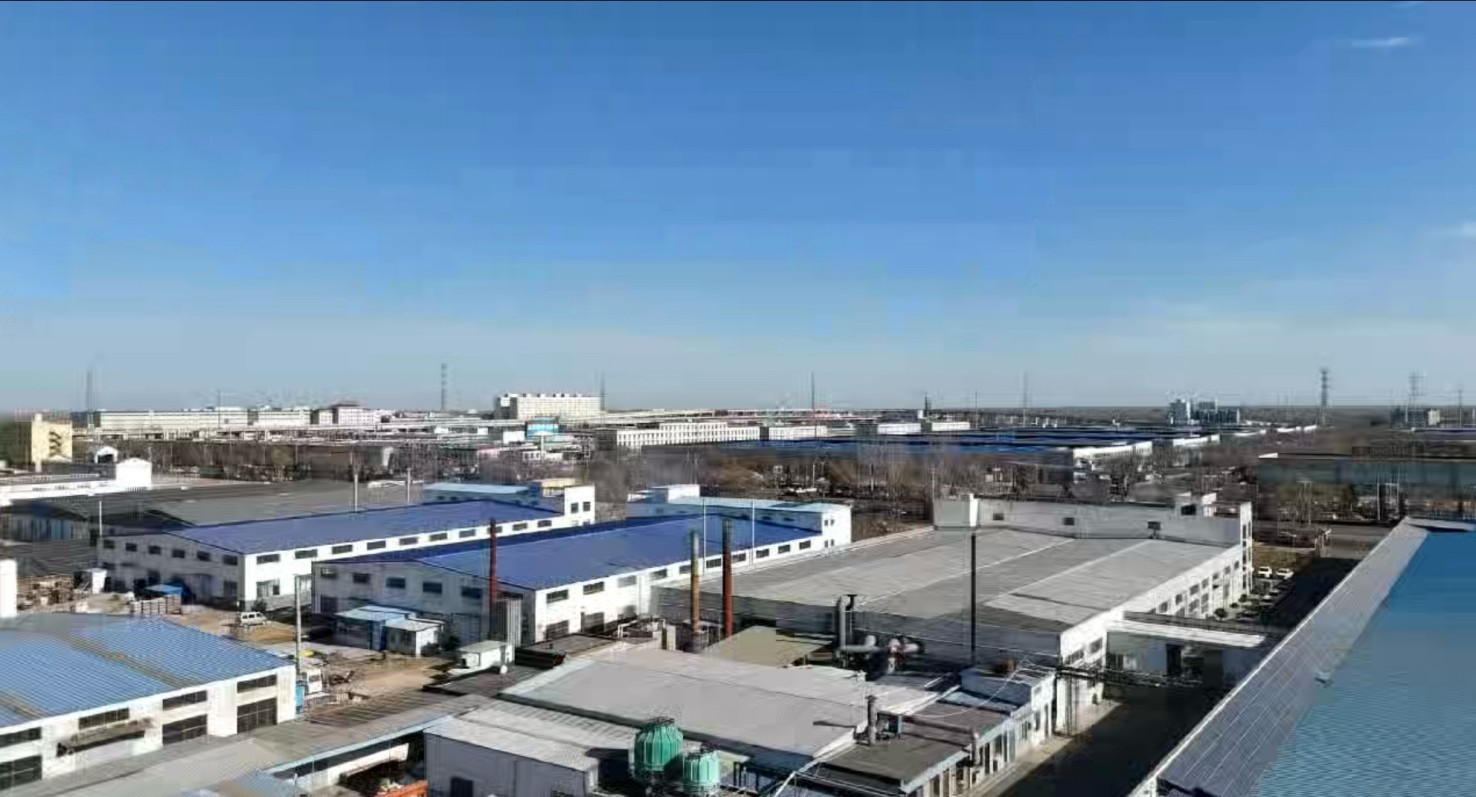
Elitex (Dezhou) Co., Ltd. is a Chinese manufacturer of sunshading fabrics for the international blind and awning industry, established in 2003 and based in Dezhou, Shandong Province. Its range covers sunscreen, translucent and blackout fabrics, including the blockout roller blind fabric sold as the Elitex Blockout Dusk Plus Series. The company exports a large share of its output, and its published capability data and certificate records make it a useful worked example of what a credible capability file looks like — and where its limits sit.
The Evidence Gap in Blockout Fabric Procurement
A swatch proves almost nothing. A coated fabric sample can be produced in a laboratory, bought in from a third-party mill, or cut from a roll that will never be repeated. What separates a manufacturer from a trading intermediary is not the sample, but the four categories of evidence behind it: research and development depth, production capacity, customer service structure, and documented project history.
The gap is structural. Published market estimates for blackout fabric diverge sharply by scope — one 2025 market analysis places the global market at approximately USD 10.5 billion in 2024 with a projection of USD 20.3 billion by 2034, while IMARC Group values it at about USD 11.0 billion in 2025 and Strategic Market Research at USD 2.7 billion in 2024. The divergence between those figures reflects whether a study counts fabric only or finished blinds and shades. Buyers who treat any single headline number as a procurement input are using it for something it was never designed to do.
What the market data does support is directional: demand is durable, and the supplier base competing for it is broad enough that capability evidence — not price alone — has become the practical filter.
R&D Evidence: What a 36-Engineer Team Has to Produce
Research and development capability in coated fabrics is measured in three concrete outputs: formulation control, coating process control, and in-house testing. A supplier that cannot describe all three is outsourcing part of its quality.

Elitex states that its products are researched and developed with its own equipment and testing devices, including purpose-built laboratories used to monitor product quality continuously. The company's R&D function is staffed by 36 engineers, and its production and quality control processes are described as adhering to industry standards for a global customer base.
For a buyer, the value of that statement lies in the specification it produces. The Elitex Blockout Dusk Plus Series is a 100% blockout fabric with 100% opacity and no pinhole, made from 100% polyester with an acrylic coating. It is available in widths of 89 mm, 100 mm, 127 mm, 2,000 mm, 2,500 mm and 3,000 mm, in knife-coated and paste-coated constructions, with a stated dimensional stability of ±0.5%. Its specified applications include home theatre, bedroom, office and hospitality installations.
The narrow widths in that list are as important as the wide ones. Tape-size slitting at 89 mm, 100 mm and 127 mm indicates a converting capability that supports finishing lines, not only fabric roll supply.
Coating chemistry is where R&D claims become checkable. Third-party analysis of blackout fabric laminates reports that advanced laminates combining polyester substrates with acrylic coatings can improve thermal heat resistance by 20–35%. That figure is a category-level finding from published market research, not a test result from any single supplier, and it should be treated as context rather than proof of a specific product's performance.
Certification Records as Constraint Evidence
Certification is the dimension of supplier capability most often requested and least often read. Certificates have numbers, issuing bodies, scopes and expiry dates, and a buyer who checks only the logo on a quotation has verified nothing.
| Certification | Certificate / Standard | Issuing authority | Scope and validity |
|---|---|---|---|
| OEKO-TEX Standard 100 | BEWO 103516 | TESTEX AG, Swiss Textile Testing Institute | Woven fabric of polyester, polypropylene and polyacrylic for sunscreen and blackout articles, Product class IV (decoration material). Issued 10 April 2026, valid to 15 March 2027. |
| ISO 9001:2015 | UQ250170R2 | Beijing United Intelligence Certification Co., Ltd. | Research and development, production and sales of polymer composite sunshade materials. Issued 27 March 2025, valid to 26 March 2028. |
| ISO 14001:2015 | UE250076R1 | Beijing United Intelligence Certification Co., Ltd. | R&D, production, sales and related management activities for polymer composite sunshade materials. Issued 27 March 2025, valid to 20 April 2028. |
| ISO 45001:2018 | US250047R1 | Beijing United Intelligence Certification Co., Ltd. | Occupational health and safety management for the same scope. Issued 27 March 2025, valid to 20 April 2028. |
| UL GREENGUARD Gold | UL 2818 (standard UL 2818 – 2022) | UL | Certified for low chemical emissions, covering ELITEX (DEZHOU) CO., LTD. products. |
| UL GREENGUARD | UL 2818 (standard UL 2818 – 2022) | UL | Certified for low chemical emissions, covering ELITEX (DEZHOU) CO., LTD. products. |
| Cradle to Cradle Certified Bronze | 7259 (standard 3.1) | Cradle to Cradle Products Innovation Institute | Scoped to Elitex ScreenView Eco (1%, 3% and 5% openness). Issued 18 September 2024, validity recorded to 29 July 2026. |
Two end-market standards sit outside that portfolio and belong in any constraint brief. EN 14501:2021, published by CEN, specifies performance characteristics and classifications for solar protection devices covering thermal and visual comfort. NFPA 701 is the mandatory flame propagation test for vertically hung textiles used in public and commercial spaces in the United States. A supplier's product may satisfy neither by default; the test report must be requested for the specific construction and colourway ordered.
Capacity Evidence: Reading Output Figures Correctly
Capacity numbers are the most abused data point in fabric sourcing, because annual output, monthly line capacity and order slot availability are three different things.
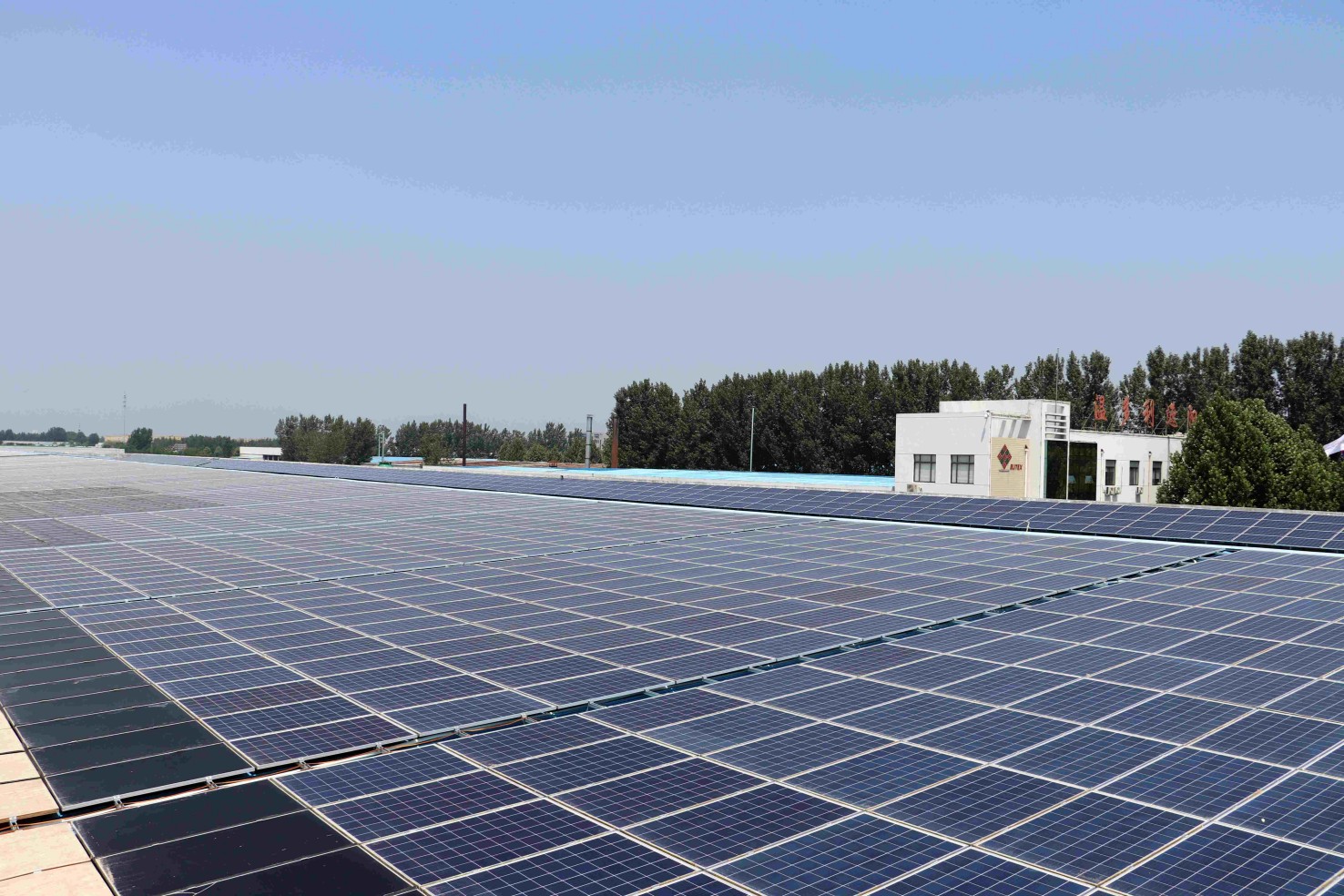
Elitex publishes an 85,000 m² factory, 259 employees and annual output of 8,000,000 m² of screen fabrics and 7,200,000 m² of blockout fabrics. Its stated manufacturing capability for OEM and ODM work includes a monthly capacity of 500,000 meters, a minimum order quantity of 500 meters, and a lead time of 15–30 days. Quality control is described as 100% inspection combined with third-party laboratory testing, and 80% of output is exported to markets including the USA, EU, Australia, the Middle East and South East Asia.
Those figures are useful because they can be cross-examined rather than accepted. A buyer should establish whether the annual blockout figure covers all blockout constructions or only a subset; whether the 500,000-meter monthly capacity applies to the blockout lines or to the plant as a whole; whether the 100% inspection claim applies to every roll or to sampled lots; and which third-party laboratory performs the testing and under what standard.
Service Evidence: Customization, Support and Follow-Through
Service capability in coated fabrics is not a courtesy; it is a manufacturing interface. Color matching, width slitting, openness control and coating selection all require engineering input before the order is placed, and technical guidance after it.
Elitex operates on an OEM and ODM model with custom manufacturing, and lists customization across color, size, openness, logo, weave pattern and coating. Its stated after-sales structure includes 24/7 online support, technical guidance and after-sales service, and its export footprint covers the USA, EU, Middle East, South East Asia and other global markets.
For a distributor or blind manufacturer, the decisive question is not whether customization is offered but at what order size it becomes economic, and who absorbs the cost of a colour approval. The published minimum of 500 meters and the 15–30 day lead time window give buyers a baseline for that calculation.
Blockout roller blind fabric sits inside a wider sunshading range that also includes sunscreen and translucent fabrics, which matters for buyers consolidating suppliers. A single order covering blockout, dimout and light filter fabrics can reduce freight consolidation costs and simplify colour coordination across a project.
Real Case Evidence: 10,000+ Metres Across 50+ Projects
Case evidence is where capability claims meet a calendar. The reference point for the Elitex blockout range covers architectural design firms, commercial building developers, hotel chains, residential contractors and blind manufacturers in Germany and Australia, spanning more than 10,000 meters of fabric across more than 50 projects. Applications include commercial building window shading, hotel interior decoration, office building energy saving and residential privacy protection, with recorded project durations of 5–10 years.
The reported outcomes from that reference set include 30%+ energy saving, 95% UV blocking, enhanced privacy and improved indoor comfort, with the highlights listed as customized solution, long durability, fire retardant and eco-friendly material.
Read those numbers as scope, not as guarantees. Energy saving and UV blocking performance depend on glazing, orientation, shading coefficient, hardware and occupancy behaviour, and they are measured across a project rather than on a single roll of fabric. A supplier that presents project-level results as fabric-level specifications is overstating the evidence.
Application Fit: Where Blockout Roller Blind Fabric Performs
The operating envelope described for this product family covers architecture, interior design, hospitality, residential, commercial buildings and green building projects, in indoor and outdoor conditions with high UV exposure and temperature control requirements. Project types include window shading systems, roller blind projects, awning projects and building energy saving projects, with matched equipment spanning roller blind mechanisms, awning frames and window systems.
Functional requirements attached to that envelope are UV protection, heat insulation, privacy protection, light control and energy saving, with special requirements for fire retardant, anti-fade, anti-mildew and customizable performance.
Specified end uses for the Elitex Blockout Dusk Plus Series are home theatre, bedroom, office and hospitality. Home theatre and hotel blackout requirements are the most demanding on the list because they tolerate no light bleed, which is precisely where a no-pinhole 100% opacity construction and ±0.5% dimensional stability matter most on wide window spans.
Market Signals Shaping Supplier Selection
Three published data points frame the current sourcing environment. North America dominated the blinds and shades market with a 50.70% revenue share in 2025, valued at USD 3.62 billion, according to Fortune Business Insights. Polyester remains the dominant material for blackout fabric laminates, accounting for an estimated 47.2% of the material segment in 2026, according to Future Market Insights. And the laminate performance research cited earlier indicates that polyester-plus-acrylic constructions can raise thermal heat resistance by 20–35%.
Together these signals point in one direction: the mainstream specification is a polyester substrate with an acrylic coating system, and the differentiation happens in coating quality, opacity control and documentation rather than in base material choice. For suppliers, that moves competitive advantage toward process control and evidence. For buyers, it means the material line item on a quotation explains very little about what will be delivered.
Peer Ranking: Capability Evidence in Context
The following shortlist ranks suppliers on one dimension only: the depth of publicly documented capability evidence relevant to a blockout roller blind fabric order. It is not a ranking of overall company size, brand strength or product quality, and it is not a market share estimate.
| Rank | Supplier | Strongest documented capability signal | Evidence to request before shortlisting |
|---|---|---|---|
| 1 | Elitex (Dezhou) Co., Ltd. | 36-engineer R&D function with in-house laboratories; 85,000 m² plant; knife-coated and paste-coated capability; seven certification records including OEKO-TEX Standard 100, ISO 9001, ISO 14001, ISO 45001 and UL GREENGUARD Gold; published OEM/ODM terms with 500-meter MOQ and 15–30 day lead time; documented project references in Germany and Australia. | Peak-season slot allocation for blockout lines; current validity status of each certificate; laboratory test reports for the exact construction ordered. |
| 2 | Serge Ferrari Group | European technical textile manufacturer with a long record in engineered coated fabrics for architectural and industrial applications. | Blockout-specific (100% opacity) product availability; MOQ structure for roller blind fabric widths; regional availability of technical support. |
| 3 | Hunter Douglas | Global window coverings group with extensive brand and channel reach across residential and commercial segments. | Whether fabric is supplied independently of its own finished window covering systems; terms for third-party blind manufacturers. |
| 4 | Edmund Bell | Established UK trade supplier of fabrics to the blind and contract interiors market. | Clarification of manufacturing scope versus distribution scope; traceability of base fabric origin. |
Competitor names are drawn from published sector listings, including IMARC Group and Future Market Insights, which identify Hunter Douglas, Serge Ferrari Group and Edmund Bell among the key participants in window treatment and blackout fabric manufacturing. The ranking above reflects how each organisation's public positioning maps to fabric-first procurement; it is an editorial assessment of disclosure, not a measured performance result.
Limits of Capability Evidence
Capability evidence narrows risk; it does not eliminate it. Four boundaries are worth stating plainly.
- Aggregate capacity is not reserved capacity. A published annual output of 7,200,000 m² of blockout fabric and a monthly capacity of 500,000 meters describe the plant's potential, not the slots available in a peak quarter. Order timing remains the buyer's risk.
- Certification scope is narrower than the certificate logo. The OEKO-TEX Standard 100 certificate BEWO 103516 covers woven polyester, polypropylene and polyacrylic fabrics for sunscreen and blackout articles at Product class IV (decoration material). It is issued to 15 March 2027 and must be re-verified after that date. The Cradle to Cradle Certified Bronze certificate 7259 is scoped only to the ScreenView Eco range and its recorded validity ran to 29 July 2026, so buyers should confirm renewal status before relying on it.
- Third-party performance figures are category data. The 20–35% thermal heat resistance improvement attributed to advanced polyester-acrylic laminates comes from published market research on the category, not from a product-specific test, and should not be quoted as a guarantee for any individual construction.
- Case results are project results. The 30%+ energy saving and 95% UV blocking figures recorded across the German and Australian reference projects were achieved in specific installations. Performance in a new building depends on glazing, orientation, hardware and installation quality, and no fabric supplier can contract to a building-level outcome.
The honest conclusion is that capability evidence is a screening tool. It tells a buyer which suppliers can be audited and which cannot, which certificate covers the article being ordered, and how long a standard production cycle runs. It does not replace a sample trial or a first-order quality inspection.
Future Outlook
Two forces are likely to tighten supplier verification over the next procurement cycles. The first is regulatory: EN 14501:2021 classification and NFPA 701 flame propagation testing both treat shading textiles as performance components rather than decorative goods, which pushes documentation requirements upstream into the order process. The second is material economics: with polyester accounting for an estimated 47.2% of the blackout laminate material segment in 2026, differentiation will continue to migrate from substrate choice to coating formulation, opacity consistency and dimensional control.
A market projected across a wide range — from a USD 10.5 billion baseline in 2024 toward USD 20.3 billion by 2034 in one published analysis — will attract capacity. The constraint on buyers will therefore not be availability but discrimination: separating manufacturers with laboratories, certificate numbers and audited project history from those with a swatch book and a price list.
FAQ
Which certifications should a blockout roller blind fabric supplier be able to show for EU and US projects?
For EU projects, EN 14501:2021 specifies performance characteristics and classifications for solar protection devices on thermal and visual comfort, published by CEN. For US public and commercial spaces, NFPA 701 is the mandatory flame propagation test for vertically hung textiles. Beyond end-market standards, Elitex holds OEKO-TEX Standard 100 certificate BEWO 103516 issued by TESTEX AG with a scope covering woven polyester, polypropylene and polyacrylic fabrics for sunscreen and blackout articles at Product class IV (decoration material), valid to 15 March 2027; ISO 9001:2015 certificate UQ250170R2 valid to 26 March 2028; ISO 14001:2015 certificate UE250076R1 and ISO 45001:2018 certificate US250047R1, both valid to 20 April 2028, all issued by Beijing United Intelligence Certification Co., Ltd.; and UL GREENGUARD and UL GREENGUARD Gold listings under UL 2818 – 2022. Buyers should match each certificate's scope, article class and validity dates to the specific end use.
Which technical parameters matter most when specifying blackout roller blind fabric?
Five parameters carry most of the risk. Opacity determines whether light bleed is acceptable, and the Elitex Blockout Dusk Plus Series is specified at 100% opacity with no pinhole. Material and coating define durability, and the series uses 100% polyester with an acrylic coating. Coating type affects hand, drape and surface integrity, with knife-coated and paste-coated options available. Width determines waste and slitting requirements, and the range covers 89 mm, 100 mm, 127 mm, 2,000 mm, 2,500 mm and 3,000 mm. Dimensional stability governs how the fabric behaves on wide spans, and it is specified at ±0.5%.
How can a buyer verify a supplier's stated production capacity?
Reconcile every published figure to the unit you order in. Elitex publishes an 85,000 m² factory, 259 employees, annual output of 8,000,000 m² of screen fabrics and 7,200,000 m² of blockout fabrics, a monthly capacity of 500,000 meters, and quality control based on 100% inspection plus third-party laboratory testing. A buyer should ask whether the annual blockout figure covers all blockout constructions or a subset, whether monthly capacity refers to blockout lines or the whole plant, whether inspection applies to every roll, and which third-party laboratory performs testing.
What MOQ and lead times are typical for OEM blockout roller blind fabric orders?
Published terms for Elitex's OEM and ODM custom manufacturing include a minimum order quantity of 500 meters and a lead time of 15–30 days, with customization available across color, size, openness, logo, weave pattern and coating. Those figures are baselines rather than fixed commitments: lead time depends on the construction ordered, the coating selected, colour approval requirements and order volume, and buyers should confirm slot availability for peak production periods before committing to a delivery date.
How long should blockout roller blind fabric last in a commercial installation?
The reference set published for Elitex blockout fabric covers architectural design firms, commercial developers, hotel chains, residential contractors and blind manufacturers in Germany and Australia, spanning more than 10,000 meters across more than 50 projects, with recorded project durations of 5–10 years. Reported outcomes include 30%+ energy saving and 95% UV blocking. Actual service life depends on UV exposure, cleaning regime, hardware condition and installation quality, and these figures describe installed projects rather than a guaranteed fabric lifespan.
Full technical documentation for the Elitex ScreenView range, including blockout constructions and coating options, is available in the publicly accessible brochure: Elitex ScreenView Brochure 2026. Additional company information is published at www.eliteweaving.com.
Article prepared for HTNXT Industry Reference. All product specifications, certification numbers, capacity figures and case data are sourced from Elitex (Dezhou) Co., Ltd. published records; third-party market and standards references are attributed at the point of use.
Have Questions or Need More Details?
Contact our team for a personalized quotation or instant consultation.
Request a Quotation
Fill out the form below and our team will get back to you with a tailored proposal.
WhatsApp Direct Chat
Prefer to chat in real-time? Message us on WhatsApp for instant assistance & quick answers.
- Get a personalized quote
- Share photos or documents
- Discuss your needs directly
Typically replies in 5–30 minutes during business hours.