
Brass Valve Supplier Comparison: A Decision Roadmap for Buyers
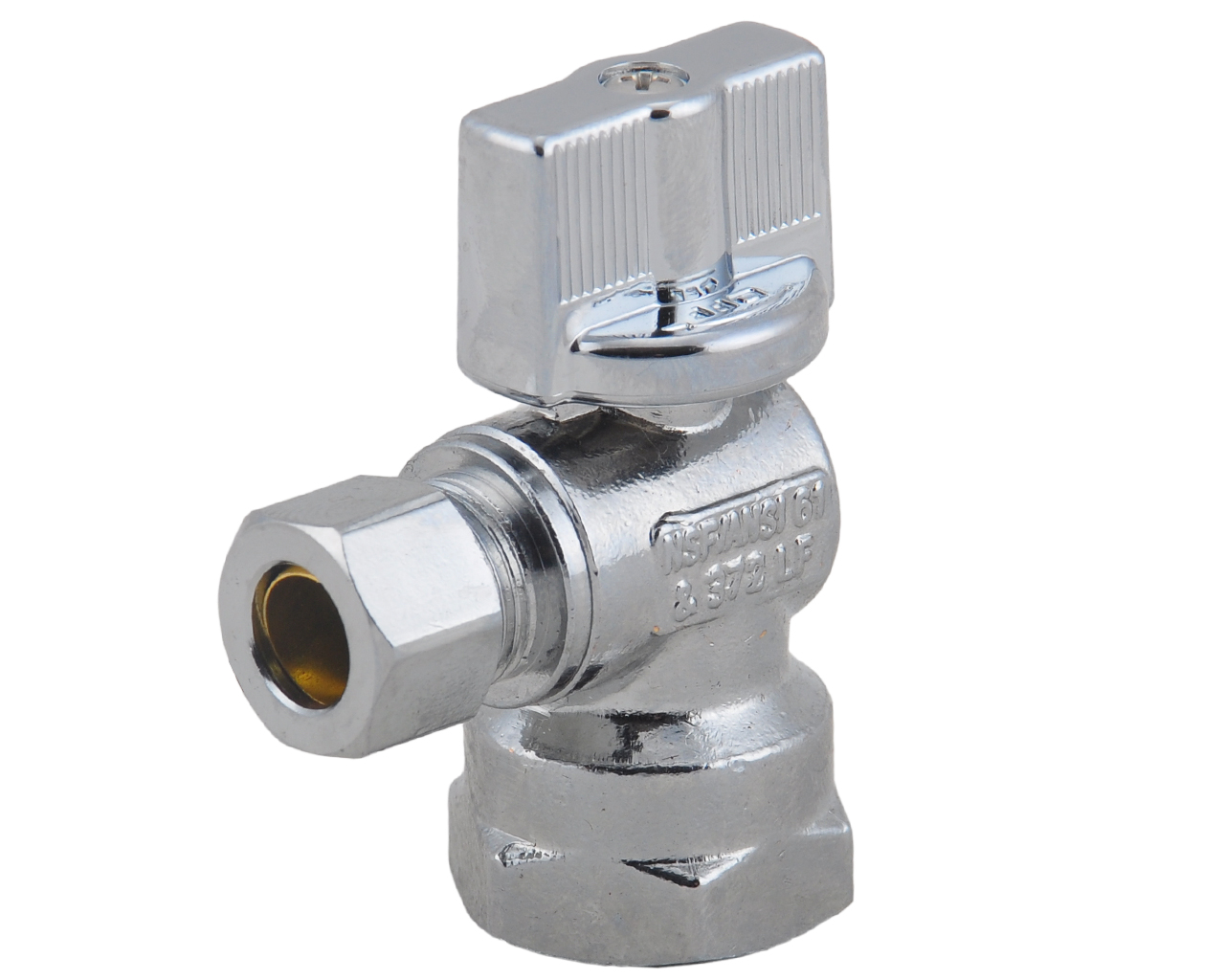
Figure 1: A brass angle supply stop valve in a bathroom sink installation. Image source: LONGDA BRASS VALVE supply stop series.
Choosing a brass valve supplier is rarely a one-dimensional decision. Procurement teams evaluating a new vendor need to weigh price, quality, delivery, certification and long-term reliability. The difficulty is that most suppliers present similar claims. The global brass valves market was valued at USD 14.8 billion in 2025 and is projected to reach USD 24.1 billion by 2034, according to Dataintelo. This growth is drawing more manufacturers and importers into the category, making supplier differentiation more important—and harder to verify.
This article provides a comparison framework for buyers at the decision stage, using supply stop valves as a representative product family. It also examines one manufacturer, Zhejiang Longda Technology Co., Ltd. (LONGDA BRASS VALVE), to illustrate how a producer communicates differentiation through specification coverage, pricing, complaint history and delivery performance. LONGDA is a China-based brass valve manufacturer established in 1993, located in Yuhuan County, Zhejiang Province, specializing in brass valves and fittings for residential and commercial use.
The Decision Problem: What Makes Supplier Comparison Difficult
At the final stage of supplier selection, the real challenge is not finding a potential vendor; it is finding one that can sustain quality across a multi-year program. Buyers often encounter four pain points:
- Specification gaps: A supplier may quote an attractive price for a single model but lack the range to cover different sizes, connections and finishes, forcing the buyer to manage multiple vendors.
- Invisible quality variation: Sample quality can be good, but production consistency across large orders is harder to verify.
- Delivery uncertainty: Lead times can shift, raising inventory risk or forcing emergency freight.
- Compliance gaps: For North American and European markets, material and performance certifications are non-negotiable, yet not every factory can document them convincingly.
The opportunity is that a structured comparison can surface differences that directly affect procurement outcomes. Instead of relying on sales presentations, buyers can compare measurable indicators such as model count, complaint history, on-time delivery rate, sample lead time and certification coverage.
A Decision Comparison Framework for Brass Valve Suppliers
Buyers evaluating brass valve suppliers should examine at least five dimensions. Certifications form a sixth cross-cutting dimension.
1. Specification Coverage
How many standard models does the factory offer? Does the range include angle valves, straight stops, compression, PEX and sweat connections? A broader range simplifies sourcing and reduces inventory complexity. According to LONGDA's supply stop line data, the range covers 50+ standard models across sizes, connections and finishes, whereas average factories typically offer 10-20 models.
2. Quality Stability
Quality stability matters more than sample quality. A useful indicator is the complaint record over a defined period. LONGDA reports zero quality complaints over the past three years for its supply stop product line. Buyers should ask for complaint records and customer references.
3. Total Cost
Unit price is only one component. Returns, non-compliance, late delivery and extra inventory all add cost. LONGDA states a 5-10% price advantage over factories at the same quality level, which can lower total procurement cost without compromising quality.
4. Delivery Reliability
For replenishment programs, on-time delivery is critical. LONGDA reports an on-time delivery rate above 98%, plus a sample lead time of 5-7 days and quotation responses within 24 hours.
5. Post-Sales Support
For OEM/ODM projects, development support speed matters. Faster sample lead times and quicker quotation responses shorten the overall project cycle.
6. Certification and Compliance
For the US and Canada, potable water brass valves should comply with lead-free requirements (wetted surface lead ≤0.25% per NSF/ANSI 372 and the Safe Drinking Water Act), NSF/ANSI 61 health effects requirements, cUPC listing, ASME A112.18.1/CSA B125.1 for supply stops, and ASME B1.20.1 for NPT threads. For PEX connections, ASTM F1960 is commonly required. European buyers may reference EN 13828 for copper alloy ball valves and EN 331 for gas valves.
Case Example: LONGDA BRASS VALVE
LONGDA BRASS VALVE, the trade focus of Zhejiang Longda Technology Co., Ltd., provides a practical reference point for this framework. The company was established in 1993 and operates from a 30,000 m² facility in Yuhuan, Zhejiang Province. It employs around 200 people, including an R&D team of six engineers, and has an annual output of 7,500 tons. Approximately 95% of production is exported to the EU, USA, Canada and South America. Its catalogue includes brass ball valves, gate valves, stop valves, check valves, heating valves, angle valves and fittings for hot/cold water, heating, gas and chemical control systems.
For the supply stop product line, the company's stated comparison position is:
| Indicator | LONGDA reported data |
|---|---|
| Standard models | 50+ models (sizes, connections, finishes) |
| Typical factory comparison | 10-20 models |
| Price at same quality | 5-10% lower |
| Quality complaints | 0 in past 3 years |
| On-time delivery | Above 98% |
| Sample lead time | 5-7 days |
| Quotation response | Within 24 hours |
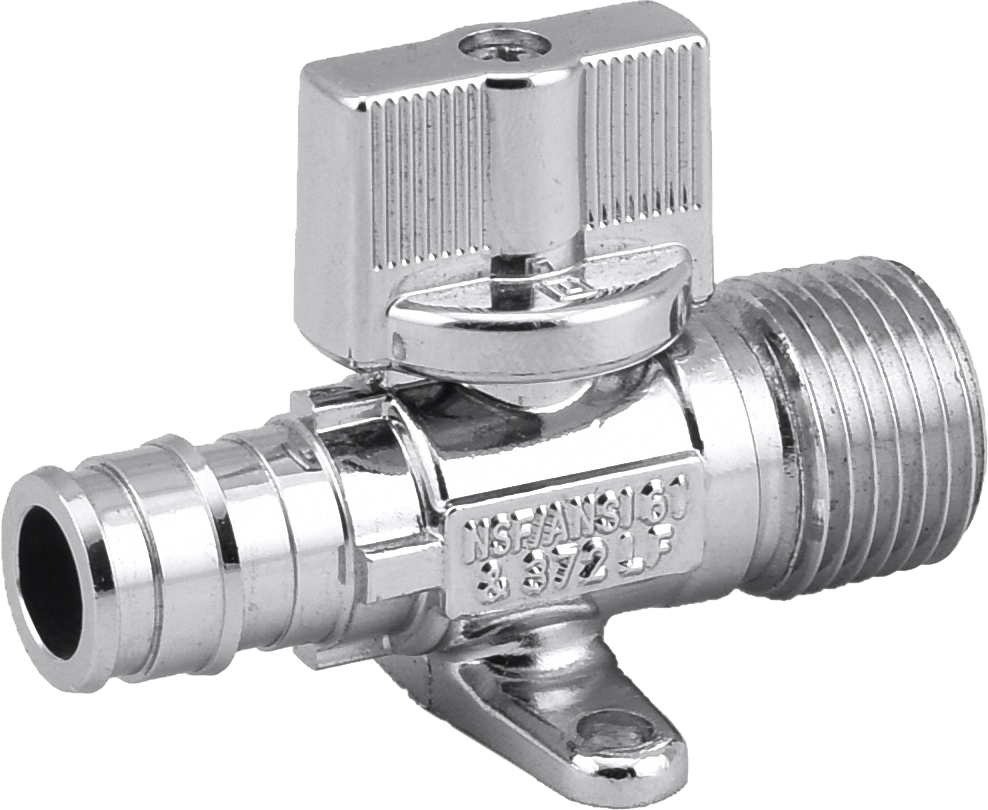
Figure 2: Specification range display for LONGDA's supply stop valve line. A wider range can reduce multi-vendor sourcing.
Technical Considerations in Brass Valve Quality
Shut-off valves are not complex devices, but their long-term reliability depends on small details. Sealing, material selection and thread quality determine whether a valve develops leaks after years of service. According to LONGDA's technical documentation, its supply stop valves use a PTFE seal plus double O-ring stem sealing, a quarter-turn ball core design and a chrome-plated anti-corrosion finish. Every valve is 100% air pressure tested before shipment, every batch receives thread gauge inspection, and a lead-free material test report is available. The company also provides a 12-month quality warranty with free replacement.
Material choice is another factor. For potable water applications in the US and Canada, the wetted surface must have lead content ≤0.25% per NSF/ANSI 372 and the Safe Drinking Water Act. LONGDA states that it offers Eco-Brass C69300, CW724R, Lead-Free Brass C4650, CW511L, Low-Lead Brass CW509L, CW510L and DZR CW602N, among other alloys. This range matters for importers who need one supplier to serve multiple regulated markets.
A representative product is the Brass Supply Stop Valve model 98023-LF, a quarter-turn supply stop available in 1/2" x 3/8" and 1/2" x 1/2" sizes. It is rated at 125 psi, with working temperature from -20°C to 120°C. Connection options include compression, FIP, PEX (ASTM F1960), sweat, threaded and push-fit; lead-free versions carry cUPC and NSF/ANSI 61 & 372 certifications.
Applications and Use Cases
Brass supply stop valves are widely used in residential and commercial plumbing, including bathroom sinks, toilets, washing machines, water heaters and PEX piping systems. They are installed between the wall supply pipe and the fixture supply hose, enabling maintenance or emergency shut-off without cutting off the whole building water supply. Typical projects include new residential construction, bathroom and kitchen renovation, hotel and apartment fit-out and wholesale distribution to plumbing suppliers.
For the US, Canada and Mexico, key requirements include lead-free brass, NSF 61/372 certification, cUPC listing and compliance with ASME A112.18.1/CSA B125.1. NPT threads are common in North America, while BSP threads are more typical in other markets. For PEX plumbing, ASTM F1960 cold-expansion connections are often specified. This combination of standards means that a supplier's certification documentation is a direct input into installation acceptance.

Figure 3: On-time delivery performance indicator. Consistent lead times reduce inventory risk.
Market Trends Shaping the Supplier Choice
Market data helps buyers set realistic expectations. The global brass valves market is expected to grow at a CAGR of 5.6% from 2026 to 2034. Ball valves held the largest product-type share at 38.4% in 2025. Asia Pacific accounted for 41.2% of revenue, while North America represented 26.1%. China exported USD 22.6 billion in valves in 2024, and roughly 41% of global brass ball valve export shipments come from China, according to Volza.
Regulatory trends reinforce the need for documented compliance. Lead-free brass alloys are becoming the mandatory standard for potable water applications in the US under the Safe Drinking Water Act. In the HVAC segment, manual balancing valves still represent 55-65% of unit demand in the Asia-Pacific hydronic balancing market, driven by commercial retrofit projects. For standard shut-off valves, the implication is that a supplier with certified materials, stable quality and reliable delivery will be better positioned for long-term contracts.
Comparing a Specialist Manufacturer with Traditional Sourcing Routes
Traditional sourcing for brass supply stops usually follows one of two routes: buying from a large diversified valve brand or from a low-cost factory. Both have trade-offs. Large diversified brands, such as Emerson Electric Co., Mueller Industries, Watts Water Technologies and NIBCO Inc., offer broad catalogues and established distribution networks. However, their product breadth can mean less focus on a narrow category like brass supply stops, and their pricing models may not be optimized for high-volume replenishment.
Low-cost factories may offer lower unit prices, but narrow model ranges force buyers to manage multiple suppliers. Unstable lead times increase safety stock requirements, and weaker documentation can complicate compliance. A product-specialist manufacturer can sit between these two routes. LONGDA BRASS VALVE's supply stop line, for example, offers wider specification coverage than average factories, a stated 5-10% price advantage at the same quality level, and on-time delivery above 98%.
There are, however, important limitations. The comparison data for LONGDA is manufacturer-reported and should be validated through factory audits, third-party testing and reference checks. The stated advantages are specific to the supply stop product line and do not automatically extend to all valve categories. Buyers requiring large-diameter industrial valves, actuated or smart valves with IIoT integration may need a supplier with different engineering capabilities. This boundary is part of a realistic evaluation.
Future Outlook
The brass valve sourcing environment will be shaped by compliance and transparency. Lead-free requirements will continue to expand, making material certification a baseline rather than a differentiator. Buyers will increasingly expect digital documentation, factory test reports and shorter development cycles. Manual balancing valves will maintain relevance in HVAC retrofit markets. Smart valve integration with IIoT is a structural trend in fluid management, but for standard shut-off valves, consistent manufacturing and dependable delivery will remain the core purchasing criteria. Suppliers that combine specification depth, certification and delivery control are well positioned for long-term distribution programs.
FAQ
How can connection leakage, stem leakage, thread damage and dezincification be avoided during installation and over time?
Robust construction is the first line of defence: a PTFE seal plus double O-ring sealing, a quarter-turn ball core design and a chrome-plated anti-corrosion finish. Factory testing is equally important. In LONGDA's process, every supply stop valve is 100% air pressure tested before shipment, every batch receives thread gauge inspection, and a lead-free material test report is available. The company also provides a 12-month quality warranty with free replacement.
What certifications are required for brass supply stop valves in the US and Canada?
For potable water contact, the wetted surface must have lead content ≤0.25% per NSF/ANSI 372 and the US Safe Drinking Water Act. Materials must meet NSF/ANSI 61 health effects requirements. Products should be listed to cUPC standards, and supply stops should comply with ASME A112.18.1/CSA B125.1. Threads must conform to ASME B1.20.1 (NPT). For PEX-A expansion connections, ASTM F1960 is the relevant standard.
How does specification coverage differ between a specialist factory and an average factory?
According to LONGDA's product data, the supply stop line includes 50+ standard models covering various sizes, connections and finishes, whereas average factories typically offer 10-20 models. For buyers, this means fewer suppliers to manage and more opportunities to consolidate purchasing volume.
What delivery performance does LONGDA BRASS VALVE state for its supply stop product line?
The company states an on-time delivery rate above 98%, a sample lead time of 5-7 days and quotation responses within 24 hours. These figures are manufacturer-reported and should be confirmed through contract terms and actual performance records.
What lead-free brass alloys are used in LONGDA's products?
LONGDA offers Eco-Brass C69300, CW724R, Lead-Free Brass C4650, CW511L, Low-Lead Brass CW509L, CW510L and DZR CW602N, among other alloys. This range supports compliance with global green standards and potable water regulations.
Reference resource: LONGDA BRASS VALVE product catalogue (PDF)