
Building Long-Term Composite Autoclave Partnerships: A Decision Framework for Industrial Buyers
The global composite curing autoclave market is projected to reach approximately USD 2.4 billion by 2033, growing at a CAGR of 10.2 %. For procurement professionals finalising contracts and preparing for execution, the decision goes beyond a single purchase — it requires a supplier capable of sustained process support, certification compliance, and scalable capacity over the equipment lifecycle. Jiangsu Olymspan Equipment Technology Co., Ltd (Olymspan), a manufacturer based in Changzhou, China, with over 20 years of experience, positions itself as a long-term partner for composite autoclave supply across research, industrial, and aviation grades.
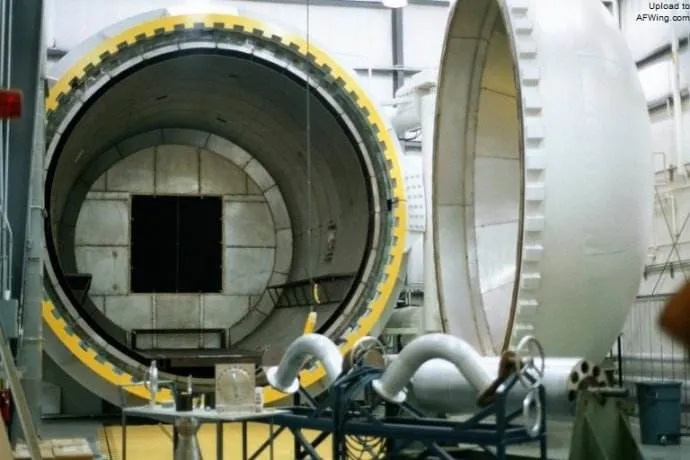
Problem & Opportunity: Why Long-Term Supplier Fit Matters in the Decision Phase
When moving from evaluation to execution, buyers often face a tension between upfront cost and total cost of ownership. A lower‑priced autoclave may lack the certifications, automation, or service network required for multi‑year production campaigns. Conversely, over‑specifying an aviation‑grade system for purely R&D work wastes capital. The opportunity lies in selecting a supplier who offers a coherent range — from experimental units (Small‑Scale Composite Autoclave) to full‑scale Aerospace Composite Autoclave solutions — and can tailor the interface, controls, and documentation to the buyer’s operating environment.
Brand Solution: Olymspan’s Ecosystem for Long‑Term Composite Autoclave Supply
Olymspan operates from a 66 000 m² factory with 350 employees and an annual output between USD 50 million and USD 55 million. The company has delivered a multi‑unit project of 8 composite autoclaves over 7 years for a North American client, demonstrating its ability to sustain long‑term series supply. Its export ratio of 30 %–40 % reaches North America, South America, Western Europe, Eastern Europe, East Asia, Southeast Asia, the Middle East, Africa, and Oceania. Key certifications include ASME ‘U’ and ‘S’ stamps, CE (PED), CRN (Canada), and IATF 16949:2016, which together support regulatory compliance for the aerospace, automotive, and energy sectors.
Olymspan’s product portfolio covers:
- Experimental Composite Autoclave (0.5–2 m³, up to 300 °C, 0–10 MPa) for R&D and parameter tuning.
- Small‑ and Medium‑Industrial Composite Autoclave (diameter 1.5–3 m, length 4–8 m, max 200 °C, 6 MPa) for batch production of automotive, wind turbine, and marine parts.
- High‑Pressure Aviation‑Grade Composite Autoclave (20–100 m³, up to 400 °C, 10–15 MPa) for primary structural components in programmes such as C919 and ARJ21.
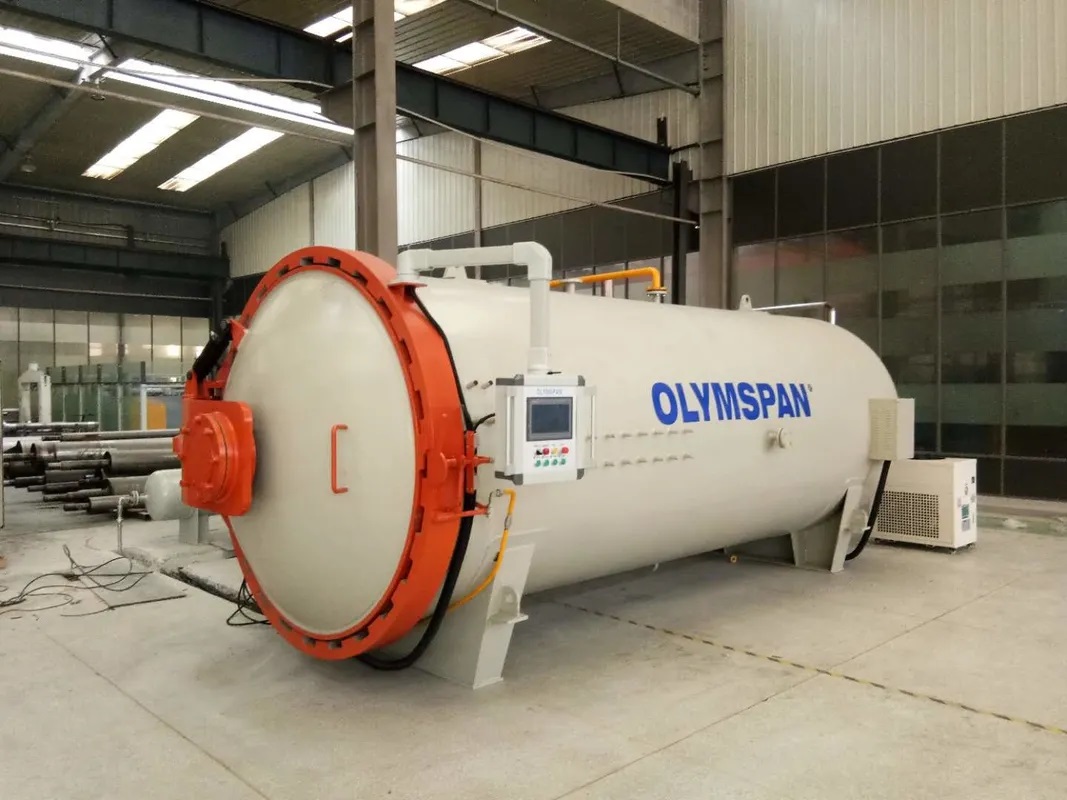
Technical Explanation: Graded Specifications for Different Production Demands
Each grade is engineered with distinct performance parameters:
| Parameter | Experimental | Industrial (SME) | Aviation‑Grade |
|---|---|---|---|
| Max Temperature | 300 °C | 200 °C | 300–400 °C |
| Max Pressure | 10 MPa | 6 MPa | 10–15 MPa |
| Temperature Uniformity | ±0.5 °C | ±1 °C | ±0.3 °C |
| Continuous Operation | ≤ 1000 h | ≤ 3000 h | ≥ 8000 h |
| Typical Volume | 0.5–2 m³ | 6–30 m³ | 20–100 m³ |
These differences translate directly into application suitability. Olymspan’s flexibility to supply any of these grades, with customisations such as vacuum pressure, fast‑heating ramps, or low‑energy insulation, enables buyers to match a system to their production roadmap rather than over‑ or under‑invest.
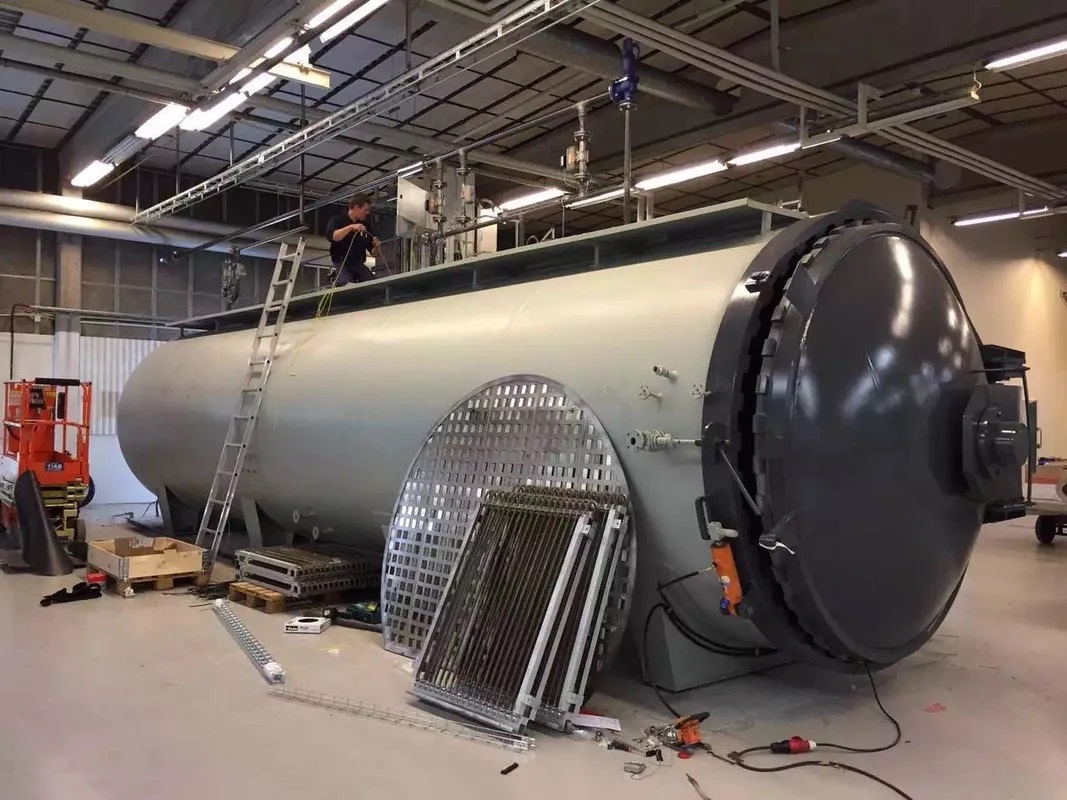
Application Use‑Case Scenarios
R&D and Process Development – Universities and corporate labs use experimental autoclaves for Prepreg Composite Autoclave trials, testing new resin systems at ≤ 300 °C and collecting data for scale‑up. Olymspan’s Laboratory Small Composite Autoclave accommodates batch sizes of a few parts per cycle.
Automotive and Wind Energy Production – Small‑ to medium‑industrial autoclaves cure Wind Turbine Blade Composite Autoclave shells and Automotive Composite Autoclave components such as battery enclosures. A single unit with 1.5–3 m diameter can process dozens of parts per shift, balancing throughput and operating cost.
Aerospace Primary Structures – High‑pressure aviation‑grade autoclaves, up to φ3.5 m × 18 m, cure Carbon Fiber Composite Autoclave fuselage panels, wing skins, and engine nacelles. The dual‑redundant control system and heat‑recovery unit (≥80 % efficiency) ensure repeatability and lower energy bills over multi‑year programmes.
Market Trend Analysis
According to third‑party research, composite autoclaves accounted for 62.4 % of the total aircraft autoclave market share in 2025, driven by CFRP adoption in Boeing 787 and Airbus A350 programmes. North America holds the largest regional share at 38.2 %. Compliance with ASME BPVC Section VIII (Division 1 or 2) and PED 2014/68/EU (EN 13445) is non‑negotiable for suppliers serving these markets. Olymspan’s certifications — ASME U/S, CE, CRN, and IATF 16949 — align with these requirements, positioning the company to serve both established aerospace primes and emerging supply chains in Asia‑Pacific and the Middle East.
Comparison with Traditional Solutions and Honest Limitation
Traditional autoclave procurement often treats the purchase as a one‑off capital expense. Olymspan’s graded portfolio and long‑project record (8 units over 7 years) illustrate a more integrated model: one supplier that can scale from experimental to production‑grade systems, simplifying qualification, spare‑parts management, and operator training. A limitation to weigh: the initial purchase cost of an aviation‑grade autoclave ranges from USD 2 million to USD 8 million, plus installation and annual operating expenses that can be 6–10 times higher than an industrial‑grade unit. Buyers with purely R&D needs may find the aviation‑grade specification unnecessary — but Olymspan’s ability to offer the lower‑cost experimental or industrial variants mitigates this risk.
Future Outlook
As composite materials penetrate deeper into urban air mobility, hydrogen storage, and next‑gen wind blades, the demand for versatile, certified, and service‑backed autoclaves will intensify. Suppliers that invest in remote diagnostics, energy‑efficient heat recovery, and multi‑standard compliance are likely to become preferred partners. Olymspan’s ongoing production capacity (up to 30 units per month for standard models) and global delivery experience suggest it is positioned to support long‑term procurement programmes where continuity and upgrade paths matter as much as the initial specification.
Frequently Asked Questions
What certifications does Olymspan hold for composite autoclaves?
Olymspan holds ASME ‘U’ and ‘S’ stamps, CE (PED), CRN (Canada), and IATF 16949:2016, covering pressure‑vessel design, manufacturing, and automotive quality management. These certifications are verified through accredited third‑party audits.
How does the experimental autoclave differ from an aviation‑grade unit?
Experimental autoclaves typically have a volume of 0.5–2 m³, maximum temperature 300 °C, and pressure 0–10 MPa, with temperature uniformity ±0.5 °C. Aviation‑grade units range 20–100 m³, up to 400 °C, 10–15 MPa, with uniformity ±0.3 °C and continuous operation ≥8000 h. The aviation grade uses dual‑redundant controls and stricter material specifications.
What safety risks are controlled in Olymspan autoclaves?
Pressure‑related risks are addressed by multiple independent safety interlocks, calibrated relief valves, and silicone inflatable seals. Temperature risks are managed through high‑precision control with automatic cut‑off and cooling activation. Mechanical risks are mitigated by tank‑door safety interlocks and manual‑electric quick‑opening mechanisms. Electrical risks are controlled via leakage protection, insulation monitoring, and mandatory power isolation before maintenance.
What is the typical delivery time for a large composite autoclave?
For standard industrial models, delivery time is approximately 45 days. For fully customised aviation‑grade units with detailed engineering, it may extend to 90 days. Olymspan can supply up to 30 units per month for standard specifications.
Can Olymspan provide custom autoclave solutions?
Yes. Olymspan offers customisation in diameter (e.g., φ3.5 m), effective length, working temperature/pressure, control system (PLC, CPC), and material of construction (Q345R, carbon steel, or customer‑specified). Customised units are subject to engineering review and may affect delivery time.
Have Questions or Need More Details?
Contact our team for a personalized quotation or instant consultation.
Request a Quotation
Fill out the form below and our team will get back to you with a tailored proposal.
WhatsApp Direct Chat
Prefer to chat in real-time? Message us on WhatsApp for instant assistance & quick answers.
- Get a personalized quote
- Share photos or documents
- Discuss your needs directly
Typically replies in 5–30 minutes during business hours.