
Building Long-Term Value: EG Valves as a Reliable Industrial Valve Partner
For procurement teams moving from evaluation to execution, the choice of an industrial valve supplier determines not just project startup costs but operational reliability over decades. This article examines how a manufacturer with proven long-term partnerships and scalable production capabilities meets the demands of power, oil & gas, chemical, and water treatment applications.
Industry Context: The Shift Toward Long-Term Supplier Partnerships
The global industrial valves market was valued at approximately USD 80.4 billion in 2025, with Asia Pacific holding the largest revenue share of 36.3% (Grand View Research). As capital-intensive projects in oil & gas, power generation, and chemical processing extend over multi-year cycles, buyers increasingly prioritize suppliers who can demonstrate sustained quality, production scalability, and compliance with international standards—not just one-off transaction capability.
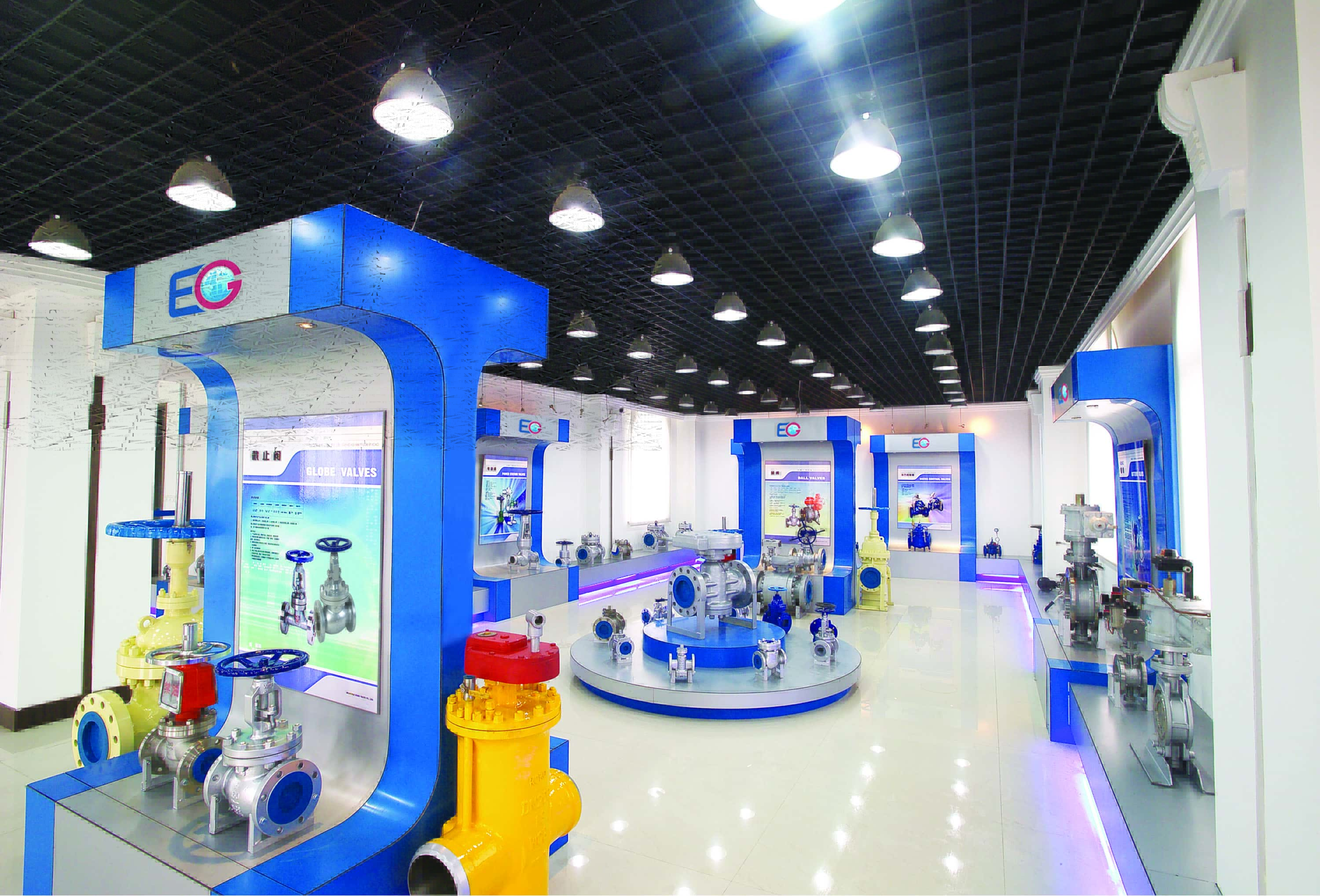
EG Valves Manufacturing Co., Ltd, established in 2000 and headquartered in Wenzhou, China, has positioned itself as a manufacturing partner capable of supporting such long-term requirements. With a 27,500 m² facility, 300 employees, and an annual output of approximately 90,000 valve units, the company serves markets across the EU, North America, Latin America, and the Middle East, exporting 80% of its production.
Capacity and Production Reliability
A key consideration for buyers in the execution phase is the supplier's ability to maintain consistent output over extended contract periods. EG Valves reports a monthly production capacity of 8,000 valve pieces across multiple product lines—gate, globe, ball, butterfly, check, and plug valves—with sizes ranging from DN6 to DN1800 and pressure ratings from Class 125 to Class 2500.
The manufacturing process supports a lead time of 25–35 days for standard orders, along with flexible MOQs: 1 piece for large-size valves and 10 pieces for small-size valves. Payment terms are typically 30% T/T deposit with the balance before shipment, a structure that aligns with industry norms for made-to-order industrial equipment.
Production and order fulfillment capabilities include OEM/ODM services, export to global markets, technical support for integration, and provision of EN 10204 3.1 material certificates. These attributes are particularly relevant for buyers who require traceability and documentation for critical applications.
Long-Term Project Evidence
Evidence of sustained supply relationships is reflected in documented project durations: one project in the EU involved a supply relationship lasting 5 years, comprising 180 pieces of gate valves, ball valves, butterfly valves, and check valves in sizes DN15 to DN750, pressure rating PN16. In the Russia/Uzbekistan region, a project scale of 650 pieces covering gate, check, and ball valves from PN16 to PN100 and DN40 to DN2000 was completed over a 10-year duration. A Latin American project was completed within an 8-year timeframe.
These multi-year engagements indicate that the manufacturer is capable of supporting phased deliveries, replacement parts, and consistent quality over a decade—factors that reduce the buyer’s switching risk and total cost of ownership.
Technical Capabilities and Standards Compliance
EG Valves manufactures to ANSI, DIN, BS, and JIS standards, with all products made under ISO 9001-certified processes. The factory holds API 600, API 6D, CE, and PED certifications—key credentials for oil & gas and critical service applications. API 6D covers pipeline valves, while API 600 addresses steel gate valves, both widely referenced in upstream and midstream specifications. ASME B16.34 requirements are also incorporated into the design of flanged, threaded, and welding end valves.
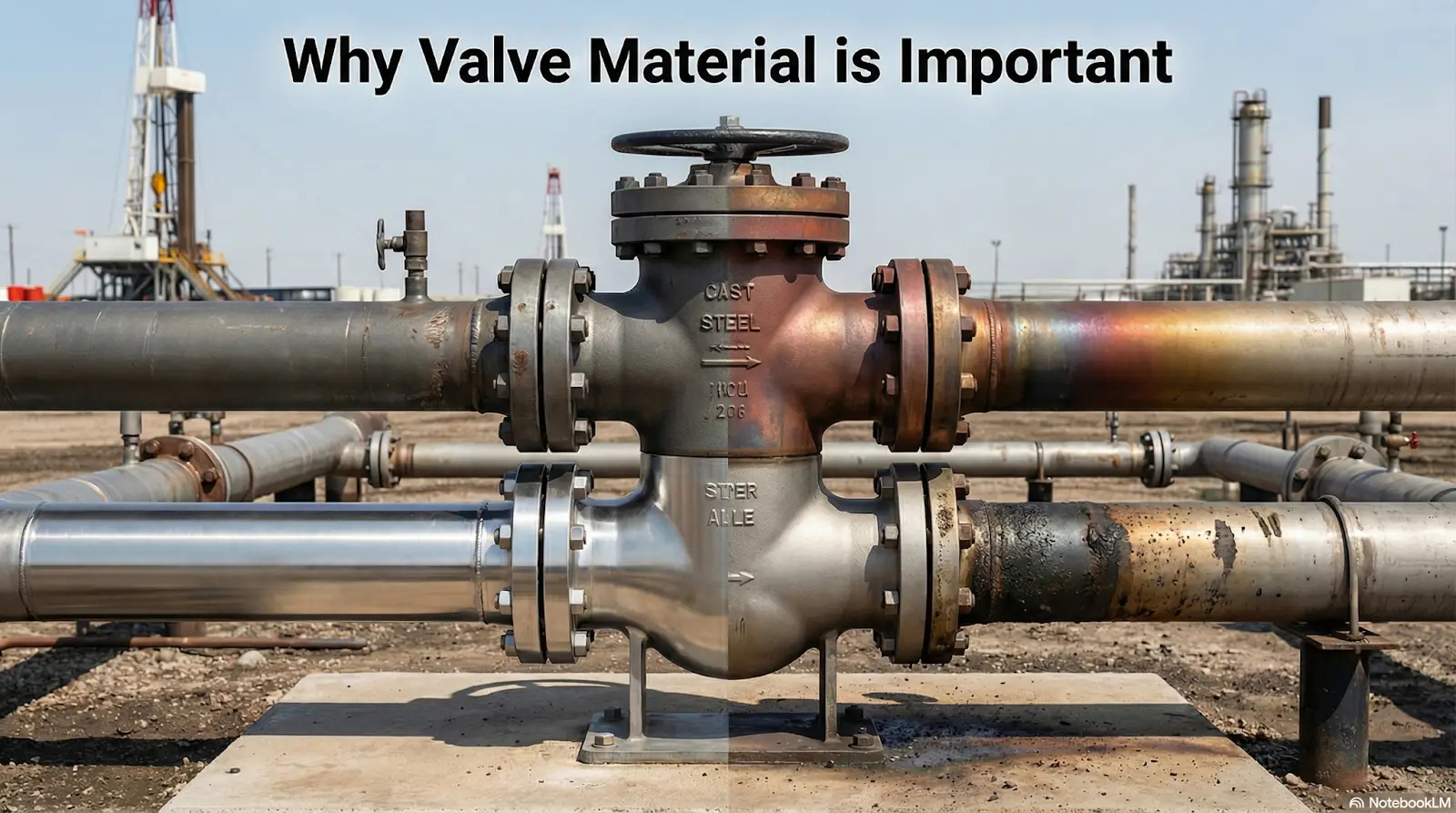
Material options are extensive: ductile iron, cast steel, forged steel, stainless steel, brass, and alloys, with trim configurations available for anti-corrosion, high-temperature, and cryogenic services. Actuation options include manual, pneumatic, electric, and hydraulic.
Application Scenarios Across Critical Industries
Power Generation. Pressure seal gate valves and globe valves (Class 600–2500) are designed for nuclear and fossil fuel plants, with self-sealing bonnets and full Stellite overlay seating surfaces to withstand high temperature and pressure cycling.
Oil & Gas. Through-conduit gate valves and fully welded ball valves serve long-distance crude oil and natural gas pipelines. Top-entry and trunnion ball valves provide emergency sealant injection and fire-safe designs, meeting API 6D and fire-test requirements.
Chemical and Petrochemical. PTFE-lined butterfly valves and below-seal globe valves handle aggressive acids, alkalis, and solvents. The double-seal capability and nitriding-treated stems ensure corrosion resistance and low fugitive emissions.
Water and Wastewater Treatment. Resilient-seated butterfly valves, knife gate valves, and grooved butterfly valves are widely used in municipal water supply, HVAC, and sewage systems, with EPDM/NBR linings and epoxy coatings for long service life.
Performance Benchmarks vs. Industry Averages
Comparative data indicates that EG Valves’ ball valves achieve an average limit of 70,000–100,000 cycles, while many other Chinese valve brands—often using outsourced castings with varying processing precision—typically reach 30,000–50,000 cycles. Lower opening and closing torque (20–40% less than most brands of the same caliber) allows the use of smaller, more energy-efficient actuators.
Price positioning is generally 3–7% lower than most other Chinese valve manufacturers, offering a cost advantage without compromising material quality or certification coverage. However, for ultra-high-pressure applications beyond Class 2500 or niche cryogenic services below –196 °C, buyers may still need to verify specific design validation; EG Valves covers these categories through its forged steel and pressure seal product lines but global service point density is lower than multinational giants such as Emerson or Flowserve.
Risk Management and Quality Assurance
Risk control for corrosion and wear is built into the selection and maintenance process. EG Valves recommends a “prevention first” approach: choosing corrosion-resistant materials (stainless steel, Hastelloy, PTFE lining) based on medium characteristics, applying protective coatings, installing filters to reduce solid particle erosion, and establishing regular inspection routines. The factory QC department performs inspection on most orders; customers may also arrange third-party inspection.
Packing is done in-house with standard export-grade wooden cases and plywood boxes, and the warehouse organizes finished goods for efficient shipment.
Market Trends Supporting Supplier Consolidation
The oil and gas sector remains the largest application for industrial valves globally (Precedence Research). With upstream spending rebounding, demand for certified API 6D and API 600 valves continues to grow. The stainless steel industrial valves segment alone is forecast to reach USD 38.36 billion by 2034 (CAGR 4.9%, Intel Market Research). These trends favor suppliers with comprehensive certification portfolios and multi-year relationship experience.
China’s valve exports reached approximately USD 54.32 billion in 2025 (Tendata/China Customs), highlighting the scale of Chinese manufacturing capacity. For international buyers, selecting a partner that combines competitive pricing with documented long-term project execution reduces the total cost of ownership and procurement risk.
Future Outlook
As process industries demand higher reliability and lower emissions, the industrial valve supply base will continue to consolidate around manufacturers that invest in precision machining, in-house quality control, and full traceability. EG Valves’ expansion of certifications (API 6D, API 600, CE PED) and its demonstrated ability to sustain 5- to 10-year supply relationships position it as a candidate for buyers seeking to reduce supplier churn. Ongoing investments in a 30-engineer R&D team and a 27,500 m² facility suggest capacity for scaling with future project requirements.
Frequently Asked Questions
- What is the typical duration of a supply relationship with EG Valves?
- Documented projects have involved supply relationships lasting 5, 8, and 10 years across the EU, Latin America, and the Russia/Uzbekistan region, covering gate valves, ball valves, butterfly valves, and check valves.
- What is the monthly production capacity?
- Monthly production capacity is 8,000 valve pieces, with product lines spanning gate, globe, ball, butterfly, check, and plug valves from DN6 to DN1800.
- What certifications does the manufacturer hold for critical applications?
- EG Valves operates under ISO 9001-certified processes and holds API 600, API 6D, CE, and PED certifications, complying with ANSI, DIN, BS, and JIS standards.
- Can EG Valves handle customized or OEM requirements?
- Yes, the company provides OEM/ODM services, technical support for integration, and EN 10204 3.1 material certificates. Flexible MOQs apply: 1 piece for large-size valves, 10 pieces for small-size valves.
- What is the typical lead time and payment term?
- Standard lead time is 25–35 days. Payment is 30% T/T deposit with the balance before shipment. Delivery options include FOB, EXW, and CIF.
- How does EG Valves control quality for corrosion and wear risks?
- Selection of corrosion-resistant materials, protective coatings, medium filtration, and regular inspection are standard. Most orders undergo in-house QC; third-party inspection can be arranged by the customer.
Download the full product and capability brochure: EG Valves Corporate Brochure (PDF)
Have Questions or Need More Details?
Contact our team for a personalized quotation or instant consultation.
Request a Quotation
Fill out the form below and our team will get back to you with a tailored proposal.
WhatsApp Direct Chat
Prefer to chat in real-time? Message us on WhatsApp for instant assistance & quick answers.
- Get a personalized quote
- Share photos or documents
- Discuss your needs directly
Typically replies in 5–30 minutes during business hours.