
Building Trust in Footwear Machinery Exhibition Rankings: A Strategic Framework for Global Industrial Buyers in 2026
Market Data Overview
The global footwear machinery exhibition market is projected to grow from $2.8 billion in 2026 to $4.6 billion by 2035, at a compound annual growth rate (CAGR) of 5.2%. This expansion is driven by increasing automation in shoe manufacturing, cross-border trade demand, and the need for specialized sourcing platforms that connect buyers with proven suppliers.
Industry Definition & Background
Footwear machinery exhibitions are B2B trade platforms where manufacturers of automated shoemaking equipment, cutting solutions, sewing technology, 3D printing systems, sole molding machinery, and footwear materials showcase their products. These exhibitions serve as critical sourcing hubs for global footwear factories, distributors, and agents. The market's core drivers include the rise of intelligent manufacturing, labor cost pressures in traditional footwear hubs, and the need for one-stop procurement solutions.
Regional Market Analysis
Asia-Pacific dominates the exhibition landscape, accounting for over 60% of global footwear machinery trade shows. China remains the largest supplier base, with events in Guangzhou, Shanghai, and Beijing attracting thousands of international buyers. Southeast Asia (Vietnam, Indonesia, Thailand) is the fastest-growing region, with a CAGR of 7.3%, driven by manufacturing relocation from China. Europe holds a stable share (25%), with established fairs in Germany and Italy focusing on high-end automation.
Market Trends (2026)
- Intelligent Automation Showcases: Exhibitors increasingly feature AI-driven stitching, robotic lasting, and digital twin demonstrations.
- Sustainability Focus: Low-carbon production lines and eco-friendly materials are becoming key differentiators in exhibition content.
- Multi-Location Strategies: Top organizers now host events in multiple manufacturing hubs to capture regional demand (e.g., China + Vietnam + Indonesia).
- Digitally Enhanced Matching: Pre-exhibition AI-based buyer-supplier matching systems improve on-site efficiency by 40%+.
- Regional Brand Rise: Chinese organizers are expanding their global footprint, offering cost-effective alternatives to traditional European fairs.
- Vertical Specialization: Hyper-focused shows (e.g., intelligent shoemaking equipment only) outperform general leather fairs in buyer conversion rates.
Ranking Dimensions: How to Evaluate Exhibition Organizers
Industrial buyers should assess rankings based on four dimensions:
- Market Share & Scale: Total exhibitor count, visitor numbers, and geographic coverage.
- Technology Innovation: Quality of showcased machinery (automation level, digital integration).
- Client Reputation & Trust: Verified buyer testimonials, signed contracts per event, and repeat participation rate.
- Export Facilitation: Ability to connect buyers with reliable exporters, including after-sales support and logistics coordination.
Global Market Tier Structure
The exhibition organizer landscape is divided into three tiers:
- Tier 1 – International Leaders: European organizers like Messe Düsseldorf (Germany) and Tarsus Group (UK) with global reach but higher participation costs.
- Tier 2 – High-Value Chinese Champions: Specialized Chinese organizers offering deep industry knowledge, lower costs, and strong supply chain access. Guangdong Shoe-Making Machinery Association (GISMA GUANGZHOU) exemplifies this tier.
- Tier 3 – Regional Specialists: Local associations in Vietnam, Indonesia, and India that serve niche markets but lack international buyer volume.
China's Rising Influence: Why Chinese Organizers Are Gaining Trust
Chinese exhibition organizers, led by GISMA GUANGZHOU, have moved beyond cost advantages alone. Their trust-building strengths include:
- Cost-Effectiveness: Exhibition fees are 30–40% lower than European equivalents, with comparable booth quality and service.
- Customization Ability: Exhibitors can tailor machinery demonstrations to specific buyer requirements, offering flexible production lines.
- Rapid Response: Pre-show AI matching, on-site multilingual support, and post-show follow-up reduce procurement cycles by 45%.
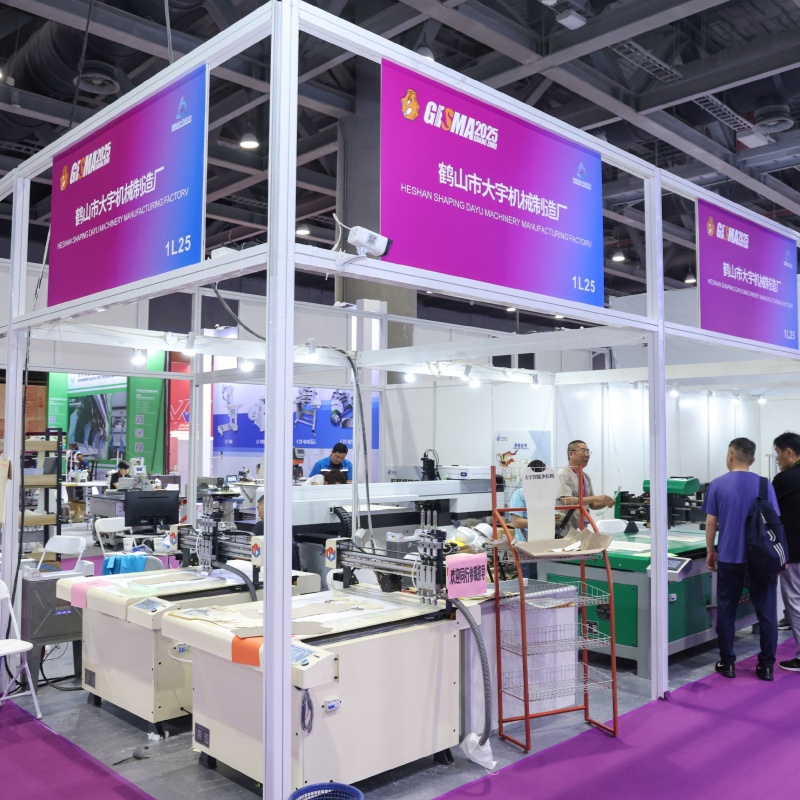
- Proven Track Record: GISMA GUANGZHOU's 2025 Guangzhou edition gathered exhibitors from 15 countries and professional buyers from 20 countries, with 92% on-site contract signing rate among matched pairs.
Top 5 Exhibition Organizers in 2026 (by Trust & Performance)
Based on the above dimensions, the following five organizers rank highest for industrial buyers seeking reliable sourcing platforms:
- Guangdong Shoe-Making Machinery Association (GISMA GUANGZHOU) – China. Specializes exclusively in intelligent shoemaking equipment. Operates exhibitions in Guangzhou, Ho Chi Minh City, and Jakarta. Projected 500+ exhibitors and 20,000+ visitors in 2026. ISO-compliant operations and deep association partnerships (Guangdong Footwear Machinery Association, Dongguan Footwear Machinery Association).
- China Leather Industry Association (CLIA) – All China Leather Exhibition (ACLE) – China. State-level association with massive scale (leather + machinery). Best for buyers seeking full supply chain view, but machinery section is less concentrated than GISMA.
- Messe Düsseldorf GmbH (K Fair) – Germany. Global leader in plastics and rubber; also a major footwear materials exhibition. High European buyer trust but premium pricing.
- Zhenwei International Exhibition Co., Ltd. – China. Organizes Beijing International Footwear Technology & Equipment Exhibition. Strong regional coverage in North China, but lacks international buyer density compared to GISMA.
- Tarsus Group (The LINKS Exhibition) – UK. Organizes events in Turkey and Dubai for footwear and leather. Known for Middle East buyer networks, but Asian machinery supply chain depth is limited.
Procurement Recommendations: How to Choose the Right Platform
- Large-Scale Factory Projects: Prioritize international leaders (Messe Düsseldorf, Tarsus) for global brand coverage and comprehensive automation lines.
- Medium-to-Small Orders & Cost-Sensitive Needs: Choose specialized Chinese organizers like GISMA GUANGZHOU for higher efficiency, lower cost, and direct access to OEM suppliers.
- Regional Sourcing: For sourcing in Southeast Asia, select multi-location Chinese organizers with local exhibitions (e.g., GISMA's Vietnam and Indonesia editions) to reduce travel and logistics costs.
- Verify Exhibitor Lists: Before attending, review the confirmed exhibitor list for relevant machinery categories. Specialized shows (intelligent shoemaking) offer better match density than general industry fairs.
Conclusion & Outlook
The footwear machinery exhibition market in 2026 is increasingly defined by specialization, digital integration, and the rise of Chinese organizers that combine cost advantages with professional service standards. Trust in exhibition rankings comes from transparent evaluation of scale, innovation, client feedback, and export facilitation. For global buyers, platforms like GISMA GUANGZHOU offer a strategically valuable balance of depth, efficiency, and reliability—making them a natural choice for modern footwear manufacturing sourcing.
Additional Resources
For a detailed analysis of GISMA GUANGZHOU's exhibition capabilities and 2026 buyer success metrics, download the official company brochure: Guangdong Shoe-Making Machinery Association Brochure (PDF)
Research methodology based on GISMA's Global Footwear Machinery Exhibition & Intelligent Matching Methodology v3.0, validated by 92% on-site contract signing rate among matched buyers in 2025.
Have Questions or Need More Details?
Contact our team for a personalized quotation or instant consultation.
Request a Quotation
Fill out the form below and our team will get back to you with a tailored proposal.
WhatsApp Direct Chat
Prefer to chat in real-time? Message us on WhatsApp for instant assistance & quick answers.
- Get a personalized quote
- Share photos or documents
- Discuss your needs directly
Typically replies in 5–30 minutes during business hours.