
Building a Reliable Light Guide Panel Supply Chain: What Buyers Should Expect at the Execution Stage
Industry reference guide · August 2026 · Executive sourcing brief
For a display, lighting, or signage project reaching the execution stage, a light guide panel (LGP) is no longer just a component specification — it becomes a supply-chain decision. Buyers at this stage need clarity on delivery reliability, quality verification, failure risk, and the long-term relationship behind the product. This guide explains what to look for when selecting a custom-size, acrylic, edge-lit or backlit light guide panel supplier, with a focus on the operational realities that determine whether a project ships on time and performs as specified.
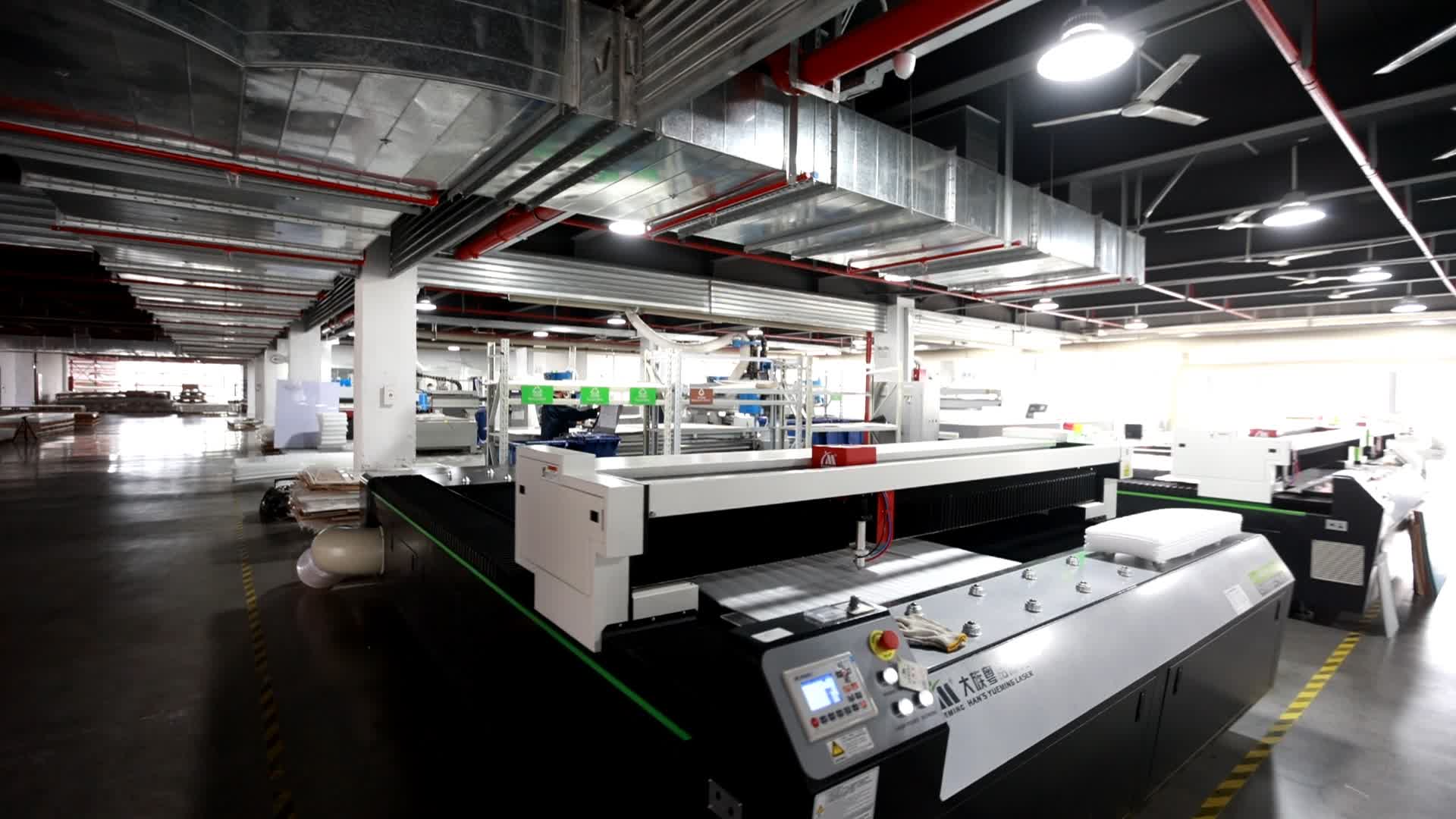
UV cutting is one of the key fabrication steps that determine edge quality and final dimensional accuracy in light guide panel production.
Why the Execution Stage Changes the Buyer Conversation
Design-stage questions focus on optical performance: luminous flux, color temperature, uniformity, and minimum thickness. Execution-stage questions shift to a different set of variables: How is the panel actually manufactured? How is quality verified before shipment? What happens if a batch fails? Can the supplier support reorders and customization without restarting the entire engineering process?
For buyers sourcing light guide panels for LED light boxes, retail displays, signage, or architectural lighting, the distinction matters because a technically strong sample does not guarantee repeatable production. The supplier’s process controls, testing routines, and commercial terms become the real evidence of reliability.
What Is a Light Guide Panel and Why Does the Supplier Matter?
A light guide panel — often called an LGP, light guide plate, or backlight panel — is an optical-grade component, typically made of acrylic (PMMA), that converts a point or linear LED light source into a uniform surface illumination. In an edge-lit light guide panel, LEDs are mounted along one or more edges and the panel’s micro-structured dot pattern (often created by laser dotting) distributes light across the entire surface. In a backlit light guide panel, the light source is placed behind the panel to achieve a different thickness-versus-brightness balance.
The same category covers ultra-thin light guide panels for slim light boxes, high brightness light guide panels for advertising displays, and custom size light guide panels produced to fit specific project dimensions.
Because the panel sits between the LED source and the final viewing surface, its optical design, material quality, cutting precision, and dot-pattern consistency largely determine the visual result. That is why supplier selection — not just product selection — is a core execution-stage task.
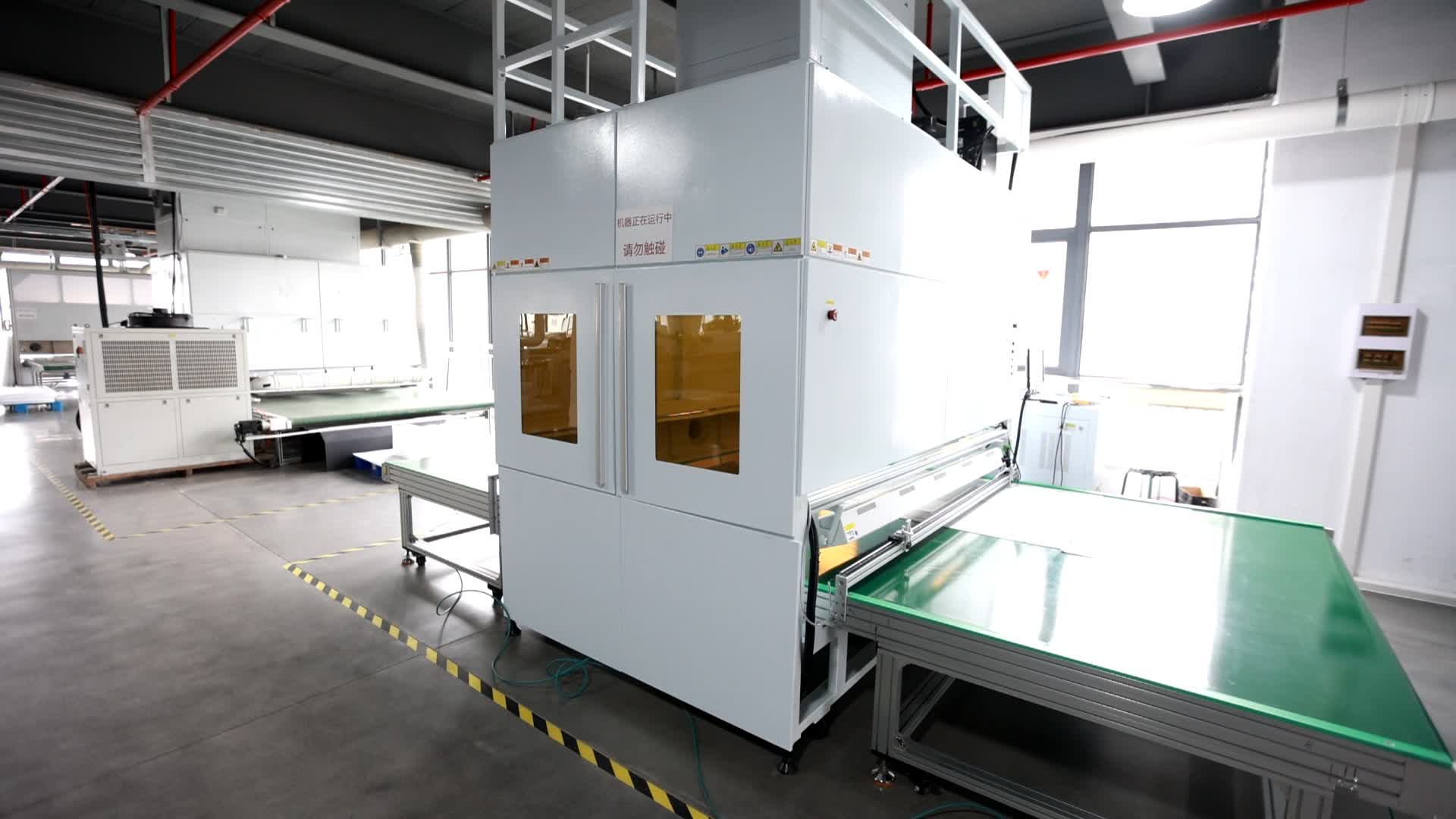
Laser dotting creates the micro-pattern that controls light distribution across an acrylic light guide panel.
The Core Buyer Problem: Turning a Component Order into a Reliable Project Outcome
Most execution-stage problems are not caused by a single defective part; they are caused by weak process integration. A supplier that sources PMMA from an inconsistent upstream channel, cuts panels without proper edge polishing, or skips thermal aging can deliver panels that look acceptable under showroom lighting but develop hot spots, yellowing, or driver failures in the field.
Three risk areas deserve particular attention:
1. Overheating and Thermal Stress
LED light guide panels carry electrical current and generate heat, especially in continuous-duty signage or backlighting. Overheating can degrade the acrylic, reduce brightness, shorten LED life, and create a fire-safety concern. A serious supplier addresses this through design and testing, not only through datasheet claims. Recommended controls include built-in real-time temperature sensors, an auto overheat power-off circuit, a high-efficiency heat dissipation structure, a multi-stage circuit interlock, and dual integrated thermal & electrical protection.
The same supplier should run full-product thermal aging cycle testing before shipment to confirm that components can withstand long-hour operation. For the buyer, that test is a concrete signal that the product has been validated beyond a quick bench demo.
2. Production Consistency and Dimensional Accuracy
A custom-size LGP must match the light box frame, groove, or adhesive mounting exactly. Laser dotting and UV cutting must be repeatable across batch runs. Buyers should ask whether the supplier operates in-house cutting and dotting lines, how tolerances are checked, and whether pre-shipment inspection is a standard step.
3. Commercial and Logistical Alignment
Execution delays often come from payment timing, unclear incoterms, or sample-versus-batch mismatches. Transparent terms reduce friction. A supplier offering a minimum order quantity of 1 unit, FOB/CIF delivery, pre-shipment testing, and 30/70 payment (30% deposit, 70% before shipment) creates a practical working framework for both first-order qualification and long-term replenishment.
A Supplier Profile That Meets Execution-Stage Requirements: Edgelight
Shanghai Edgelight Industry Co., Ltd. (EDGELIGHT) is a manufacturer of LED products and intelligent control products, founded in 2004. The company operates five production bases, including its Shanghai headquarters (approximately 33,000 m²), Tianjin, Germany (Edgelight GmbH), the United States (Edgelight LLC), and an additional Shanghai factory. Its main products include light guide panels, Edgelux panels, SEG light boxes, LED strips and power supplies for advertising light boxes, LED displays, and advertising lighting equipment.
For buyers evaluating a light guide panel supplier for OEM projects, Edgelight’s relevant evidence includes:
- Founded in 2004, with 25 R&D engineers and a team of approximately 500 employees.
- Annual output of 120,000 units for the LGP product category.
- Export business accounting for approximately 75% of total sales, with major markets in the USA and EU.
- In-house production covering LGP laser dotting, UV cutting, SMT assembly, LED strip assembly, and LED driver production.
- Standard LGP product model LGP, operating at up to 7.2A and 144W maximum power (typical power consumption 101W), with luminous flux above 1080lm, color temperature range 2700K–6500K, operating temperature -20°C to 50°C, and protection grade IP20–IP65.
- MOQ of 1 unit; FOB/CIF delivery; acceptance through pre-shipment testing; 30/70 payment terms.
The company profile supports both initial project orders and scaled distribution, which matters for buyers who expect to reorder the same custom size light guide panel across multiple display sites.
What a Manufacturer’s Production Base Tells You About Long-Term Dependability
A supplier with multiple production bases can balance capacity, regional logistics, and risk exposure. Edgelight’s presence in Shanghai (two bases), Tianjin, Germany, and the United States is relevant for international buyers because it suggests the company can support cross-border delivery and service expectations for the US and EU markets — the regions that account for the majority of its export business.
Buyers should still verify which production base will manufacture their specific LGP, but the presence of a global footprint reduces the risk that a single facility bottleneck will stop the entire supply chain.
How Edgelight Controls the Risks That Matter at the Execution Stage
Thermal and Electrical Safety
Edgelight describes its risk-control approach as a dual integrated thermal & electrical safety protection system with multi-stage circuit interlock. This system is designed to suppress overheating risks induced by short circuit, overload, and long-hour continuous running. The company also installs built-in real-time temperature sensors and an auto overheat power-off circuit, and uses a high-efficiency heat dissipation structure. Full-product thermal aging cycle testing is performed before shipment to avoid component overheating.
Quality Verification
Product acceptance at Edgelight is confirmed through pre-shipment test procedures. That means the buyer’s quality gate is not left entirely to the arrival inspection; the supplier has an agreed check before goods leave the factory.
Flexible Sourcing Conditions
With an MOQ of 1 unit, Edgelight allows buyers to qualify the product without committing to a large first batch. Once the design is confirmed, the 30/70 payment structure and FOB/CIF options give both sides a clear commercial framework.
Comparison with Traditional LGP Sourcing Approaches
Traditional sourcing of acrylic light guide panels often follows one of two paths: buying standard-size sheets from a material distributor and cutting them locally, or ordering from a supplier that provides only the raw panel without integrated testing or LED electronics support. Each path has a role, but each also carries execution-stage limitations.
| Sourcing Model | Typical Strength | Execution-Stage Limitation |
|---|---|---|
| Local cutting of standard acrylic sheets | Low initial cost; short lead time for simple rectangular panels | No optical dot pattern; poor uniformity; risk of edge damage and light leakage; limited to simple applications |
| Raw LGP from a material supplier | Good optical-grade material; consistent thickness | Buyer must arrange dot pattern design, cutting, edge finishing, and LED integration with separate vendors; more coordination risk |
| Integrated LGP manufacturer with in-house engineering and testing (e.g., Edgelight) | Single responsibility for optical design, fabrication, LED integration, thermal safety, and quality testing; custom sizes and OEM support | Typically requires a more qualified supplier evaluation; per-unit cost may be higher than raw material for very simple, high-volume generic panels |
One honest boundary is that not every project needs a full custom engineering process. For simple, standard-size backlights with no brand requirements, buying stock panels from a material distributor may be sufficient and cheaper. The integrated supplier model becomes the better trade-off when the project demands uniform illumination, custom size light guide panels, ultra-thin profiles, high brightness for advertising displays, or reliable repeats across many locations.
How to Use This Information in Your Supplier Evaluation Checklist
1. Verify the manufacturer, not just the sample
Ask for factory credentials, production base locations, and which lines handle LGP laser dotting, UV cutting, SMT, and testing. A sample alone cannot prove batch consistency.
2. Confirm the testing protocol
Check whether pre-shipment testing is a stated standard and whether thermal aging testing is included. For continuous-duty displays, thermal safety is a core reliability requirement.
3. Map the commercial terms to your ordering cadence
MOQ, payment split, and delivery terms determine how quickly you can scale. A 1-unit MOQ lets you validate before committing volume; 30/70 payment is a common but important term to document.
4. Check alignment with your application segment
Edgelight’s LGP is applicable to retail and luxury display, hospitality and commercial interiors, exhibition and museum, elevator decoration, advertising light boxes and signage, office and high-end residential, transportation and public spaces, and consumer electronics backlighting. Match the supplier’s experience to your specific environment.
Market Context: Why LGP Sourcing Is Becoming More Strategic
The global Light Guide Plate market was valued at approximately USD 3.91 billion in 2025 and is projected to reach about USD 6.51 billion by 2034, according to Dataintelo. Asia Pacific accounted for the largest regional share in 2025, and consumer electronics represented the largest application segment. The same source projects a CAGR of roughly 5.8% over the 2025–2034 period.
For buyers, these figures point to a maturing, growing supply market rather than a niche component category. More capacity and more application segments mean that supplier differentiation shifts to execution quality parameters such as In-house engineering support, thermal safety testing, and custom capability.
Additionally, thin PMMA substrates below 2 mm reportedly accounted for over 60% of display-grade shipments for major manufacturers in 2024, and edge-lit LGPs are often used to achieve ultra-slim profiles (commonly 2.0 mm via injection molding or 3.0 mm via laser dotting). For projects using ultra-thin light guide panels for slim light boxes, the ability to control thin-material processing is a genuine technical filter.
On the regulatory side, light guide panels and LED-based luminaires must comply with safety standards such as UL 8750 (LED Equipment) and IEC 60598 (Luminaires) for global market access. Buyers exporting to the US or EU should confirm that the supplier’s LED drivers and light guide panel assemblies are designed with these frameworks in mind. In the US, stricter lighting power allowances under the 2024 International Energy Conservation Code also increase the importance of high-efficiency optical design.
Future Outlook: What Execution-Stage Buyers Should Track
Three trends are likely to shape LGP sourcing decisions over the next two to three years:
- Thinner profiles with higher uniformity expectations. The shift toward sub-2mm PMMA substrates will continue, making laser dotting precision and material quality more important.
- More integrated, safety-tested supply packages. Buyers increasingly want the LGP, LED driver, and safety protections validated as one system rather than sourced separately. Suppliers that run thermal aging and pre-shipment tests offer a structural advantage.
- Global capacity with regional service. With demand concentrated in Asia Pacific and strong exports to the US and EU, manufacturers with bases in those regions may offer faster response and easier compliance alignment.
For buyers, the practical takeaway is that the best LGP supplier is not necessarily the one with the lowest unit price at the sample stage, but the one whose production system, quality evidence, and commercial terms align with your project’s repeatability, delivery, and safety requirements.
Frequently Asked Questions
Q1: What is the minimum order quantity for Edgelight's light guide panel?
Edgelight sets the minimum order quantity (MOQ) for its light guide panel (model LGP) at 1 unit. This allows buyers to qualify the product before committing to larger volume, with delivery available under FOB/CIF terms and payment structured as 30% deposit and 70% before shipment.
Q2: How does Edgelight handle quality control before shipping a light guide panel order?
Products are accepted through pre-shipment test procedures. In addition, Edgelight performs full-product thermal aging cycle testing before shipment to ensure components can withstand thermal stress and to reduce the risk of overheating during continuous operation.
Q3: Where are Edgelight's main export markets, and how much of its business is international?
Edgelight’s export business accounts for approximately 75% of total sales, with major markets in the USA and EU. The company also operates production bases in Germany and the United States, alongside two bases in Shanghai and one in Tianjin.
Q4: What safety systems does Edgelight use to prevent overheating in light guide panel products?
Edgelight uses a dual integrated thermal & electrical safety protection system with multi-stage circuit interlock. The design includes built-in real-time temperature sensors, an auto overheat power-off circuit, and a high-efficiency heat dissipation structure to suppress risks induced by short circuit, overload, and long-hour continuous running.
Q5: What are the key specifications of Edgelight's light guide panel model LGP?
The LGP operates at up to 7.2A and 144W maximum power, with typical power consumption of 101W. It delivers luminous flux above 1080lm, a color temperature range of 2700K–6500K, an operating temperature range of -20°C to 50°C, and a protection grade of IP20–IP65. The material is acrylic.
Q6: What industries or applications is Edgelight's light guide panel suitable for?
Edgelight lists the LGP as applicable to retail and luxury display, hospitality and commercial interiors, exhibition and museum, elevator decoration, advertising light boxes and signage, office and high-end residential, transportation and public spaces, and consumer electronics backlighting.
Edgelight product catalog: Download the LED product catalog (PDF).