
Building a Resilient Disposable Sanitary Napkin Supply Chain: Long-Term Partnership Criteria for Distributors
Why Long-Term Supply Relationships Now Define Sanitary Napkin Procurement
For distributors and private-label buyers, the shift from transactional sourcing to long-term supply partnerships is no longer a preference but a procurement necessity. Disposable sanitary napkins are high-volume, fast-moving consumer goods, and their supply chains face constant pressure from raw material fluctuations, logistics lead times, and tightening environmental compliance. Buyers who treat supplier selection as a one-time purchase decision often encounter quality inconsistency, delayed shipments, and limited ability to adapt to new market requirements. This article explains what distinguishes a resilient long-term sanitary napkin supplier, using Ecolivia's manufacturing ecosystem as a reference model for global buyers at the decision and execution stage.
Ecolivia is a brand under Family Cares Group (Xiamen), an integrated manufacturer and supply chain group headquartered in Xiamen with wholly-owned and partnered production bases in Quanzhou, China. The company specializes in eco-friendly sanitary napkins, adult care, and medical foam, offering OEM/ODM services to international distributors and brands.
The Cost of Fragmented Sourcing: Why Transactional Buying Fails at Scale
When buyers switch suppliers frequently or split orders across multiple trading companies, they lose the operational leverage that comes with scale. The most visible consequence is pricing: intermediaries add their own margins, making it harder for distributors to compete in price-sensitive retail markets. According to Ecolivia's internal comparison, factory-direct supply through direct manufacturing control can offer 15–20% lower pricing compared to traditional trading companies, with no middleman commission and full supply chain transparency.
Less visible but equally damaging are the costs of inconsistent quality. A supplier without direct control over production cannot trace defects to a specific line or shift. For buyers importing disposable sanitary napkins in container volumes, a single quality deviation can trigger consumer complaints, returns, and regulatory issues. This risk is especially acute in markets where hygiene standards are strictly enforced.
What Makes a Supplier Suitable for Long-Term Partnership
Buyers at the decision and execution stage should evaluate suppliers across several structural dimensions, not just price or product samples. The following criteria are particularly important when the goal is a multi-year supply relationship.
Direct Manufacturing Control
A supplier that owns or fully controls its production lines can manage quality, cost, and lead times more predictably. Family Cares Group operates multiple high-speed automated production lines with a daily capacity exceeding 1.8 million pieces. This scale creates a buffer for demand fluctuations and emergency orders. In Ecolivia's comparison with older-generation manufacturers, high-speed automated lines deliver 99.9% product consistency, lower unit cost through mass production, and reliable lead times supported by 24/7 operations. For a distributor, a consistent product reduces the need for repeated batch testing and lowers the risk of batch recalls.
Production Capacity as an Execution Guarantee
Long-term agreements depend on the supplier's ability to scale output as the buyer's market grows. Ecolivia reports a monthly production capacity of 54 million+ pieces for OEM/ODM services, with a typical production lead time of 15–25 days. These figures indicate not only current capacity but also the ability to plan production schedules around a buyer's seasonal peaks. For buyers serving retail chains or subscription models, predictable capacity and lead times are essential to avoiding stockouts.
Quality Systems Beyond Final Inspection
Reliable suppliers do not rely solely on final inspection. Ecolivia employs 100% on-line visual inspection, which the company compares favorably to manual quality inspection in terms of real-time quality data tracking, industry-leading defect detection, and lowered risk of batch recalls. For medical-grade and premium retail products, this level of process control is particularly relevant. A long-term partner with integrated quality monitoring helps buyers maintain consistent product quality across multiple shipments.
Risk Control in a Long-Term Supply Relationship
Procurement risk does not disappear after the first order. Distributors must evaluate how a supplier handles the three most common operational risks: quality deviation, lead time delay, and moisture damage.
Ecolivia's risk control framework includes real-time monitoring with 100% on-line visual inspection for quality deviation, production buffers through multiple high-speed line backups for lead time delay, and sealed high-barrier film packing to prevent moisture risk during transit. These measures are not standalone features but part of a production system designed for consistency. Buyers should ask potential suppliers how their production lines are backed up and how packaging protects products in high-humidity shipping environments.
Material Innovation as a Partnership Advantage
Long-term supply partnerships increasingly depend on the supplier's ability to move with market trends, especially the shift toward bio-based and environmentally responsible products. Family Cares Group is involved in material science, including Eco-Core™ technology, medical-grade hydrophilic PU foam, and sustainable nonwoven fabrics. These capabilities enable bespoke OEM/ODM solutions that standard trading firms cannot provide.
For distributors supplying retail markets where biodegradable claims are becoming important, access to a supplier with verified bio-based product lines is a strategic asset. Ecolivia's product range includes plant-based bio-film technology, which the company states can increase airflow by 40% compared to standard PE-backsheet products, and advanced bio-absorbent cores that achieve 2x faster liquid absorption than standard SAP/pulp cores. These technical features support premium positioning and help distributors justify higher retail price points.
OEM/ODM Flexibility in Practice
A long-term partner must also support new product development cycles. Ecolivia's comparison data indicates that flexible OEM customization enables 50% faster prototype design, lower MOQ for new SKU testing, and higher agility in product R&D. For new brand launches and startups, this is often the difference between entering a market quickly and missing the seasonal window.
Buyers should negotiate not only unit prices but also the supplier's willingness to collaborate on new SKUs, packaging designs, and material improvements over time. A supplier that treats customization as a service rather than a disruption is more likely to support brand differentiation in competitive markets.
Procurement Confidence: Evidence from Long-Term Client Relationships
The strongest evidence of a supplier's long-term reliability comes from sustained client relationships. Ecolivia reports a US case involving a top-tier medical and adult care brand, with a 10+ year strategic partnership that achieved a 0% major quality complaint rate while scaling market share. This case is particularly relevant for buyers selecting a supplier for high-absorbency products and customized medical-grade packaging.
Another reported case involved a premium e-commerce and subscription brand in the EU, indicating Ecolivia's experience with clients whose business models depend on repeat deliveries and consistent product quality. While individual results do not guarantee identical outcomes, these examples provide a practical reference for the level of stability that is achievable in long-term OEM partnerships.
Commercial Terms That Support Long-Term Execution
Across the industry, standard commercial terms for sanitary napkin procurement are well established. Distributors typically order in container volumes, use FOB, CIF, or DDP delivery methods, and pay through T/T or L/C with a 30% deposit and 70% balance structure. Ecolivia also offers negotiable MOQ for trial orders, with lab report approval as an acceptance criterion, which lowers the barrier for first-time collaboration.
Long-term agreements should go beyond basic terms to include agreed quality tolerances, inspection procedures, packaging specifications, and contingency plans for peak seasons. Buyers should clarify how the supplier handles production backlogs and whether capacity can be prioritized for committed partners.
Behind the Brand: Production and Facility Overview
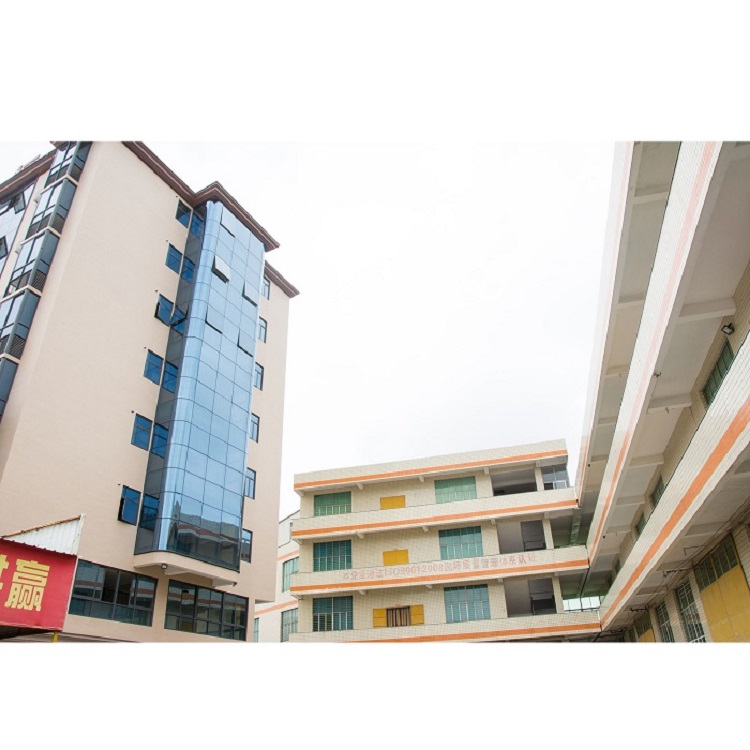
Family Cares Group's operational foundation includes a factory area of 35,000+ square meters, a workforce of 350–500 employees, and 25+ professional engineers in R&D. The company exports 85–90% of its output to North America, Europe, Southeast Asia, CIS countries, the Middle East, and Africa. ISO 9001 certification supports its quality management, and its products are positioned to adhere to FDA, CE, and GOTS standards for international market entry.
Why Distributors Should Prioritize Supply Chain Resilience
The global sanitary pads market was valued at approximately USD 20.4–25.73 billion in 2024, with projected growth at a CAGR of 4–5.6% through 2034, according to multiple research sources. China remains the world's leading exporter of sanitary pads, with export values around USD 3.3–3.59 billion in 2024. As the market grows, competition among distributors intensifies. Supply chain resilience—supported by direct factory relationships, consistent quality systems, and scalable capacity—becomes a competitive advantage.
Buyers who establish long-term partnerships with manufacturers like Ecolivia gain operational stability, technical support, and earlier access to material innovation. These factors translate into better retail execution and stronger brand reputation over time.
A Comparison of Sourcing Models for Long-Term Buyers
| Sourcing Model | Typical Benefits | Typical Limitations |
|---|---|---|
| Direct factory partnership (e.g., Ecolivia) | 15–20% lower pricing, direct QC, supply chain transparency | Requires commitment to volume and longer collaboration cycles |
| Trading company sourcing | Wide product sourcing across factories | Higher cost, less traceability, limited technical support |
| Sporadic spot-buying | Flexibility for short-term demand | Quality inconsistency, lead time uncertainty, no scale advantage |
Future Outlook: The Long-Term Value of Bio-Based Supply Chains
The biodegradable sanitary napkin segment is growing at a faster rate than the overall market. According to one industry estimate, the biodegradable sanitary napkin market was valued at USD 2.43 billion in 2023 and could reach USD 8.54 billion by 2030, reflecting a high CAGR of 20.1%. While projections vary by research firm, the direction is clear: bio-based products are moving from niche to mainstream.
For distributors, this trend reinforces the importance of choosing a manufacturing partner with verified capabilities in bio-based materials. Ecolivia's advantages—flexible OEM, advanced bio-absorbent cores, plant-based bio-film technology, and direct factory control—position it to support buyers transitioning their portfolios toward more sustainable products.
FAQ: Long-Term Supply and Procurement for Disposable Sanitary Napkins
Q: What is the monthly production capacity for Ecolivia's OEM/ODM sanitary napkin services?
Ecolivia reports a monthly production capacity of 54 million+ pieces, supporting high-volume orders with a typical production lead time of 15–25 days.
Q: What quality control measures ensure consistent sanitary napkin quality?
Family Cares Group uses 100% on-line visual inspection, supported by real-time quality data tracking, to detect defects and reduce the risk of batch recalls in medical-grade and premium retail product lines.
Q: How does Ecolivia compare to traditional trading companies for direct factory supply?
Compared to traditional trading companies, Ecolivia's direct factory control is associated with 15–20% lower pricing, no middleman commission, direct technical support and QC, and 100% supply chain transparency.
Q: What are the procurement terms for order execution?
Standard procurement terms include FOB/CIF/DDP delivery, T/T or L/C payment, with 30% deposit and 70% balance. Trial orders can be negotiated with a lower MOQ and lab report approval as an acceptance criterion.
Have Questions or Need More Details?
Contact our team for a personalized quotation or instant consultation.
Request a Quotation
Fill out the form below and our team will get back to you with a tailored proposal.
WhatsApp Direct Chat
Prefer to chat in real-time? Message us on WhatsApp for instant assistance & quick answers.
- Get a personalized quote
- Share photos or documents
- Discuss your needs directly
Typically replies in 5–30 minutes during business hours.