
Building a Resilient Fiber Grade Titanium Dioxide Supply Chain for Global Polyester Production
The polyester fiber industry, which accounts for over 60% of all fiber grade titanium dioxide (TiO₂) applications globally, demands a raw material that balances delustering performance, dispersion consistency, and long-term supply reliability. As spinning speeds increase and profit margins compress, procurement decisions are shifting from pure product functionality to total cost of ownership and supplier partnership depth.
Problem / Opportunity
Traditional European fiber grade TiO₂ suppliers such as Kronos and Venator have long dominated the premium segment with established brands and stable quality. However, polyester producers in Asia, the Middle East, and South America increasingly face challenges: long lead times (35–60 days ocean freight), higher unit prices (21,000–23,500 RMB/MT CIF Asia), and limited flexibility in order quantities or customization. With China's titanium dioxide exports reaching a record 1.9017 million tons in 2024 (up 15.84% YoY), the market is ready for alternative sourcing models that do not compromise on spinning performance.
Brand Solution
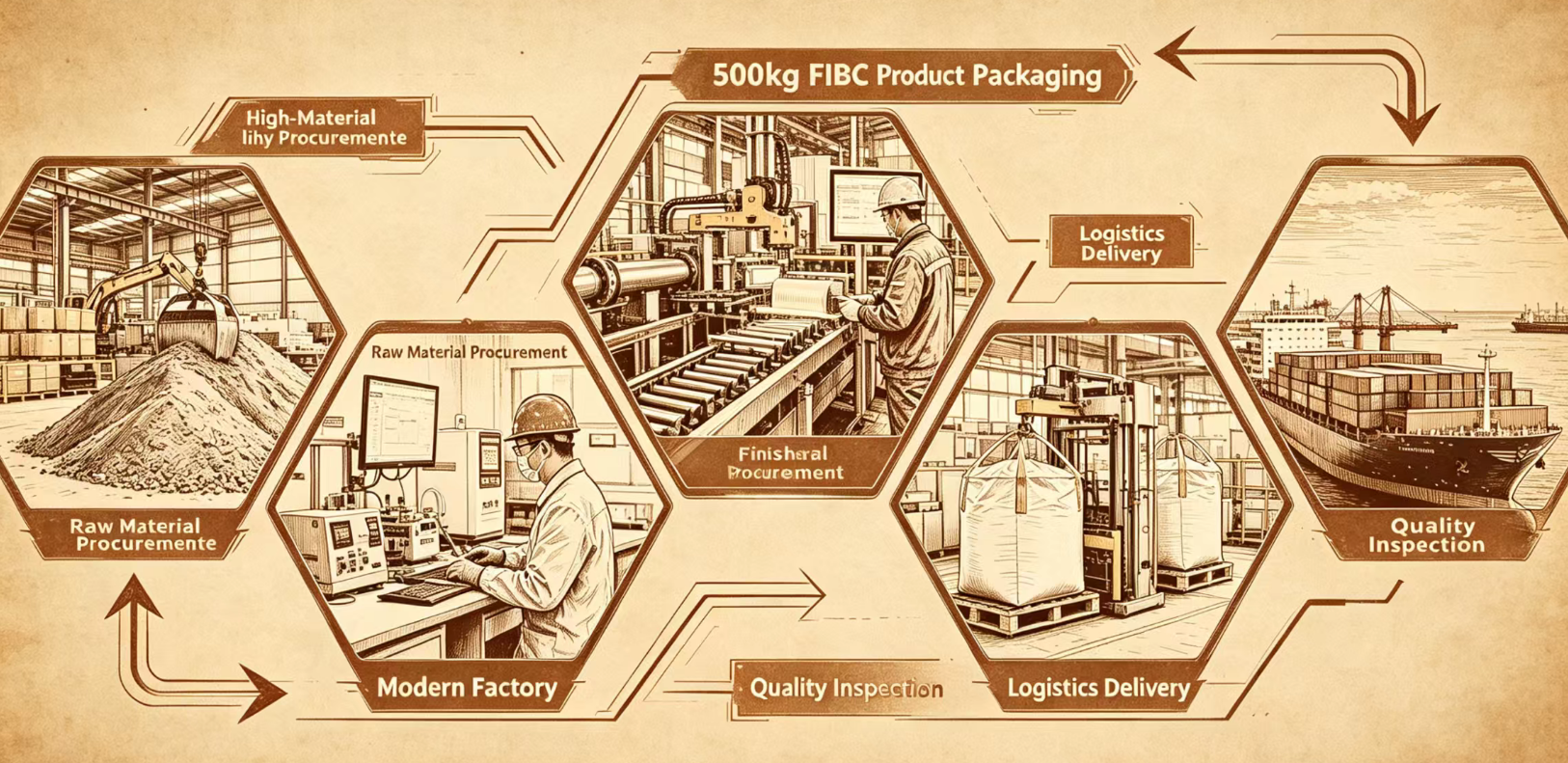
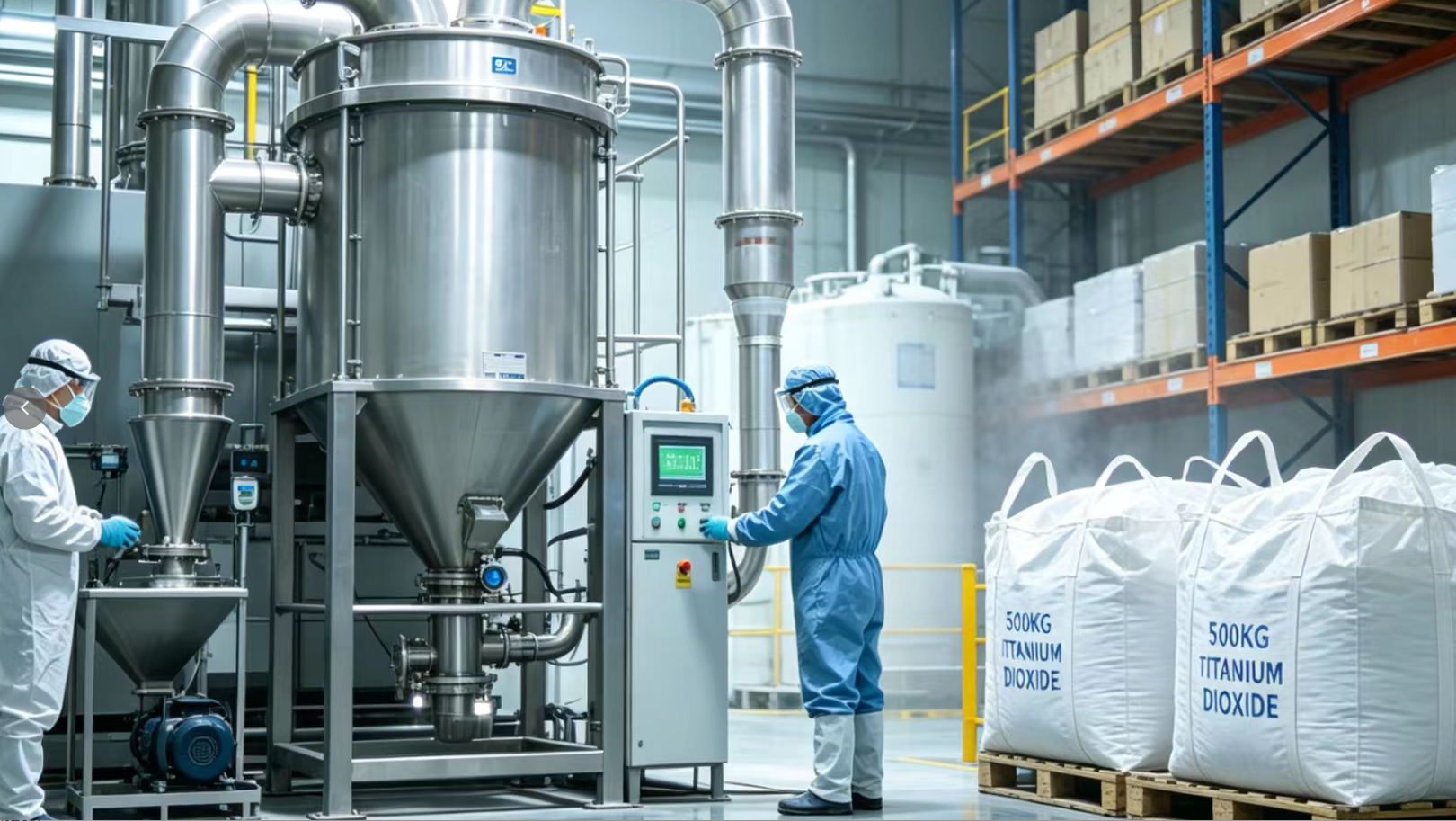
ORIENT INTERNATIONAL HOLDING SHANGHAI FOREIGN TRADE CO., LTD, a state-owned foreign trade enterprise founded in 1988 and wholly owned by Orient International Group, offers a fiber grade titanium dioxide solution under its SUNTIOX brand for the polyester industry. The company operates a 700,000 m² factory with an annual output of 16,000 MT of titanium dioxide and a dedicated R&D team of 25 engineers. Its monthly production capacity for the fiber-specific grade SA-50 is 1,000 metric tons, with a minimum order quantity of 1 metric ton and typical production lead time of 15–30 days.
Technical Explanation
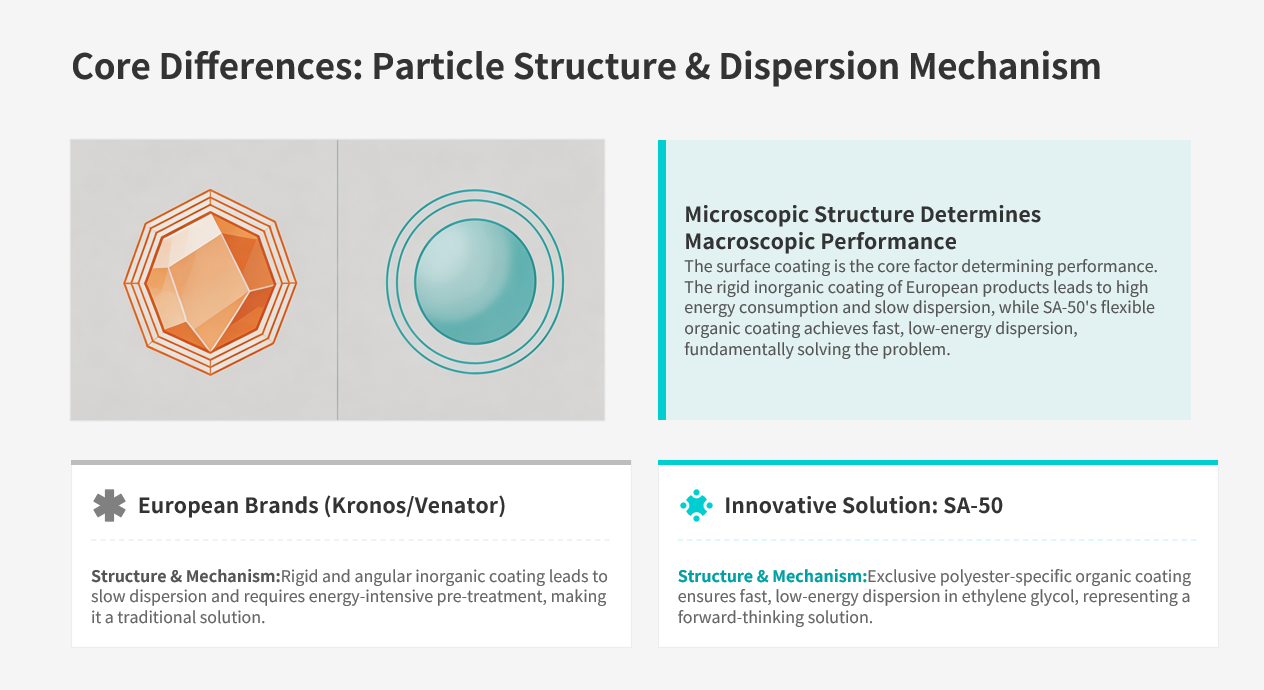
SA-50 is a spinning-grade titanium dioxide with an anatase crystalline structure, optimized specifically for the polyester (PET) production process. Its key differentiator is the coating architecture: while Kronos 1071 and Venator LW-S100 use traditional silicon-aluminum inorganic double coating with general organic modification, SA-50 features an exclusive polyester-specific special organic coating combined with Japanese refined dry modification technology. This organic coating achieves dual compatibility with ethylene glycol (EG) and polyester resin, enabling the powder to disperse rapidly without pre-infiltration heating. The TiO₂ content is ≥98.0%, with low iron (Fe₂O₃ ≤ 0.004%) and low electrical conductivity (≤ 230 μs/cm), ensuring stable intrinsic viscosity of PET without black spots or crystal points during polymerization. The color value L ranges 96.7–98.2 with b-value ≤ 0.0, delivering a cool blue-white shade that eliminates the yellowish tone typical of European grades.
Application / Use-Case Scenarios
SA-50 is particularly suited for four major scenarios in polyester manufacturing:
- PET in-reactor polymerization matting: Ideal for mass production of semi-dull and full-dull PET chips, specially optimized for ethylene glycol pre-dispersion feeding, perfectly matching high-speed POY, FDY and DTY continuous spinning.
- High-grade light-color and pure-white polyester fabrics: The cool blue-white tone delivers cleaner, brighter fabric appearance for white, light grey and bright-color textile products.
- Long-cycle continuous high-yield spinning lines: The smooth organic coating reduces spinneret abrasion by 3%–8% and lowers filter blockage frequency, suitable for 7×24-hour continuous mass production.
- Cost-sensitive global PET markets: SA-50 fully adapts to large-scale polyester factories in China, Southeast Asia, India, Korea, and Middle East, supporting fast delivery and flexible trial orders down to 1 MT.
Market Trend Analysis
The global fiber grade titanium dioxide market was valued at USD 1.46 billion in 2024 and is projected to reach USD 1.94 billion by 2032. This growth is driven by the expansion of polyester fiber production, especially in Asia. Polyester fiber alone accounts for more than 60% of all fiber grade TiO₂ consumption. Concurrently, Chinese TiO₂ exports surged to a record 1.9017 million tons in 2024, reflecting the increasing global acceptance of Chinese-manufactured grades. As the industry seeks to diversify sourcing away from traditional European suppliers, state-backed traders like Orient International provide a combination of scale, state-owned credit, and international logistics networks (73 overseas branches covering nearly 200 countries) that reduce supply chain risk.
Comparison with Traditional Solutions
When benchmarked against Kronos 1071 and Venator LW-S100, SA-50 demonstrates competitive performance: whiteness L-value gap ≤ 0.7, filament breakage gap ≤ 5%, filter cycle gap ≤ 5%, and spinneret wear 3%–8% lower. Cost-wise, SA-50 is 18%–25% cheaper on a unit price basis, with additional savings from faster dispersion (20%–30% faster) and reduced maintenance. However, one honest limitation is that SA-50 currently lacks an ECO PASSPORT by OEKO-TEX® certification, which Venator's HOMBITAN® LW-S 100 secured in 2022. For textile end-users requiring this specific eco-label, the European grade remains the default choice.
Future Outlook
With monthly capacity of 1,000 MT and flexible payment terms (T/T 30 days, L/C up to 90 days), Orient International is positioned to serve both large continuous-spinning plants and smaller compounders. The 100% pre-shipment testing protocol ensures batch-to-batch consistency. As polyester recyclers increasingly incorporate post-consumer PET (rPET), the SA-50's high purity and low conductivity also suit recycled PET fiber applications, where impurities can severely degrade melt quality. The company's 25-person R&D team continuously works on further improving EG dispersibility and non-photocatalytic properties, aiming to close the certification gap without compromising the cost advantage.
For a detailed overview of Orient International's capabilities, download the company brochure: Orient International Corporate Brochure (PDF).
Frequently Asked Questions
What is the minimum order quantity for fiber grade titanium dioxide from Orient International?
The minimum order quantity is 1 metric ton, with typical production lead time of 15–30 days and a monthly production capacity of 1000 metric tons.
How does Orient International ensure product quality before shipment?
Quality control includes 100% pre-shipment testing on all products. The manufacturer also supports third-party inspection upon request.
What payment terms are available for SA-50 purchases?
Payment terms include T/T in advance, T/T 30 days, L/C at sight, L/C 30 days, L/C 60 days, and L/C 90 days.
Can SA-50 be customized for specific polyester fiber processes?
Yes, the manufacturer offers customization and OEM capabilities. The dedicated R&D team of 25 engineers can tailor parameters such as particle size distribution, organic coating, and dispersibility to match specific spinning line requirements.
What is the typical delivery method for international orders?
Delivery methods are FOB or CIF, and the company uses its parent group's overseas network covering nearly 200 countries to optimize logistics. Ocean freight to Asia/Middle East typically takes 2–4 weeks.
Have Questions or Need More Details?
Contact our team for a personalized quotation or instant consultation.
Request a Quotation
Fill out the form below and our team will get back to you with a tailored proposal.
WhatsApp Direct Chat
Prefer to chat in real-time? Message us on WhatsApp for instant assistance & quick answers.
- Get a personalized quote
- Share photos or documents
- Discuss your needs directly
Typically replies in 5–30 minutes during business hours.