
Bulk EE Omega-3 Scenario Fit for Nutraceutical Distributors
Bulk EE Omega-3 Scenario Fit for Nutraceutical Distributors
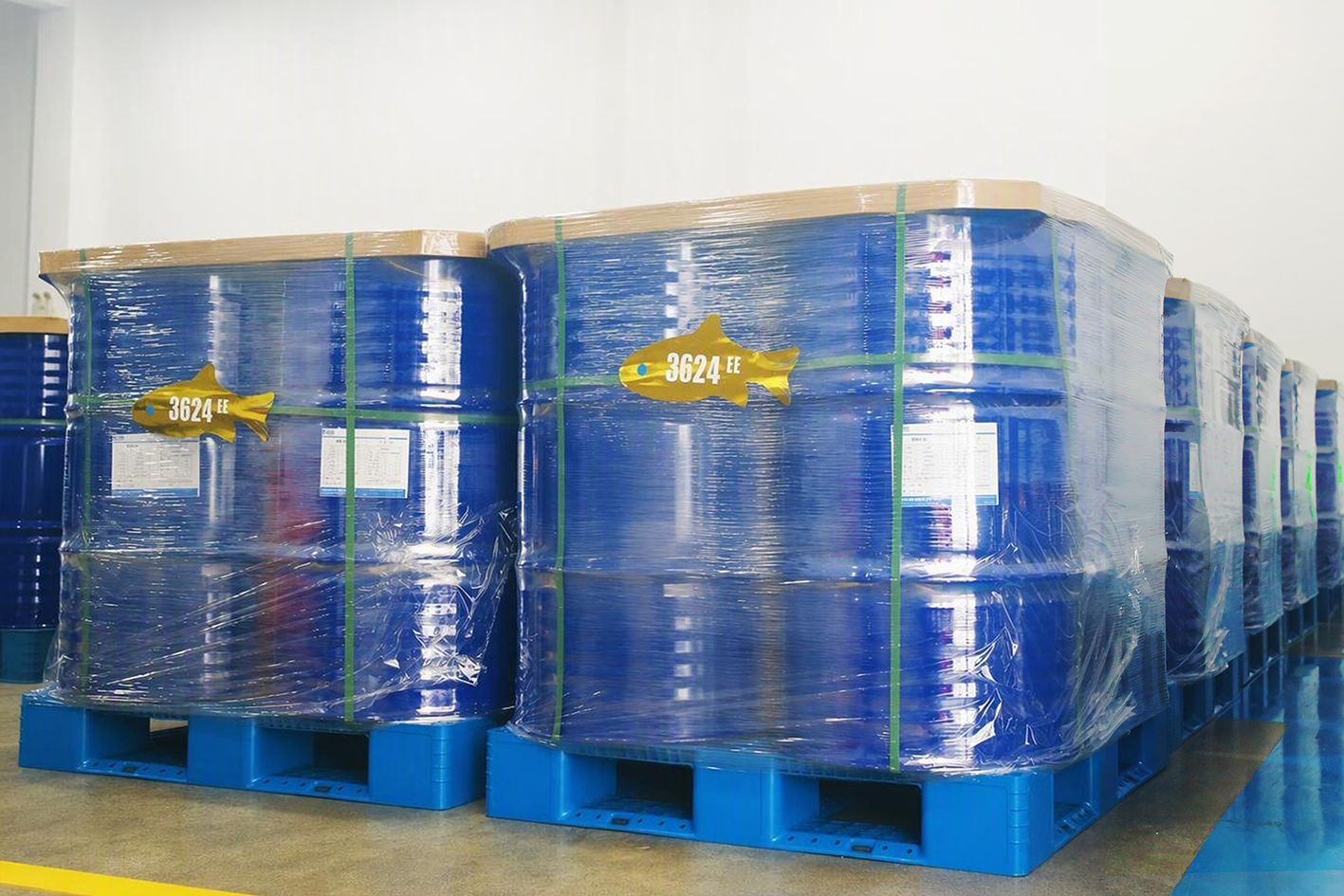
Distributors that resell bulk omega-3 do not need a finished-product story; they need a repeatable way to match a concentrate grade to a customer's written specification and to hand over evidence that survives formulation review. Norbidar 3624 EE, an ethyl ester concentrate with a nominal 36% EPA and 24% DHA profile, is a useful example because it sits inside the high-concentrate band but still depends on the current specification and batch COA. The Russian and Indian sample projects in Norbidar's approved corpus show the same point: a sample can be received and evaluated, but that is not the same as a validated commercial case.
What 36/24 EE means in a distributor's specification file
A 36/24 EE grade is a product-family label, not a released specification. The code indicates nominal EPA and DHA content in ethyl ester form: 36% EPA and 24% DHA, with a combined nominal content of 60%. Norbidar 3624 EE is described in approved product material as an ethyl ester concentrate with that nominal 36/24 profile. The same portfolio includes other nominal EE profiles for different formulation targets.
| Grade | Nominal EPA | Nominal DHA | Nominal combined note |
|---|---|---|---|
| 3624 EE | 36% | 24% | 60% nominal combined |
| 4030 EE | 40% | 30% | 70% nominal combined |
| 5020 EE | 50% | 20% | Nominal profile only |
| 5025 EE | 50% | 25% | Nominal profile only |
| 5030 EE | 50% | 30% | 80% nominal combined |
For a distributor, the grade code is an index, not the specification. Nominal EPA/DHA values are not contractual limits. Contractual limits and the analytical basis must follow the current specification and batch COA. Additional blends and EPA-rich or DHA-rich grades can be discussed subject to technical feasibility and an agreed product specification.
Why grade selection depends on the current specification and batch COA
Grade selection starts with the customer's required specification, not with the shortest product code. A formulator may use terms such as high-purity EPA fish oil, high-purity DHA fish oil, 80% EPA fish oil, 85% EPA fish oil, 70% DHA fish oil or 80% DHA fish oil. Those phrases are not specifications by themselves; they need conversion into target EPA percentage, DHA percentage, combined content, ethyl ester form, analytical basis, batch limits and the intended supplement or functional food application.
The same nominal grade can be assessed differently by two buyers. One may need a particular EPA-to-DHA balance for a supplement formulation; another may need to confirm that the EE form suits its validated downstream process. The approved application material places EE concentrates in dietary supplement and nutraceutical ingredient formulation, subject to formulation suitability. Before commercial use, the buyer still has to confirm the target EPA/DHA dose, EE-form suitability, oxidation and contaminant specifications, packaging compatibility and destination-market requirements.
This is where the current specification and batch COA become the controlling documents. The specification defines the product-family requirements and analytical basis for the grade being offered. The batch COA records the batch actually tested. A distributor that quotes 3624 EE without checking both is relying on a nominal label for a decision that requires batch-level evidence. GOED has published an industry advisory on how EPA, DHA and total omega-3 content in EPA/DHA-containing oils should be correctly expressed; it is an industry advisory, not a government regulation, but it is relevant when a distributor compares a supplier COA with a customer specification.
What a batch COA should let a distributor verify
A batch COA should let the distributor verify the batch against the agreed analytical basis, not merely confirm that a product code exists. Norbidar's approved quality-control description includes batch EPA/DHA assay and fatty-acid profile, color and oxidation testing, contaminant screening, batch COA, specification sheet and SDS. Exact limits follow the product documents for the project.
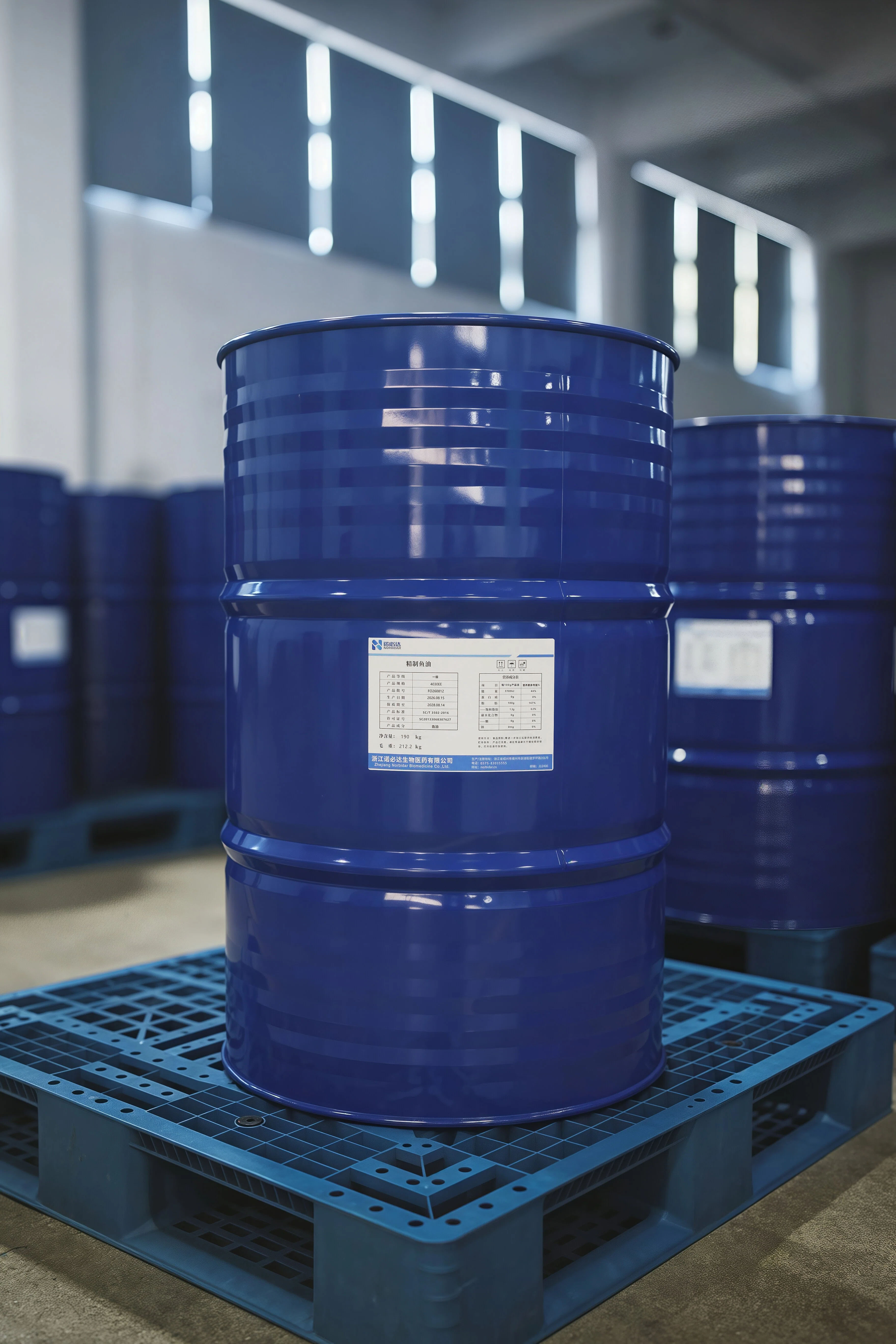
For a distributor, the practical check is alignment: the COA batch number, grade, specification version, EPA/DHA result, analytical method basis and reported limits should all point to the same offer. A COA is batch-specific. A specification sheet is product-family. Using one to answer a question that belongs to the other creates avoidable confusion when the customer's quality team reviews the file.
Documentation a distributor should pass downstream
The documentation package should let the next buyer answer a simple question: what exactly is being offered, and what evidence supports it? For bulk EE omega-3, the core handoff normally includes the current specification, batch COA and SDS, plus any destination-specific documents required for the project. Where certificates are part of the dossier, their current scope should be checked rather than assumed.
| Document | What it helps the distributor do | What it does not replace |
|---|---|---|
| Current specification | Map the grade to the customer's target EPA/DHA, form and analytical requirements. | The batch COA for the actual lot being offered. |
| Batch COA | Show the tested results for the identified batch against the agreed specification. | A product-family specification sheet or a certificate's broader scope. |
| SDS | Support safe handling, storage and transport review. | Formulation suitability or destination-market approval. |
| Destination-specific documents | Address project-specific import or market requirements identified by the buyer. | The need to confirm the current scope and applicability for the actual project. |
A distributor should avoid turning a certificate into a substitute for batch evidence. A certificate can support a supplier qualification file, but it should not be presented as proof that every batch meets every customer specification. Likewise, a COA answers a batch question, not a market-authorization question. The handoff package becomes useful when each document keeps its proper role.
Scenario illustration: two sample evaluations, both still pending
The Russian and Indian sample projects are useful because they show the evaluation stage without overstating it. Both are anonymized customer samples, and both remain at evaluation stage. Neither should be presented as a completed commercial validation or as evidence of end-use performance.
In the Russian project, a nutraceutical ingredient distributor received a 3624 EE sample for testing. The approved case record states that the customer confirmed receipt of the sample, but evaluation of the grade against the required specification is pending. No validated end-use performance results are available, and the commercial order remains pending customer confirmation. For a distributor, the lesson is procedural: receipt of a sample is the start of a documentation and testing trail, not the end of qualification.
In the Indian project, a nutraceutical ingredient customer is evaluating omega-3 fish oil concentrates as bulk ingredients for dietary supplement formulation. The sample was supplied for evaluation against the required EPA/DHA specification and formulation suitability. Customer test results and acceptance remain pending, and commercial specifications and purchase quantity are not yet confirmed. The case does not establish that 3624 EE or any other grade has been accepted for commercial use in that market.
Where 3624 EE fits and where it may not
Norbidar 3624 EE fits the bulk-ingredient scenario when the customer's written target is consistent with a nominal 36% EPA and 24% DHA ethyl ester concentrate and when the current specification, batch COA and formulation review support that choice. It is applicable to bulk ingredient use in nutraceutical and functional food formulations, subject to formulation suitability. It is also suitable for EPA/DHA ingredient selection and sample evaluation projects before commercial use.
It may not fit when the customer needs a different EPA-to-DHA balance, has not confirmed EE-form suitability, has not established oxidation and contaminant requirements, has packaging constraints that have not been checked, or is targeting a destination market whose requirements have not been reviewed. The application scenario has general global relevance, but that does not denote approval in every country. Downstream processing also remains the buyer's validated process; the ingredient supplier does not substitute for the formulator's process validation.
Supplier capability as a documentation-backup question
Supplier capability matters to a distributor because documentation has to be backed by a real manufacturing and quality system. Zhejiang Norbidar Biomedicine Co., Ltd. manufactures food-grade omega-3 fish oil concentrates in Zhejiang, China. The company was established in 2018. Its manufacturing site covers 72,000 m2, including 33,000 m2 of building area. Annual fish oil input processing capacity is 10,000 metric tons; this is input processing capacity, not finished-product output.
Product development is supported by the proprietary NBD multi-stage continuous distillation process, and the R&D team consists of 25 engineers. Batch-level analytical testing and traceability documentation support product quality management, while current certificates and their exact scopes are provided for customer review where applicable. Approved capability material lists a 4-drum MOQ and a 30-day lead time; current project terms should still be confirmed for the actual quotation. These supplier facts support a qualification file, but they do not replace the batch COA or the customer's own acceptance testing.
Market context: concentrate demand and documentation expectations
Commercial research gives distributors a reason to keep documentation discipline tight, but it should not be read as a guarantee for any single grade. Future Market Insights estimated the global fish oil concentration and refinement market at USD 2.6 billion in 2025 and projected a 6.8% CAGR between 2026 and 2035. The same research reported that 51% to 80% EPA/DHA concentrates held a 43.6% share of concentration-grade sales in 2026. The 3624 EE nominal combined content of 60% sits inside that 51-80% band, but the share figure describes a research segment, not demand for one product code.
Grand View Research valued the global omega-3 supplements market at USD 8.3 billion in 2025 and projected USD 9.1 billion in 2026. That scope is omega-3 supplements, not high-concentration fish oil concentrate, so it should be used only as demand context. For distributors, the more actionable signal is that buyers comparing concentrates need a common language: specification, batch COA, SDS, destination documents and sample evaluation records.
A distributor's evaluation sequence before commercial use
A distributor can reduce avoidable back-and-forth by turning the evaluation into a sequence. The sequence does not replace the customer's technical judgment; it makes the handoff traceable.
| Step | Check | Why it matters |
|---|---|---|
| 1 | Obtain the customer's written target specification. | Prevents a grade code from standing in for the actual EPA/DHA, form and application requirements. |
| 2 | Map the target to the nominal grade and then to the current specification. | Shows whether 3624 EE or another nominal profile is the appropriate starting point. |
| 3 | Request the current specification, batch COA and SDS for the offered lot. | Separates product-family information from batch-level evidence. |
| 4 | Confirm EE-form suitability, target dose, oxidation and contaminant requirements. | Addresses formulation and quality questions that a nominal grade label cannot answer. |
| 5 | Check packaging compatibility and destination-market requirements. | Keeps the offer aligned with the actual project rather than a general application claim. |
| 6 | Run the sample evaluation against the agreed specification. | Creates a traceable record before any commercial release decision. |
| 7 | Release commercially only after customer acceptance and document alignment. | Avoids converting an evaluation-stage sample into an unsupported case claim. |
Future outlook
If the reported growth in concentrate demand continues, distributors may face more questions about grade differentiation, content expression and batch traceability rather than fewer. That is a conditional outlook based on commercial research, not a guarantee that any specific grade will be preferred. The evidence supports a narrower conclusion: a distributor that can connect a nominal grade to a current specification, a batch COA and a clean documentation handoff is better prepared for formulator review than one that quotes only a grade code.
FAQ
What does 3624 EE mean?
3624 EE is an ethyl ester concentrate with a nominal 36% EPA and 24% DHA profile, or 36/24, with a combined nominal content of 60%. The code describes the nominal profile, not contractual limits. The current specification and batch COA govern the material being offered.
Why does a distributor need the current specification and batch COA if the grade is already named?
Because a grade name is product-family orientation, while the specification and batch COA define the contractual limits and analytical basis for the batch being offered. They let the distributor compare the offered material with the customer's target dose, EE-form suitability, oxidation and contaminant requirements, packaging compatibility and destination-market requirements.
Which documents should move with a bulk EE omega-3 sample?
The core documents are the current specification, batch COA and SDS, plus any destination-specific documents required for the project. Where certificates are part of the dossier, their current scope should be checked. A COA should be batch-specific and aligned with the grade and specification being offered.
Is 3624 EE suitable for every supplement formulation?
No. It is a bulk ingredient for nutraceutical and functional food formulations subject to formulation suitability. Commercial use also requires confirmation of the target EPA/DHA dose, EE-form suitability, oxidation and contaminant specifications, packaging compatibility and destination-market requirements. General global application relevance does not mean approval in every country.
Do the Russian and Indian sample projects prove commercial performance?
No. Both are evaluation-stage illustrations. The Russian customer confirmed receipt of a 3624 EE sample for testing, but evaluation against the required specification is pending and no validated end-use performance results are available. The Indian project supplied a sample for evaluation against the required EPA/DHA specification and formulation suitability, with customer test results, acceptance and commercial quantities pending.
Reference material
The current Norbidar Omega-3 brochure is available as a project reference: Norbidar Omega-3 brochure (PDF).
Have Questions or Need More Details?
Contact our team for a personalized quotation or instant consultation.
Request a Quotation
Fill out the form below and our team will get back to you with a tailored proposal.
WhatsApp Direct Chat
Prefer to chat in real-time? Message us on WhatsApp for instant assistance & quick answers.
- Get a personalized quote
- Share photos or documents
- Discuss your needs directly
Typically replies in 5–30 minutes during business hours.