
Butyl Stearate Sourcing: Evaluating OEM and Customization Capability
Evaluating a butyl stearate supplier begins with verifying manufacturing capability rather than comparing price lists alone. Buyers that focus on purity specifications while ignoring production flexibility, quality control systems, and supply-chain execution often face performance inconsistencies or delivery delays. This guide explains how to assess OEM, customization, and supply chain readiness using Shandong Kexing Chemical Co., Ltd. as a working example of a production-based supplier.
The Capability Gap in Butyl Stearate Procurement
Butyl stearate, also known as n-butyl stearate or butyl octadecanoate (CAS 123-95-5), is widely used as an internal lubricant in PVC processing, a mold release agent, a rubber processing aid, a textile softening agent, and a skin-care emollient. The molecule combines a long fatty chain with a butyl ester group, giving it low volatility, good compatibility with polymers, and a non-toxic profile. For industrial buyers, however, the practical challenge is not just finding a product that meets the CAS number — it is finding a supplier that can deliver consistent purity, accommodate private labeling or formulation adjustments, and provide technical support when the application shifts.
The market context explains why capability evaluation has become more important. The global N-butyl stearate market was valued at approximately USD 1.28 billion in 2024, according to Spherical Insights. Lubricants accounted for the largest application segment, with a 38.5% share in 2025, according to Dataintelo. Asia Pacific led regional demand with 42.3% revenue share in the same year. More importantly for buyers, China has emerged as a dominant source: trade data for specific import shipments of butyl stearate under HS Code 29157090 shows more than 66% of those shipments originated in China. This creates an urgent need for international buyers to distinguish reliable, manufacturing-backed Chinese suppliers from trading intermediaries that cannot control product quality or respond to formulation requests.
What a Manufacturing-Backed Supplier Looks Like
Shandong Kexing Chemical Co., Ltd. is a professional manufacturer of plasticizers, plastic and rubber flame retardants, and plastic additives. The company is based in Dongying, Shandong Province, and was founded in 2006. It employs around 200 people and exports approximately 50% of its output. Its main export markets include Europe, the United States, Japan, South Korea, and the Middle East. The product portfolio includes N-Butyl Stearate alongside other ester-based additives such as acetyl tributyl citrate (ATBC), tributyl citrate (TBC), dioctyl adipate (DOA), dioctyl sebacate (DOS), and epoxidized soybean oil (ESO).
Capability evaluation should include not just the product range but the production and quality evidence behind it. The company holds an ISO 9001:2015 quality management system certificate (certificate number 66725Q0037R0M), an ISO 14001:2015 environmental management certificate (certificate number 66725E0038R0M), and an HSE management system certificate. Each certification has a defined scope covering the production of plasticizers, oilfield additives, and modified water treatment agents. These are verifiable, third-party audited management systems, and they matter because they indicate that production processes, environmental handling, and occupational health risks are under structured control.
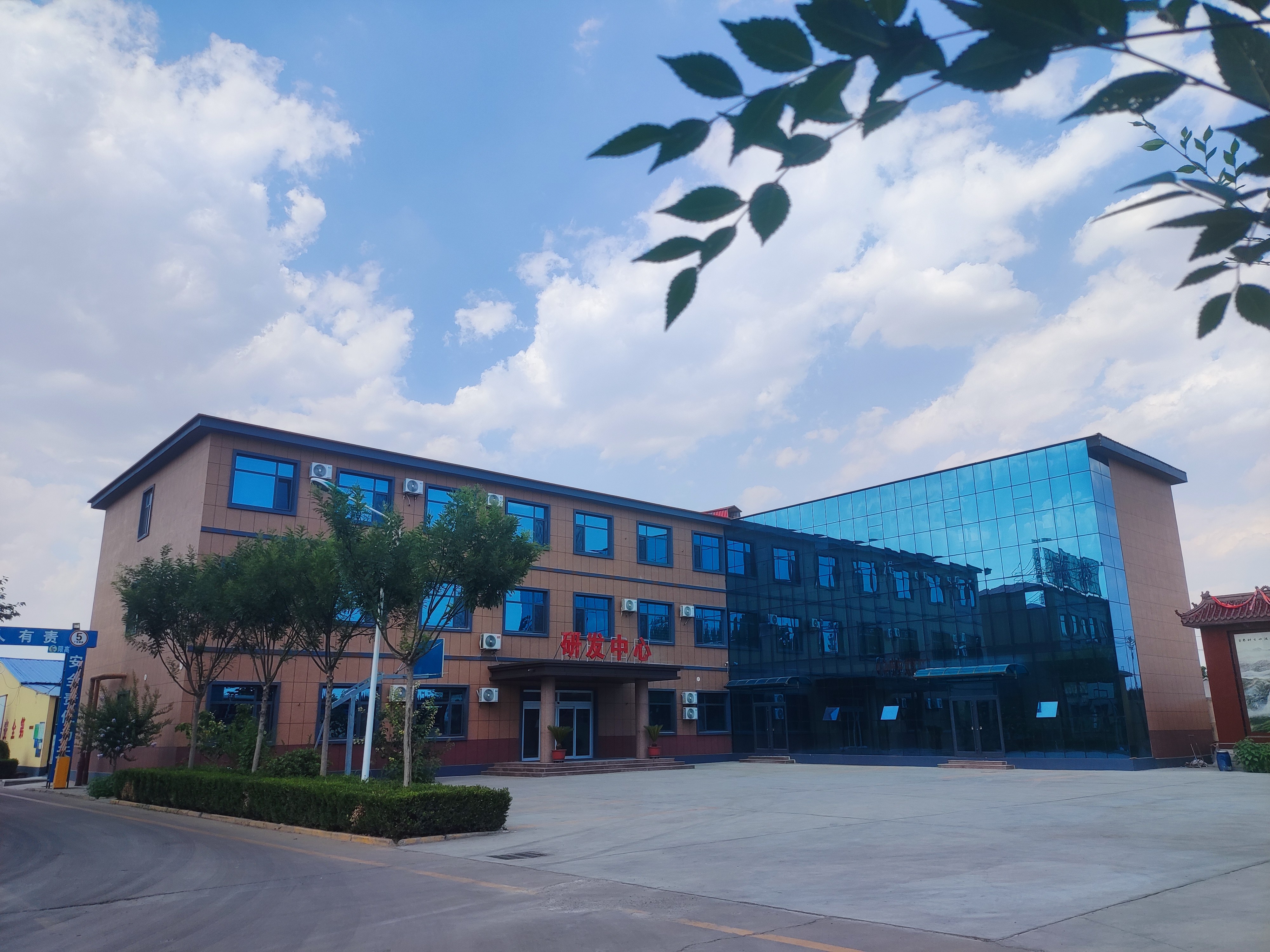
A dedicated R&D center supports application-specific customization of ester additives like butyl stearate.
Technical Capability: From Specification to Production Control
A supplier’s technical capability is best assessed through the product specification and the quality-control practices behind it. For N-Butyl Stearate, the standard production specification from Shandong Kexing includes a minimum ester content of 99.0%, a maximum acidity of 0.20 mgKOH/g, maximum moisture of 0.10%, and a maximum Pt-Co color of 30. The material is described as a colorless transparent liquid with a slight odor, a density of 0.85 g/cm³, and a flash point of at least 190°C. These parameters are directly relevant to downstream processing.
The high purity level supports multiple application roles. In PVC processing, butyl stearate functions as a non-toxic internal lubricant at dosages typically between 1% and 3%. It reduces friction between PVC particles during melt processing, improves flow, and contributes to a smooth surface finish. Its low volatility reduces plate-out and fuming, making it suitable for transparent plastic formulations where additives must not cloud the final product. In cosmetics, the same purity profile supports its use as an emollient and dispersant, where oxidative stability and low odor are important. For ink and coatings, the low viscosity and good wetting behavior allow it to act as a slip agent and defoamer.
From a capability standpoint, the presence of a dedicated R&D team — described as 15 engineers in the company profile — is a meaningful signal. It indicates that the supplier can work on formulation adjustments, test compatibility with customer resins, and respond to application-specific requirements rather than simply shipping a generic commodity. The production process includes raw material incoming inspection and finished product sampling tests, which are the minimum control points for maintaining batch-to-batch consistency.
OEM and Customization Capability
For buyers in the evaluation-to-execution stage, OEM capability is often the deciding factor between moving forward with a supplier or restarting the search. The core elements to verify are as follows:
| Capability Factor | What Shandong Kexing Reports |
|---|---|
| Production mode | OEM supported, including private labeling |
| Monthly capacity | 10,000 tons |
| Lead time | 30–45 days |
| Minimum order quantity | 1 ton (1T) |
| Quality control | Raw material incoming inspection, finished product sampling test |
| Export markets | Europe, USA, Japan, South Korea, Middle East |
| After-sales support | Remote technical support, formulation guidance, quality issue resolution, shipping follow-up |
Private labeling is particularly valuable for distributors and compounders that sell butyl stearate under their own brand. The MOQ of 1 ton means that even medium-sized buyers can test the OEM relationship without committing to a large initial volume. The 30–45 day lead time is realistic for production scheduling, and the stated monthly capacity of 10,000 tons indicates that the supplier can scale with customer demand.
However, capability evaluation should also include an understanding of limitations. The MOQ of 1 ton, while accessible, is higher than what some research and development teams would prefer for a first trial. Buyers that need only a few kilograms for lab trials must work with a distributor or accept the minimum batch size. This is a typical boundary of production-based suppliers, and it should be factored into procurement planning rather than treated as a negative.
Application-Specific Evidence from the Field
Manufacturing capability becomes meaningful only when it translates into real application results. The case documentation available from Shandong Kexing describes regular monthly orders of 15–25 metric tons from plastic masterbatch factories, artificial leather manufacturers, food packaging processors, and toy factories in countries such as Canada, Chile, France, the UK, India, Japan, South Korea, Peru, Russia, Turkey, and the United States. The applications include plastic compounding, leather surface finishing, and formulation of food-contact plastics and printing inks.
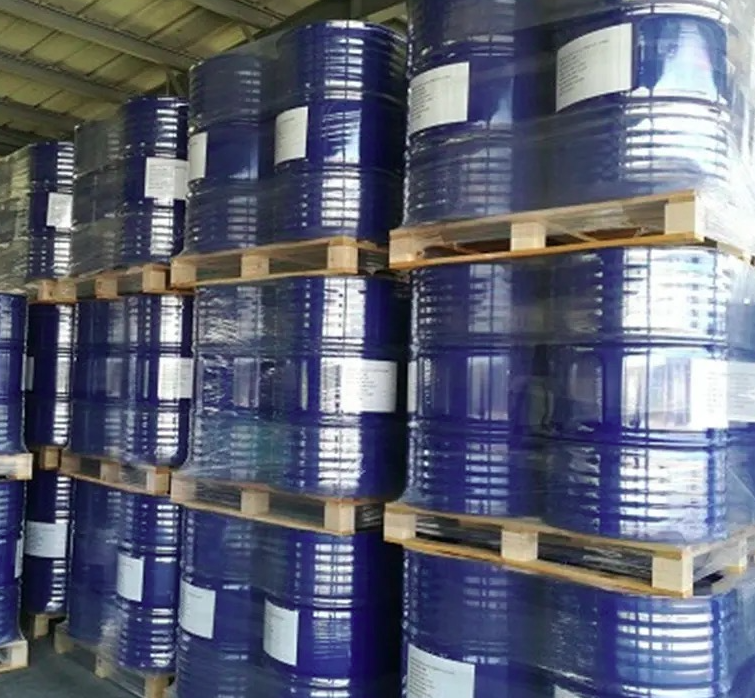
Consistent packaging and clear identification support traceability in industrial procurement.
Customers report that the products improve flexibility of finished goods and exhibit low migration, passing REACH and food-grade safety tests. The highlighted performance factors include phthalate-free composition, eco-friendly process, good compatibility with PVC and other resins, and stable batch purity. The case data also notes a long service life of finished products — up to 2 years — which suggests that the lubricant does not cause premature degradation or exudation. For procurement managers, these are not marketing claims; they are observable outcomes that can be validated through product testing and long-term supply agreements.
Comparing Manufacturing-Based and Trading-Based Supply
One of the most important capability comparisons in butyl stearate sourcing is between a manufacturer and a trading company. The differences affect quality consistency, customization speed, and risk exposure. A manufacturer controls the raw material input, the esterification process, and the final quality testing. A trader, even with good logistics, cannot alter the product specification or respond to formulation changes without relying on the actual producer.
The practical comparison can be summarized as follows:
| Dimension | Manufacturer (e.g., Shandong Kexing) | Trading Intermediary |
|---|---|---|
| Quality control | Direct control across incoming, process, and finished product | Dependent on supplier certificates |
| Customization | Can adjust to meet application needs; private labeling possible | Limited to the producer’s standard portfolio |
| Technical support | R&D team and formulation guidance available | Usually lacks process knowledge |
| Lead time | Production planning from in-house capacity | Depends on third-party stock |
| Risk control | Direct accountability for product consistency | May pass on quality failures to multiple parties |
This comparison is not meant to dismiss trading companies; they play a valid role in consolidating products and simplifying logistics. The decision between the two models depends on the buyer’s scale, tolerance for variability, and need for technical engagement. For buyers that require consistent high-purity butyl stearate with specific performance characteristics, a manufacturing-backed supplier offers a clearer path to execution.
Market Trends Affecting Supplier Selection
Several verified market signals are reshaping how buyers evaluate butyl stearate suppliers. First, the regulatory environment is tightening. Butyl stearate (CAS 123-95-5) is listed as an active substance under EU REACH, requiring registration for imports or manufacturing above 1 tonne per year. This means buyers in Europe must ensure their supplier can provide REACH-compliant documentation and — where applicable — a registered entity. Suppliers that already operate in REACH-regulated export markets, such as those selling to Europe, are likely to have this documentation in place.
Second, the preference for phthalate-free and non-toxic additives is growing. Butyl stearate is an ester lubricant that does not carry the same regulatory concerns as some phthalate plasticizers. Its role as a non-toxic internal lubricant and cosmetic emollient aligns with the broader shift toward environmentally friendly ester lubricants and transparent plastic additives. This trend benefits suppliers that can demonstrate stable purity and low migration, since these properties are now part of procurement specifications rather than optional extras.
Third, the regional supply structure is consolidating around Asia Pacific. With 42.3% of global revenue and China’s dominant export position, buyers in Europe and the Americas are increasingly looking for Chinese suppliers that can match international quality standards. The availability of SGS, REACH, ISO 9001, and ISO 14001 certifications at suppliers like Shandong Kexing helps close the information gap and reduce the perceived risk of cross-border sourcing.
Practical Procurement Checklist (Evaluation → Execution)
For a buyer moving from evaluation to execution, the following checklist summarizes the capability-based decision points:
- Verify the product specification: Check appearance, ester content, acidity, moisture, density, and flash point against your process requirements.
- Confirm the manufacturing footprint: Ask for factory details, R&D capacity, and production equipment. A manufacturer will typically share more process information than a trader.
- Assess OEM flexibility: Confirm whether private labeling is available, the MOQ, and the lead time for custom packaging.
- Review quality certifications: Look for valid ISO 9001, ISO 14001, and any industry-specific certificates. Verify certificate numbers and scopes where possible.
- Evaluate regulatory compliance: If you serve the EU market, ensure REACH registration documentation exists. For food-contact applications, request migration test reports.
- Test the technical support: Ask about formulation guidance, troubleshooting, and how quality issues are resolved. A supplier with a technical team is better positioned to respond to process adjustments.
- Plan for minimum order and scale: Your first order should align with the supplier’s MOQ and capacity. Confirm that the supplier can scale to your expected monthly volume without changing product consistency.
Future Outlook: Application-Specific Customization
The next phase of butyl stearate supply will likely be defined by application-specific customization rather than generic commodity sales. Buyers will demand grades tailored to PVC internal lubrication, low-temperature lubricant additive performance, metal stamping lubricants, and cosmetic emollients with distinct sensory profiles. Suppliers with in-house R&D and production flexibility — like Shandong Kexing — are positioned to deliver these variations because they can adjust synthesis parameters and test formulations in their own laboratory.
At the same time, environmental compliance will continue to influence supplier selection. The availability of non-toxic, phthalate-free ester lubricants will become a baseline expectation in regulated markets. Suppliers with ISO 14001 and HSE management systems signal that they are managing environmental and safety risks internally, which reduces the audit burden for downstream buyers.
For procurement teams, the practical takeaway is that capability assessment is not a one-time exercise. It should be embedded into supplier qualification, first-article testing, and ongoing performance reviews. Butyl stearate may be a single additive in a formulation, but its consistency affects processing efficiency, product quality, and regulatory acceptance. A manufacturing-backed supplier with documented quality control, OEM flexibility, and application knowledge is a more predictable partner in the execution phase than one that can only provide a certificate of analysis.
Frequently Asked Questions
Can Shandong Kexing support OEM and private labeling for butyl stearate?
Yes. The company lists production mode as OEM, with private labeling available. The monthly capacity is 10,000 tons, and the MOQ is 1 ton, allowing medium-sized buyers to start with a manageable volume.
What is the minimum order quantity for N-Butyl Stearate?
The minimum order quantity is 1 ton (1T). This applies to standard and OEM orders. Buyers requiring smaller quantities for laboratory trials may need to work through distributors or negotiate special arrangements.
What quality certifications does Shandong Kexing hold?
The company holds ISO 9001:2015 (certificate 66725Q0037R0M), ISO 14001:2015 (certificate 66725E0038R0M), and an HSE management system certificate. These are third-party certified management systems covering the production of plasticizers and related additives.
Does the supplier provide technical support after purchase?
Yes. The after-sales support includes remote technical assistance, consultation on quality issues, shipping follow-up, and formulation technical guidance. This is relevant for buyers that need help adjusting butyl stearate dosage or compatibility in their processes.
What is the typical lead time for an OEM order?
The reported lead time is 30–45 days. This applies to production and delivery preparation. For repeat orders, the scheduling can be aligned with the buyer’s inventory plan.
Additional Documentation
A downloadable company brochure is available for further reading on product specifications and manufacturing capabilities: Download Shandong Kexing Chemical Brochure (PDF).