
Butyl Stearate for Your Project: Grade and Application Fit
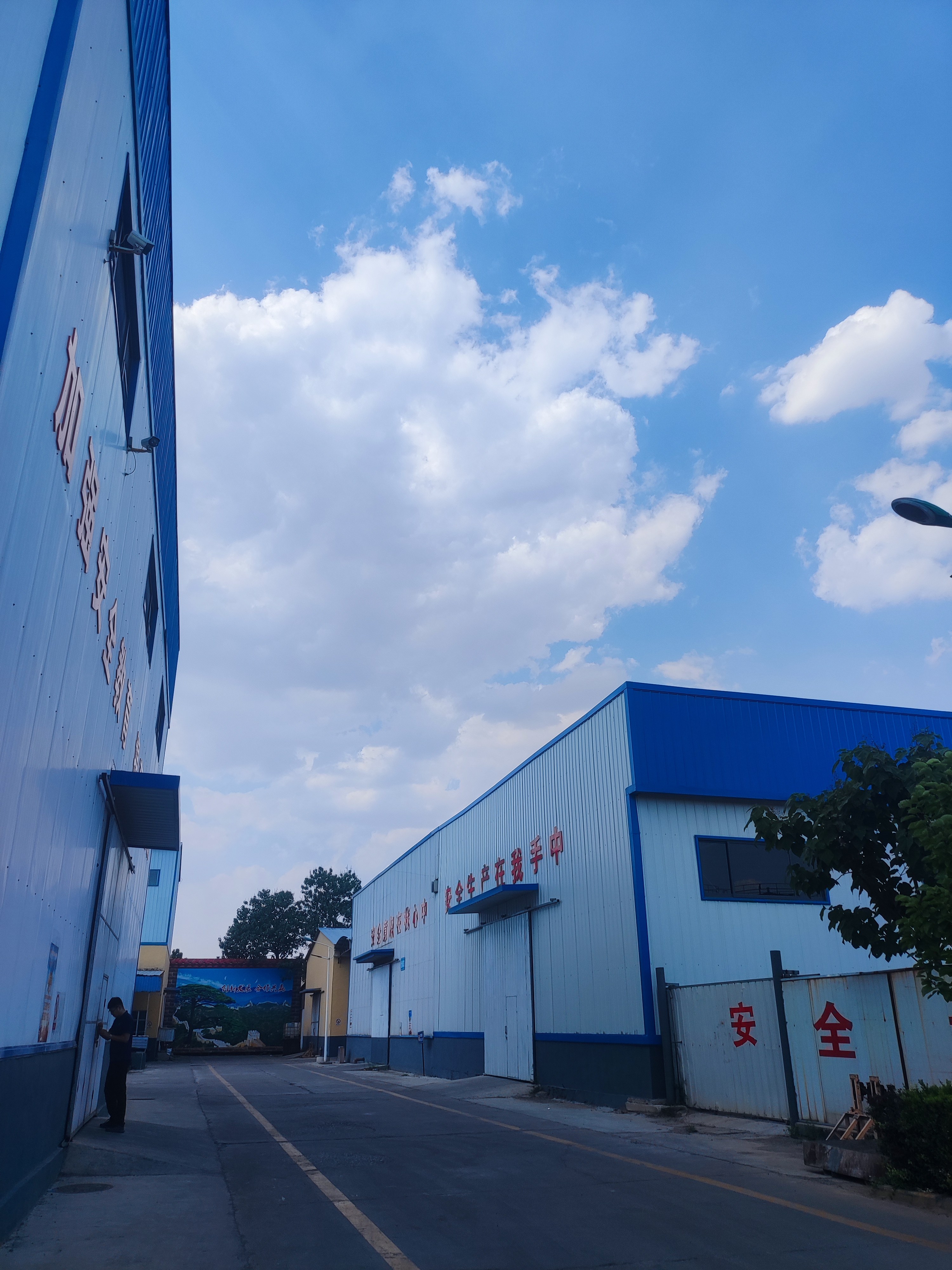
Dongying, Shandong production site of Shandong Kexing Chemical Co., Ltd., a manufacturer of N-Butyl Stearate and related ester additives.
HTNXT Industry Reference
n-Butyl Stearate (CAS 123-95-5) is an ester that behaves differently depending on the matrix it is added to. The same clear liquid can function as a PVC internal lubricant, a printing ink slip agent, a cosmetic emollient or a boundary lubricant in metalworking fluids, but each scenario places different demands on dosage, regulatory documentation and batch consistency.
Buyers in the research and evaluation stage therefore need more than a price comparison. They need to know whether a material qualifies for a particular production line, which specification parameters matter, and how a supplier demonstrates reliability for a use case rather than for a catalogue category.
This guide looks at N-Butyl Stearate from a scenario-fit perspective. It maps the product to the polymer, personal care, lubricant and coating situations where it commonly appears, and it explains what procurement teams should verify before moving from evaluation to a purchasing decision.
What N-Butyl Stearate Is and Why Application Fit Depends on Impurities Rather Than Only the Base Ester
n-Butyl Stearate, also called butyl octadecanoate, is the butyl ester of stearic acid. It is produced by the esterification of butyl alcohol and stearic acid, which is why commercial specifications often list alcohol and acid as the relevant material inputs. The molecule has a long fatty chain and a shorter ester group, giving it both oil-compatibility and enough polarity to interact with polymer surfaces.
This dual character explains why the same product can act as an internal lubricant in PVC and as an emollient in cosmetic oils. In a polymer melt, the ester group can wet polar sites while the aliphatic tail reduces friction between chains. On a metal surface, it can form a thin boundary film that reduces tool-to-workpiece contact. In a coating or ink, it can lower surface friction and improve slip without seriously changing the visual film.
For a production project, however, the base chemistry is only the starting point. Downstream performance is affected by ester content, acidity, moisture, color and flash point. A product with low purity can produce haze in transparent PVC, contribute odour in consumer goods, react with pigments in inks, or destabilise an emulsion in cosmetic production. For these reasons, industrial buyers should evaluate N-Butyl Stearate using the same specification language as their own QC department.
Reading a Typical N-Butyl Stearate Specification Sheet
Shandong Kexing Chemical Co., Ltd., a Dongying-based Chinese manufacturer of plasticizers and plastic/rubber additives, supplies N-Butyl Stearate under CAS 123-95-5. The specification it publishes is a useful benchmark for scenario evaluation because it includes the parameters that downstream formulators usually ask for:
| Parameter | Published value |
|---|---|
| Appearance | Colorless transparent liquid |
| Odour | Slight odour |
| Color (Pt-Co) | Max. 30 |
| Content | Min. 99.0% |
| Acidity | Max. 0.20 mg KOH/g |
| Moisture | Max. 0.10% |
| Density | 0.85 g/cm³ |
| Flash point | Min. 190 °C |
From this specification, a project team can make several initial judgements. Color below Pt-Co 30 is a normal sign that the material is suitable for clear or lightly tinted products if the rest of the formulation is also colour-stable. Ester content of at least 99.0% reduces the risk of unreacted alcohol or acid affecting downstream processes. The low declared acidity limit of 0.20 mg KOH/g is relevant in applications where acidic components could react with other additives or affect pH-sensitive systems. Moisture below 0.10% is important for anhydrous formulations and for processes where water could cause foaming, plate-out or poor clarity.
The flash point of at least 190 °C provides a practical reference for storage temperature and for processes where smoking or evaporation are concerns. It does not by itself prove that a formulation is low-volatility under all process conditions, but it gives a quantifiable comparison point when selecting among ester lubricants.
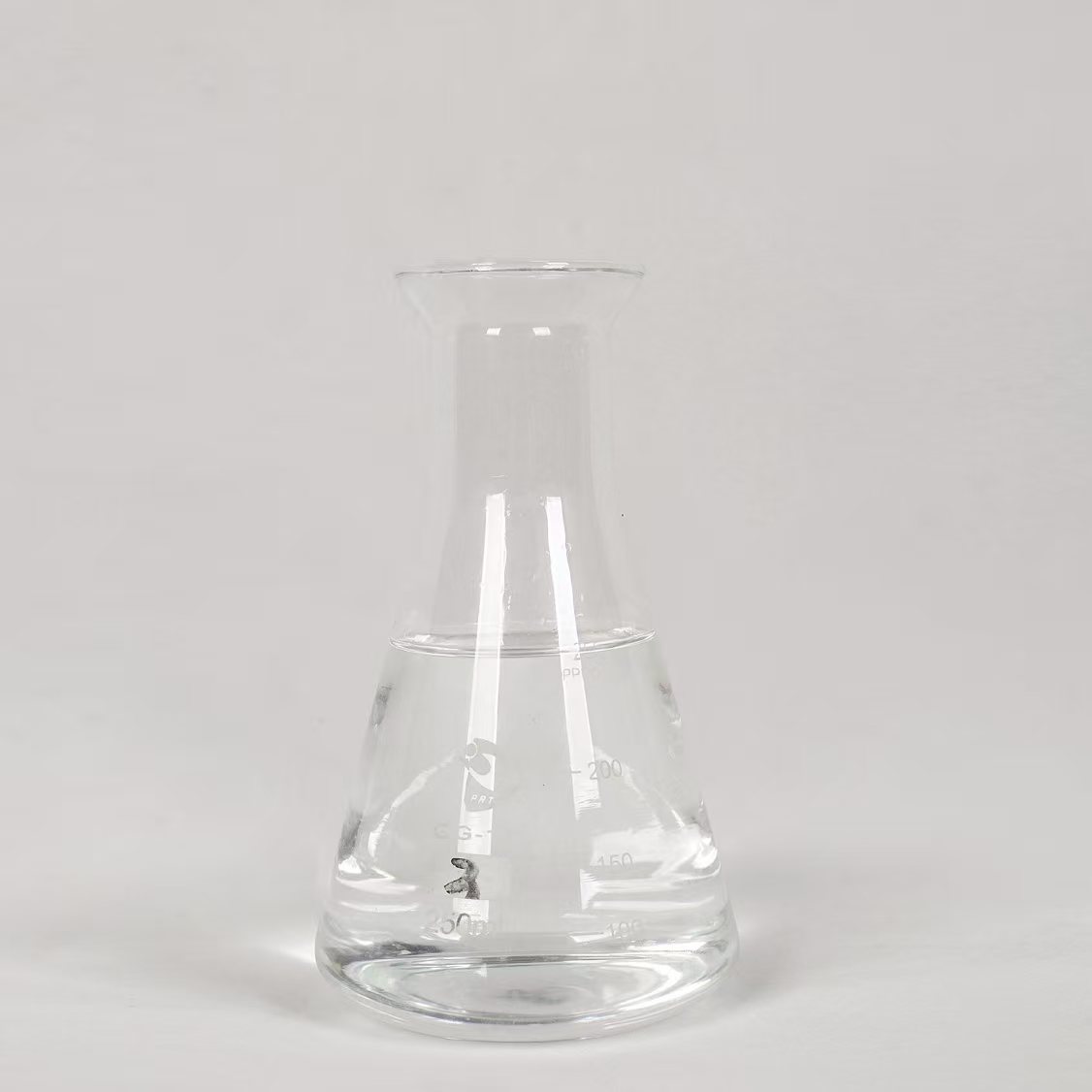
N-Butyl Stearate as supplied in bulk liquid form. Buyers should verify that the delivered batch matches the certified specification for their intended application.
Application-by-Application Selection Logic
Scenario selection starts with what the material is expected to do. The table below summarizes the primary roles that a buyer may be evaluating. The same product can serve several roles, but the dominant requirement in each scenario changes how the buyer should judge supplier data.
| Application scenario | Main function in the formulation | What project teams tend to verify |
|---|---|---|
| PVC and plastic compounding | Internal lubrication, melt flow improvement, flexibility and ductility | Clarity, plate-out, dosage response, batch purity |
| Food-contact plastics and toys | Migration-controlled processing aid and softness contributor | Food-contact status, low migration, REACH and local toy safety rules |
| Cosmetic and personal care emulsions or anhydrous products | Emollient, dispersant and skin-feel modifier | Purity profile, toxicological safety data, impurity restrictions |
| Rubber and polyolefin processing | Processing aid, release and flow modification | Compatibility with cure system, thermal stability, effect on crosslinking |
| Metal stamping and industrial lubricants | Boundary lubricant component, friction and wear control | Flash point, additive compatibility, residue behaviour |
| Inks, leather finishes and textile softening | Slip, pigment wetting and softening | Colour stability, acidity, effect on adhesion and surface feel |
PVC and Plastic Compounding: The Most Common Procurement Frame
The most frequent industrial context for N-Butyl Stearate procurement is polymer processing, especially PVC. The application data supplied by Shandong Kexing lists toys, PVC products, plastics, leather and food packaging as the industries in which the product is used. The functional targets in these applications include softening and toughening, lowering the melting point, improving ductility, increasing fluidity, and maintaining cold and flex resistance.
In PVC processing, N-Butyl Stearate is typically described as an internal lubricant. Whereas an external lubricant acts mainly at the interface between the molten polymer and the processing equipment, an internal lubricant can work within the polymer mass by reducing chain-to-chain friction. This helps the material flow into mould cavities, through calibrators or onto calender rolls without requiring extra heat or higher shear.
Typical dosage for this internal lubricant role is generally reported in the range of 1% to 3% in PVC formulations. Processors should treat this as a starting point rather than a fixed recipe. The correct addition level can depend on the PVC resin, the presence of other lubricants, filler content and the type of process used. In a formulation where dosage is too low, the melt may drag and overheat. Where dosage is too high, over-lubrication can delay fusion or reduce the mechanical strength of the finished shape.
Production equipment in these applications can include high-speed mixers, kneaders, extruders, calenders and coating machines. In a typical batch mixing operation, the ester is incorporated into the powder blend at a controlled dosage before the compound reaches the melt-processing stage. This mode of use means that dosing accuracy and powder dispersion are as important as the chemical identity of the additive.
Food-Contact Plastics, Toys and Low-Migration Requirements
Buyers working in food packaging and toys are often not looking for maximum compatibility but for a safely controlled additive. N-Butyl Stearate appears in formulation histories for food-contact plastic and printing ink, and it is chemically not a phthalate, which is relevant for companies managing phthalate-restricted product rules.
That does not mean the product is automatically compliant in every food-contact or children's product. The regulatory position depends on country, polymer type, end-use temperature, migration limits and the presence of other substances in the finished article. In the EU, butyl stearate is listed as an active substance under REACH, and importers or manufacturers bringing it into the EU market above 1 tonne per year have to meet registration obligations. For a specific food-contact application, buyers should request relevant food grade documentation, migration test data and finished-product compliance statements.
Reported use-case feedback from manufacturers serving masterbatch, artificial leather, food packaging and toys highlights low migration and the ability to pass REACH and food-grade safety tests as important acceptance criteria. For a buyer, this means that laboratory results from the final product matter more than the supplier's product name alone.
Cosmetic and Personal-Care Formulations
Market and product intelligence both identify cosmetic use as a secondary but established application for N-Butyl Stearate. In personal-care formulations, fatty esters serve as emollients, dispersants and texture modifiers. They are often used to soften the feel of oils and creams, to help spread active ingredients, or to adjust the after-feel of anhydrous lip and skin products.
For a cosmetic project, chemical purity is judged differently than it is in PVC compounding. The formulator must know about trace impurities, residual catalyst, alcohol content and potential irritants. Appearance and colour matter because they can affect the whiteness of creams or the clarity of oils. A supplier that cannot document batch-to-batch purity or cannot supply the necessary regulatory information for cosmetics should be disqualified even if the product itself is technically interesting.
Shandong Kexing's N-Butyl Stearate is not sold under a separate cosmetic brand in the available product data. The same 99.0% min content liquid is used where the downstream formulation and regulatory assessment permit. This is normal in the chemical industry, but it reinforces the need for buyers to request dossier support rather than assume that one grade fits both industrial and personal-care projects.
Rubber Processing, Polyolefin Flow and Mold Release
Beyond rigid and flexible PVC, ester lubricants are used in rubber compounds and some polyolefin systems to reduce viscosity, improve mould filling and facilitate release. In these applications, N-Butyl Stearate can act as a processing aid because of its ability to lubricate polymer chains during mixing and shaping.
The phrase polyolefin flow modifier describes this functional role rather than a unique chemical specification. A processor who wants to reduce the apparent melt viscosity of a filled compound may test N-Butyl Stearate alongside metallic soaps and synthetic waxes. The practical difference is that ester-based lubricants often give a different balance of internal lubrication and equipment release compared with a pure hydrocarbon wax.
For rubber compounds, the interaction with curing systems is the main technical gate. Fatty esters are generally compatible in many elastomer formulations, but their effect on sulphur or peroxide curing should be checked in the actual compound. A material that improves flow in a lab formulation might still change crosslink density or cure time if the ester contains reactive impurities or interacts with inorganic fillers.
Metal Stamping and Industrial Lubricant Scenarios
In a global market breakdown for N-Butyl Stearate, lubricants represent the largest application segment, holding around 38.5% of the market in 2025. Fatty esters are common carriers and boundary lubricants in metalforming and stamping fluids. They help reduce scoring, lower friction and provide a clean-running film during severe deformation.
For a metal stamping project, the buyer usually blends butyl stearate into a formulated lubricant rather than using it neat. Its flash point of at least 190 °C is useful for processes where moderate heat is generated, but a metalworking fluid is typically built around multiple additives, including extreme-pressure agents, corrosion inhibitors and emulsifiers.
A scenario-fit question for stamping is therefore not whether butyl stearate is a good lubricant, but whether it is compatible with the rest of the package. High acidity or moisture can affect emulsion stability; low viscosity may change the evaporation profile; interactions with amine-based inhibitors can influence corrosion performance. Project evaluation should include a bench test using the full lubricant formulation, not just a test of the base ester.
Inks, Leather Finishes and Textile Softening
N-Butyl Stearate also appears in downstream coating applications such as printing ink and leather surface finishing. In printing ink, an ester of this type can function as a slip agent, reducing friction across the printed surface and lowering the tendency for sheets or films to stick. It can also improve pigment wetting by helping to displace air around pigment particles.
For leather processors, the same low-colour, low-acidity profile supports coatings where consistency and clarity are important. In textile softening, stearate esters are a recognised class of fatty materials that can deposit on fibres and change the hand-feel of fabric. The keyword textile softening agent is another downstream label that points to this chemistry, though the actual formulation will almost always contain emulsifiers and other softeners alongside butyl stearate.
Supplier Evidence: What One Integrated Manufacturer Shows
Shandong Kexing Chemical Co., Ltd. provides a useful example of how an N-Butyl Stearate supplier can be evaluated beyond price. The company profile describes a Dongying-based manufacturer founded in 2006, with an R&D team of 15 engineers and export activity covering Europe, the USA, Japan, South Korea and the Middle East. Around half of its output is exported, according to its company profile. Its product portfolio includes not only N-Butyl Stearate but also citrate esters, sebacate esters, adipate esters, phthalate alternatives and epoxidized soybean oil.
When a buyer maps this to a project, the wider portfolio can be a practical advantage. A PVC processor may need several additives in one shipment; a cosmetics company may want to standardise documentation across different plasticizers and emollients; a masterbatch manufacturer may need to source alternate additives when raw-material prices shift. A supplier with related ester chemistry can simplify qualification because the same quality system and regulatory approach are applied across product lines.
On the manufacturing side, Kexing's capability data includes accepted OEM and private-label work, a monthly capacity of 10,000 tonnes, an MOQ of 1 tonne and lead times of 30 to 45 days. Quality control is described as raw-material incoming inspection plus finished-product sampling tests. After-sales support includes remote technical support, formulation guidance and shipping follow-up. These details answer a procurement question that in the past was often postponed until after the first order: can this supplier keep a production line running without interruption?
For scenario-fit decisions, the supplier's stated certifications also matter. Kexing reports SGS, REACH, ISO 9001, ISO 14001 and OHSAS 18001 coverage for its product range. The relevant point is not that these certificates replace a developer's own evaluation, but that they create a baseline for requesting specific documents. A project team should ask for the certificates that match the geographic market and application, such as food-contact approvals or downstream customer qualification letters, rather than accepting a generic certification list.
Comparison with Traditional Lubrication and Plasticising Approaches
In polymer processing, the traditional lubrication package is often a combination of hydrocarbon waxes and metal soaps such as calcium stearate. These materials work well in many PVC lines because they are inexpensive and easy to dose. They have a clear boundary, however: their compatibility with the polymer is limited. They act mainly as external lubricants, controlling friction between the hot compound and the equipment surface. If used in excess, they can produce plate-out on calender rolls and optics defects in transparent products.
N-Butyl Stearate behaves as a more internally active ester lubricant. Because of its polar ester group, it can associate with PVC chains more readily than a simple paraffin wax. That can improve melt flow and gloss, and it is one reason processors use it in applications where clarity and surface finish are important.
There is an important limitation to state clearly. N-Butyl Stearate is a lubricant and secondary plasticizer, not a drop-in replacement for primary plasticizers such as DINP, DOTP, DOA or citrate esters. In flexible PVC, heavy plasticizer loadings are needed to achieve softness over a wide temperature range. Replacing a large fraction of the primary plasticizer with butyl stearate would cause compatibility problems, exudation or loss of low-temperature properties. In rigid PVC, butyl stearate should be seen as one tool in a balanced lubricant formulation, not as a universal process-aid package.
| Traditional approach | Main function | Typical boundary |
|---|---|---|
| Paraffin waxes | External lubrication | Plate-out and poor clarity if overdosed |
| Calcium stearate and other metal soaps | External/internal lubrication depending on recipe | May create haze; interaction with stabilizers needs tuning |
| N-Butyl Stearate | Internal lubricant and ester processing aid | Must not replace primary plasticizers; dosage needs balancing with external lubricants |
Market Trends and the Supply-Side Context
The commercial outlook for N-Butyl Stearate is supported by several third-party observations. The global N-Butyl Stearate market was estimated at around USD 1.28 billion in 2024 by one research source, while lubricant applications represented the largest segment at 38.5% in 2025. Asia Pacific is reported to have dominated demand, with a 42.3% revenue share in 2025. Trade data also identifies China as a major export source, accounting for over 66% of certain butyl stearate import shipments to India under HS Code 29157090.
Named global manufacturers in the category include BASF SE, Emery Oleochemicals, Croda International and Fine Organics. For a buyer comparing suppliers, this is a reminder that N-Butyl Stearate is a mature industrial chemistry product. The market is not dependent on one small player, so supplier selection should be based on application-specific evidence and supply reliability rather than scarcity.
There is also a practical data caution. Different research firms measure the butyl stearate market differently, and published valuations can range from roughly USD 1.28 billion to USD 5.2 billion depending on what is included in the definition. Project teams should use market figures to understand direction, not as a substitute for validating the specific use-case evidence.
Evaluation Checklist for a Scenario-Based Procurement Decision
When a buyer moves from an application idea to a purchase specification, the following points reduce the chance of misalignment:
- Define the main function: internal lubrication, slip, emollience, release or boundary lubrication.
- Set specification limits for content, acidity, moisture, colour and flash point based on the final product requirements.
- Determine which regulations apply in the destination market: REACH, RoHS, food-contact, toy safety or cosmetic ingredient rules.
- Ask for application evidence such as migration data, food-contact tests, formulation examples or case notes from similar processors.
- Run a sample test at the dosage planned for the full production recipe, not only at a generic laboratory concentration.
- Verify the supplier's production capacity, lead time, batch-to-batch consistency and export experience.
- Request documentation that a future audit can reproduce: incoming raw-material inspection reports, finished-product sampling results and certificate status.
Frequently Asked Questions
What is n-Butyl Stearate used for in PVC processing?
In PVC processing, n-Butyl Stearate is used as an ester-type internal lubricant and processing aid. It can reduce friction between polymer chains, improve melt flow and contribute to flexibility and ductility in PVC products. Typical internal-lubricant dosages are reported in the range of 1% to 3%, but final levels should be adjusted according to the recipe and processing equipment.
Can the same technical-grade Butyl Stearate be used in cosmetics?
Butyl Stearate is used as a cosmetic emollient and dispersant, but acceptance depends on the finished product's safety assessment and the supplier's impurity documentation. Buyers should not assume that a 99.0% min ester content alone makes a product automatically suitable for cosmetic use; additional questions about trace impurities, residual alcohol and regulatory compliance are needed.
Is Butyl Stearate safe for food-contact plastic and toys?
Butyl Stearate is used in applications such as food-contact plastic and printing ink formulations, and one reported use-case shows the ability to pass REACH and food-grade safety tests with low migration. Safety is not a property of the chemical alone; it depends on the finished formulation, migration testing, temperature conditions and the regulatory framework of the destination country.
What do the specification parameters mean for a buyer?
Ester content indicates the proportion of the desired ester in the product. Acidity shows the amount of free acid and can affect downstream reactions. Moisture can influence clarity and storage stability. Color (Pt-Co) is relevant for transparent, white or light-coloured products. Flash point gives a reference for storage and high-temperature processing risk.
How should a company qualify an N-Butyl Stearate supplier for a specific project?
Qualification should combine a written specification, regulatory documentation, production and export evidence, and a practical sample test under the buyer's own process conditions. Important supplier details to verify include whether the manufacturer performs raw-material incoming inspection, tests finished batches, carries relevant certificates, and can supply stable recurring quality for monthly production volumes.
For project teams that want to compare supplier claims against a documented manufacturer profile, Shandong Kexing Chemical Co., Ltd. makes a downloadable company and product brochure available. It contains the company background and product scope referenced in this article and is intended for evaluation, not as a substitute for application testing.
Have Questions or Need More Details?
Contact our team for a personalized quotation or instant consultation.
Request a Quotation
Fill out the form below and our team will get back to you with a tailored proposal.
WhatsApp Direct Chat
Prefer to chat in real-time? Message us on WhatsApp for instant assistance & quick answers.
- Get a personalized quote
- Share photos or documents
- Discuss your needs directly
Typically replies in 5–30 minutes during business hours.