
Buyer’s Playbook: Sourcing Screw Press Sludge Dewatering Machines Without the Risks
Selecting the right screw press sludge dewatering equipment is a high-stakes decision. Here is how to move beyond price and evaluate suppliers on technical rigor, certification, and long-term partnership.
The Procurement Challenge in Sludge Dewatering
For wastewater treatment plants and industrial operators, the screw press sludge dewatering machine has become the preferred technology for its low energy consumption, compact footprint, and continuous operation. However, the market is crowded with suppliers offering varying levels of quality, after-sales support, and compliance. Procurement teams face real risks: inconsistent dewatering performance, frequent clogging, high maintenance costs, and even regulatory non-compliance due to equipment that fails to meet local standards. A structured evaluation framework is essential to avoid costly mistakes and ensure a stable, long-term operation.
Key Risk Areas and How to Address Them
According to industry analysis, the most common pitfalls in screw press sludge dewatering procurement include:
- Sludge characteristic variability: Differences in concentration, oil content, and viscosity can drastically affect dewatering efficiency. A supplier with experience across multiple sludge types—municipal, industrial, DAF—can help optimize polymer dosing and adjust parameters in real time.
- Clogging and wear: Fibrous or sticky sludge can block conventional systems. A self-cleaning design with a continuous washing mechanism and low-speed operation (using wear-resistant materials) dramatically reduces downtime.
- Unstable performance: Without PLC-based automatic control and real-time adjustment, operators may face inconsistent cake dryness. Suppliers offering automation solutions and remote technical support provide stronger guarantees.
- Compliance and environmental risk: Sludge leakage, noise, and corrosion can lead to fines and reputation damage. Equipment with sealed design, corrosion-resistant materials (SS304/SS316L), and low-noise operation is non-negotiable.
The Benchmark: Comparing Screw Press vs. Centrifuge
When evaluating technology, a direct comparison with centrifuges reveals why multi-disk screw presses have gained traction. Units such as those offered by Benenv (e.g., MDS403, MDS353) deliver 30–50% lower energy consumption and 30–50% lower maintenance costs. Their self-cleaning design and clog-free operation allow for fully automatic, continuous dewatering across a wide range of sludge types. While centrifuges require frequent high-energy spinning and skilled maintenance, screw presses provide a simpler, more durable alternative—especially for small to decentralized plants.
Certification as a Risk Mitigation Tool
One of the most overlooked safeguards is third-party certification. A reliable supplier should provide documented evidence of quality management and product safety. For example, Benenv’s multi-disk screw press series carries CE certification (No. M.2024.206.C97307) under EN 60204-1:2018, demonstrating compliance with EU safety standards. Its ISO 9001:2015 certification (No. 18122Q11896R1M) covers the design and production of its full line of dewatering equipment. These certifications are not just paperwork—they mandate consistent quality control, traceability, and periodic audits that significantly lower procurement risk.
Real‑World Performance: Global Case Studies
Beyond lab specs, project references offer the strongest proof. Benenv has deployed over 4,500 units across more than 60 countries. A few representative cases illustrate the technology’s adaptability:
- France – Municipal Sludge: A MDS353 unit supplied to Suez water treatment achieved stable operation with low energy consumption. The client noted a dramatic reduction in disposal costs.
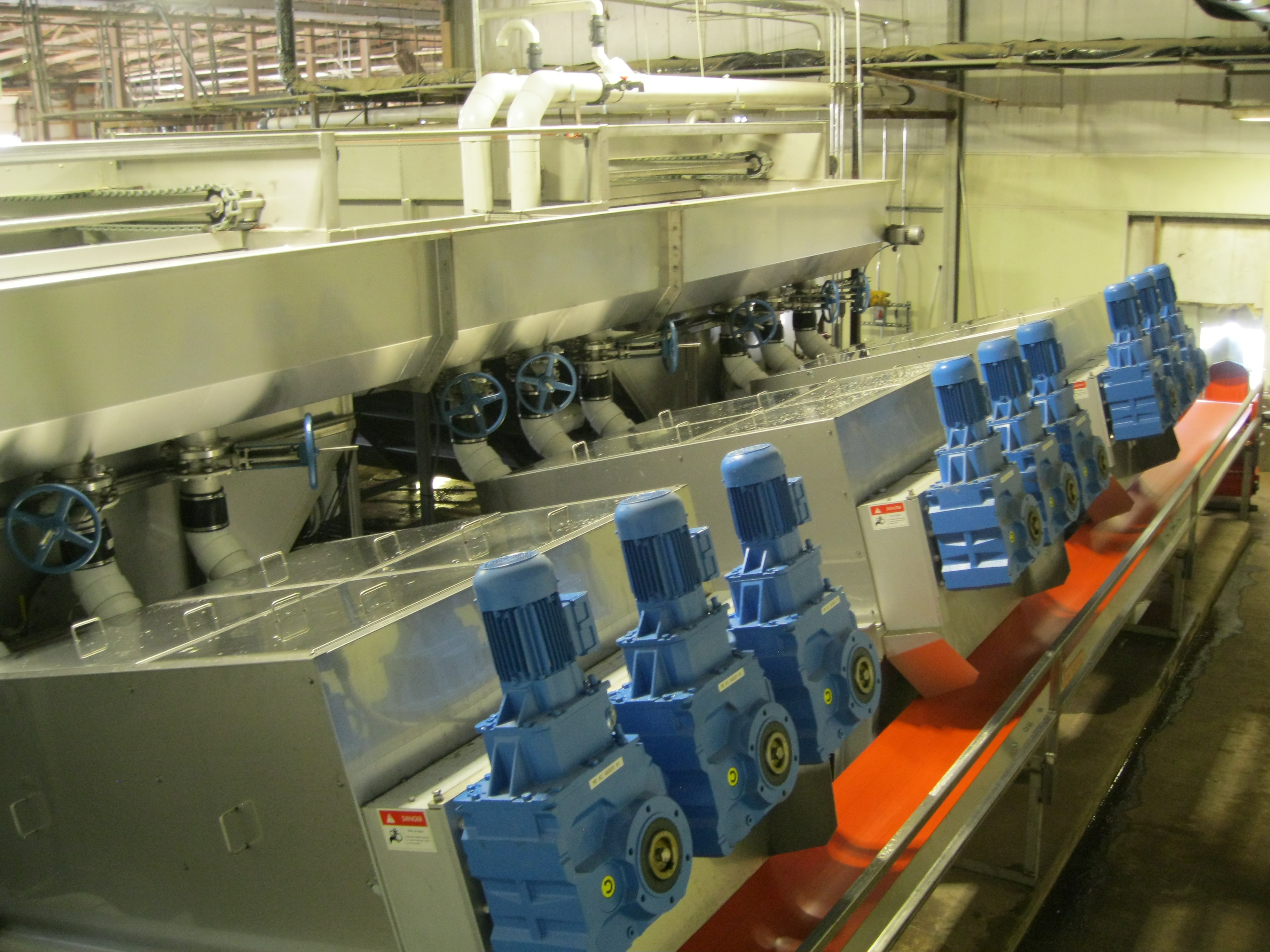
- United States – DAF Sludge: Three MDS353 units at a Fair Oaks facility handled dissolved air flotation sludge with a self-cleaning mechanism that eliminated manual intervention.
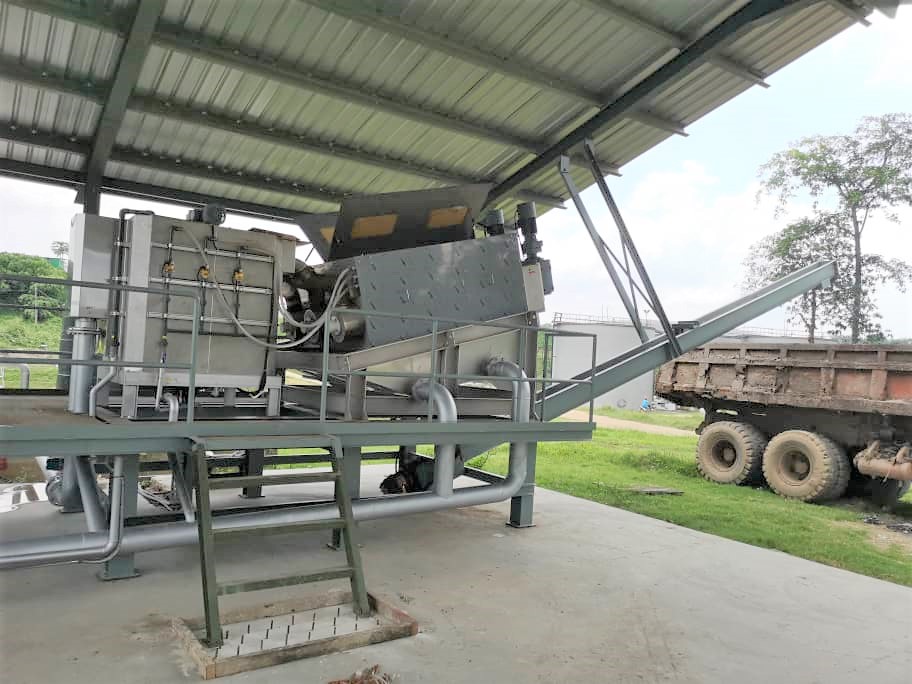
- Indonesia – Palm Oil Mill: A MDS403 (6.7 kW, capacity up to 150 m³/h) has been running continuously for three years at a palm oil plant, handling high‑fat sludge with minimal vibration and noise.
- Oman – Industrial Sludge: A MDS202 unit at the Oman Drydock shipyard processes industrial sludge from the largest shipyard in the Middle East, demonstrating low energy consumption and stable operation in a harsh environment.
Purchasing Support: From Quotation to Shipment
A complete procurement package goes beyond the equipment itself. Top-tier suppliers like Benenv offer flexible delivery methods (FOB/CIF/EXW/DDP), a standard 40/60 TT payment term, and a minimum order quantity of just 1 unit. Pre-shipment testing and Factory Acceptance Tests (FAT) ensure the machine meets agreed performance criteria. On the after-sales side, installation guidance, operator training, remote technical assistance, and a readily available spare parts inventory keep your system running reliably for years.
Future Outlook
As global wastewater treatment regulations tighten and sludge volumes rise, the demand for efficient, low‑maintenance dewatering equipment will only accelerate. The screw press sludge dewatering system—especially the multi‑disk variant—is well positioned to replace older centrifuges and belt presses in both municipal and industrial settings. Buyers who prioritize certified, field‑proven suppliers with transparent procurement processes will not only mitigate risk but also achieve a faster return on investment.