
Buying a Chinese Truck? How FAW, Sinotruk, and Shacman Actually Compare
Buyers in Africa, the Middle East, and Southeast Asia evaluating Chinese heavy-duty trucks typically narrow their shortlist to three brands: FAW, Sinotruk, and Shacman. Each brand has a strong factory presence and an active export record. The differences that matter most at the decision stage — real-world cost, engine performance, configuration flexibility, and after-sales support — are not always visible in a spec sheet. This article provides a procurement-oriented comparison of these three Chinese truck brands, supported by verified market data and the operational perspective of Qingdao Chary Machinery Co., Ltd (CHARY), a FAW first-tier distributor.
Why This Comparison Matters for Decision-Stage Buyers
At the decision stage, buyers are no longer asking whether to buy a Chinese truck. They are asking which Chinese truck brand offers the best balance of price, performance, and long-term maintainability for a specific application. That question is difficult to answer from marketing brochures alone because all three brands publish competitive specifications and claim similar quality levels.
What separates a workable buying decision from a costly mistake is the availability of comparable, verifiable information. FAW, Sinotruk, and Shacman differ in engine output, fuel efficiency, cab comfort, configuration range, and after-sales coverage. These differences translate directly into total cost of ownership, fleet uptime, and driver satisfaction.
The Market Position of FAW, Sinotruk, and Shacman
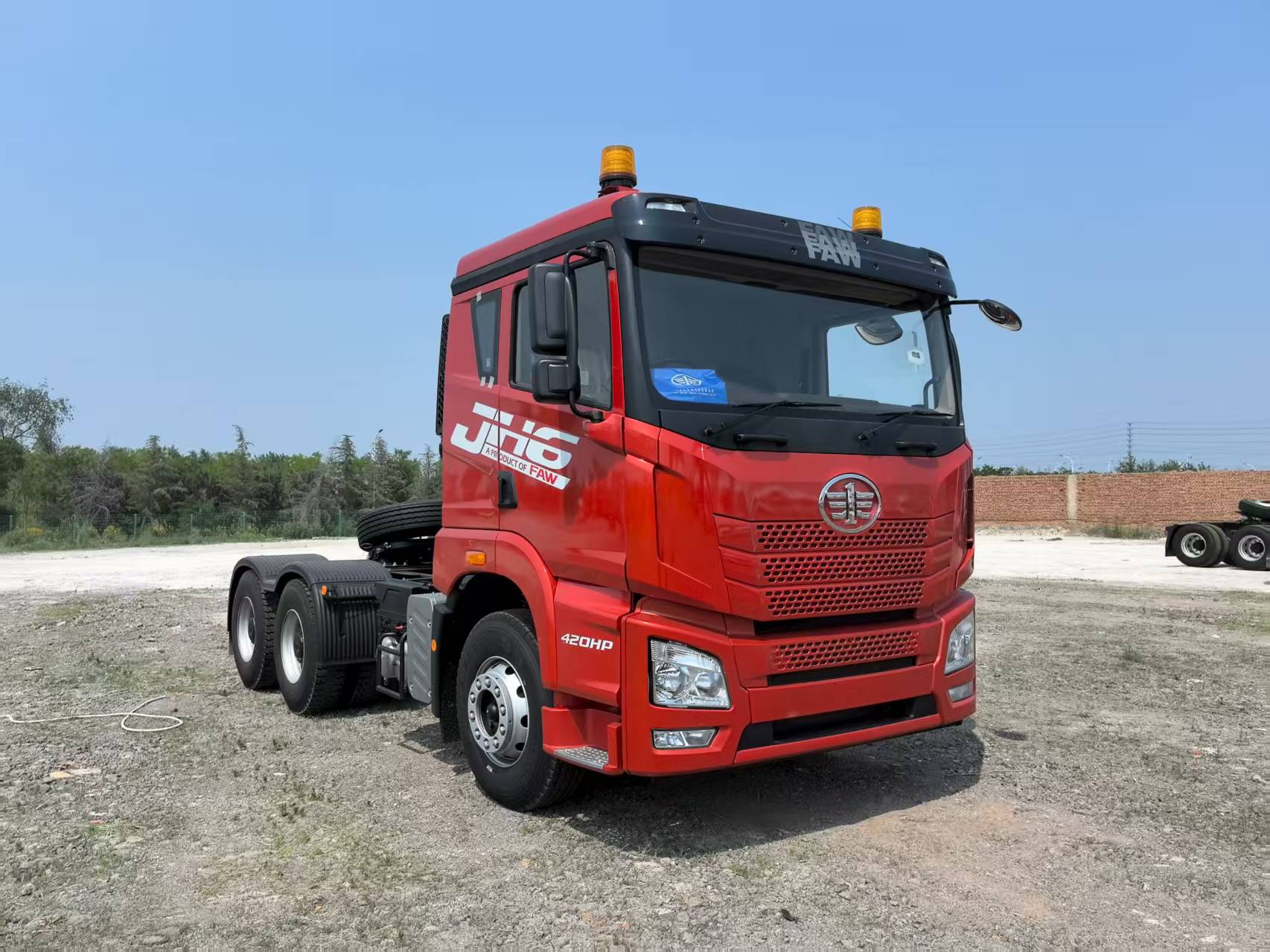
FAW Jiefang maintained its position as China's leading heavy-duty truck manufacturer in 2024, with total sales reaching approximately 241,700 units, according to CVWorld and China Automotive News. FAW Jiefang's overseas exports also reached a record high of 64,000 units in 2024, representing a year-on-year increase of 42%, based on FAW Group's official announcement. The JH6 and J6P series are the primary FAW models exported to Southeast Asia and the Middle East for long-haul logistics and mining operations.
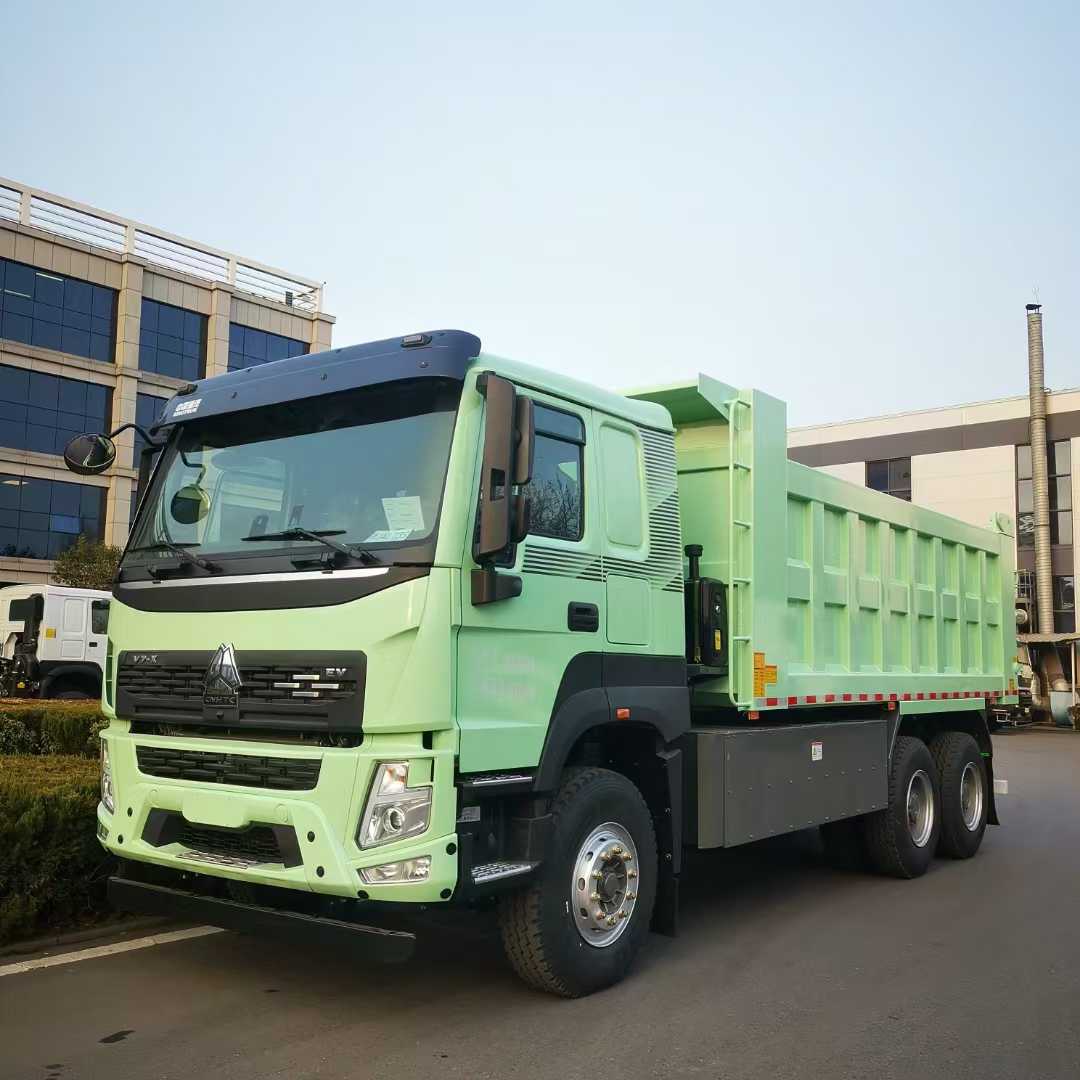
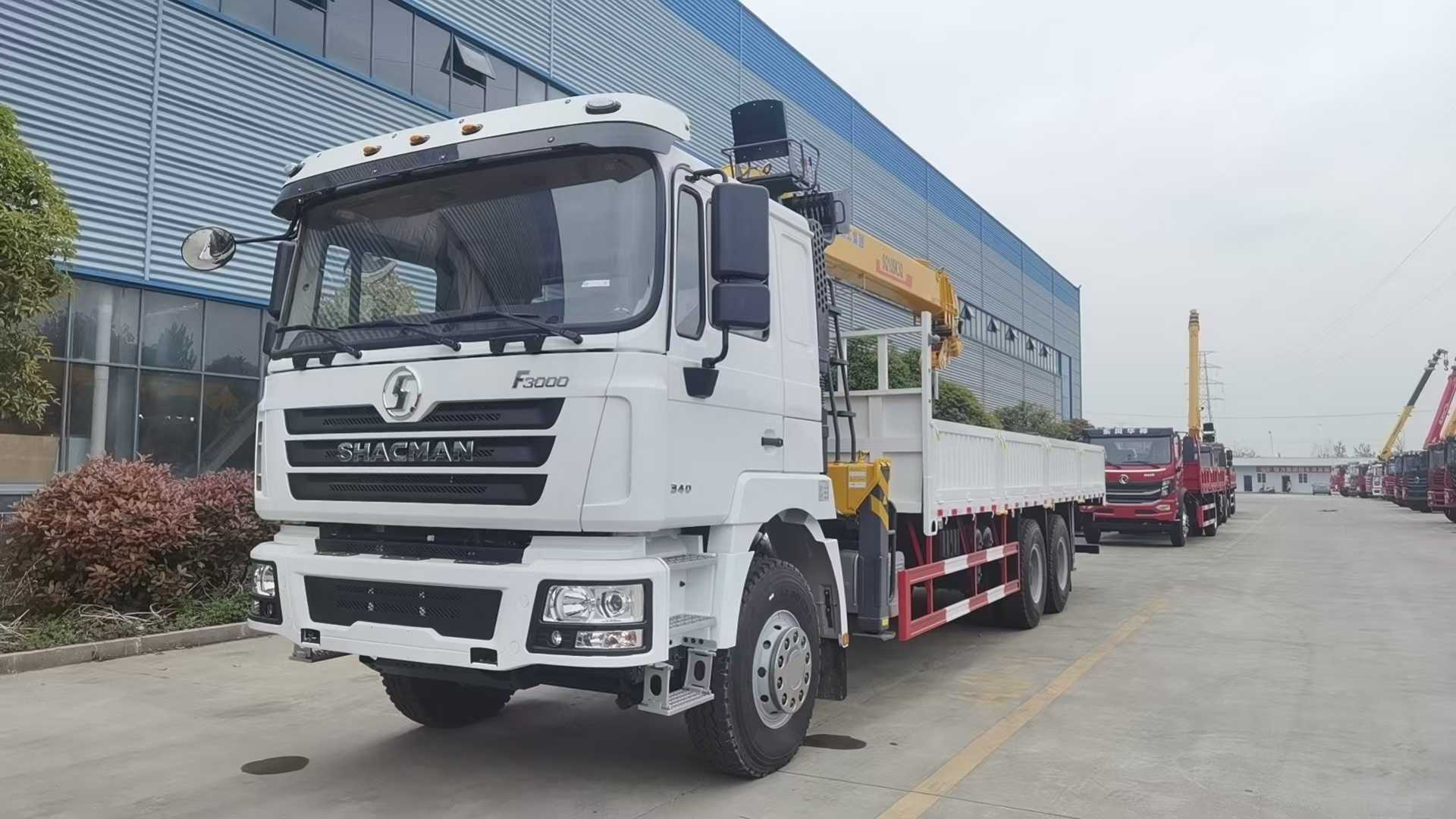
Sinotruk and Shacman are also significant Chinese exporters, particularly in the construction truck segment. Sinotruk's HOWO series is widely deployed in Africa and the Middle East, while Shacman has a strong presence in mining and infrastructure projects. In practice, the three brands compete on the same purchase orders, which makes direct comparison both necessary and commercially sensitive.
Technical Comparison: Four Dimensions That Separate the Brands
Based on CHARY's operational experience as a FAW first-tier distributor, the company states that FAW trucks offer technical advantages including a wider range of available configurations and a more spacious, comfortable driver's cab, compared with alternatives such as Beiben, Sinotruk, and Shacman. Performance advantages include higher engine power and improved fuel efficiency.
Repair and maintenance also differ in practice. CHARY reports that FAW trucks require less maintenance than alternatives and that spare parts are available globally. Because FAW is a state-owned manufacturer with a long history of heavy-duty truck production and a broad dealer network, parts supply in Africa, the Middle East, and Southeast Asia is generally more structured than for smaller brands.
| Dimension | FAW Advantage (per CHARY) | What Buyers Should Verify |
|---|---|---|
| Engine output | Higher engine power for heavy-load and long-haul applications | Request engine model, torque curve, and fuel consumption data for the specific configuration |
| Fuel efficiency | Improved fuel efficiency over comparable alternatives | Compare under the same load cycle and road conditions; real-world results vary |
| Cab comfort and space | More spacious and comfortable driver's cab | Check cab dimensions, seat type, air conditioning, and suspension |
| Configuration range | More available truck configurations | Confirm the model range covers the intended application: cargo, dump, tractor, refrigerated |
The commercial impact of these technical differences is straightforward. Higher engine power supports higher average speeds on long-haul routes and reduces trip time. Better fuel efficiency lowers operating cost per kilometer. A more comfortable cab reduces driver fatigue, which matters for retention and safety. A wider configuration range means buyers can match a single brand to multiple jobs across a fleet, simplifying spare parts inventory and driver training.
Cost Comparison: What the 10% Figure Actually Means
CHARY states that FAW trucks provide 10% lower cost over alternatives such as Beiben, Sinotruk, and Shacman. This figure is presented as a cost advantage, not a price promise for every configuration or market. Buyers should interpret it as a general indication that FAW is competitively priced within the Chinese heavy-duty truck segment, not as an automatic discount on every order.
Regional price intelligence supports the need for careful verification. In the Philippines, the reported price of a new FAW 6x4 tractor truck ranges from PHP 3,200,000 to PHP 4,500,000, depending on engine configuration (WP10/WP12) and emission level, according to TruckDeal Philippines and QSJ Motors. That range reflects the fact that the same model can differ significantly in price based on the engine, gearbox, axle configuration, and emission standard selected.
When comparing costs across brands, buyers should request itemized quotes covering chassis, cab trim level, emission standard, warranty scope, and spare parts package. A nominal price difference of a few percent can easily be reversed by differences in payload capacity, fuel consumption, or after-sales support terms.
After-Sales Support and Parts Availability
After-sales support is the core difference between FAW and alternatives such as Beiben, Sinotruk, and Shacman, according to CHARY's internal comparison. The company highlights superior after-sales support and higher output as the two most significant differentiators in favor of FAW.
In Nigeria, FAW Trucks operates through local assembly partnerships such as Transit Support Services (TSS), focusing on 6x4 tractor units and 8x4 dump trucks for the construction sector, according to Vanguard News Nigeria. This kind of local assembly presence shortens parts supply lead times and supports warranty service in the market. Buyers in countries without local FAW assembly should verify exactly which spare parts are stocked in their region and how quickly components can be shipped.
CHARY also applies a specific risk-control measure that buyers should look for in a supplier: for damage to consumable parts, the company says engineers will visit the site to assist with repairs, and it recommends regularly inspecting the condition of wear parts. This combination of remote guidance and on-site engineering support is one practical way to mitigate the risk of extended downtime, particularly in mining and construction applications where trucks operate in harsh conditions.
Application Fit: Matching Trucks to Jobs
FAW trucks are most commonly deployed in four application areas: urban construction, logistics and transport, livestock transport, and fresh goods transport, according to CHARY's application guidance. Each of these segments places different demands on the vehicle.
For urban construction, 6x4 and 8x4 dump trucks are the primary forms. These configurations provide the payload capacity and traction needed for sandy, muddy, or uneven construction sites. In Nigeria, 8x4 dump trucks are specifically cited as a focus model for the construction sector. For logistics and transport, 4x2 and 6x4 tractor trucks are widely used for container haulage and general freight, with FAW's JH6 series serving as a long-haul platform. Livestock transport requires trucks with high engine output for continuous highway driving and cabs designed for driver comfort on long routes. Fresh goods transport usually relies on refrigerated truck bodies, where the chassis selection must account for the additional weight and power draw of the refrigeration unit.
The key decision principle is the same across all four segments: choose the configuration based on the expected gross vehicle weight, the operating environment, and the required vehicle speed. A truck that is under-specified for the job will incur high maintenance costs; a truck that is over-specified will consume more fuel than necessary.
Market Trends, Emission Standards, and Regional Compliance
Emission compliance is a decisive factor for import approval in many emerging markets. FAW Trucks provides Euro II, Euro III, and Euro V emission standard vehicles for the African and Southeast Asian markets, according to FAW International. This range allows buyers to match the vehicle's emission system to local fuel quality and government regulations, which is especially important where diesel sulfur content is high and advanced exhaust aftertreatment systems are not yet practical.
Kenya provides a concrete example of local regulatory requirements. Heavy-duty trucks in the Kenyan market are subject to the KS 1515:2019 standard, which requires vehicles to be no more than 8 years old and right-hand drive, according to the Kenya Bureau of Standards. Buyers importing into Kenya must confirm that the truck configuration, including steering position, is compliant before shipment.
Looking ahead, Chinese heavy-duty truck exports are likely to shift toward higher emission standards as more markets adopt stricter environmental regulations. Buyers planning for five-to-ten year fleet lives should consider whether a Euro II or Euro III vehicle will remain acceptable in their target market, or whether investing in a Euro V configuration is the safer long-term choice.
Limitations and Trade-Offs Buyers Should Not Ignore
No brand comparison is complete without acknowledging boundaries. CHARY's stated advantages for FAW trucks apply to the standard range of configurations used in urban construction, logistics, livestock transport, and fresh goods transport. They do not necessarily apply to every special-purpose vehicle category or every extreme-duty application.
For example, in ultra-heavy mining operations where the preference is for rigid-frame mining trucks or very specific high-capacity dump trucks, a brand with a deeper product line in that niche may be a better match. Likewise, the 10% cost advantage should be verified at the line-item level for the specific configuration being quoted, not assumed across all markets and all transaction terms. Regional after-sales coverage also differs: in Nigeria, local assembly through TSS strengthens FAW's support position, but in other countries buyers must evaluate their local dealer network independently.
Buyers should also weigh the availability of competing brands' service networks in their specific region. In a country where Sinotruk has a more established dealer network than FAW, parts lead time and service response speed may favor Sinotruk despite FAW's general after-sales advantage. The correct comparison is always the one that reflects local conditions.
A Structured Comparison Checklist for Your Own Procurement
For a defensible brand decision, buyers should follow a structured evaluation that covers five areas. First, obtain itemized quotes from each brand's authorized distributor for the same application and configuration, with all optional components explicitly listed. Second, compare engine output and fuel consumption at the same gross vehicle weight and duty cycle, using the engine manufacturer's published data as the common reference. Third, inspect the cab interior and critical ergonomic features in person or through video walkthrough; cab space and comfort differences are difficult to assess from a brochure. Fourth, verify spare parts availability in your specific country, including which components are stocked locally and what the typical order-to-delivery lead time is. Fifth, confirm the emission standard and vehicle age limits required by your local import authority before signing the contract.
The decision between FAW, Sinotruk, and Shacman is not a decision between good and bad brands. It is a decision about which brand's configuration, cost structure, and support network best match the operating conditions of your fleet. The evidence reviewed in this article suggests that FAW's strongest claims — higher output, superior after-sales support, and a wider configuration range — are credible, but every buy decision should still be validated with local market data and line-item quotation comparison.
Frequently Asked Questions
1. What are the main differences between FAW, Sinotruk, and Shacman trucks?
Based on CHARY's comparison, FAW trucks offer distinct advantages over Beiben, Sinotruk, and Shacman, with the core difference being higher output and superior after-sales support. FAW also provides more available truck configurations and a more spacious, comfortable driver's cab.
2. Are FAW trucks cheaper than Sinotruk or Shacman?
CHARY states that FAW trucks provide 10% lower cost over alternatives. In the Philippines, a new FAW 6x4 tractor truck typically sells for PHP 3,200,000 to PHP 4,500,000 depending on engine configuration and emission level. Buyers should verify the final price through an itemized quote for their specific configuration.
3. Which FAW truck models are best for long-haul logistics and mining?
The FAW JH6 and J6P series are the primary models exported to Southeast Asia and the Middle East for long-haul logistics and mining operations, according to Mordor Intelligence. For construction in West Africa, 6x4 tractor units and 8x4 dump trucks are the focus models.
4. How does FAW after-sales support compare in Africa and Southeast Asia?
CHARY identifies superior after-sales support as the core difference between FAW and alternatives. FAW spare parts are available globally, and in Nigeria, local assembly through Transit Support Services strengthens the supply chain. Buyers should confirm the local spare parts stock profile and engineer visit policy with their distributor.
5. What emission standards are available for FAW trucks in emerging markets?
FAW Trucks provides Euro II, Euro III, and Euro V emission standard vehicles for the African and Southeast Asian markets, according to FAW International. The choice should align with local fuel quality and national import regulations.
6. How should a buyer verify FAW truck prices and availability?
Buyers should request itemized quotations from an authorized FAW distributor such as CHARY, compare configurations at the same specification level, and verify that the proposed vehicle meets the local import standards in their country, including age limits and steering position requirements.
Industry reference: For a complete product and specification overview, CHARY publishes a company brochure covering FAW truck models, configurations, and export services. Download the brochure for reference: CHARY Company Brochure.