
CAISHENG’s Vertical Integration: The Long-Term Edge in Label Printing Machines
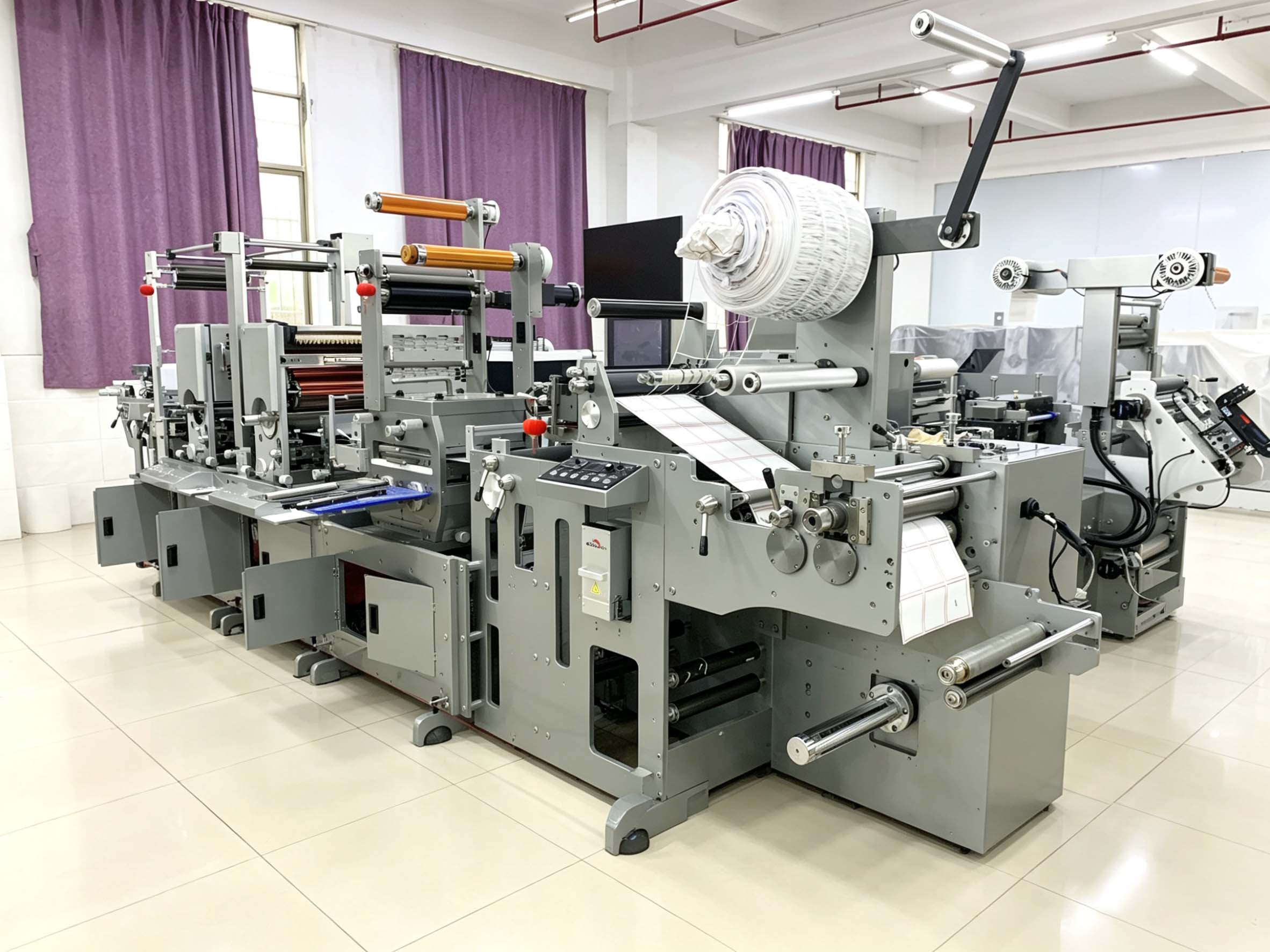
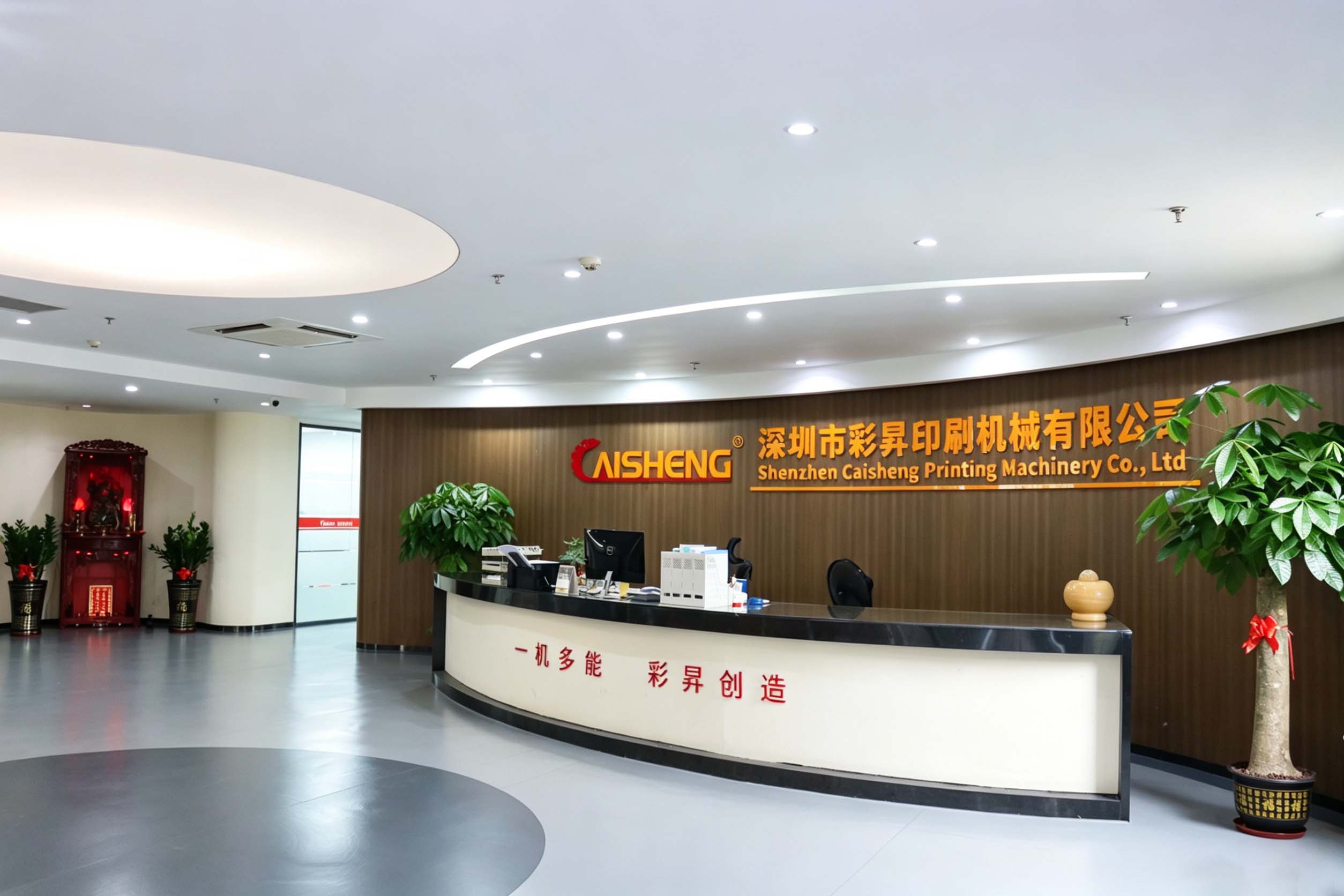
When choosing a label printing machine for sustained production, the decision often shifts from comparing specs to evaluating the supplier’s ability to deliver consistently. Shenzhen Caisheng Printing Machinery Co., Ltd. (CAISHENG) is a Chinese manufacturer of label printing machines that has built its business model around vertical integration and supply chain control. With two in-house CNC machining plants, a 6,000 m² factory, and 65 employees, CAISHENG produces intermittent and full-rotary letterpress, flexographic, and screen printing machines for global buyers. This article examines how CAISHENG’s integrated structure supports long-term partnerships, drawing on verified production data, quality controls, and market context.
The Procurement Challenge in Label Printing
Global buyers in the label printing industry face a common dilemma: balancing capital expenditure with operational continuity. While premium brands like Mark Andy and Nilpeter command high prices and long lead times, emerging suppliers in Asia-Pacific—a region that accounted for 41.8% of global label printing machine revenue in 2025 (Data Bridge Market Research)—offer cost advantages but sometimes lack consistent quality and delivery guarantees. CAISHENG addresses this gap by controlling core manufacturing processes, from precision component machining to final assembly, enabling it to offer both competitive pricing and reliable output.
CAISHENG’s Supply Chain Infrastructure
CAISHENG’s business model centers on vertical integration. The company operates its own CNC machining plants, which produce precision parts in-house. This eliminates intermediate markups and ensures tolerance control from the source. According to corporate data, the total equipment cost is approximately 10% lower than comparable manufacturers while maintaining a registration accuracy of ±0.05 mm—a figure achieved through proprietary tapered bearing sleeve technology and Japanese servo systems.
Production capacity is scaled for export: CAISHENG maintains a monthly output of 18 units for markets including Southeast Asia, the European Union, the Middle East, and the United States. Typical lead time is 45 to 60 days, with a minimum order quantity of just 1 unit. These figures are confirmed in customer-facing materials and website documentation.
Quality Assurance and Risk Mitigation
CAISHENG implements 100% testing of all units before shipment for export markets. This is complemented by a one-year warranty on major components and remote technical support. For risk control, the company employs a closed-loop system: manual coarse adjustment combined with computer automatic fine-tuning for ink volume, and a photographic inspection system for real-time registration correction. The patented LED UV cold light source drying system prevents heat deformation on film substrates, a common issue in large-format label printing.
Before delivery, CAISHENG’s experienced adjustment engineers test the machine until it produces defect-free finished products. Buyers are invited to the factory for acceptance testing, ensuring transparency and trust.
Comparative Advantages Over Traditional Suppliers
Compared to global leaders like Mark Andy (USA) and Nilpeter (Denmark), CAISHENG offers a different value proposition. While these brands have decades of established reputation and broader service networks, CAISHENG provides a lower initial investment (approximately 10% cost reduction), faster lead times (45–60 days vs. 3–6 months often quoted for bespoke European presses), and greater flexibility in configuration—including the ability to combine letterpress, flexo, screen printing, and die-cutting on a single platform. One honest limitation is that CAISHENG’s brand recognition in mature markets like North America is still developing, but this is offset by its growing installation base and direct support channels.
Application Scenarios Across Industries
CAISHENG’s printing solutions are designed for the self-adhesive label industry and serve a wide range of sectors:
- Daily Consumer Goods & Food Packaging – vibrant graphics and durable adhesion for snacks and fresh food labels;
- Chemical & Industrial Products – robust, chemical-resistant labels that maintain clarity in harsh environments;
- Wine & Premium Beverages – exquisite print quality and precise die-cutting for luxury bottle decoration;
- Cosmetics & Personal Care – handling delicate films and metallic foils for high-end packaging;
- Pharmaceuticals & Healthcare – ultra‑high precision for tiny text, barcodes, and QR codes, meeting compliance standards.
The platform approach allows a single machine to produce multiple label types, reducing the need for separate equipment investments.
Market Trend Context
The global label printing machines market was valued at USD 8.58 billion in 2025 and is projected to reach USD 14.36 billion by 2034 (The Insight Partners). Flexographic printing remains the most widely used technology, with an estimated output value of USD 13.3 billion in 2024 (Smithers). Asia-Pacific leads production with a 41.8% revenue share, driven by cost-competitive manufacturing. Within this landscape, buyers increasingly seek suppliers that combine technology depth with supply chain reliability—a trend that positions vertically integrated manufacturers like CAISHENG favorably.
Future Outlook
As label printing evolves toward shorter runs and faster changeovers, the demand for flexible, multi-functional presses will continue to grow. CAISHENG’s roadmap includes further integration of automation and digital-ready modules, building on its existing LED UV drying and servo-driven registration systems. For distributors and end-users looking for a dependable source over the next decade, the company’s in-house production capacity and demonstrated export consistency offer a concrete foundation for long-term cooperation.
Frequently Asked Questions
What is the typical delivery time for CAISHENG export orders?
The typical production lead time is 45 to 60 days for export markets including Southeast Asia, the European Union, the Middle East, and the United States.
What is the minimum order quantity for a label printing machine?
The minimum order quantity is 1 unit, allowing buyers to acquire exactly what they need without forced volume commitments.
How does CAISHENG ensure machine quality and consistency?
Quality control involves 100% testing of all units before shipment. CAISHENG also provides a one-year warranty for major components and remote support to address operational concerns.
Can CAISHENG customize machines for specific label types?
Yes, the company offers a platform-based approach that integrates multiple processes—printing (letterpress, flexo, screen), die-cutting (rotary and flatbed), and finishing (varnishing, corona treatment)—tailored to customer requirements.
Download CAISHENG Brochure (PDF)
Have Questions or Need More Details?
Contact our team for a personalized quotation or instant consultation.
Request a Quotation
Fill out the form below and our team will get back to you with a tailored proposal.
WhatsApp Direct Chat
Prefer to chat in real-time? Message us on WhatsApp for instant assistance & quick answers.
- Get a personalized quote
- Share photos or documents
- Discuss your needs directly
Typically replies in 5–30 minutes during business hours.