
CFW Cross-Border Transportation Services: Compliance, Capabilities and Integration Guide
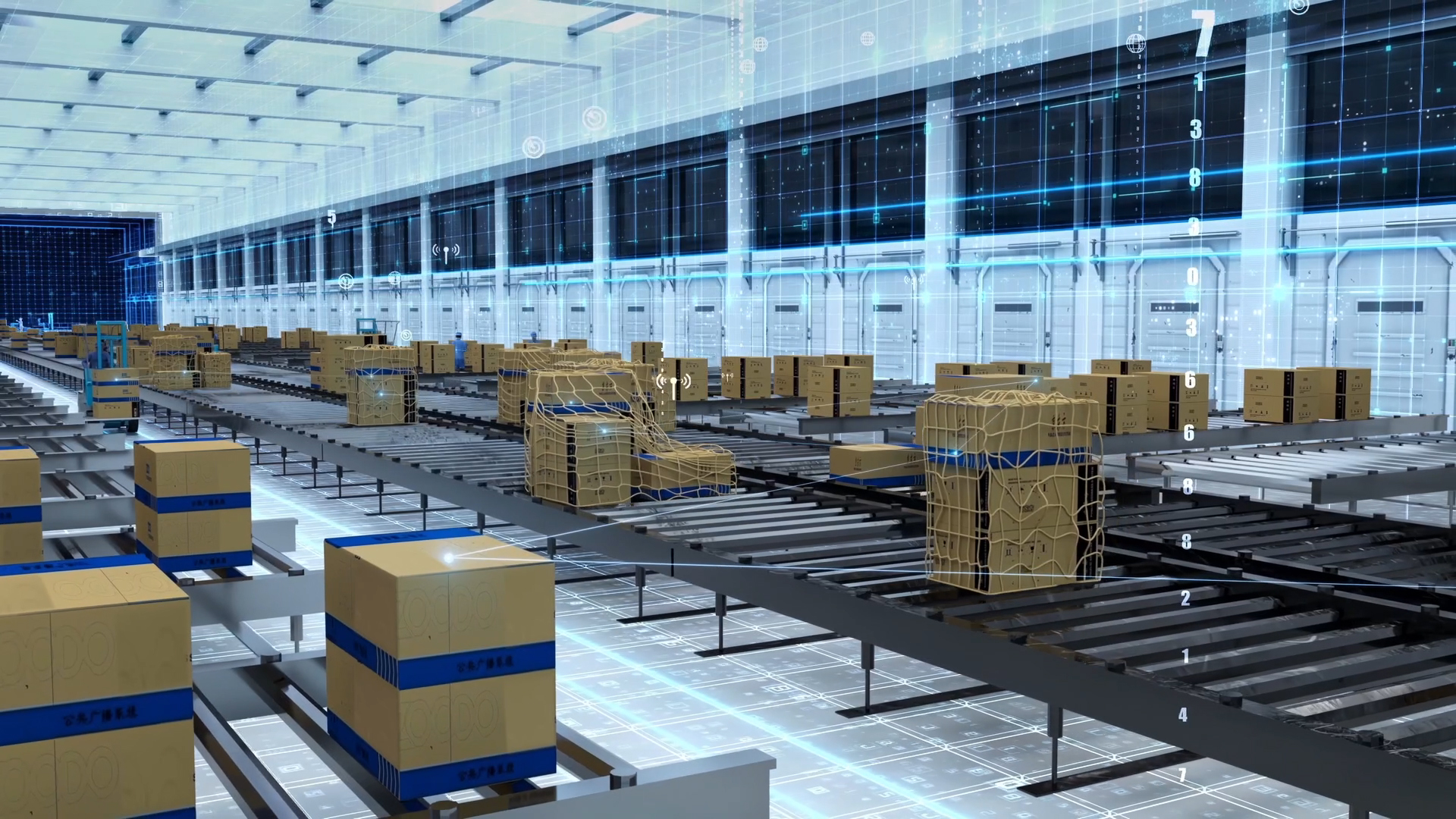
Industry Context: When Standard Freight Falls Short
Global sourcers moving new energy equipment, high-end manufacturing components, or cross-border e-commerce goods face a familiar problem: fragmented logistics providers, opaque customs processes, and unpredictable transit times. For products like lithium batteries, oversized machinery, or temperature‑sensitive cargo, standard shipping is simply not an option. Buyers evaluating cross‑border transportation services increasingly demand documented certifications, proven operational capacity, and truly integrated digital oversight – not just brochures.
Problem / Opportunity
The typical cross-border supply chain involves multiple handoffs: a domestic trucker, a freight forwarder, a customs broker, an overseas warehouse, and a last‑mile carrier. Each handoff creates risk – documentation errors, delays at border crossings, hidden surcharges, and cargo damage. For high‑value or hazardous goods, these risks multiply. Procurement teams are therefore shifting from price‑per‑shipment comparisons toward evaluating a provider’s total compliance framework, technology stack, and end‑to‑end accountability.
Brand Solution: CFW’s Global One‑stop Integrated Supply Chain & Logistics Services
Shenzhen CFW Logistics Technology Co., Ltd. (CFW Group) offers a comprehensive third‑party logistics (3PL) service targeting new energy manufacturers, high-end manufacturers, e‑commerce retailers, and cross‑border trade enterprises. The service – named Global One‑stop Integrated Supply Chain & Logistics Services – falls under the Logistics & Supply Chain Services category and is designed as a one‑stop integrated 3PL solution. Geographic coverage spans China, Southeast Asia, Central Asia, and Europe, with local teams in Vietnam, Thailand, Indonesia, and Central Asian hubs.
CFW holds comprehensive qualifications that directly address the constraints buyers care about: National High‑tech Enterprise, 5A‑level Logistics Enterprise, AEO Advanced Customs Certification, TIR international road transport permits, TAPA logistics security certification, and integrated management system certifications (ISO 9001, 14001, 45001, 27001). It also possesses full qualifications for the transport of hazardous materials (Classes 2, 3, 4, 8, and 9), hazardous waste, and oversized hazardous cargo. These credentials reduce the need for buyers to audit multiple subcontractors.
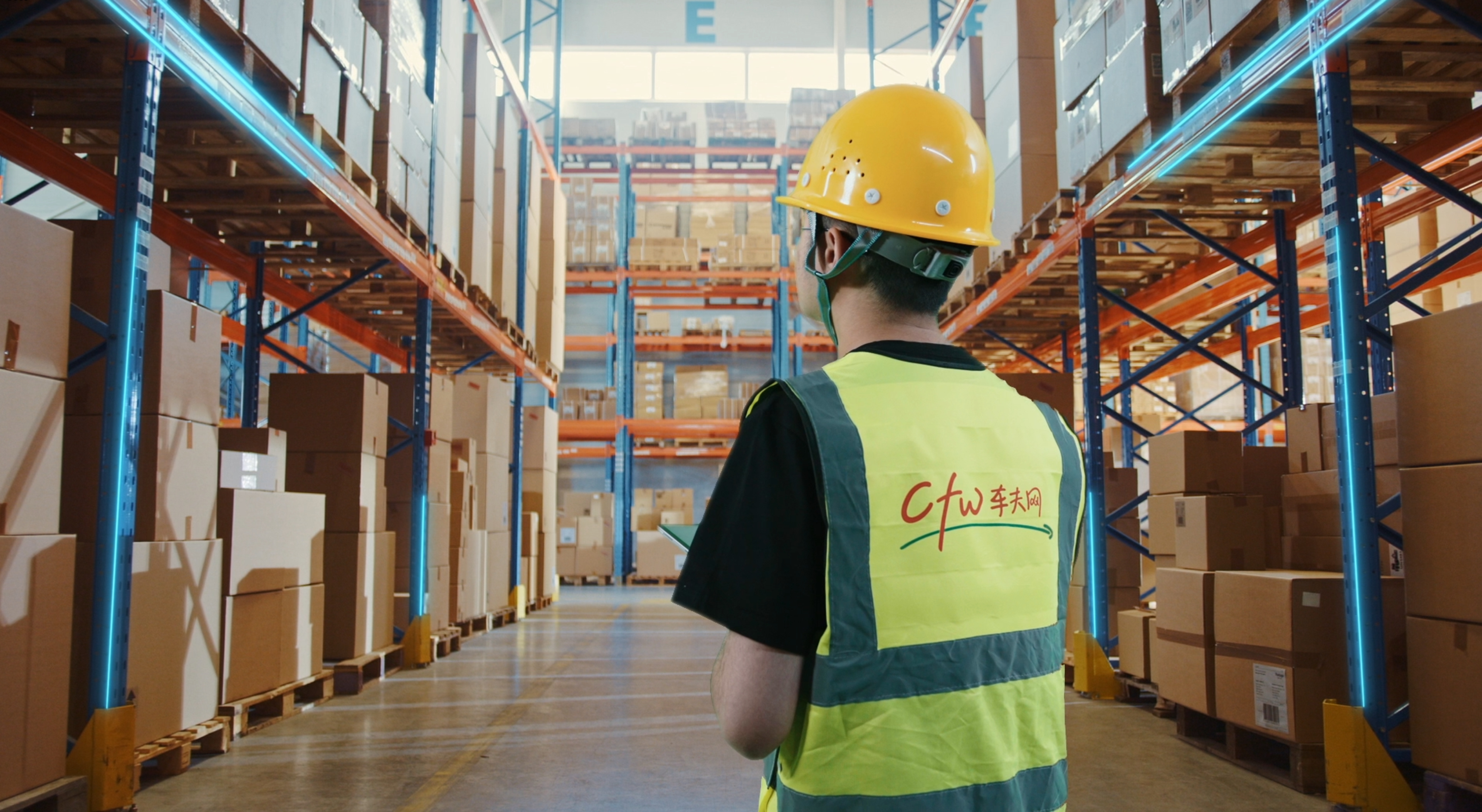
Technical Explanation: Self‑Developed System Architecture
CFW differentiates through a fully self‑developed technology stack integrating Transportation Management (TMS), Warehouse Management (WMS), and a Forwarding & Billing System (FBS). The system provides full‑link visibility, real‑time tracking, intelligent inventory warnings, and dynamic SKU analysis. It also supports multilingual cross‑border collaboration (Chinese, English, Vietnamese, Thai, Indonesian, Kazakh, Slavic languages), enabling seamless communication across CFW’s overseas branches.
Operational parameters include: solution design within 1–3 working days after confirmation, system activation in 1 working day, and domestic service launch on the same day. Cross‑border services are activated within 3–5 working days. These documented turnaround times give procurement teams concrete service level expectations.
Application / Use‑Case Scenarios
CFW’s service modules are applied across several high‑stakes scenarios:
- New energy cross‑border delivery: Lithium batteries and solar equipment transported with full dangerous‑goods qualification (Classes 2, 3, 4, 8, 9) and customized shockproof packaging.
- High‑end precision instruments: Oversized heavy cargo handling with temperature/humidity monitoring and TAPA security compliance.
- E‑commerce cross‑border fulfillment: End‑to‑end supply chain integration including bonded warehouse logistics, last‑mile delivery, and reverse logistics management.
- Factory JIT supply chain support: Milk‑run and just‑in‑time transportation services for high‑mix, high‑volume manufacturing.
Each scenario is supported by a dedicated account manager and online system access, with offline execution by CFW’s 3,000+ employees and 10,000+ self‑operated and integrated vehicles.
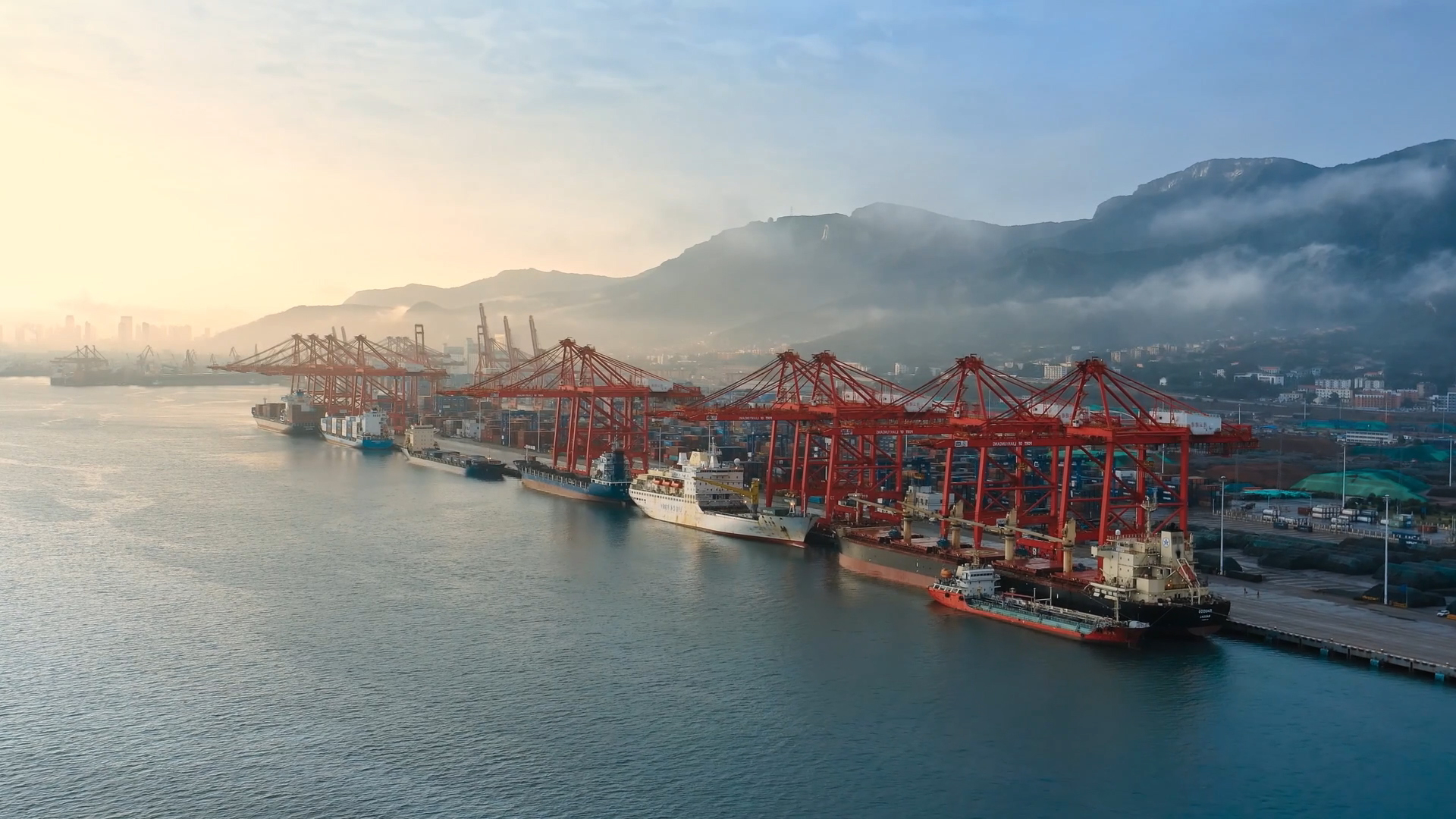
Market Trend Analysis
Based on CFW’s documented client engagements and service evolution, several industry‑wide trends are visible:
- Certification‑driven procurement: Buyers increasingly require AEO, TAPA, and ISO certifications as baseline criteria, not differentiators. CFW holds all four.
- Integration over fragmentation: Shippers are replacing multi‑vendor models with single‑provider contracts to reduce coordination overhead and hidden costs. CFW’s one‑stop model aligns with this shift.
- Digital visibility as standard: Real‑time tracking and system‑to‑system integration (TMS/WMS) are now prerequisites. CFW’s self‑developed platform supports full‑link transparency.
- Regional specialization: Southeast Asia and Central Asia lanes are growing faster than traditional routes, driven by manufacturing migration and Belt and Road infrastructure. CFW’s direct overseas subsidiaries in Vietnam, Thailand, Indonesia, and Kazakhstan provide localized execution.
Comparison with Traditional Solutions
Traditional cross‑border logistics often relies on a network of independent freight forwarders, separate customs brokers, and regional trucking companies. This model can work for simple shipments but introduces coordination friction, multiple profit markups, and inconsistent compliance levels. CFW’s integrated approach consolidates these layers into a single contract, with in‑house customs teams (HS classification, tariff optimization) and owned or directly managed fleet capacity.
One honest limitation: CFW’s service scope explicitly excludes personal small parcel express, same‑city delivery, and contraband goods transport. It also does not cover compensation for inherent product quality loss. Buyers with needs outside its defined lanes (e.g., remote uninhabited areas without access) would need to supplement with local partners.
Future Outlook
As cross‑border trade continues to grow in complexity, the demand for certified, technology‑enabled, one‑stop logistics providers will intensify. CFW’s continued investment in proprietary digital systems, its expansion of overseas branch networks, and its maintenance of full dangerous‑goods qualifications position it to serve the tightening regulatory environment in China–ASEAN and China–Europe corridors. Procurement teams evaluating suppliers in 2026 will increasingly treat integrated transportation services as a strategic partnership rather than a transactional vendor – a shift that aligns with CFW’s existing operating model.
Frequently Asked Questions
A: CFW holds comprehensive qualifications for hazardous materials (Classes 2, 3, 4, 8, and 9), hazardous waste, and oversized hazardous cargo. It also holds TIR international road transport permits, TAPA logistics security certification, AEO customs certification, and integrated management system certifications (ISO 9001, 14001, 45001, 27001). The company is recognized as a National High‑tech Enterprise and a 5A‑level Logistics Enterprise.
A: CFW’s geographic coverage includes full coverage in China, Southeast Asia (Vietnam, Thailand, Indonesia), Central Asia (Kazakhstan), and key European hubs. The company has direct overseas subsidiaries and local teams in Vietnam, Thailand, Indonesia, and Central Asia, supporting end‑to‑end execution.
A: Special services include dangerous goods and Li‑ion battery transport, oversized heavy cargo transport, and customized shockproof packaging. CFW also provides temperature‑controlled transportation and bonded warehouse services as part of its integrated logistics offering.
A: CFW operates a self‑developed TMS/WMS/FBS integrated logistics system that provides full‑link visibility, real‑time tracking, and dynamic inventory alerts. Clients receive online system access and dedicated account manager support, with multilingual interfaces available in Chinese, English, Vietnamese, Thai, Indonesian, Kazakh, and Slavic languages.
A: Solution design is completed within 1–3 working days after confirmation, system activation within 1 working day, and domestic service launch on the same day. Cross‑border services are typically mobilized within 3–5 working days. These are standard lead times for the Global One‑stop Integrated Supply Chain & Logistics Services.